Editor’s note: This guide is written for everyday drivers, weekend-roadster people, classic-car fans, and anyone who has ever touched a summer steering wheel and briefly considered moving to Antarctica.
Why Driving Gloves Still Matter in 2024
Driving gloves used to be as essential as a spare tire, a paper map, and the ability to parallel park without a rear camera. Early cars had exposed cabins, wood or metal steering wheels, and very little protection from weather. Today, most of us drive with climate control, heated seats, phone chargers, and enough dashboard screens to qualify as a small television studio. So why are driving gloves still around?
Because good driving gloves are not just costume pieces for people who say “motoring” instead of “driving.” The best driving gloves improve grip, reduce hand fatigue on long trips, protect leather and Alcantara steering wheels from sweat and oils, and add comfort when the wheel is too hot, too cold, or too slippery. They also look undeniably cool when chosen well. Choose badly, however, and you may look like you are about to inspect a Victorian crime scene.
For 2024, the best driving gloves fall into five useful categories: classic leather, touchscreen-friendly, cold-weather, warm-weather, and premium enthusiast gloves. The right pair depends on your climate, car interior, hand size, and how much you care about the satisfying little snap at the wrist. Spoiler: once you enjoy that snap, it becomes a personality trait.
How We Chose the Best Driving Gloves
This guide compares real driving glove styles and product details from automotive, lifestyle, leather goods, and retailer sources. The focus is on gloves that make sense for actual drivers rather than gloves that merely look photogenic next to a vintage speedometer. Each recommendation was judged on grip, comfort, material quality, breathability, closure design, fit range, touchscreen usefulness, price-to-value ratio, and whether the glove suits daily driving, spirited weekend drives, commuting, or classic-car ownership.
What Makes a Good Driving Glove?
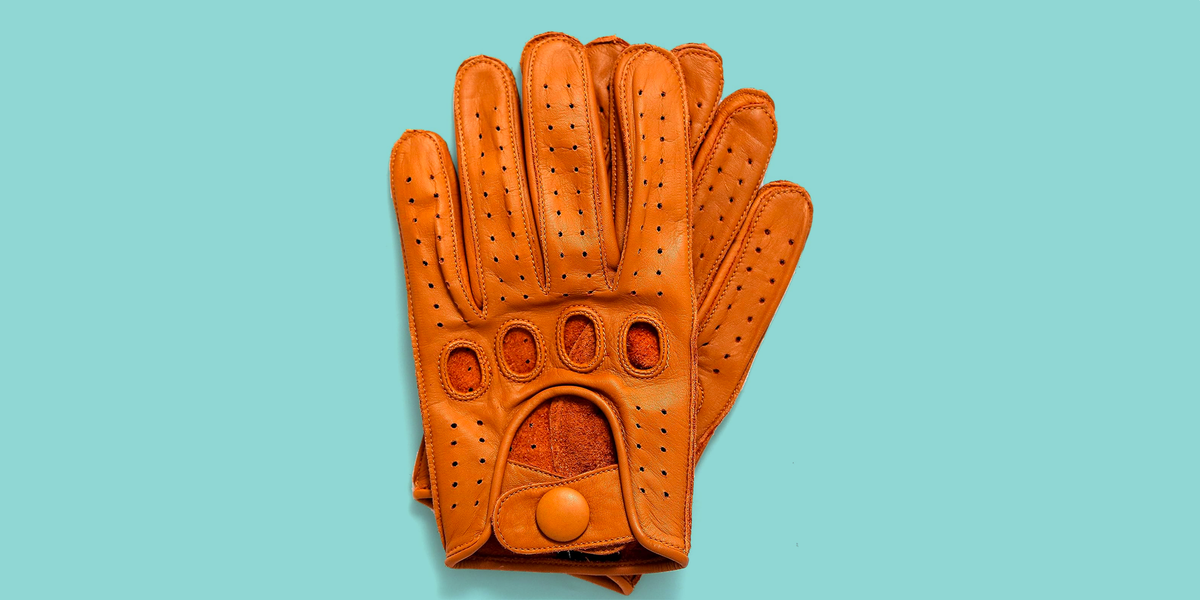
A strong driving glove should feel snug without cutting off circulation. Leather models are often unlined because a thin, close fit improves steering feel. Classic features include perforated fingers, knuckle holes, an open back, and a snap or stud closure at the wrist. Those details are not just decorative. They help air move, allow the hand to flex naturally, and keep the glove from sliding around while you steer.
Touchscreen compatibility matters more in 2024 than it did a decade ago. Many drivers now interact with navigation, infotainment screens, and phone mounts before parking. A glove that forces you to remove it every time you adjust a route quickly becomes a glove that lives in the glove box, which is technically appropriate but practically sad.
Quick Comparison: 5 Best Driving Gloves of 2024
| Rank | Driving Glove | Best For | Material/Style |
|---|---|---|---|
| 1 | Riparo Reverse-Stitched Leather Driving Gloves | Best overall | Genuine leather, classic perforated design |
| 2 | Dents Silverstone Touchscreen Leather Driving Gloves | Best heritage touchscreen glove | Leather, cut-out back, touchscreen fingertips |
| 3 | Pratt and Hart Momentum Touchscreen Leather Driving Gloves | Best value leather touchscreen glove | Fine-grain leather, knuckle holes, snap wrist |
| 4 | ELMA Winter Leather Driving Gloves | Best cold-weather driving glove | Leather with cashmere, wool, or fleece lining options |
| 5 | Café Leather Triton Driving Gloves | Best premium enthusiast glove | Vegetable-tanned leather, handcrafted construction |
1. Riparo Reverse-Stitched Leather Driving Gloves Best Overall
If you want one pair of driving gloves that hits the sweet spot between style, comfort, and price, the Riparo Reverse-Stitched Leather Driving Gloves are the easiest recommendation. They have the classic motoring look: genuine leather, perforations for breathability, contrast stitching options, knuckle openings, and a wrist strap with snap closure. They look at home in a roadster, a vintage coupe, a modern sports sedan, or even a sensible crossover driven by someone who secretly wishes it had a manual transmission.
The reverse-stitch construction is not just for show. By placing seams outward, the glove can feel smoother inside, reducing rubbing during longer drives. That matters if you spend hours holding the wheel on road trips or weekend canyon drives. The leather is flexible enough to maintain steering feel, while the snug wrist closure keeps the glove planted.
Why It Stands Out
Riparo offers a lot of the traditional driving glove experience without sending your wallet into a controlled skid. The design provides grip without bulk, and the wide range of colors makes it easy to match the glove to a black interior, tan seats, red stitching, or your deeply specific “my car has personality” aesthetic.
Best For
Choose Riparo if you want a dependable all-around leather driving glove for warm-weather drives, spirited weekend routes, cars with leather steering wheels, or everyday use when you want more grip and less hand sweat. It is especially good for drivers who want classic styling but do not want to pay luxury-brand prices.
Potential Drawbacks
Like many leather driving gloves, fit is everything. If you guess your size instead of measuring your hand, you may end up with gloves that bunch at the palm or squeeze the fingers. Also, unlined gloves are not designed for freezing winter mornings. They protect from a chilly wheel, but they are not snow-shoveling equipment. Please do not challenge them to a blizzard duel.
2. Dents Silverstone Touchscreen Leather Driving Gloves Best Heritage Touchscreen Glove
Dents is one of the most recognizable names in leather gloves, and the Silverstone Touchscreen Leather Driving Gloves bring old-school driving style into the modern dashboard era. They feature the familiar cut-out back, knuckle holes, perforated detailing, and a secure wrist fastener, but add touchscreen-friendly fingertips so you can use navigation and infotainment screens without constantly peeling the gloves off.
The big appeal here is refinement. Dents gloves tend to have a polished, heritage look that pairs well with classic cars, luxury interiors, and drivers who appreciate accessories that do not shout. The Silverstone is not trying to look like a racing glove. It is trying to look like something you would wear while driving a grand tourer through the countryside and pretending your commute is actually a film scene.
Why It Stands Out
The Silverstone succeeds because it keeps the traditional driving glove silhouette while solving a modern annoyance. Touchscreen compatibility is especially useful if your vehicle relies heavily on digital controls. The glove stays elegant, breathable, and thin enough for steering feedback, while avoiding the “take glove off, tap screen, put glove back on, repeat forever” routine.
Best For
Choose Dents Silverstone if you want a classy leather glove with a premium feel, especially for cars with refined interiors. It is a strong pick for luxury sedans, classic convertibles, and drivers who want something more sophisticated than a generic winter touchscreen glove.
Potential Drawbacks
The main downside is price. Dents gloves often cost more than basic leather driving gloves. Also, touchscreen performance can vary depending on your screen, your finger placement, and whether your glove fits snugly enough at the fingertips. A loose fingertip is the enemy of accurate tapping. It is also the enemy of looking graceful while angrily poking at a navigation map.
3. Pratt and Hart Momentum Touchscreen Leather Driving Gloves Best Value Leather Touchscreen Glove
Pratt and Hart’s Momentum Touchscreen Leather Driving Gloves are a smart middle-ground option for drivers who want real leather, traditional styling, and touchscreen function at a more approachable price. The Momentum follows a proven formula: leather construction, open knuckles, perforated fingers, snap wrist strap, elastic wrist snugger, and touchscreen pads on the thumb and index finger.
That combination makes the Momentum one of the most practical driving gloves of 2024. It does not try to be the most luxurious glove in the world, and that is part of its charm. It aims to be useful, handsome, and easy to wear. The perforations help with airflow, while the wrist strap keeps the glove from feeling sloppy during steering inputs.
Why It Stands Out
Value is the headline. You get classic driving glove details plus touchscreen convenience without jumping into premium pricing. The design works for daily drivers, commuters, and casual enthusiasts who want something nicer than a synthetic glove but not so fancy that they feel nervous tossing it into the center console.
Best For
Choose Pratt and Hart Momentum if you want a traditional leather driving glove that can handle modern screens. It is a great pick for warmer months, weekend drives, and anyone who wants a useful glove that still looks sharp enough for a dinner stop after the drive.
Potential Drawbacks
The touchscreen pads are helpful, but they are not magic. They work best when the glove fits closely at the thumb and index finger. Also, because this is a perforated, unlined-style driving glove, it is better suited to mild and warm weather than deep winter. Think “sunny Sunday drive,” not “January in Minnesota while your steering wheel judges you.”
4. ELMA Winter Leather Driving Gloves Best Cold-Weather Driving Glove
Classic perforated driving gloves are great until the temperature drops and your steering wheel feels like it was stored in a walk-in freezer. That is where ELMA Winter Leather Driving Gloves make sense. These gloves are commonly praised as affordable cold-weather leather gloves, with versions that use soft leather and warm lining options such as cashmere, wool, or fleece depending on the model.
The ELMA approach is less “vintage road rally” and more “I would like to keep my fingers, thank you.” They still look dressy enough for commuting, but their purpose is warmth first. The palm grip and touchscreen-friendly designs on many versions make them practical for winter driving, walking from the parking lot, and handling quick phone or navigation tasks before you roll.
Why It Stands Out
ELMA gloves are a strong cold-weather choice because they combine warmth, flexibility, and a polished look. Many winter gloves are too bulky for driving and make the steering wheel feel like a pool noodle. ELMA’s slimmer leather construction helps preserve dexterity while adding insulation.
Best For
Choose ELMA if you drive in cold climates, park outside, or often start your day gripping a frigid steering wheel. These are ideal for commuters, winter road trips, and drivers who want a glove that works both inside and outside the car.
Potential Drawbacks
Because these are warmer gloves, they are not ideal for summer drives. They also do not provide the same airy, classic feel as perforated leather driving gloves. If you want maximum steering feedback, a thinner unlined glove will feel more connected. If you want warm fingers, ELMA wins. Your fingers will vote strongly in February.
5. Café Leather Triton Driving Gloves Best Premium Enthusiast Glove
The Café Leather Triton Driving Gloves are for people who treat driving as an experience, not just transportation. These gloves are handcrafted, made with specialty vegetable-tanned leather, and designed with details such as perforated leather for breathability, palm stitching for grip, an elastic band for fit, and an original Cobrax closure. They have a handmade, vintage-inspired character that looks especially good with classic cars, air-cooled icons, café racers, and anything that makes you say, “I’ll take the scenic route.”
Unlike cheaper gloves that simply imitate the shape of a driving glove, the Triton feels intentionally built around the ritual of driving. The leather is meant to age and develop personality. The closure feels secure. The design is practical but romantic in the best way. It is the kind of glove that makes a fuel stop feel like part of the adventure rather than a financial ambush.
Why It Stands Out
Café Leather stands out because of craftsmanship and character. The Triton is not the cheapest option, but it feels special. The vegetable-tanned leather, handmade construction, perforations, and grip-focused palm stitching make it a strong choice for enthusiasts who want a glove with soul.
Best For
Choose the Café Leather Triton if you own a classic car, weekend car, roadster, or motorcycle-inspired wardrobe. It is best for drivers who appreciate materials, patina, and old-school design. It also makes a memorable gift for the car lover who already has too many microfiber towels and will absolutely pretend that is not true.
Potential Drawbacks
The biggest drawback is price. Premium handmade gloves cost more, and not every commuter needs that level of craftsmanship for a grocery run. Also, because natural leather can vary slightly, buyers who expect factory-perfect uniformity may need to embrace the charm of handmade goods. In other words, these gloves are more jazz record than spreadsheet.
Buying Guide: How to Choose the Best Driving Gloves
1. Start With Fit
A driving glove should fit snugly at first because leather stretches slightly with use. Measure around your dominant hand at its widest point, excluding the thumb. If you are between sizes, many leather glove makers recommend going slightly smaller for a closer fit, especially with soft leathers. Loose gloves reduce steering feel and make touchscreen use unreliable.
2. Choose the Right Material
Leather remains the gold standard for driving gloves because it provides grip, flexibility, durability, and a classic look. Lambskin and hairsheep leather tend to feel soft and refined. Cowhide can be more durable and structured. Vegetable-tanned leather develops a unique patina over time. Synthetic gloves can be affordable and practical, especially for winter, but they rarely match the steering feel of good leather.
3. Think About Climate
For warm weather, look for perforations, knuckle holes, fingerless designs, or unlined leather. For cold weather, choose lined leather or insulated synthetic gloves. A glove that is perfect in July may feel useless in January, and a glove that is cozy in January may turn your hands into steamed dumplings in July.
4. Decide Whether Touchscreen Matters
If your car has a large infotainment screen or you frequently use phone navigation, touchscreen-compatible fingertips are worth it. For pure classic-car drives, you may not care. For modern daily driving, you probably will. Just remember that touchscreen gloves work best when the fingertip fit is precise.
5. Match the Glove to the Car
Black leather gloves suit almost everything. Brown or cognac gloves pair beautifully with tan interiors, wood trim, and vintage cars. Two-tone gloves can look fantastic in enthusiast vehicles, but they are louder. If your car interior already has bold stitching or colored accents, matching the glove can look intentional rather than theatrical.
Real-World Experience: Living With Driving Gloves
The first thing you notice about good driving gloves is not the style. It is the grip. A leather steering wheel that feels slightly slick with bare hands suddenly becomes easier to hold with a light touch. That matters on longer drives because you stop clenching the wheel. The car feels calmer, and so do you. It is a small improvement, but driving is full of small details that add up: seating position, mirror angle, pedal feel, tire pressure, and yes, what is between your hands and the wheel.
On a hot day, driving gloves can feel surprisingly practical. Anyone who has parked under direct sun knows the special pain of touching a steering wheel that seems to have been forged by a dragon. A thin leather driving glove gives you a barrier without making your hands feel trapped. Perforations and knuckle holes help air move, especially when the windows are down or the air conditioning has not yet recovered from its emotional breakdown.
On a cold morning, the experience changes. Unlined classic gloves help a little, but winter gloves help a lot. A pair like the ELMA Winter Leather Driving Gloves makes the first ten minutes of driving more comfortable, especially if your car does not have a heated steering wheel. Heated wheels are lovely, of course, but not every car has one. Gloves are cheaper than replacing your vehicle, which is the kind of financial wisdom we support.
Touchscreen gloves are a mixed blessing, but a useful one. When they fit properly, they make it easy to tap a route, answer a parked notification, or adjust a screen without removing the glove. When they fit loosely, they turn every tap into a tiny negotiation. For modern cars, I prefer touchscreen fingertips on at least one pair. For classic cars, I prefer pure unlined leather because the steering feel is cleaner and the glove looks more authentic.
The biggest surprise is how quickly driving gloves become part of a routine. At first, you may feel a bit self-conscious. You put them on and wonder whether you look stylish or like you are about to challenge someone to a duel over parking etiquette. After a few drives, that feeling fades. The gloves simply become a tool: keys, sunglasses, wallet, gloves. They protect the wheel, keep your hands comfortable, and add a little ceremony to the drive.
There is also a maintenance benefit. Leather, Alcantara, and suede-like steering wheels collect oils from your hands. Over time, that can make the wheel shiny, dirty, or worn. Gloves reduce direct contact and can help preserve the texture of the steering wheel. This is especially useful for performance cars with Alcantara wheels, which look wonderful when new and tragic when neglected. If you care about your interior, gloves are a simple protective habit.
For road trips, driving gloves can reduce fatigue. The extra layer cushions vibration slightly, and the improved grip lets you relax your hands instead of squeezing the wheel for hours. You still need breaks, hydration, and snacks that do not leave dust on your fingers. But gloves make the physical act of driving feel smoother, especially on highways, mountain roads, or older cars with more vibration through the steering column.
The best advice is to own the glove you choose. If you want understated, buy black or brown leather. If you want personality, choose contrast stitching or two-tone leather. If you drive in winter, prioritize lining over vintage styling. If you drive a classic car, embrace the perforations and snap closure. Driving gloves are practical, but they are also emotional. They make driving feel a little more intentional, and in 2024, that is their real magic.
Final Verdict: Which Driving Gloves Should You Buy?
The best driving gloves of 2024 depend on your driving style. For most people, the Riparo Reverse-Stitched Leather Driving Gloves are the best overall pick because they combine real leather, traditional design, strong grip, and fair pricing. For drivers who want heritage style with modern convenience, the Dents Silverstone is the premium touchscreen choice. Pratt and Hart Momentum offers excellent value for leather touchscreen gloves, while ELMA is the better option for cold weather. If you want the most special enthusiast glove, Café Leather Triton is the one that turns a drive into an occasion.
Driving gloves are not required, but neither are great sunglasses, a clean dashboard, or taking the long way home. Some things simply make driving better. A good pair of driving gloves gives you grip, comfort, protection, and a little extra style every time you reach for the wheel. That is a small upgrade with a surprisingly big personality.