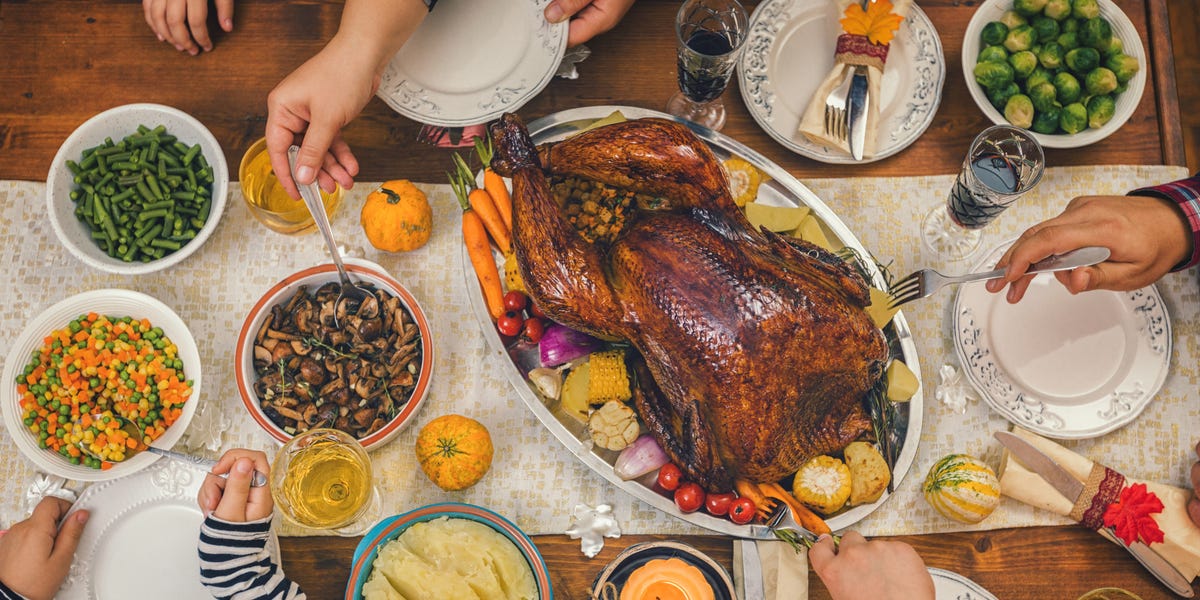
Thanksgiving has a funny little habit: every year, we swear we are going to “keep it simple,” and every year the table looks like a delicious food traffic jam. There is the turkey, the stuffing, the gravy, the potatoes, the sweet potatoes, the casserole, the rolls, the pie, and at least one dish that shows up because “Grandpa expects it,” even though nobody has willingly eaten it since 2009.
That is exactly why a fresh Thanksgiving dinner feels so good. Not weird. Not rebellious. Not a full-blown culinary identity crisis where somebody serves sushi next to the cranberry sauce and calls it innovation. Fresh, in this case, means keeping the soul of Thanksgiving while making the meal brighter, more balanced, more interesting, and frankly more fun to eat.
The good news is that you do not need to reinvent the holiday menu. A few smart changes can wake up the whole table. Think sharper flavors, better textures, prettier presentation, and a little less “everything is beige and delicious but also somehow sleepy.” Here are five realistic tweaks that make Thanksgiving dinner feel new again without starting a family group chat emergency.
Why Thanksgiving Can Start to Feel Heavy
Traditional Thanksgiving dishes are beloved for a reason. They are rich, comforting, nostalgic, and built for crowds. The only problem is that many classic menus lean in the same direction: soft textures, sweet-savory flavors, creamy casseroles, and deep roasted notes. By the time the pie arrives, your taste buds are waving a tiny white flag.
That is why the best modern Thanksgiving ideas do not throw out the classics. They create contrast. A crisp salad cuts through gravy. A brighter cranberry dish wakes up turkey. A vegetable side with acid, herbs, and crunch makes mashed potatoes taste even better. A dessert with a little edge keeps the ending from feeling predictable. In other words, freshness does not compete with comfort. It makes comfort shine.
1. Add One Bright, Crunchy Dish to Break Up the Richness
If your Thanksgiving table is a sea of gold, brown, cream, and casserole confidence, the fastest fix is one dish that looks and tastes alive. Think a shaved fennel and apple salad, a crunchy slaw with cranberries and toasted nuts, or green beans dressed with lemon and herbs instead of buried under a creamy blanket. This is not a punishment salad. This is a strategic flavor reset.
Why it works
Rich holiday food loves contrast. Acid, crunch, and fresh herbs keep the plate from feeling flat. A crisp side also gives guests something to reach for when they want another bite, but not necessarily another scoop of buttery starch. It makes the meal feel balanced rather than heavy.
Easy examples
A shaved Brussels sprouts salad with lemon, Parmesan, and walnuts is festive without trying too hard. A fennel-apple salad with cider vinaigrette brings brightness and perfume. Even a raw kale salad, if massaged and dressed well, can hold its own next to the turkey like a surprisingly confident supporting actor.
The trick is to avoid making the dish too delicate. Thanksgiving is not the day for three sad baby greens in a giant bowl. Use sturdy produce, assertive dressing, and texture from seeds, nuts, or crisp breadcrumbs. You want a side that can stand up to gravy in the room and still look like it believes in itself.
2. Upgrade the Turkey With Flavor and Smarter Technique, Not Drama
Turkey gets blamed for a lot, mostly by people who have been personally victimized by dry slices and bland seasoning. But turkey does not need a total makeover. It just needs competent handling. One of the freshest things you can do for Thanksgiving dinner is make the bird actually taste like someone cared.
What to tweak
Start with seasoning earlier than usual. A dry brine with salt and a few aromatics can improve flavor and help the skin brown beautifully. Rub softened butter under or over the skin with chopped herbs, citrus zest, garlic, or a little maple and black pepper if you want subtle sweetness. None of this is fussy. It just beats the old “salt it at noon and hope for the best” approach.
You can also rethink the cooking method without terrifying traditionalists. Spatchcocking speeds up roasting and encourages even cooking. Roasting turkey breast separately is a smart move for smaller gatherings. Smoking or grilling can add outdoor flavor without changing the spirit of the meal. Even if you keep the classic roast turkey, carve it neatly and present it with fresh herbs and citrus for a cleaner, brighter look.
The most important detail
Use a thermometer. Thanksgiving confidence should come from temperature, not vibes. The bird tastes fresher when it is juicy, and it stays juicy when you stop cooking it at the right moment instead of waiting until it resembles a polite holiday punishment.
Also, if you love stuffing, great. Just be smart about it. Dressing baked separately gets wonderfully crisp edges, and that alone may be reason enough to make the switch. It is easier, often tastier, and far less stressful for the cook.
3. Give the Classics a Texture Makeover
Here is a simple truth: many Thanksgiving dishes taste good but feel texturally similar. Soft turkey, soft stuffing, soft mashed potatoes, soft sweet potatoes, soft casserole, soft pie filling. By the third bite, the meal can start to blur together like a very tasty blanket.
One of the smartest Thanksgiving dinner tweaks is adding texture where it counts. Not chaos. Just contrast.
Where texture matters most
Top mashed potatoes with crisp shallots or chives instead of letting them sit there like beige fog. Add toasted pecans, pumpkin seeds, or brown-butter breadcrumbs to roasted vegetables. Use fried onions or panko on green bean casserole, but keep the beans snappy. Fold chunks of rustic bread into stuffing so you get crispy corners and tender centers. Add flaky salt at the end for a tiny pop that makes everything taste more intentional.
This idea works especially well with sweet potatoes. Instead of making them uniformly soft and sweet, add something toasty, spicy, or tangy. Pepitas, chile crisp, pecans, or a yogurt drizzle can turn a predictable side into one people actually talk about instead of merely respecting from a distance.
Fresh does not mean fussy
You do not need tweezers, edible flowers, or a culinary degree from a converted warehouse in Brooklyn. You just need to ask one question per dish: what would make this more lively? Usually the answer is something crisp, crunchy, or bright.
4. Introduce One Modern Flavor Twist, Then Stop Before It Becomes a TED Talk
This may be the most fun tweak of all. Take one classic Thanksgiving dish and give it a flavor angle that feels current. Not shocking. Not “fusion for the sake of Instagram.” Just enough to make people pause mid-bite and say, “Wait, what is in this?” in the good way.
Great places to experiment
Cranberry sauce is basically begging for a glow-up. Orange zest, ginger, rosemary, maple, pear, or even a little chile can wake it up beautifully. Brussels sprouts love miso, balsamic, hot honey, or sesame. Green beans can handle vinaigrette, almonds, preserved lemon, or Parmesan instead of relying entirely on creaminess. Stuffing can take sausage, fennel, apples, chestnuts, or fresh herbs without losing its Thanksgiving credentials.
Want to be slightly bolder? Use a global flavor note in one dish. A little sumac in roasted squash. Miso in gravy. Harissa in carrots. Brown butter with sage and a touch of citrus over sweet potatoes. These are the kinds of updates that feel smart, not showy.
One rule that saves the whole meal
Choose one or two flavor twists, not twelve. Thanksgiving should still taste like Thanksgiving. If every dish is reinvented, guests spend the meal trying to identify ingredients like they are competing on a cooking show. Keep the foundation classic and let one or two dishes carry the novelty.
5. Refresh Dessert or Presentation So the Meal Ends on a High Note
By dessert, people are full, sentimental, and pretending they only want “a sliver.” This is where a little freshness pays off. Pumpkin pie is iconic, yes, but it does not have to be lonely and predictable every single year.
Ways to keep dessert interesting
Try a galette instead of a formal pie for a more relaxed, rustic finish. Add espresso or brown butter to pecan pie for depth. Use gingersnap crust in a pumpkin dessert to sharpen the spice. Offer whipped cream with maple, bourbon, or vanilla bean. Or go with smaller-format sweets like tartlets, bars, or mini pies so guests can sample without needing to unbutton anything in public.
Freshness can also come from presentation. A dessert board with sliced pie, poached fruit, whipped cream, toasted nuts, and a simple sauce feels abundant without requiring a second oven and a small emotional breakdown. Even just garnishing pie with citrus zest, candied ginger, or sugared cranberries makes the whole ending feel more considered.
Do not forget the table itself
Sometimes the meal feels stale because the presentation does. Serve cranberry sauce in a pretty bowl instead of leaving it in the dish you cooled it in. Sprinkle fresh herbs over platters. Put bright vegetables on a white serving dish. Slice the turkey and fan it neatly. Thanksgiving dinner feels fresher when it looks like an occasion rather than a delicious kitchen evacuation.
How to Keep Thanksgiving Fresh Without Starting a Family Rebellion
The trick is balance. Keep the essentials that matter emotionally, then update around them. If your family would riot without classic stuffing, let the stuffing stay. Freshen the salad, vegetables, cranberry sauce, or dessert instead. If your guests adore traditional pumpkin pie, serve it proudly and add one extra dessert with a twist. If your aunt believes gravy should look exactly the way it did in 1997, this is not the year to serve foam.
A good rule is this: keep 70 to 80 percent of the menu familiar, and let the remaining 20 to 30 percent carry the freshness. That way, the meal still feels nostalgic and comforting, but nobody leaves saying, “Well, that was exactly the same beige parade as last year.”
Another smart move is make-ahead planning. Thanksgiving feels fresher when the cook is not sweating through dinner. Prep cranberry sauce ahead. Wash greens early. Toast nuts the day before. Mix dressings, compound butters, and crunchy toppings in advance. A calm host makes the whole meal feel lighter, and that might be the most underrated Thanksgiving upgrade of all.
Experience: What These Tweaks Feel Like at the Table
The first time I saw a truly refreshed Thanksgiving dinner, it did not look revolutionary. There was still a turkey in the center. There were still mashed potatoes, stuffing, cranberry sauce, and pie waiting for their annual standing ovation. Nobody had replaced the holiday with a minimalist tasting menu. But within five minutes of sitting down, the whole meal felt different.
What changed was not the identity of the dinner. It was the rhythm of it. There was a crisp shaved salad with apple, fennel, and a bright cider dressing that kept showing up on everyone’s plate like an overachiever. The green beans were cooked until tender but still lively, then tossed with lemon and toasted almonds instead of disappearing into a dense casserole situation. The sweet potatoes had a little heat and crunch on top, which made them taste less like dessert wearing a side-dish costume. Suddenly every bite had contrast.
The turkey was better too, and not because anyone performed culinary wizardry under a dramatic soundtrack. It had simply been seasoned well in advance, cooked carefully, and rested like it had boundaries. That one change affected the whole tone of the meal. Instead of politely drowning slices in gravy, people actually commented on the flavor of the bird. That almost never happens. Normally turkey is the Thanksgiving relative everyone respects but nobody texts back.
The biggest surprise, though, was how these small tweaks changed the energy in the room. A fresh meal feels more conversational. People get curious. They compare notes. They ask what is in the cranberry sauce. They go back for more salad without feeling like they are making a symbolic health statement. They keep eating because the meal has momentum. It stops feeling like a heavy march toward pie and starts feeling like a series of satisfying little discoveries.
I have also seen the opposite: a table where every dish was technically correct but collectively exhausting. Everything was soft, rich, sweet, creamy, and brown. It tasted good, but after ten minutes the meal felt like wearing three winter coats indoors. Nobody was unhappy, but nobody was exactly energized either. The leftovers were almost identical in texture, and by Friday the fridge looked like a monument to starch.
That is why these five Thanksgiving dinner tweaks matter so much in real life. They do not exist to impress food snobs or give you material for social media captions. They make the meal easier to enjoy. They help guests keep their appetites longer. They let traditional dishes taste more like themselves, because there is enough brightness and variety around them to create balance.
And perhaps best of all, they create the kind of holiday memory people actually describe later. Not “there was food, and then we were full,” but “remember that crunchy salad with the apples?” or “that cranberry sauce with orange was incredible,” or “I did not know green beans could taste that alive in November.” Freshness gives Thanksgiving specificity. It gives the dinner personality.
So if you are planning this year’s menu, do not panic and do not overcorrect. You do not need to cancel tradition. You just need to give it a little oxygen. One brighter salad, one smarter turkey, one better texture, one updated flavor twist, and one more interesting dessert can change the whole experience. Thanksgiving will still feel like home. It will just feel like home opened a window, lit a candle, and put on a very flattering sweater.
Conclusion
Refreshing Thanksgiving dinner is not about rejecting tradition. It is about editing it with confidence. Keep the dishes people love, then sharpen the meal with crunch, acid, texture, color, and one or two modern flavor ideas. The result is a holiday table that feels familiar but not sleepy, comforting but not weighed down, and festive without trying too hard. In other words: still Thanksgiving, just with better timing, brighter flavors, and a little more swagger.