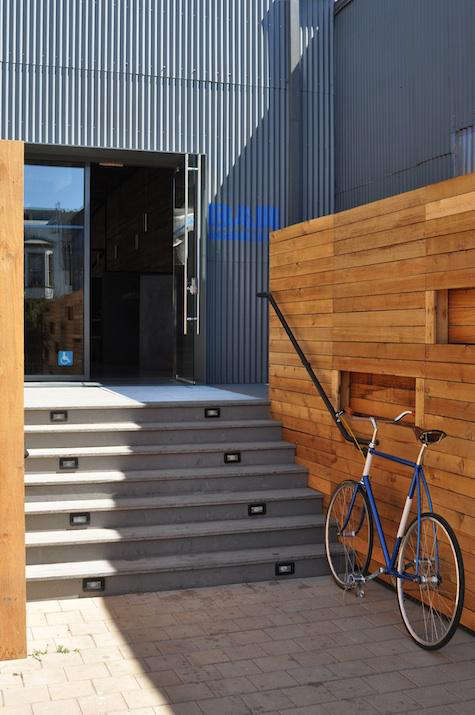
San Francisco has a talent for turning a “quick drink” into a three-act play: one part craftsmanship, one part vibes, and one part you suddenly debating whether lime zest counts as a personality trait. Bar Agricole was one of the city’s best examples of that magica place that didn’t just serve cocktails, it gave them a mission statement, a materials manifesto, and (at times) a very elegant room to brood in.
Before we get cozy: Bar Agricole’s story includes multiple moves and, ultimately, a closure of its last brick-and-mortar iteration. So this is less a “go right now, seat me by the window” guide and more a “here’s what made it iconic, what a visit felt like, and how to chase that spirit in San Francisco today” kind of trip.
Why Bar Agricole Mattered (Even to People Who Pretend They Don’t Like Cocktails)
Bar Agricole built its reputation on an idea that sounds simple until you taste it: treat cocktails like seasonal cuisine. That meant focusing on ingredients at their peak, building drinks that were structured and balanced, and putting a spotlight on spirits with traceable origins. In a city with plenty of “cool bars,” Bar Agricole became a reference pointthe place people named when they wanted to explain what “serious” cocktail culture looked like without sounding like they carry a jigger in their pocket.
It also earned national recognition, including winning a major award for its bar programvalidation for something locals already suspected: this wasn’t just a good place to drink, it was a standard-setter.
Setting the Scene: Industrial Warmth, Sustainable Swagger
The original Bar Agricole space in SoMa leaned into a refined, urban-tavern mood: industrial bones softened by craft and restraint. Think steel and concrete, warmed by wood and careful lighting. The design wasn’t “green” in the performative, slap-a-succulent-on-it way. Sustainability was baked into the conceptmaterials, construction choices, and the sense that the room itself was trying to be as thoughtfully sourced as the drinks.
That matters because a bar’s environment subtly trains your palate. In a room that feels deliberate, you’re primed to notice details: the way citrus aromatics show up before sweetness, the way a stirred drink can feel “quiet,” the way good ice turns time into an ingredient instead of an enemy.
Design that acts like a co-host
- Adaptive, warehouse-rooted DNA: the space had that classic SoMa “repurposed industrial” backbone.
- Natural materials with backbone: wood, concrete, steelnothing fussy, everything intentional.
- Light used like seasoning: enough glow to flatter your drink, not so much you can see your life choices.
The Bar Program: “Farm-to-Glass” Before It Became a Slogan
If you remember Bar Agricole for one thing, it’s the drinks: ingredient-driven cocktails and a deep fixation on spirits provenance. “Single-origin” wasn’t just a buzzword; it was a way of organizing a menu, training a staff, and nudging guests into a more curious way of drinking. Instead of “vodka cranberry,” the conversation became: Where is this spirit from? What’s it made of? What does it taste like when it isn’t buried under neon sweetness?
Single-origin spirits, explained like you’re not trying to study for a final
Think of it the way you’d think about coffee or chocolate. The point isn’t that one origin is “better.” The point is that origin changes character. When a bar is committed to that idea, cocktails stop being interchangeable and start being specific. The martini isn’t a template; it’s a lens.
Ice, dilution, and the quiet flex of restraint
Great cocktail bars treat dilution like cooking temperaturesomething you control, not something that “just happens.” Bar Agricole leaned into that discipline. Big ice, careful stirring, and a sense that a drink should evolve in the glass rather than collapse into watery regret.
A truly good cocktail isn’t loud. It’s persuasive. It convinces you to slow down without asking permission.
The Food: Not an Afterthought, More Like the Opening Act
Bar Agricole’s identity was drink-forward, but the food matteredsometimes quietly, sometimes dramatically. Over the years, the kitchen evolved through different eras and chefs. Early on, it made a strong impression as a place where a cocktail bar could still take dinner seriously. Later, the food often shifted toward supportive plates that paired well with the drinks: things you could share, nibble, and use to keep your evening upright.
What you’d typically expect on a “good night”
- Snackable plates that played well with acidity and botanicals
- Seasonal vegetables treated with respect (not just roasted into submission)
- Proteins done simply so the drinks could still be the headline
In its later incarnation(s), the concept leaned into the idea of a “tasting room” style experience: a focused drinks program with food that complemented rather than competed.
What a Visit Felt Like
A Bar Agricole visitat its bestfelt like stepping into a room where people cared, but in a calm way. Not “we will lecture you about vermouth” care. More like: we’ve already argued about the best citrus for this drink so you don’t have to.
The rhythm of the room
You’d see dates leaning in like they were sharing state secrets (“I think it’s biodynamic.”), solo guests happily reading menus like short fiction, and bartenders moving with the measured economy of people who know time is a real ingredient.
How to order without accidentally becoming “that guest”
- Start classic, then riff. Ask for something in the family of a martini, daisy, sour, or old fashioned.
- Give one preference and one boundary. Example: “Bright and citrusy, but not too sweet.”
- Ask what’s seasonal. If the bar is built around ingredients, let the season drive the decision.
The Plot Twist: Moves, Reinventions, and the Reality of SF Hospitality
Bar Agricole’s timeline reads like the biography of a beloved band that kept changing venues, changing lineups, and still dropping the occasional perfect album. The original SoMa era established the legend. The pandemic era brought pauses. Later reopenings introduced new spaces and formatsfrom expansive layouts to a more compact “just a bar” visionbefore the brick-and-mortar story ultimately came to an end.
A quick, human version of the timeline
- SoMa origins: the foundational era that built the reputation and the cult following.
- Relocation plans + pandemic disruption: the long pause and rethink that hit much of the industry.
- 2022 return: a new Mission Street home with an ambitious setup (bar, tasting room, and spirits HQ energy).
- 2024 downsizing: a move toward a smaller footprint aimed at recapturing “pure bar” focus.
- Final closure: the last chapter for the brick-and-mortar version of Bar Agricole.
There’s an important lesson here that goes beyond one bar: San Francisco hospitality has been reshaped by shifting neighborhoods, post-pandemic dining habits, and the brutal math of rent + labor + expectations. Bar Agricole’s evolution is part personal (a founder chasing the most honest version of the concept) and part structural (a city that keeps changing the rules mid-game).
If You Never Made It: How to Experience “Bar Agricole Energy” Anyway
Even if you missed the original roomor arrived during the later iterationsBar Agricole’s influence is still useful as a compass for drinking well in San Francisco. Here’s what to look for when you’re trying to find something in the same philosophical neighborhood:
What to seek out
- Bars that name the spirit, not just the brand. Origin-focused lists usually signal real intent.
- Menus that change with seasons. Not “rotating specials,” but true ingredient-driven shifts.
- Ice programs and balance obsession. If they talk about dilution like it matters, you’re in the right place.
- Staff who ask questions. Not to judge youbecause precision requires context.
A home experiment (no lab coat required)
Want a tiny taste of the ethos? Make a minimalist daisy at home: spirit, citrus, a little sweetener. Then do the “single change” testswap only the base spirit for something from a different region or producer. You’ll feel the point of single-origin in your mouth faster than you can say “terroir” without sounding like you’re auditioning for a sommelier sitcom.
FAQ: Bar Agricole, Answered Like a Friend Who Reads Too Much
Was Bar Agricole a restaurant or a bar?
Both, depending on the era. The identity leaned bar-firstespecially in later versionsbut food mattered, and the experience often sat in that “cocktails as the center of dinner” sweet spot.
What made its cocktails different?
A deeply ingredient-driven approach, an emphasis on spirits provenance (single-origin), and a style that prized structure and balance over novelty for novelty’s sake.
Is it open right now?
The brick-and-mortar Bar Agricole ultimately closed. If you’re researching for a trip, double-check current status and look for any pop-ups or collaborations under the Bar Agricole banner.
Conclusion: A Bar That Taught SF How to Taste (Again and Again)
Bar Agricole’s legacy isn’t just a list of great drinks. It’s the way it trained peopleguests and industry aliketo pay attention. To notice where spirits come from, to treat citrus like it matters, and to respect the quiet engineering behind a truly excellent cocktail.
If you were lucky enough to experience it in person, you probably remember a drink that felt “complete” in a way that’s hard to explain. If you didn’t, the good news is this: the ideas it championed still work. Find a bar that cares about origin, season, and balance, and you’ll be closer to Bar Agricole than you think.
Bonus: of Bar Agricole-Style Experiences (For Your Inner Nightlife Anthropologist)
Let’s say you’re in San Francisco with a mission: you want the kind of night Bar Agricole represented intentional, delicious, slightly nerdy, and somehow still fun. Here’s how to build that experience without turning it into a spreadsheet (unless you’re into that, in which case… respect).
Start by choosing one neighborhood and committing. Bar Agricole’s story bounced between SoMa and the Mission, and both areas reward a walk-first plan. In SoMa, the streets can feel like they were designed by someone who wanted you to get your steps in while contemplating modernism. In the Mission, the energy is more conversationalmurals, corner taquerias, and the feeling that a “quick stop” will become an hour because someone played a song you love.
Build your evening like a cocktail: structure first, then flourish. Start with something low-proof and brightthink aperitif vibesso your palate wakes up instead of face-planting. If you find a bar that offers a tight list of classics, do the Bar Agricole move: order a classic you trust (martini, daisy, old fashioned), then ask for a version that highlights a specific spirit or producer. You’re not trying to be fancy; you’re giving the bartender a clean starting point. It’s the difference between “Surprise me” (stressful) and “I like bright, spirit-forward drinkswhat’s singing tonight?” (fun).
Next, take a moment for food that supports. Not a full marathon mealjust something with salt, fat, crunch, or smoke. Bar Agricole’s best nights understood that food isn’t a detour; it’s part of the design. A small plate at the right time keeps the second drink tasting like a decision, not an accident. If your bar has snacks meant for sharing, treat that like a feature, not filler. Order the thing that sounds simplest and watch how “simple” becomes “precise.”
Then go deeper. This is where you chase the feeling Bar Agricole delivered: a drink that changes as the ice melts, a spirit that tastes like a place, a menu that feels edited rather than crowded. If you see notes about single-origin spirits, seasonal fruit, or house-made components, that’s your cue to lean in. Ask one question you genuinely care about“What’s the base spirit here?” or “What’s the seasonal ingredient you’re excited about?” You’ll learn more from one good question than from pretending you already know what “agricole” means. (For the record: it’s not a tractor, and yes, it can taste beautifully grassy in the best way.)
Finally, close the night with a soft landing. Bar Agricole’s influence was never about chaos; it was about craft. End with something either clean and spirit-forward or gently bitterwhatever makes you feel like the night has a last sentence, not a cliffhanger. Walk a few blocks if you can. San Francisco is a city that rewards the space between places. The fog cools your face, your drink settles in your memory, and you realize the best bars don’t just give you a cocktail. They teach you how to pay attention.