Some people look at a fallen branch and see firewood. Woodworkers look at it and think, “That could be a coffee table, a lamp, a wall sculpture, a chessboard, and possibly a small emotional support canoe.” That is the magic behind the “Woodworking Ideas” Facebook Group: it turns ordinary timber into a daily parade of imagination, patience, sawdust, and the occasional project that makes the rest of us quietly hide our wobbly bookshelf.
The online woodworking world has become a giant digital workshop where beginners, hobbyists, furniture makers, carpenters, turners, carvers, and DIY dreamers trade ideas. A single photo can spark thousands of saves because a great wooden project does more than look beautiful. It solves a problem, shows off technique, honors the grain, and reminds us that handmade things still matter in a world full of flat-pack furniture and mystery Allen keys.
This article explores why these 50 awesome woodworking ideas resonate so strongly, what they reveal about modern craft culture, and how anyonefrom garage-shop beginner to seasoned makercan use them for inspiration without immediately buying twelve new tools. Although, let’s be honest, buying tools is half the hobby’s cardio.
Why Woodworking Ideas Go Viral Online
Woodworking has a rare advantage on social media: it is visual, practical, and emotionally satisfying. A finished project can be understood in one glance. A live-edge dining table, a carved door, or a tiny handmade jewelry box does not need a long explanation. It simply says, “Someone cared enough to make this properly.”
Online groups like “Woodworking Ideas” are popular because they offer three things at once: inspiration, education, and community. Viewers admire the final result, makers ask how it was done, and experienced woodworkers gentlyor not so gentlydebate whether the joinery will survive summer humidity. It is like a museum, a classroom, and a family argument at Thanksgiving, all with better clamps.
50 Awesome Woodworking Ideas Worth Admiring
The best woodworking projects usually fall into a few exciting categories: furniture, storage, decor, outdoor builds, kitchen pieces, carved art, and clever problem-solving designs. Below are 50 types of wooden works that regularly earn attention in woodworking communities because they combine creativity with craftsmanship.
1. Live-Edge Dining Tables
Live-edge tables celebrate the natural outline of the tree. Instead of hiding knots, curves, and cracks, the maker turns them into the star of the room. Add strong legs and a smooth finish, and suddenly dinner feels slightly more majestic.
2. Epoxy River Tables
These tables mix wood slabs with colored resin to create the illusion of water flowing between boards. Done well, they look like functional art. Done poorly, they look like a countertop lost a fight with blue candy. Precision matters.
3. Floating Shelves
Simple, modern, and practical, floating shelves are a favorite beginner-to-intermediate project. They teach accurate measuring, clean edges, and strong wall mountingthe holy trinity of not having your plants crash onto the floor.
4. Hand-Carved Doors
A carved wooden door can transform an entryway into a statement. Floral patterns, wildlife scenes, geometric panels, and rustic textures all show how wood can become architecture with personality.
5. Wooden Rocking Chairs
Few projects test comfort, balance, and craftsmanship like a rocking chair. The curves must feel natural, the joints must be strong, and the final piece should invite someone to sit down without silently questioning their life choices.
6. Sculptural Coffee Tables
Modern woodworkers often turn coffee tables into conversation pieces with twisted bases, asymmetrical tops, hidden drawers, or glass inserts. These projects prove furniture can be useful and dramatic at the same time.
7. Secret Compartment Boxes
Wooden puzzle boxes and hidden-compartment keepsakes are always crowd-pleasers. They mix woodworking with mystery, which is ideal for anyone who wants to store jewelry, letters, or emergency chocolate.
8. End-Grain Cutting Boards
End-grain cutting boards are beautiful, durable, and excellent for showing off contrasting wood species. They require careful glue-ups, sanding, and food-safe maintenance, making them a practical skill-builder.
9. Wooden Wall Art
Geometric wall panels, mountain silhouettes, layered landscapes, and reclaimed-wood mosaics are popular because they use small pieces creatively. Even scraps get a second life, which is wonderful news for the “I might need this someday” pile.
10. Custom Desks
A handmade desk can be built for exact needs: cable management, drawers, monitor height, keyboard trays, or a giant surface for pretending one will finally organize paperwork.
11. Wooden Lamps
Wooden lamps combine craft with lighting design. Bentwood shades, turned bases, LED strips, and branch-style structures create warm, natural accents for modern interiors.
12. Built-In Bookshelves
Built-ins are woodworking royalty. They make a room feel finished, increase storage, and allow homeowners to display books, plants, pottery, and the one decorative object nobody remembers buying.
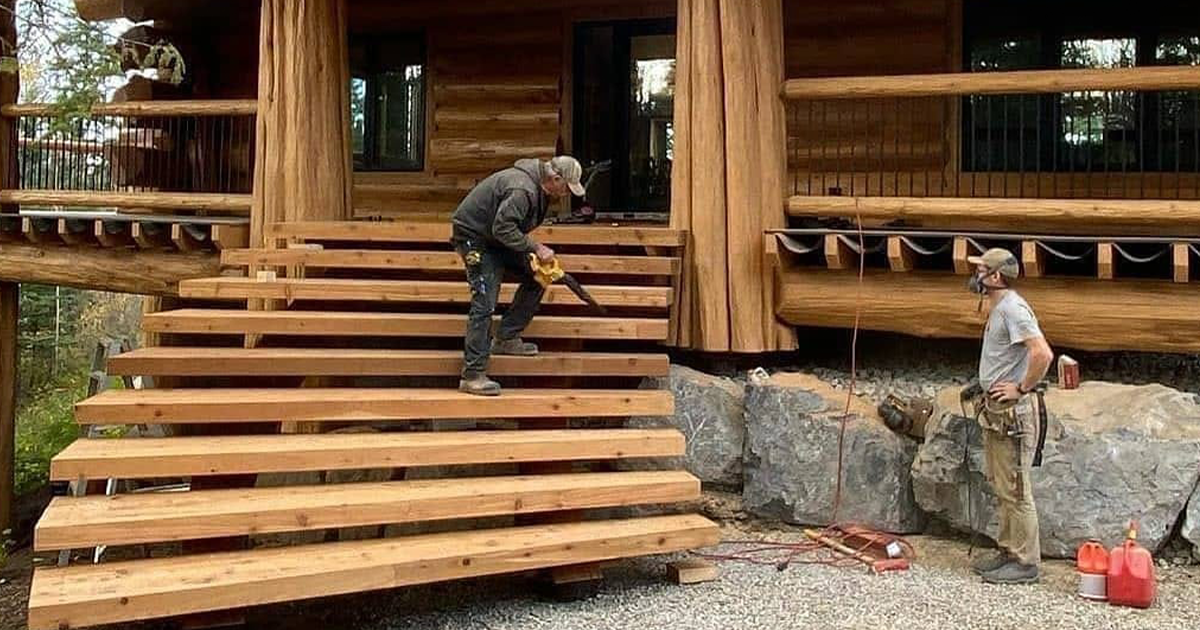
13. Wooden Staircases
Curved, floating, or spiral wooden staircases often become the centerpiece of a home. They require serious planning, structural understanding, and craftsmanship that deserves applause from both designers and building inspectors.
14. Garden Benches
Outdoor benches are popular because they combine function with charm. Cedar, teak, cypress, and properly finished hardwoods can create seating that survives weather while making the garden feel intentional.
15. Pergolas And Arbors
Large outdoor wood projects like pergolas create shade, structure, and visual drama. Add climbing plants, and the backyard suddenly looks like it has a subscription to a lifestyle magazine.
16. Wooden Planter Boxes
Planter boxes are approachable, useful, and easy to customize. Raised versions are especially practical for patios, balconies, and gardeners who prefer their tomatoes at waist height.
17. Birdhouses And Feeders
Small projects can still be delightful. Birdhouses teach layout, cutting, assembly, and finishing, while also attracting tiny tenants who never pay rent but do provide entertainment.
18. Wine Racks
Wooden wine racks range from rustic countertop holders to full cellar installations. The best ones balance storage, stability, and style without making the bottles look like they are waiting in a lumberyard.
19. Wooden Toy Cars
Handmade wooden toys feel timeless. Cars, trains, blocks, animals, and puzzles are great projects because they require smooth edges, safe finishes, and thoughtful proportions.
20. Chessboards
A chessboard is a classic test of accuracy. Contrasting squares, flat glue-ups, crisp borders, and a polished finish make the final result look elegant even before anyone loses their queen in six moves.
21. Turned Bowls
Woodturning creates mesmerizing results from rough blanks. Bowls reveal grain patterns, figure, color, and natural movement in a way few flat projects can match.
22. Wooden Spoons
Spoon carving is humble but deeply satisfying. It connects the maker directly to the material, requiring sharp tools, patience, and a willingness to sand longer than expected.
23. Jewelry Boxes
Small boxes reward precision. Thin stock, hinges, dividers, lids, liners, and decorative details all matter. One tiny gap can feel enormous, which is why box making builds discipline fast.
24. Cabinetry
Cabinets are where woodworking meets daily life. Kitchens, bathrooms, workshops, and laundry rooms all benefit from custom storage that fits the space instead of bullying it.
25. Entryway Organizers
Hooks, cubbies, shoe benches, mail slots, and key trays turn chaos into order. A good entryway organizer gently says, “Please stop dropping everything on the nearest chair.”
26. Wooden Headboards
From rustic planks to upholstered frames with wood trim, headboards can transform a bedroom. Reclaimed wood is especially popular for adding texture and warmth.
27. Sliding Barn Doors
Barn doors are practical, space-saving, and visually bold. The trick is building them flat, strong, and stable so they glide smoothly instead of wobbling like a dramatic stage entrance.
28. Mantels
A wooden mantel adds character to a fireplace. Chunky beams, refined profiles, and stained hardwood versions all create a focal point for seasonal decor and family photos.
29. Wooden Mirrors
A mirror frame is a great place to experiment with texture, joinery, and finish. Live-edge frames, carved patterns, and mitered hardwood designs can make a basic mirror feel custom.
30. Tool Cabinets
Woodworkers love building storage for tools almost as much as using the tools. A custom tool cabinet is part organization system, part shrine, and part public declaration that clamps deserve respect.
31. Folding Tables
Folding furniture requires smart hardware and careful geometry. When done well, it saves space without sacrificing style.
32. Wooden Clocks
Wooden clocks combine decorative design with mechanical function. Gear-style clocks, minimalist wall clocks, and carved rustic versions all show how wood can mark time beautifully.
33. Pet Beds
Custom pet beds are a charming niche. Elevated frames, built-in storage, and washable cushions make them useful, while the pet immediately proves ownership by sleeping in the cardboard box instead.
34. Record Player Consoles
Mid-century-inspired audio cabinets are popular because they blend nostalgia with modern storage. They need ventilation, wire access, and proportions that feel balanced.
35. Wooden Bathtubs
Rare, ambitious, and jaw-dropping, wooden tubs require waterproof construction, careful species selection, and expert sealing. They are not beginner projects, but they are unforgettable.
36. Canoes And Kayaks
Strip-built boats are among the most impressive woodworking projects online. Thin strips, smooth curves, fiberglass, and patient finishing create vessels that are both functional and gallery-worthy.
37. Guitar Bodies
Instrument making adds sound to the woodworking equation. Electric guitar bodies, acoustic tops, neck shaping, and fretwork require accuracy and a sensitive understanding of wood behavior.
38. Marquetry Panels
Marquetry uses thin veneers to create images and patterns. It is detailed, delicate, and perfect for makers who enjoy working at the scale where sneezing becomes a shop hazard.
39. Intarsia Art
Intarsia creates pictures from shaped pieces of different woods. The natural colors of walnut, maple, cherry, padauk, and purpleheart can form animals, landscapes, portraits, and abstract designs.
40. Wooden Room Dividers
Slatted dividers, carved screens, and folding panels define space without closing it off. They are especially useful in open-plan homes and small apartments.
41. Computer Monitor Stands
Small desk accessories are excellent beginner projects. A monitor stand improves ergonomics, adds storage, and makes a workspace feel less like a cable swamp.
42. Wooden Phone Stands
Phone stands are quick, giftable, and useful. They are also a sneaky way to practice angles, grooves, sanding, and finishing.
43. Wooden Signs
Carved, routed, painted, or burned wooden signs remain popular for homes, cabins, shops, and weddings. Typography matters, because nobody wants a rustic sign that accidentally looks like a ransom note.
44. Outdoor Swings
Porch swings and garden swings are beloved because they invite relaxation. Strong joinery, weather-resistant finish, and safe hanging hardware are essential.
45. Wooden Cradles
A handmade cradle is sentimental and technically demanding. Smoothness, stability, safe spacing, and non-toxic finishes matter more than decorative flair.
46. Bathroom Vanities
Wooden vanities add warmth to bathrooms, but they must handle moisture. Smart finishing, sealed edges, and thoughtful design help prevent swelling and damage.
47. Storage Chests
Blanket chests, hope chests, and toy chests offer generous storage and classic charm. Soft-close hardware is wise, especially when little fingers are involved.
48. Wooden Kitchen Islands
A custom island can include drawers, shelves, seating, and butcher-block surfaces. It becomes the kitchen’s command center, snack zone, and unofficial family meeting table.
49. Reclaimed Wood Projects
Reclaimed wood adds history and texture. Old barn boards, pallets, flooring, and beams can become furniture or decor, though nails, grit, and hidden defects must be handled carefully.
50. Sculptural Wood Carvings
From animals to abstract forms, sculptural carving proves that wood is not just a building material. It is a medium for expression, emotion, and occasionally a very fancy duck.
What Makes These Woodworking Projects So Impressive?
The projects that rise to the top of woodworking communities usually share four qualities: originality, clean execution, useful design, and respect for the material. A table can be large and expensive without being impressive. A small spoon can be unforgettable if the shape feels right, the grain flows beautifully, and the maker clearly understood every cut.
Great woodworking also depends on restraint. Beginners often want to add every feature at once: epoxy, carving, live edge, metal legs, secret drawers, LED lights, and maybe Bluetooth for reasons nobody can explain. Experienced makers know when to stop. The best wooden works let the grain breathe.
Wood Movement: The Invisible Boss Of Every Project
Wood is not frozen in time after it becomes lumber. It responds to moisture by expanding and contracting, especially across the grain. This is why wide tabletops need room to move, frame-and-panel doors exist, and certain “looks great on Instagram” builds may crack when the seasons change.
Smart woodworking design allows movement instead of fighting it. Tabletop fasteners, elongated screw holes, floating panels, breadboard ends, and proper grain orientation all help a project survive real homes, real weather, and real people who put hot coffee mugs wherever they please.
Joinery: Where Beauty Meets Strength
Joinery is the hidden language of woodworking. Butt joints, dados, rabbets, mortise-and-tenon joints, dovetails, box joints, dowels, biscuits, pocket holes, and splines all have their place. The right joint depends on the project’s purpose, the tools available, and the maker’s skill level.
A beginner shelf may work perfectly with screws and plugs. A fine drawer might deserve half-blind dovetails. A chair needs joints that handle racking forces and human confidence. After all, no one wants to discover weak joinery while sitting down with a bowl of soup.
Safety Is Part Of Craftsmanship
Beautiful woodworking begins before the finish goes on. It begins with safe habits: sharp tools, proper guards, dust collection, hearing protection, eye protection, push sticks, stable workholding, and patience. Rushing a cut is one of the fastest ways to turn a creative hobby into a medical appointment.
Wood dust is another serious consideration. Sanding, sawing, routing, and shaping can send fine particles into the air. Good ventilation, dust extraction, masks or respirators when needed, and regular cleanup are not glamorous, but neither is coughing into a pile of walnut shavings.
Finishing: The Moment Wood Starts Showing Off
A finish can make or break a project. Oil finishes bring out warmth and depth. Polyurethane adds durability for high-use surfaces. Shellac creates a classic glow and works well as a sealer. Wax gives a soft feel but limited protection. Outdoor projects need finishes that can handle sunlight and moisture.
For cutting boards and utensils, makers usually choose food-safe mineral oil, beeswax blends, or other finishes appropriate for direct food contact after proper curing. The goal is simple: protect the wood, keep the surface usable, and avoid turning breakfast prep into a chemistry experiment.
How Beginners Can Use These 50 Ideas Without Getting Overwhelmed
The smart way to approach a gallery of amazing woodworking projects is not to say, “I will build that curved staircase this weekend.” The smart approach is to study details. Look at how the maker handled edges, curves, joinery, grain direction, proportions, and finish. Then scale the lesson down.
If you admire a sculptural dining table, try a small live-edge shelf. If you love a carved door, start with a carved wall panel. If a boat build makes your heart race, begin with a laminated tray and learn how thin strips bend and glue together. Every masterpiece is a stack of smaller skills wearing a nicer outfit.
Experience Section: Lessons From The Sawdust Side Of The Internet
Spending time with woodworking ideas online feels a little like walking through the world’s friendliest hardware store. Someone is always showing off a clever jig, a restored plane, a table made from a tree they “just had lying around,” or a cabinet so precise it makes your tape measure feel underqualified. The best part is that inspiration arrives without permission. You may open a group just to browse for five minutes and emerge an hour later convinced you need to build a walnut record console, despite owning zero records and living in an apartment where the “shop” is technically a balcony.
One experience that stands out is how often simple projects create the strongest reaction. A perfectly made cutting board can receive as much admiration as an elaborate cabinet because viewers understand the challenge. The lines are clean, the glue-up is tight, the surface is silky, and the finish makes the wood glow without looking plastic. It proves that craftsmanship is not measured only by size. Sometimes it is measured by whether a person took the time to ease an edge properly.
Another lesson is that woodworking communities reward honesty. Makers often share mistakes: a board cupped overnight, a stain turned blotchy, a miter opened after assembly, or a router bit decided to express itself artistically. These posts are valuable because they show the real process behind the polished photos. Every excellent woodworker has made firewood with extra steps. The difference is that experienced makers learn from the mistake, adjust the setup, and try again.
There is also a special joy in watching people repurpose forgotten wood. Old fence boards become accent walls. Barn beams become mantels. Pallets become garden furniture. Scraps become toys, coasters, picture frames, and wall art. This is where woodworking feels almost poetic. The material already has a story; the maker simply gives it a better next chapter.
The funniest part of the woodworking experience is how quickly “just one project” becomes a lifestyle. First, you buy a drill. Then a circular saw. Then clamps, because apparently there are never enough clamps. Then a sander, a better sander, a shop vacuum, a router, a workbench, and a mysterious drawer full of screws that are almost but never exactly the right size. Yet the addiction is understandable. Woodworking turns effort into something tangible. At the end of a long day, you can point to a shelf, bench, box, or table and say, “I made that.” In a digital world where so much work disappears into screens, that feeling is powerful.
The “Woodworking Ideas” Facebook Group and similar communities keep that feeling alive. They remind us that craft is not only about perfection. It is about curiosity, patience, problem-solving, and the delightful possibility that a rough board can become something beautiful. The best projects do not merely show what wood can do. They show what people can do when they slow down, measure twice, cut once, and occasionally pretend they meant to do that.
Conclusion
The 50 works of wood that earn attention in the “Woodworking Ideas” Facebook Group are more than pretty pictures. They are proof that woodworking remains one of the most satisfying creative hobbies around. It blends design, engineering, patience, problem-solving, and a deep respect for natural material. From live-edge tables and carved doors to tiny spoon projects and elaborate outdoor builds, wood continues to invite makers to shape something useful, personal, and lasting.
Whether you are a beginner with a borrowed saw or an experienced craftsperson with a shop full of beautifully organized tools, the lesson is the same: start with one idea, learn the technique behind it, and build from there. The internet may supply the inspiration, but the real magic happens when wood meets hands, tools, and time.
Note: This article is original editorial content created for web publication. It synthesizes real woodworking community trends, practical shop knowledge, safety principles, material behavior, finishing guidance, and common project examples without copying individual posts or source text.