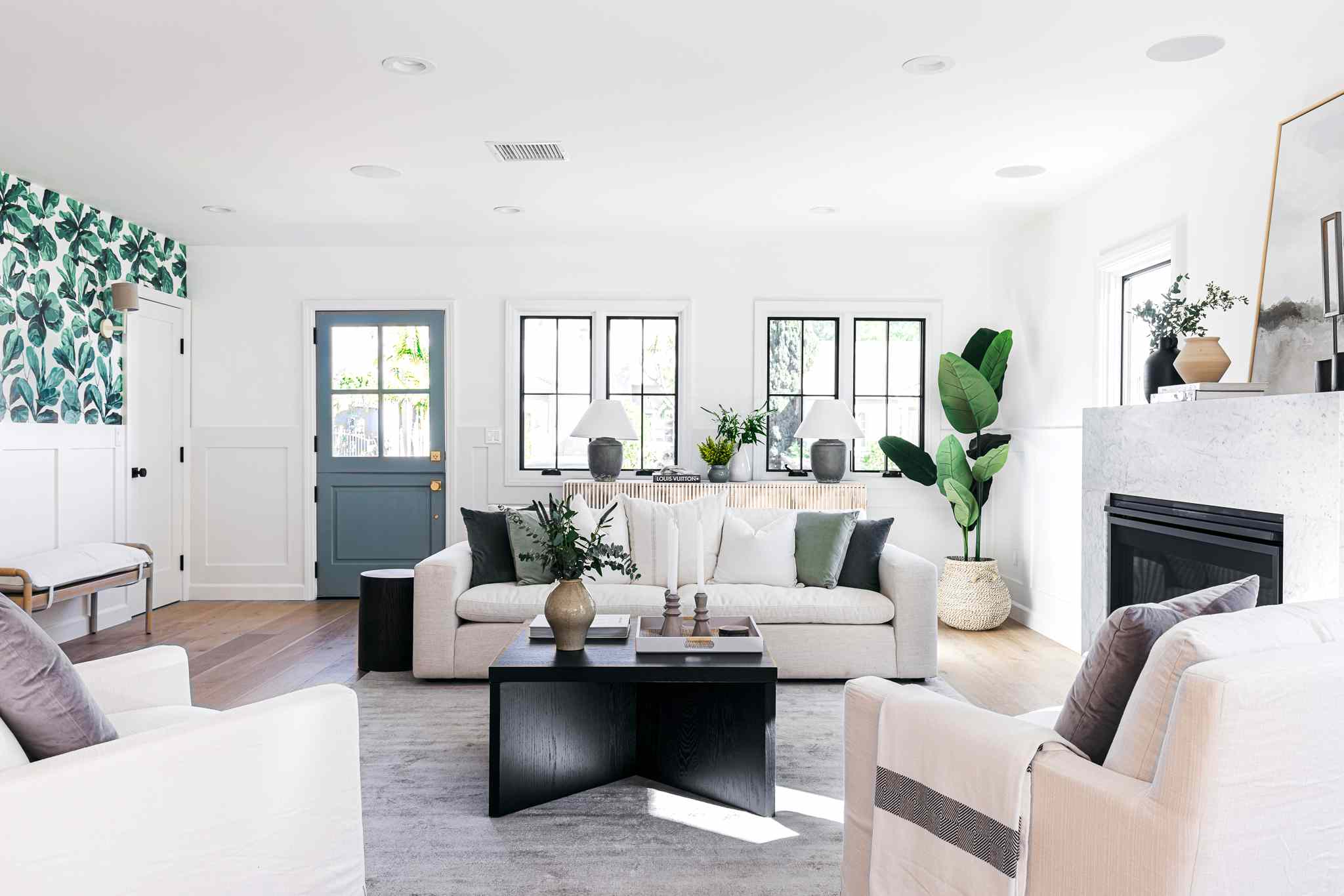
Your living room has a lot of jobs. It hosts movie nights, surprise guests, afternoon naps, scrolling sessions, holiday chaos, and the occasional dramatic stare out the window. In other words, it deserves more than a random sofa, a coffee table you regret, and one lonely lamp trying its best. Designing a dream living room is not about chasing perfection. It is about creating a space that feels good, functions beautifully, and still looks like you live there on purpose.
The best living room ideas usually blend comfort, personality, layout, and a little restraint. You want the room to feel layered, but not crowded. Stylish, but not so precious that nobody can sit down with pizza. Whether your taste leans modern, classic, cozy, minimalist, eclectic, or somewhere between “quiet luxury” and “my dog picked this palette,” these ideas will help you shape a space that actually works for real life.
Layout and Flow Ideas That Make the Room Work Harder
- Start with the room’s purpose. Before picking paint or pillows, decide how you actually use the room. Is it for conversation, TV, reading, gaming, entertaining, or all of the above?
- Measure everything first. Dream spaces begin with boring numbers. Measure walls, windows, door swings, and furniture so your future sectional does not arrive like an overconfident elephant.
- Create a clear focal point. A fireplace, picture window, large artwork, or media wall gives the room a visual anchor. Once that is set, arranging the rest becomes much easier.
- Float furniture when possible. Pulling seating away from the walls can make a room feel more intentional and inviting. It often improves conversation, too.
- Protect the traffic flow. People should be able to move through the room without performing furniture parkour. Keep pathways open and obvious.
- Build a conversation zone. Seat people close enough to chat without shouting across a decorative desert. A sofa with two chairs often hits the sweet spot.
- Use a rug to define the layout. An area rug acts like punctuation for the room. It visually gathers furniture and makes the space feel finished.
- Zone an open-concept space. In larger rooms, create mini destinations: a lounge area, a reading corner, maybe a game table. The room will feel richer and more organized.
- Let symmetry do some heavy lifting. Matching chairs, balanced lamps, or paired shelves can calm a busy room and make it feel polished without trying too hard.
- Break symmetry when the room needs energy. If the space feels stiff, offset the layout with mixed seating, a sculptural table, or unexpected art placement.
- Leave breathing room. Not every wall needs furniture and not every corner needs a plant stand. Empty space is part of the design, not a decorating failure.
Color, Walls, and Surface Ideas That Set the Mood
- Choose a mood before a color. Calm rooms often lean soft and tonal, while energetic spaces can handle contrast and richer hues. Start with feeling, then find the palette.
- Try warm neutrals instead of flat gray. Cream, sand, mushroom, clay, and warm beige feel softer and more livable than cold gray-heavy palettes.
- Use earthy tones for depth. Terracotta, olive, chocolate, rust, and muted blue-green can make a living room feel grounded and grown-up.
- Go moody if the room has good bones. Deep paint colors look especially gorgeous with natural light, trim detail, or layered lighting. Drama can be very cozy.
- Paint all the walls in a small room. A single accent wall can chop up the space. Consistent wall color often makes a compact living room feel larger and calmer.
- Raise the curtain rod higher. Hanging drapes closer to the ceiling makes windows look taller and the room feel more elegant. Tiny trick, big payoff.
- Use drapery as wall decor. Patterned or richly colored curtains add softness, scale, and personality, especially when the walls feel a little blank.
- Layer paint with texture. Matte walls, glossy trim, natural wood, plaster finishes, and woven surfaces create interest even in neutral rooms.
- Try wallpaper in a focused way. One wall, a ceiling, or a tucked-away niche can add pattern without making the room feel chaotic.
- Let art guide the palette. Choose one beloved artwork and pull two or three colors from it for pillows, rugs, or accessories. Instant cohesion.
- Work contrast into the room. Light walls with dark wood, a pale sofa with a bold rug, or soft upholstery with black accents keeps the room from going sleepy.
- Test color in your actual light. Morning light, evening light, and lamp light all change the look of paint. A “perfect” swatch can become deeply suspicious by sunset.
Furniture Ideas That Balance Comfort and Style
- Invest in the sofa first. The sofa sets the tone for comfort, scale, and style. Buy the best one your budget allows because this piece will do most of the heavy lifting.
- Consider a curved sofa. Softer silhouettes make the room feel more current and conversational. They can also help large rooms feel less boxy.
- Mix seating styles. Pair a tailored sofa with swivel chairs, a bench, or an ottoman. Matching everything can make the room feel like a showroom in the least fun way.
- Use a sectional strategically. Sectionals are great for lounging and family use, but size matters. Choose one that fits the room, not one that conquers it.
- Add swivel chairs. They are practical, flexible, and surprisingly chic. Plus, they let people turn toward conversation or the TV without dragging furniture around.
- Choose a coffee table with purpose. Round tables soften hard angles, square ones create symmetry, and oversized ottomans can double as seating and a footrest.
- Think beyond one coffee table. Two smaller tables or nesting pieces can be easier to move, better for tight layouts, and far more versatile.
- Anchor the room with one statement piece. A dramatic sofa, sculptural chair, antique cabinet, or stone table gives the room identity fast.
- Use vintage for soul. A room feels richer when everything did not arrive in the same delivery truck. Vintage and antique pieces add patina and personality.
- Do not buy the whole matching set. Coordinated can quickly turn into cookie-cutter. Mix woods, finishes, and silhouettes for a collected look.
- Mind the arm height. Chairs and sofas should visually relate to each other. When every seat looks like it belongs in a different decade, the room gets jumpy.
- Scale furniture to the architecture. Low furniture suits modern spaces; taller, more detailed pieces often work beautifully in traditional rooms.
- Use a bench for flexible seating. A bench tucks neatly under a console, sits opposite a sofa, or fills an awkward wall without bulk.
- Choose pieces with legs in small rooms. Furniture that lifts off the floor can make a tight space feel lighter and less crowded.
- Let comfort win every final vote. If it looks stunning but feels like sitting on a decorative brick, keep shopping.
Lighting Ideas That Instantly Elevate the Space
- Layer your lighting. A dream living room uses overhead, table, floor, and accent lighting together. One ceiling fixture rarely creates the mood you want.
- Skip harsh overhead-only lighting. It is great for finding a missing remote, not for making the room feel warm and inviting.
- Add a statement pendant or chandelier. Lighting can be functional art. A bold fixture draws the eye up and gives the room more presence.
- Use table lamps generously. They add softness, puddles of light, and a sense of intimacy. Bonus: they make everyone look more relaxed.
- Bring in a floor lamp for height. It balances lower furniture and brightens dark corners without taking up a lot of space.
- Install dimmers if you can. Dimmers are a quiet luxury. The same room can feel energetic at 4 p.m. and cozy by 8 p.m.
- Light the corners. Dark corners can make a room feel smaller. A lamp, sconce, or picture light can change the whole mood.
- Highlight art or shelving. Accent lighting adds depth and a custom feel. It makes a room look designed, not merely assembled.
- Mix finishes in the lighting. Brass, bronze, black, nickel, or aged silver can coexist beautifully when repeated thoughtfully.
- Let natural light stay in the game. Keep window treatments functional and not overly heavy unless the room truly needs the drama.
Texture, Decor, and Styling Ideas That Add Warmth
- Layer textures, not just colors. Linen, velvet, leather, wood, wool, rattan, boucle, and stone create a room that feels rich and welcoming.
- Use pillows in a smart mix. Vary scale, shape, and fabric, but keep a color thread running through them. Random pillow chaos is still chaos.
- Add a throw blanket that looks intentional. One or two quality throws can soften the room and make it instantly more inviting.
- Try layering rugs. A patterned rug over a larger natural-fiber base adds texture and helps define zones in bigger spaces.
- Style the coffee table in thirds. A stack of books, a sculptural object, and something organic like flowers or branches usually works beautifully.
- Use books as decor with dignity. Real books make a room feel lived-in and personal. They also beat decorative objects that seem to have no hobbies.
- Bring in greenery. A tree, branches in a vase, or a few leafy plants add movement and life. Nature is excellent at making rooms look expensive.
- Mix old and new. Contemporary lighting with vintage wood, modern art with classic seating, or antique pottery with a clean-lined sofa creates depth.
- Hang bigger art than you think. Undersized art is one of the fastest ways to make a room feel unfinished. Go larger for better balance.
- Group accessories by color or material. Collections feel calmer when there is a visual connection between pieces.
- Use mirrors thoughtfully. A mirror can bounce light, expand the feel of the room, and add sparkle without adding clutter.
- Try pattern in moderation or abundance. Both can work. The secret is repeating colors so stripes, florals, plaids, or geometrics feel connected.
- Style the mantel with restraint. A few layered pieces beat a crowded lineup of tiny objects every time.
- Make the TV less bossy. Surround it with shelves, paint the wall darker, or integrate it into a gallery wall so it does not dominate the room.
- Add something handmade. Pottery, woven baskets, carved wood, and artisanal textiles make the room feel more personal and less mass-produced.
Small Space and Storage Ideas That Keep Things Beautiful
- Use multifunctional furniture. Storage ottomans, nesting tables, and console desks work overtime in smaller living rooms.
- Choose closed storage for visual calm. Baskets, cabinets, and media consoles hide the practical stuff that rarely contributes to the decor.
- Mix open and closed shelving. Too much open shelving can feel busy. A balance of display and concealment keeps the room useful and attractive.
- Go vertical. Tall bookcases, full-height drapes, and upward artwork placement make the room feel bigger and more architectural.
- Use mirrors and glass carefully. Reflective surfaces can visually open the room, but too many can make it feel cold. Balance them with texture.
- Pick a smaller-scale layout. In a petite room, a loveseat plus chair may work better than an oversized sofa that swallows the whole floor plan.
- Try two chairs instead of a sofa. This can be surprisingly effective in tiny rooms or flexible spaces where traffic flow matters more than sprawl.
- Keep sightlines open. Furniture with airy frames, slimmer arms, and visible legs helps the room feel less blocked.
- Use built-ins if you have them. Built-ins add character and practical storage while making the room feel tailored to the architecture.
- Hide the everyday mess elegantly. A beautiful basket for throws, a cabinet for games, and a tray for remotes can save the room from visual mutiny.
- Edit ruthlessly. A dream living room is not one with the most stuff. It is one where every piece earns its place.
Finishing Touch Ideas That Make the Room Feel Like Yours
- Tell your story. Family photos, travel finds, inherited pieces, and favorite books make the room memorable. Personality beats perfection every time.
- Design around one meaningful detail. A rug from a trip, a painting you adore, or your grandmother’s side table can become the room’s quiet hero.
- Create a spot for conversation, not just screens. Even in TV-centered rooms, include seating that encourages people to face one another.
- Leave room to evolve. The best living rooms are collected over time. Give yourself permission to add, edit, and shift things as your life changes.
- Finish with scent and softness. Fresh flowers, a candle, a soft rug, and the right lighting complete the atmosphere in ways color alone never can.
What Designing Your Dream Living Room Actually Feels Like
There is a moment when a living room stops feeling like a holding zone for furniture and starts feeling like a real part of your life. You notice it on an ordinary day. Morning light hits the curtains just right. The chair by the window finally gets used for coffee instead of laundry. The lamp you almost did not buy turns the whole room golden in the evening. Nothing dramatic happened, but the room suddenly feels like it understands you.
That is the real magic behind great living room design. It is not about copying a showroom or chasing every new trend that rolls across social media wearing a boucle coat. It is about building a room that supports your habits, your routines, and even your lazy Sundays. A well-designed living room makes daily life easier in quiet ways. The side table lands exactly where you need it. The rug softens the sound of footsteps. The sofa invites people to stay longer. The lighting shifts with the mood of the day instead of blasting everyone with “conference room at noon” energy.
When people talk about designing a dream space, they often picture the visual side first: the pretty palette, the layered textures, the dramatic chandelier, the art that makes guests raise an eyebrow in admiration. Those details matter, absolutely. But the experience of the room matters more. A dream living room is one where conversation flows naturally because the chairs are angled well. It is one where you can host friends without apologizing for the layout. It is one where your family actually wants to gather, whether that means movie marathons, board games, holiday visits, or simply collapsing at the end of a long day.
There is also comfort in knowing the room reflects your personality instead of a trend report with commitment issues. Maybe your space includes a vintage cabinet with a few scratches and a lot of charm. Maybe it has books stacked in slightly rebellious towers, a bold striped chair, or a coffee table that has survived both entertaining and snack accidents. Those details tell the truth about how you live. The best rooms are not sterile. They feel collected, lived-in, and welcoming.
And yes, a thoughtfully designed living room can change the emotional tone of a home. It can make a small apartment feel generous, a busy household feel calmer, or a bland builder-grade box feel warm and personal. That is why so many of the best living room ideas focus on mood, texture, flow, and meaning instead of just “buy this stylish thing.” Design works best when it solves problems and creates delight at the same time.
So if your dream space is still in progress, that is not a flaw. It is actually a good sign. Great living rooms are rarely finished in one shopping trip. They grow, adjust, and get better with time. Add the lamp. Edit the clutter. Move the chair. Paint the wall. Trust your eye. Your dream living room does not need to be perfect. It just needs to feel like the place where life happens best.
Conclusion
The best living room ideas are the ones that make your home feel more useful, more beautiful, and more personal all at once. Start with layout, choose a palette that supports the mood you want, bring in comfortable seating, layer the lighting, and add texture and character with intention. Whether you love a warm neutral room, a moody color-drenched space, or a collected mix of vintage and modern pieces, your dream living room should feel welcoming enough for everyday life and polished enough for the moments that matter. Good design is not about following rules blindly. It is about creating a room that works for the way you actually live.