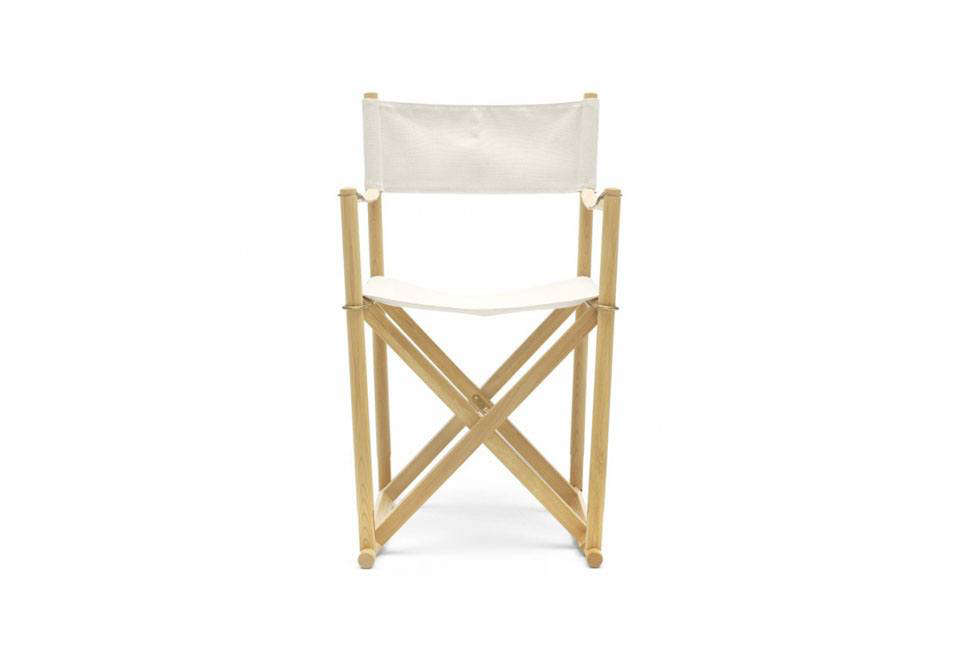
The Mogens Koch 99200 Folding Chair is proof that a chair does not need to shout, spin, recline, charge your phone, or come with a cup holder the size of a soup bowl to be interesting. Sometimes, the most memorable piece in a room is the one that quietly folds flat, leans against a wall, and still looks like it belongs in a design museum.
Designed by Danish architect and furniture designer Mogens Koch, the 99200 Folding Chair is a compact, sculptural, highly functional piece associated with the golden age of Danish modern furniture. It is often discussed under the Carl Hansen & Søn MK99200 name and closely related to the historic MK16 Folding Chair, a model now referenced in contemporary Fredericia documentation. Whatever product number appears on the tag, the core idea is unmistakable: solid wood, canvas or leather, saddle leather armrests, brass hardware, and a folding structure that manages to feel both ancient and surprisingly modern.
This is not a flimsy spare chair dragged out only when guests arrive and expectations are low. The Mogens Koch 99200 Folding Chair was designed as intelligent, flexible seating for real rooms, real bodies, and real storage problems. It is part director’s chair, part campaign furniture, part Danish architectural exercise, and part “why didn’t someone make all folding chairs this beautiful?”
What Is the Mogens Koch 99200 Folding Chair?
The Mogens Koch 99200 Folding Chair is a premium Danish folding armchair made with a solid wood frame and a suspended seat and back, typically in canvas or leather depending on the version. The chair folds almost completely flat, making it practical for dining rooms, guest seating, lounges, offices, reading corners, and interiors where space is precious but taste is non-negotiable.
Unlike many folding chairs, the 99200 is not designed to disappear because it is ugly. It disappears because it is efficient. When unfolded, it has the confident stance of a permanent armchair. When folded, it becomes a slim, elegant object that can be stored on a rack, placed in a closet, or leaned against a wall without looking like someone forgot to clean up after a community meeting.
The chair’s most distinctive engineering idea is its self-stabilizing nature. The weight of the sitter helps bring the frame into a secure, stable position. This gives the chair a grounded feeling that many folding seats never achieve. It does not simply tolerate sitting; it seems to understand it.
A Short History of a Radical Folding Chair
Mogens Koch first conceived the folding chair in the early 1930s. The design was created in connection with a competition for supplemental church seating, which explains the chair’s original mission: it needed to be useful, easy to store, dignified, and appropriate for serious interiors. That is a difficult brief. Most “extra chairs” look like they were designed five minutes before a fire drill.
Koch took a different route. Rather than hiding the folding function, he made it the center of the design. The frame, straps, joints, and fabric surfaces are all visible. Nothing is over-decorated, but nothing feels neglected. Every element earns its place.
At the time, the design was considered too radical for immediate success. The chair later gained renewed attention when Koch showed it again around 1960 at the Copenhagen Carpenters’ Guild Exhibition, after which it entered production. That delayed acceptance is part of the chair’s charm. Like many great modern designs, it arrived early, waited patiently, and let the rest of the world catch up.
Who Was Mogens Koch?
Mogens Koch was a Danish architect, professor, and furniture designer known for applying architectural discipline to everyday objects. Born in Copenhagen in 1898, he trained within the Danish functional tradition and worked with influential figures including Kaare Klint. Koch’s furniture often grew from specific practical needs rather than theatrical design statements.
That background matters because the 99200 Folding Chair does not behave like a fashion object. It behaves like a solved problem. Koch was interested in proportion, clarity, material honesty, and historical furniture types. His work often reinterpreted older forms, such as folding stools, campaign furniture, Shaker simplicity, and classical seating, through a modern Danish lens.
In other words, the chair is not trying to be weird. It is trying to be right.
Design Details That Make the Chair Special
1. A Folding Mechanism That Feels Architectural
The folding mechanism is beautifully simple. The chair opens and closes with a fluid motion, helped by carefully placed hardware and the geometry of the frame. Brass fittings or rings appear on many versions, adding both function and a subtle visual accent. These details are not decorative jewelry; they are working parts that happen to look excellent.
The magic is that the chair feels complete in both positions. Open, it is a comfortable armchair. Folded, it becomes a narrow, graphic composition of wood, canvas, and leather. Many folding chairs look embarrassed when folded. This one looks composed.
2. A Self-Stabilizing Seat
One of the chair’s most talked-about traits is how it stabilizes when someone sits in it. The sitter’s weight helps lock the structure into a secure position, creating confidence without adding visual bulk. This is classic Danish functionalism: solve the problem through structure, not gimmicks.
That feature also explains why the chair feels more substantial than its foldable profile suggests. It is light and movable, but not nervous. You can imagine it around a dining table, beside a fireplace, in a study, or pulled out for a dinner party where the host cares about the “extra chair” as much as the main course.
3. Honest Natural Materials
The Mogens Koch 99200 Folding Chair is typically associated with solid wood frames in beech, oak, mahogany, or related finishes depending on production period and manufacturer. Seat and back materials include canvas, linen-like textile, cotton canvas, or leather. Armrests are commonly made from saddle leather or full-grain leather.
These materials age visibly. Wood gains warmth. Leather darkens and softens. Brass develops character. Canvas relaxes slightly with use. For some people, that sounds like “wear.” For design lovers, that sounds like “finally, furniture with a pulse.”
Dimensions and Practical Specifications
Exact dimensions vary slightly by production version and source, but the classic proportions are compact and practical. Many MK99200 listings describe the chair at roughly 19.7 inches wide, 19.7 inches deep, and about 34.3 to 34.5 inches high, with a seat height around 17.7 inches. Current related MK16 documentation lists a width of about 52 cm, depth of 51 cm, height of 88 cm, seat height of 45 cm, and weight close to 5 kg.
| Feature | Typical Detail |
|---|---|
| Designer | Mogens Koch |
| Original design period | Early 1930s |
| Style | Danish modern, functionalist, folding armchair |
| Frame | Solid wood, commonly beech or oak depending on version |
| Seat and back | Canvas, cotton canvas, linen canvas, or leather |
| Armrests | Saddle leather or full-grain leather |
| Hardware | Brass fittings or rings on many versions |
| Best use | Guest seating, dining, lounge, study, flexible interiors |
Why the Mogens Koch 99200 Folding Chair Still Works Today
The modern home has become a strange creature. It needs to host dinner, support remote work, hide laundry, look good on camera, and occasionally transform into a yoga studio. Flexible furniture is no longer a luxury; it is survival equipment with better lighting.
That is why the Mogens Koch 99200 Folding Chair still feels relevant. It offers an elegant answer to the old problem of “where do people sit when more people arrive?” Most spare chairs make the room look temporary. Koch’s chair makes the room look intentional.
It also fits the current appreciation for smaller spaces and durable design. Instead of buying bulky furniture that dominates a room, owners can add a refined folding chair that stores easily and performs beautifully when needed. It is a rare object that supports both minimalism and hospitality.
How Comfortable Is It?
The 99200 Folding Chair is comfortable in a deliberate, upright, composed way. It is not a cloud chair. It will not swallow you whole while you lose an afternoon to streaming television. Instead, it supports the body with a firm suspended seat, a flexible back, and proper armrests.
That makes it especially good for dining, conversation, reading, and occasional lounge use. The canvas or leather surfaces have enough give to avoid the “school assembly chair” feeling, while the armrests add a sense of ease. The chair encourages good posture without acting like a strict piano teacher.
For long lounging sessions, some versions may be paired with a cushion. For dining or entertaining, the standard form is usually enough. As with many classic Danish chairs, comfort comes from proportion rather than padding.
Best Places to Use the Chair
Dining Rooms
The chair works beautifully as extra dining seating. Because it has arms, it feels more generous than a standard side chair, but its modest footprint keeps it from overwhelming the table. It can also serve as a host chair at the ends of a dining table, especially in rooms with Scandinavian, modern, rustic, or eclectic styling.
Living Rooms
In a living room, the Mogens Koch 99200 Folding Chair can act as a flexible accent chair. Place it near a low table, beside a sofa, or next to a bookshelf. When guests leave, fold it away or keep it displayed. It has enough presence to stand alone.
Home Offices and Studies
For a study, this chair brings the right amount of seriousness. It looks thoughtful without looking corporate. It can serve as a reading chair, a guest chair across from a desk, or a refined alternative to the anonymous office visitor chair that seems to exist in every waiting room on earth.
Small Apartments
This may be where the chair shines brightest. Small spaces reward pieces that do more than one thing. The 99200 can be seating when needed, design sculpture when displayed, and a slim stored object when not in use. Apartment dwellers with taste and limited closets, rejoice.
Styling the Mogens Koch 99200 Folding Chair
The easiest styling approach is to let the materials lead. Pair an oiled oak or beech frame with wool rugs, linen curtains, stoneware, warm lighting, and quiet wall colors. The chair looks especially good in interiors that avoid clutter but welcome texture.
For a modern American home, try mixing it with a simple oak dining table, black metal floor lamp, neutral sofa, or woven jute rug. In a more traditional room, the chair can create tension against antiques, books, framed art, and darker woods. It is refined enough to blend, but graphic enough to add edge.
Avoid over-styling it. This is not the chair that needs a dramatic throw, three pillows, and a nearby fiddle-leaf fig plant acting as emotional support. Let the folding structure show. Let the leather arms breathe. Let the brass hardware do its quiet little sparkle.
Buying Tips: Original, Vintage, or Contemporary Production?
Buyers may encounter the chair under several names, including Mogens Koch Folding Chair, MK99200 Folding Chair, Carl Hansen & Søn MK99200, MK16 Folding Chair, or related production references. Vintage examples may come from earlier Danish manufacturers, while more recent listings may refer to Carl Hansen & Søn or Fredericia depending on the period and market.
When buying, check the seller’s details carefully. Look for clear photos of the frame, joints, hardware, underside, seat, back, and arm straps. Ask about provenance, manufacturer markings, replacement canvas, leather condition, and whether the chair folds smoothly. A little patina can be desirable; structural damage is less charming.
For vintage pieces, inspect the canvas tension and leather armrests. Replacements are not necessarily bad if they were done properly, but they should be disclosed. For contemporary production, confirm finish, upholstery material, dimensions, warranty, and authorized dealer status.
Care and Maintenance
Because the chair uses natural materials, care should be gentle and consistent. Canvas should generally be vacuumed with a soft attachment to remove dust. Avoid aggressive washing, soaking, or harsh cleaning products, as water can weaken or distort natural textile covers. Leather armrests should be treated according to the manufacturer’s guidance and protected from excessive moisture, heat, and direct sunlight.
Wood frames benefit from regular dusting and finish-appropriate care. Oiled wood may need occasional maintenance oil, while soaped or lacquered finishes require different treatment. Brass fittings should be kept free from grit so the folding action remains smooth.
Most importantly, remember that this is not permanent outdoor furniture. It may look relaxed enough for a patio photo, but long-term exposure to sun, rain, and humidity can damage canvas, leather, wood, and hardware. Bring it inside. Your future self, and your furniture budget, will be grateful.
Pros and Cons
Pros
- Elegant Danish modern design with strong historical value
- Folds flat for efficient storage
- Made from durable, tactile natural materials
- Works as dining, guest, lounge, or accent seating
- Beautiful enough to display even when not in use
- Lightweight compared with many armchairs
Cons
- Premium pricing compared with ordinary folding chairs
- Canvas and leather require careful maintenance
- Not intended for permanent outdoor use
- May feel too upright for people seeking plush lounge seating
- Authentic vintage versions require careful inspection
Is the Mogens Koch 99200 Folding Chair Worth It?
The answer depends on what you expect from a folding chair. If you want the cheapest way to seat six extra people during a backyard barbecue, this is probably not your first stop. If you want a collectible, practical, beautifully made piece of Danish design that solves a real storage problem with grace, the Mogens Koch 99200 Folding Chair makes a compelling case.
It is especially worth considering for design collectors, small-space homeowners, architects, interior designers, and anyone who loves furniture that combines intelligence with restraint. The chair is not loud, trendy, or decorative in the shallow sense. Its beauty comes from use, structure, and the confidence to leave unnecessary things out.
Experience Notes: Living With the Mogens Koch 99200 Folding Chair
The ownership experience of the Mogens Koch 99200 Folding Chair is different from owning a regular accent chair. A regular accent chair usually chooses a spot and stays there forever, slowly collecting books, sweaters, and possibly one decorative pillow that nobody likes but everyone is too polite to remove. The Koch folding chair has a more active personality. It moves. It adapts. It waits.
In a dining room, the experience begins before anyone sits down. Pulling the chair open feels ceremonial in the best way. The frame unfolds with a sense of logic, and the leather, canvas, wood, and metal all appear to know their jobs. There is no plastic click, no wobbling panic, no awkward scraping across the floor. It feels like using a tool designed by someone who respected both the object and the person using it.
Once placed at the table, the chair has a special effect on the room. It does not look like “extra seating.” It looks like part of the plan. Guests notice it, but usually not in a loud way. The reaction is more like a hand on the armrest, a closer look at the brass hardware, and the inevitable question: “Wait, this folds?” That is the chair’s party trick, delivered with Danish restraint.
In smaller homes, the experience is even more rewarding. A chair that can fold flat without visually cheapening the room is a rare blessing. Many people want flexible seating but dislike the look of stacked metal chairs or generic collapsible furniture. The Mogens Koch 99200 Folding Chair offers flexibility without making the home feel temporary. It is the difference between “we ran out of chairs” and “we have a clever seating system.”
The materials also change how the chair feels over time. Leather armrests become more personal as they darken and soften. Canvas may show subtle signs of use. Wood develops a warmer surface, especially in oiled finishes. These changes are part of the appeal. The chair does not remain frozen like a showroom prop; it gathers evidence of life.
There is also a practical rhythm to caring for it. A quick vacuum of the canvas, a gentle wipe of the wood, and mindful storage go a long way. The chair rewards people who are attentive but not obsessive. It does not need to be treated like a museum artifact, but it does ask not to be abandoned in the rain like a camping stool with design-school debt.
The best experience may be using the chair in unexpected moments: pulling it beside a window for morning coffee, placing it near a fireplace during winter, unfolding it for a guest who appreciates good design, or storing it neatly after dinner and realizing the room has instantly regained space. That daily flexibility is the heart of Koch’s design. The chair is beautiful because it works, and it works because every detail has been considered.
For anyone who values furniture with history, purpose, and a little quiet cleverness, the Mogens Koch 99200 Folding Chair offers more than a place to sit. It offers a lesson in how design can make everyday life simpler without making it dull.
Conclusion
The Mogens Koch 99200 Folding Chair remains one of the most intelligent folding chairs in modern furniture history. It combines compact storage, honest materials, architectural clarity, and real seating comfort in a way that still feels fresh decades after its creation. Whether used as guest seating, a dining chair, an accent piece, or a collector’s object, it proves that flexible furniture can be refined, durable, and deeply beautiful.
In a world full of disposable chairs and overstuffed furniture, Koch’s design feels refreshingly calm. It does not beg for attention. It earns it. And then, when the evening is over, it folds away with better manners than most dinner guests.