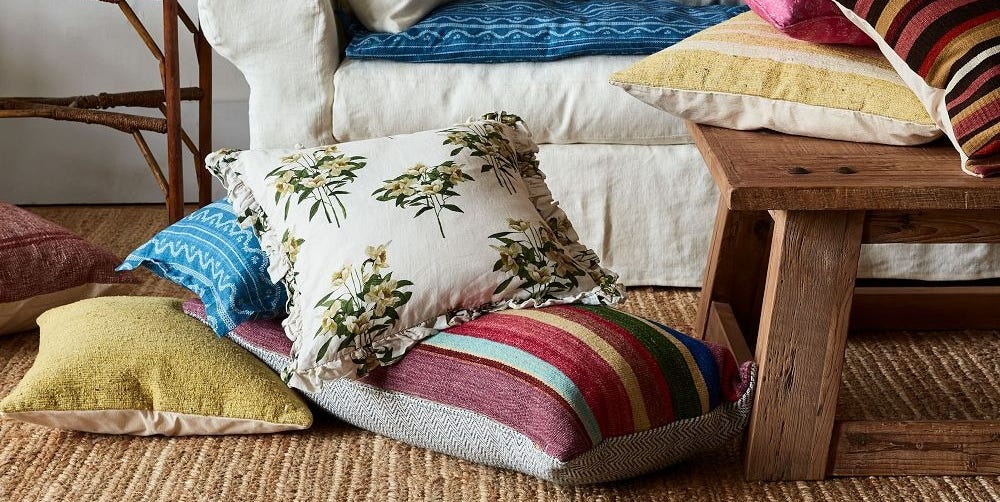
If sustainable home shopping has ever made you feel like you were being asked to choose between saving the planet and having a living room with actual personality, GreenRow would like a word. Williams-Sonoma’s newer brand arrives with a mission that sounds serious but looks anything but stiff: create beautiful, colorful, vintage-inspired home furnishings using more responsible materials and lower-impact manufacturing methods wherever possible. In other words, GreenRow is trying to prove that eco-conscious design does not have to look like a beige apology.
That idea matters because today’s shoppers want more from a brand than a pretty catalog shot and a dramatic throw pillow. They want transparency. They want durability. They want products that feel special, not churned out for a short fling with trends. And they want all of that without feeling like they are reading a chemistry textbook every time they shop for a rug.
GreenRow steps into that gap with a clear point of view: make “modern heirlooms” that feel collected, cheerful, and crafted to last. Backed by Williams-Sonoma’s design, sourcing, and supply-chain muscle, the brand is not a tiny experimental side hustle. It is a strategic play in the growing market for stylish, sustainability-minded home décor. The result is a brand that feels both idealistic and practical, which is honestly a rare combination in retail. One usually shows up without the other.
What GreenRow Is, Exactly
GreenRow is a Williams-Sonoma brand focused on home furnishings made with sustainable materials and manufacturing practices. When it launched, it debuted as a full-home collection rather than a cautious little capsule. That was an important signal. This was not Williams-Sonoma dipping one polished toe into eco-friendly décor. It was a real brand rollout, spanning furniture, rugs, bedding, bath, baby, lighting, pillows, throws, curtains, table linens, dinnerware, and decorative accessories.
That breadth tells you a lot about the ambition behind the label. GreenRow is not selling a vibe in one corner of the home. It is selling a way of living across the entire house. You can build around it room by room, whether you are drawn to hand-finished furniture, patterned textiles, charming tabletop pieces, or lighting that gives off “collected over time” energy instead of “arrived all at once in five cardboard boxes.”
The brand also carries a distinct aesthetic identity. GreenRow leans into bright colors, thoughtful trims, vintage textile references, traditional forms, and details that feel a little storied. Its look is warmer and more layered than the sleek minimalism that has dominated so much “good taste” shopping for years. If some sustainable design can feel like a lecture in Scandinavian, GreenRow feels more like a joyful antique market stroll with better logistics.
Why Williams-Sonoma Launched GreenRow
From a business perspective, GreenRow fills a meaningful white space in the Williams-Sonoma portfolio. The company already had powerhouse brands with strong identities, from Pottery Barn to West Elm. But GreenRow offered something slightly different: a more holistically sustainability-focused concept wrapped in a colorful, heirloom-minded design language that did not overlap too neatly with its sister brands.
That matters because consumers have changed. People are asking harder questions about how things are made, what materials are used, and whether home products are built to stick around or fall apart after one move, one spill, or one overconfident dinner party. A brand that can answer those questions while still delivering charm and emotional appeal has a real edge.
Williams-Sonoma also had the infrastructure to build GreenRow with more credibility than a brand-new startup might. Its sourcing teams, vendor relationships, in-house design capabilities, and broader sustainability commitments gave GreenRow a stronger launchpad. In plain English, this was not a brand waking up one morning and deciding to sprinkle the word “green” over ordinary products. It was built within a company already investing in responsible sourcing, renewable energy, packaging improvements, and worker-support programs across its portfolio.
What Makes GreenRow Different From Typical Sustainable Home Brands
1. It Leads With Style, Not Guilt
One of GreenRow’s smartest moves is that it does not behave like consumers need to be scolded into caring. The design comes first. The color, pattern, texture, and shape are what pull you in. Then the sustainability story gives you a reason to feel better about what you are buying. That order matters. Most people do not shop for a chair because it has an admirable mission statement. They shop because it looks amazing in the corner by the window and seems like the kind of chair in which one could read, sip coffee, and briefly believe life is under control.
2. It Treats Longevity as Part of Sustainability
GreenRow’s appeal is not just about recycled inputs or certifications. It is also about lifespan. A product that lasts longer, ages well, and can be cared for properly is generally more responsible than one made cheaply for fast replacement. That is why the brand’s “modern heirloom” language is more than marketing poetry. It points to a bigger truth in home design: durability is environmental strategy wearing nicer clothes.
This is especially smart in categories like upholstery, rugs, and bedding, where wear and tear often lead to waste. Even small ideas, like protective covers or thoughtful care guidance, support the larger goal of keeping products useful for longer. Sustainable design is not only about what something is made from. It is also about whether you will still want it, use it, and maintain it three years from now.
3. It Uses Recognizable Standards and Certifications
GreenRow’s sustainability story is strengthened by the kinds of standards it references. On its environmental materials pages, the brand highlights frameworks and certifications such as FSC for responsible forest management, GOTS for organic textiles, Oeko-Tex for testing against harmful substances, Fair Trade USA, GREENGUARD, bluesign, and more. That does not mean every item checks every box, but it does show the brand is trying to speak in terms shoppers can verify instead of relying entirely on vague eco poetry.
That is a big deal in a market where “natural,” “green,” and “earth-friendly” are sometimes used as decorative adjectives rather than meaningful claims. Consumers are increasingly skeptical, and rightly so. The more specific a brand gets about certifications, materials, factory programs, and product details, the more trust it earns.
How GreenRow Defines Sustainable Design
GreenRow’s version of sustainable home décor is refreshingly broad. It is not limited to one hero material or one single manufacturing story. Instead, the brand emphasizes a mix of responsibly sourced linen, cotton, wood, recycled materials, reclaimed components, and manufacturing practices intended to reduce environmental impact wherever possible.
Its environmental commitment pages outline categories such as organic bedding and bath textiles, recycled PET rugs and flooring, reclaimed-wood furniture, eco-upholstered beds and sofas, and lighting made from recycled glass. Those examples are useful because they move the conversation from abstract mission statements into actual product choices. Translation: this is not just about branding. It is about what goes into the products themselves.
There is also a human side to the brand’s framework. GreenRow has been associated with programs and standards connected to ethical production, including Fair Trade USA and Nest’s Ethical Handcraft Program. That widens the definition of sustainability beyond carbon and fiber content. A truly modern home brand cannot just ask what a product is made from. It also has to ask who made it, under what conditions, and whether communities benefit along the way.
Standout Product Categories and Why They Matter
Textiles That Feel Collected, Not Corporate
If there is a category where GreenRow’s personality really comes alive, it is textiles. Bedding, towels, table linens, and decorative fabrics can often feel generic in large retail collections, but GreenRow seems to understand the power of special detail. Lace trims, saturated colors, vintage-inspired patterns, soft hand-feel, and a slightly bespoke look make these pieces feel more personal.
That is important because textiles are often the easiest way to change the mood of a home without replacing major furniture. A duvet cover, a stack of napkins, or a patterned throw can shift a room from flat to layered in about five minutes. When those pieces also come with better material standards, shoppers get a rare double win: charm plus conscience.
Some product-level examples help make the point. GreenRow has highlighted bedding items with Oeko-Tex certification and a focus on safety from commonly regulated textile chemicals. That kind of detail matters in products that sit close to the skin every day. Suddenly, your pretty bed is also doing paperwork behind the scenes. We love a multitasker.
Furniture That Looks Like It Might Have a Story
GreenRow furniture does not aim for anonymous perfection. It leans into pieces that feel a little storied, a little handcrafted, and sometimes even slightly eccentric in the best way. Think turned legs, painted finishes, carved details, and silhouettes that nod to older forms without turning the room into a museum set.
That is part of why the brand’s sustainability claim feels credible. Furniture that looks distinctive has a better chance of staying desirable. A shopper is more likely to keep a piece they feel attached to than one they bought only because it was on sale and vaguely matched the rug. Emotional durability is still durability.
The materials story reinforces that point. GreenRow product details highlight examples such as FSC-certified wood and responsibly sourced natural fibers. In a category where so much furniture is made to look expensive while quietly behaving like temporary packaging, that is a meaningful distinction.
Lighting and Decor With a Softer Environmental Footprint
Lighting is another category where GreenRow finds its sweet spot. The brand’s emphasis on recycled glass and decorative charm makes its fixtures feel more expressive than purely utilitarian. This is a good move because lighting often acts like jewelry for a room. If you can make it beautiful and more responsibly produced, you have solved two problems at once.
Decorative objects, tabletop pieces, and found-style accents also support the brand’s identity. These are the items that make a house feel collected rather than copied. When a brand blends sustainable methods with a design language that celebrates patina, craft, and individuality, it can avoid the sterile sameness that has made some online home shopping feel oddly interchangeable.
Why GreenRow Matters in the Bigger Home Market
GreenRow matters because it reflects where home retail is heading. Consumers no longer want sustainability quarantined in a sad little corner labeled “eco collection.” They want it integrated into the mainstream shopping experience. They want furniture and décor that are stylish enough for design people, practical enough for actual living, and responsible enough to feel like a smarter buy.
It also matters because GreenRow is not coming from the margins. Williams-Sonoma is a major player with reach, resources, and influence. When a company of that size invests in a brand centered on lower-impact materials, third-party standards, and long-term product appeal, it signals that sustainability is becoming a more central part of premium home retail, not just a niche talking point for Earth Day newsletters.
The brand’s first physical store in SoHo adds another layer to that story. Bringing GreenRow into a tactile retail setting suggests confidence. It means the company believes the textures, craftsmanship, and storytelling are strong enough to stand up in person, not just on a product page with flattering lighting and suspiciously calm styling.
The Experience of GreenRow: What It Feels Like in Real Life
Here is where GreenRow gets especially interesting: the experience of the brand feels different from ordinary “responsible shopping.” Usually, when people hear sustainable home brand, they brace themselves for one of two outcomes. Either the products are beautiful but painfully expensive and intimidating, or they are worthy but a little too earnest, like they might come with a side of moral homework. GreenRow sits in a more inviting middle. It feels optimistic.
Imagine walking into a room layered with GreenRow pieces. The first impression is not, “Ah yes, sustainability.” The first impression is, “This place has taste.” There is color. There is softness. There are patterns that look like they were borrowed from old textiles with better stories than most of us can tell at brunch. There are details that suggest someone actually cared when designing the edge of the napkin, the curve of the lamp, or the finish on the side table.
That emotional response matters. Good home design works because it changes how you feel in a space. A cheerful plaid sofa, a textured linen duvet, a hand-finished wood table, or a recycled-glass pendant does more than fill square footage. It creates atmosphere. It makes everyday routines feel slightly more cinematic. Not in a dramatic, Oscar-winning way. More in a “my coffee somehow tastes smarter in this room” kind of way.
There is also a subtle relief in shopping a brand that tries to connect beauty with better practices. You do not have to choose between a room with soul and a room with principles. You can want both. That is what GreenRow seems to understand better than many competitors. People are tired of disposable design, but they are equally tired of being told they must live in joyless virtue to be responsible shoppers.
The tactile side of the experience is part of the appeal too. Bedding that feels soft and substantial, towels with detail, furniture with visible craftsmanship, and decorative pieces that do not look machine-flattened into blandness all contribute to the sense that these are objects meant to be lived with, not just displayed for a before-and-after reveal.
And then there is the long-game satisfaction. A room built with a more collected, heirloom-minded approach tends to age better. Instead of chasing every passing trend, you start building a home with layers, stories, and contrast. A striped textile here, a carved wood table there, a lamp with recycled-glass texture in the corner. Over time, the space becomes more personal and less replaceable. That is one of the quiet pleasures GreenRow is really selling.
In that sense, the GreenRow experience is bigger than one product or one shopping session. It is the experience of slowing down just enough to choose things with more intention. It is the pleasure of finding pieces that feel playful, grounded, and a little bit unexpected. It is the confidence that your home can look charming without being careless and thoughtful without being dull.
That may be GreenRow’s most persuasive achievement so far. It makes sustainable shopping feel less like a compromise and more like an upgrade. For many homeowners and renters, that is the magic formula. Not perfection. Not performative purity. Just a better, prettier, smarter way to live with the things we bring into our homes.
Final Thoughts
GreenRow is more than a new name in the Williams-Sonoma family. It is a signal of where the home industry is headed: toward products that combine style, transparency, craftsmanship, and lower-impact materials in ways that feel desirable rather than dutiful. The brand works because it understands a simple truth. Most people do not want a home that merely looks sustainable. They want a home that feels alive, personal, comfortable, and built with more care.
By pairing vintage-inspired warmth with modern sustainability language, GreenRow gives shoppers a compelling alternative to fast décor and forgettable furniture. It offers the possibility that responsible design can still be whimsical, layered, and full of character. And in a market crowded with brands trying to look conscientious, that kind of joyful clarity stands out.
If GreenRow continues to balance design ambition with meaningful materials and transparent standards, it could become one of the more influential names in the evolving world of sustainable home furnishings. That is not just good branding. That is good timing.