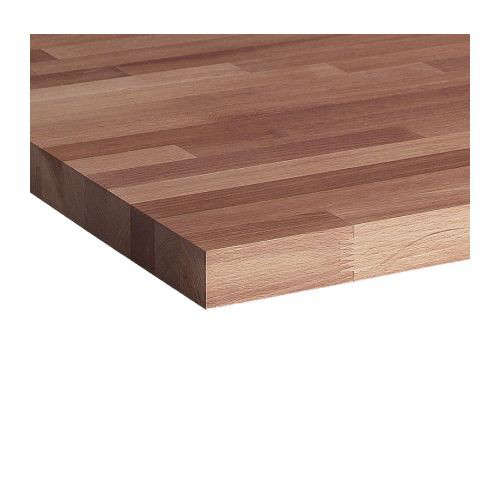
If you have ever searched for affordable wood countertops with a warm, custom-kitchen look, you have probably bumped into the name Numerar countertops. More accurately, the original IKEA name was often styled as NUMERÄR, but plenty of homeowners, DIYers, and late-night kitchen remodel researchers type it simply as “Numerar.” Either way, the name usually points to a beloved IKEA wood countertop line known for bringing butcher-block charm into kitchens without requiring a second mortgage, a design degree, or a dramatic HGTV reveal soundtrack.
Numerar countertops became popular because they offered what many budget kitchen remodels desperately needed: real wood warmth, clean lines, and a price that did not make homeowners whisper “maybe next year” while slowly closing the browser tab. Available in wood species such as beech, birch, and oak, these countertops could be cut, sanded, stained, sealed, and customized to fit kitchens, laundry rooms, desks, islands, and even creative furniture projects.
Today, the exact Numerar line is no longer the everyday IKEA countertop most shoppers find in stores. IKEA’s current wood-look and wood veneer countertop options, such as KARLBY-style products, use modern thick veneer construction rather than the older solid wood format many DIY fans remember. Still, the lessons from Numerar countertops remain incredibly useful for anyone considering butcher block, wood veneer, or solid wood counters in a modern kitchen.
What Are Numerar Countertops?
Numerar countertops were IKEA wood countertops widely used by homeowners who wanted the look of butcher block without paying custom countertop prices. They were commonly discussed as solid wood countertops, especially in older kitchen renovation projects, and were often chosen for their simple slab shape, natural grain, and DIY-friendly installation.
The appeal was straightforward: buy a wood slab, cut it to size, finish it properly, and suddenly your kitchen looked less “rental leftovers” and more “I casually make espresso while wearing linen.” Numerar countertops worked especially well in cottage kitchens, Scandinavian-inspired spaces, farmhouse remodels, and budget-friendly renovations where laminate felt too flat and stone felt too expensive.
Common Wood Types
Older Numerar countertops were associated with wood options such as:
- Beech: A light hardwood with an even grain, often chosen for a clean and subtle look.
- Birch: Pale, smooth, and simple, making it useful for bright kitchens and minimalist interiors.
- Oak: Stronger-looking grain, warmer color, and a popular choice for staining darker.
Each wood type had its own personality. Beech looked calm and tidy. Birch looked bright and practical. Oak looked like it had a leather journal and opinions about coffee beans. For homeowners who wanted visual texture, oak was often the favorite. For a softer Scandinavian feel, birch and beech made more sense.
Why Numerar Countertops Became So Popular
The popularity of Numerar countertops came from a rare combination: attractive material, flexible installation, and approachable pricing. Wood countertops have a way of softening a kitchen. Stainless steel can feel professional, quartz can feel polished, and granite can feel dramatic, but wood feels welcoming. It says, “Yes, you may chop parsley here, but please also sit down and have pancakes.”
They Were Budget-Friendly
Compared with many natural stone or custom hardwood countertops, Numerar countertops were relatively affordable. That made them especially attractive to first-time homeowners, DIY renovators, apartment improvers, and anyone trying to stretch a kitchen budget until it squeaked.
Modern butcher block countertop pricing varies widely depending on wood species, thickness, finish, and labor. Installed butcher block can often land in a mid-range price category, while DIY-friendly wood slabs may cost less if the homeowner can safely cut, seal, and install them. Numerar’s legacy is tied to that same idea: wood countertops can look expensive even when the project is planned with a careful budget.
They Were Customizable
One of the biggest advantages of wood countertops is that they can be modified. A Numerar countertop could be cut to fit a wall, trimmed around a sink, sanded smooth, stained darker, sealed with oil or a film finish, and refreshed later. That flexibility made it a favorite for kitchens with unusual layouts.
Unlike stone, which generally needs professional fabrication, wood is more approachable for experienced DIYers. That does not mean every beginner should grab a circular saw and start improvising next to the dishwasher. Accurate measuring, straight cuts, edge sealing, and sink cutouts all matter. But for careful homeowners, Numerar countertops made customization feel possible.
They Added Warmth Instantly
White cabinets plus wood counters became a classic pairing for a reason. The white keeps the room bright; the wood keeps it from feeling like a dental office. Numerar countertops worked beautifully with subway tile, apron-front sinks, shaker cabinets, matte black hardware, brass fixtures, open shelving, and even modern slab doors.
In design terms, wood is a “visual warmer.” It balances hard surfaces, cool paint colors, and stainless appliances. In human terms, it makes the kitchen feel like people actually live there, occasionally spill coffee there, and maybe pretend banana bread is a breakfast food.
Numerar Countertops vs. Modern IKEA Wood Countertops
Many homeowners searching for Numerar countertops today are really looking for the same look in a current product. IKEA’s present countertop selection in the United States includes laminate, custom countertops, and wood veneer options. Modern wood veneer countertops are generally designed with a stable core and a thick layer of real wood on the surface, giving the appearance and warmth of wood while improving stability and resource efficiency.
This is an important distinction. Older Numerar countertops are remembered by many DIYers as solid wood slabs. Current IKEA wood countertops are commonly thick veneer over a core material. That does not automatically make them bad. In fact, veneer construction can be more resistant to humidity movement than solid wood and may use material more efficiently. However, it changes how aggressively the surface can be sanded and repaired.
Solid Wood vs. Thick Veneer
Solid wood can usually be sanded more deeply, refinished multiple times, and modified more freely. It may also expand, contract, cup, or crack if moisture and humidity are not managed well.
Thick veneer countertops offer the look of wood with improved stability. They can often handle light sanding for minor scratches, but they cannot be refinished endlessly because the real wood layer has a limit. Sand through the veneer and you have created what professionals call “a problem” and what homeowners call “why did I do this before coffee?”
Pros of Numerar-Style Wood Countertops
1. Beautiful Natural Grain
No two wood countertops look exactly alike. The grain, tone, and small natural variations give the kitchen character. Numerar-style counters are especially appealing in kitchens that need texture but not visual chaos.
2. Repairable Surface
Minor scratches, stains, and dull spots can often be improved with sanding and refinishing. This is a major advantage over materials that chip or stain permanently. Wood ages, but when cared for well, it can age with charm instead of defeat.
3. DIY Potential
Wood countertops are more DIY-friendly than stone or quartz. Skilled homeowners can measure, cut, dry-fit, sand, and finish the surface. The key word is “skilled.” A wood countertop rewards patience and punishes the phrase “close enough.”
4. Warm Style
Numerar countertops work with farmhouse, Scandinavian, cottage, transitional, and modern kitchens. They can look casual or refined depending on the stain, finish, edge profile, and surrounding materials.
5. Good Value
Wood countertops often provide a strong design impact for the money. They are not always the cheapest option, especially with professional installation, but they can deliver a high-end look at a lower price than many premium surfaces.
Cons of Numerar-Style Countertops
1. They Need Maintenance
Wood countertops are not “install and forget” surfaces. They need sealing, cleaning, and periodic attention. If you want a countertop that can survive standing water, hot pans, food dye, lemon juice, and total neglect, wood may not be your soulmate.
2. Water Can Cause Damage
Water is the villain in many wood countertop stories. Around sinks, dishwashers, coffee stations, and wet sponges, wood must be protected carefully. Standing water can cause stains, swelling, dark marks, and finish failure.
3. Heat Protection Is Required
Hot pans should not go directly on wood countertops. Use trivets, pads, or cutting boards. A hot skillet can leave a burn mark faster than you can say, “I thought it would be fine.”
4. Scratches Are Part of the Deal
Wood is softer than stone. It can scratch and dent. Some homeowners love the patina; others see every mark as a tiny personal betrayal. Your personality matters here. If you need perfection at all times, choose carefully.
How to Finish Numerar Countertops
The finish is the difference between a wood countertop that lasts and one that panics every time someone sets down a wet glass. Numerar countertops typically needed surface treatment before regular kitchen use. The right finish depends on how you plan to use the counter.
Food-Safe Oil Finish
Food-grade mineral oil, butcher block oil, tung oil products, and oil-wax blends are common choices for wood counters used near food prep areas. Oil finishes soak into the wood and create a more natural, matte appearance. They are easy to refresh but require more frequent reapplication.
This type of finish works well for homeowners who like the feel of real wood and do not mind regular care. It is especially suitable for areas used as chopping or baking prep zones, although many people still prefer using a separate cutting board to reduce wear.
Polyurethane or Film Finish
Polyurethane and similar film finishes create a protective layer on top of the wood. This can improve water resistance, especially around sinks or busy counters where spills are common. The trade-off is that the surface may feel less like raw wood and more like furniture.
A film finish can be a smart option if you do not plan to cut directly on the countertop. It is often chosen for desks, islands, laundry counters, and kitchens where durability is more important than a traditional butcher block feel.
Stain Before Sealing
Many homeowners stained Numerar countertops to create a richer walnut, espresso, honey oak, or medium brown tone. Staining can look beautiful, but it must be tested first. Different wood species absorb stain differently. Beech and birch can sometimes stain unevenly, while oak often accepts darker stain with more visible grain.
Always test stain on a scrap piece or hidden area before committing. Otherwise, your dream “warm walnut” may become “patchy camp cabin,” and nobody asked for that plot twist.
Installation Tips for Numerar Countertops
Installing wood countertops is manageable, but it demands accuracy. A successful Numerar countertop installation starts before the first cut.
Measure Twice, Then Measure When You Are Less Confident
Walls are rarely perfectly straight. Corners are rarely perfectly square. Cabinets may be level in theory and dramatic in reality. Before cutting, measure the front, back, and sides of every countertop run. Use templates when needed, especially for older homes.
Use the Right Tools
A circular saw with a straightedge guide, clamps, painter’s tape, a fine-tooth blade, jigsaw for sink cutouts, sander, drill, and proper safety gear are common tools for wood countertop projects. Clean cuts matter because rough edges absorb finish unevenly and look unfinished.
Seal Every Edge
The top surface gets attention, but edges and cutouts are just as important. Sink openings, dishwasher edges, underside areas near moisture, and cut ends should be sealed carefully. Water does not need a grand entrance. It will sneak into one lazy unsealed edge and start causing trouble.
Allow for Wood Movement
Solid wood expands and contracts with humidity. Installers should avoid fastening it so tightly that it cannot move naturally. Follow the manufacturer’s recommendations for brackets, screws, expansion gaps, and support.
Cleaning and Maintenance
Numerar-style countertops are not difficult to maintain, but they do require consistency. The daily rule is simple: clean gently and dry completely.
Daily Cleaning
- Wipe with a soft cloth, mild dish soap, and warm water.
- Dry the surface after cleaning.
- Clean spills quickly, especially wine, coffee, tomato sauce, oil, and citrus.
- Avoid harsh chemicals that can damage the finish.
Monthly or Seasonal Care
If the countertop has an oil finish, reapply food-safe oil or conditioner as needed. Heavy-use kitchens may need more frequent treatment. Light-use areas may need less. If water stops beading and begins soaking into the wood, the surface is begging for attention. Listen to it. Wood is dramatic but usually honest.
Repairing Scratches and Stains
Light scratches can often be sanded with fine-grit sandpaper and refinished. Dark water marks may require deeper sanding, oxalic acid treatment in some cases, or professional help. Burns can sometimes be sanded out if they are shallow. Deep damage may remain visible, though some people call that “character” and move on with their lives.
Best Places to Use Numerar Countertops
Numerar countertops were not limited to kitchens. Their simple slab design made them useful in many areas of the home.
Kitchen Perimeter Counters
Wood counters can work well around a kitchen perimeter if sealed properly and kept dry. Extra care is needed around sinks and dishwashers.
Kitchen Islands
An island is one of the best places for butcher block. It adds warmth, creates a prep-friendly area, and avoids some of the moisture risks found around sinks.
Laundry Rooms
A Numerar-style wood counter over a washer and dryer can create a folding station that looks custom without needing custom cabinetry.
Desks and Workstations
Many homeowners used Numerar countertops as desktops. The depth, thickness, and wood grain made them ideal for home offices long before everyone discovered that the kitchen table is not an ergonomic workstation.
Design Ideas for Numerar Countertops
For a bright kitchen, pair light wood countertops with white shaker cabinets, white tile, and brushed nickel hardware. For a moodier design, stain the wood darker and combine it with navy, charcoal, or forest green cabinets. For a modern Scandinavian look, keep the wood natural, use flat-panel cabinets, and choose simple black or stainless hardware.
Wood also pairs beautifully with stone. A practical approach is to use quartz or solid surface around the sink and wood on the island. This gives you warmth where you want it and water resistance where you need it. It is the countertop version of wearing stylish shoes but bringing backup sneakers.
Are Numerar Countertops Worth It?
Numerar countertops are worth considering if you love natural wood, enjoy hands-on maintenance, and want a warm design feature at a reasonable cost. They are especially appealing for DIY-minded homeowners who understand finishing, sealing, and careful installation.
They are not ideal for people who want a zero-maintenance kitchen surface. If you leave puddles near the sink, place hot pans directly on counters, dislike oiling or sealing, or expect a flawless surface forever, wood countertops may annoy you. But if you appreciate materials that age, develop character, and can be refreshed, Numerar-style counters remain a smart and stylish idea.
Real-Life Experience: Living With Numerar Countertops
The first thing people usually notice about Numerar countertops is the warmth. A kitchen can go from plain to personal in one weekend. The wood makes white cabinets look intentional, black cabinets look softer, and older cabinets look like they are trying very hard to be charming. That first reveal is satisfying. You step back, admire the grain, and immediately become the type of person who says, “Actually, this is beech,” even when nobody asked.
The second thing you notice is that wood countertops change your habits. You start wiping around the sink more often. You stop leaving wet dish towels in a sad little pile. You buy trivets and actually use them. You become suspicious of red wine, tomato sauce, and children with juice boxes. In other words, Numerar countertops gently train you to become a more responsible kitchen citizen.
Installation can feel empowering, especially for DIYers. Cutting a wood countertop to fit your own kitchen feels like a major victory. But it also teaches humility. Walls are crooked. Sink templates are stressful. Sawdust appears in places sawdust has no business being. The final result, however, often feels custom because you made decisions at every step: the cut, the stain, the sheen, the edge, the finish, and the care routine.
The most important ownership lesson is that the finish matters more than the fantasy. A beautiful countertop with a weak finish will disappoint quickly. A properly sealed countertop can handle daily life much better. Around sinks, extra sealing is not optional. It is the difference between “still beautiful after years” and “why is this corner dark and weird?”
Scratches will happen. Small dents will happen. Someone will ignore the cutting board. Someone will set down a damp mug. Someone will slide a heavy appliance across the surface with the confidence of a raccoon operating machinery. The good news is that wood is forgiving. Many marks can be sanded, oiled, blended, or accepted as part of the surface’s story.
In daily life, Numerar countertops are best for people who like a kitchen that feels alive. They are not museum counters. They invite baking, coffee making, casual dinners, homework, plant watering, and the occasional “I’ll just fix this little spot” maintenance session that turns into a full Saturday project. They reward care with beauty. They punish neglect, but not instantly. Usually, they give you warning signs first: dullness, dryness, water absorption, or rough patches.
The biggest practical recommendation is to use wood strategically. If you love the look but fear the maintenance, use a Numerar-style surface on an island, desk, pantry counter, or coffee bar rather than around the main sink. That way, you get the warmth without putting the wood in the wettest danger zone. If you do use it near a sink, seal every cut edge, wipe water immediately, and treat the finish as part of your kitchen routine.
Overall, living with Numerar countertops is a little like owning a cast iron skillet. It asks for care, but it gives back character. It may not be perfect, but perfection is overrated. A well-used wood countertop has soul, and in a kitchen, that counts for a lot.
Conclusion
Numerar countertops earned their reputation because they made real wood kitchen design accessible. They offered warmth, flexibility, and a custom look at a price many homeowners could handle. Although the original IKEA Numerar line is no longer the standard product shoppers find today, its influence lives on in modern butcher block and thick veneer countertops.
For the right homeowner, Numerar-style countertops are still an excellent idea. They are beautiful, repairable, and full of character. They can transform a kitchen, laundry room, island, or workspace with natural texture and practical charm. The key is understanding the trade-off: wood gives you warmth, but it asks for care. Seal it well, clean it gently, protect it from heat and standing water, and it can reward you for years.
If you want a countertop that looks inviting, feels natural, and tells a story over time, Numerar countertops deserve a place on your research list. Just keep a towel near the sink, a trivet near the stove, and a healthy respect for wood’s dramatic relationship with moisture.