Every holiday season comes with a quiz nobody warned us about. Why do we eat turkey? Who decided giant balloons should float through Manhattan like friendly inflatable weather systems? Why does Kwanzaa use seven candles? And how did a glowing ball in Times Square become America’s sparkliest way to yell, “New year, new me”?
Welcome to your crash course in holiday traditions IQ, where Thanksgiving, Christmas, Kwanzaa, Hanukkah, Las Posadas, Diwali, Halloween, the winter solstice, and New Year’s Eve all get a seat at the table. Some traditions are ancient. Some are surprisingly modern. Some were created by department stores, immigrants, civic groups, religious communities, and families who simply wanted more light, more meaning, or more dessert. Honestly, dessert has influenced history more than it gets credit for.
This guide explores fun facts, cultural context, and real historical details behind beloved American holiday traditions. Think of it as the trivia night cheat sheet you can read without looking suspiciously at your phone under the dinner table.
Why Holiday Traditions Matter More Than We Think
Holiday traditions are not just cute seasonal habits. They are memory machines. A recipe, candle, song, parade, greeting card, or family game can carry history across generations. In the United States, many traditions grew from a blend of Indigenous practices, immigrant customs, religious observances, civic celebrations, pop culture, and marketing. That mix explains why American holidays can feel like a patchwork quilt stitched with pumpkin pie crumbs and glitter.
The most interesting part? Traditions are always changing. A family may celebrate Christmas with tamales, roast turkey, seafood, or Chinese takeout. Kwanzaa may include drumming, poetry, storytelling, and a feast. Thanksgiving may be a quiet day of gratitude, a complicated historical reflection, a football marathon, or all three. Holiday traditions are living things. They adapt, travel, and occasionally end up in group chats with too many emojis.
Thanksgiving Fun Facts: More Than Turkey and Stretchy Pants
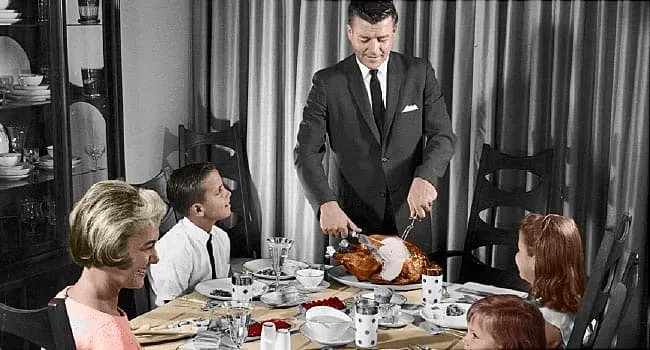
Thanksgiving is often linked to a 1621 harvest gathering in Plymouth Colony, where English colonists and Wampanoag people shared food after a difficult year. However, the familiar “first Thanksgiving” story is only part of a much larger and more complicated history. Both Europeans and Native communities already had long traditions of harvest feasts, gratitude ceremonies, and seasonal gatherings before 1621.
The menu was probably not your modern Thanksgiving plate
The classic Thanksgiving dinner now stars turkey, stuffing, mashed potatoes, cranberry sauce, green bean casserole, sweet potatoes, and pumpkin pie. But the 1621 meal likely looked very different. Historians believe wild fowl, venison, corn, beans, squash, and local seafood were more likely than the buttery mountain of side dishes we know today. Potatoes were not yet a common New England staple, and pumpkin pie required ingredients and ovens that were not exactly sitting around waiting for a cooking show close-up.
The Macy’s Thanksgiving Day Parade began as an immigrant-powered celebration
The Macy’s Thanksgiving Day Parade began in 1924 in New York City. Early versions included employees, costumes, floats, bands, and live animals from the Central Park Zoo. Santa Claus appeared at the end, which helped connect Thanksgiving to the start of the Christmas shopping season. Eventually, the zoo animals retired from parade dutyprobably after realizing they had not signed up for Broadway trafficand giant balloons became the stars.
The presidential turkey pardon is newer than many people think
The White House turkey pardon has become one of the goofiest official holiday traditions in America. Presidents crack poultry jokes, cameras flash, and one lucky bird gets celebrity treatment. The custom has earlier roots in turkey presentations to presidents, but the modern annual pardon is generally associated with the late 20th century. It is part ceremony, part public relations, and part national agreement that bird puns are somehow still funny.
Thanksgiving food safety deserves its own trivia point
Here is a practical fact that might save the holiday: cooked turkey should reach an internal temperature of 165 degrees Fahrenheit. Leftovers should be refrigerated within two hours, and large portions should be divided into shallow containers so they cool quickly. Translation: the turkey should not spend the evening lounging on the counter like it owns the place.
Christmas Fun Facts: Trees, Lights, Cards, and Reindeer With a Marketing Degree
Christmas traditions in the United States come from many places: Christian religious observance, European winter customs, Victorian family culture, American advertising, pop music, and the unstoppable power of decorative lighting.
Christmas trees became popular through European influence
Evergreen decorations have ancient roots, but the decorated Christmas tree became especially associated with German-speaking regions before spreading widely in the English-speaking world. In America, Christmas trees grew in popularity through the 19th century as families embraced home-centered holiday celebrations. Today, the tree is so iconic that a living room can look empty in December without one, even if the cat considers it a personal climbing gym.
The National Christmas Tree tradition began in 1923
The National Christmas Tree Lighting began when President Calvin Coolidge lit a tree near the White House in 1923. Over time, the ceremony grew into a major civic event. The National Park Service notes that the tradition later expanded to include the Pathway of Peace, with smaller trees representing U.S. states, territories, and the District of Columbia.
Rockefeller Center’s tree started during the Great Depression
The Rockefeller Center Christmas tree tradition began in the early 1930s. Construction workers put up the first tree during the Great Depression, and it later became one of the most recognizable holiday symbols in the country. What started as a modest gesture became a towering public ritual covered in lights, cameras, and enough sparkle to make Times Square nod respectfully.
Christmas cards turned greetings into an industry
Holiday cards began as a practical and social solution: people wanted to send greetings without writing dozens of long letters. In the United States, the modern Christmas card industry expanded in the early 20th century, especially through Kansas City’s Hall Brothers, later known as Hallmark. A small folded card became a seasonal tradition, family newsletter delivery system, and gentle annual reminder that some cousins are still very committed to matching pajamas.
Rudolph started as a department store character
Rudolph the Red-Nosed Reindeer was created in 1939 by Robert L. May for Montgomery Ward. The character began as a promotional booklet and later became a song, television classic, and holiday superstar. That means one of the most famous Christmas characters started as retail content marketing. Rudolph walked so sponsored holiday campaigns could run.
Kwanzaa Fun Facts: Seven Days, Seven Principles, One Powerful Cultural Celebration
Kwanzaa is a week-long African American and Pan-African cultural holiday celebrated from December 26 to January 1. It was created in 1966 by Dr. Maulana Karenga during a period when many African Americans were seeking stronger connections to African heritage, community identity, and cultural pride.
The name Kwanzaa connects to first fruits
The word Kwanzaa comes from a Swahili phrase meaning “first fruits.” That harvest connection is important because the holiday draws inspiration from African first-fruits celebrations, where communities gather to honor ancestry, values, work, family, and the promise of renewal.
The seven principles are called Nguzo Saba
Kwanzaa centers on the Nguzo Saba, or seven principles: unity, self-determination, collective work and responsibility, cooperative economics, purpose, creativity, and faith. Each day focuses on one principle, often through candle lighting, conversation, storytelling, art, music, and community reflection.
The kinara holds seven candles
The kinara is a candleholder with seven candles: one black candle, three red candles, and three green candles. The colors are symbolic and connect to Pan-African identity. Lighting the candles is not just decorative; it turns values into a visible daily ritual. Basically, it is a values-based countdown, but with more meaning and fewer chocolate doors than an Advent calendar.
Hanukkah Fun Facts: The Festival of Lights
Hanukkah is an eight-day Jewish holiday that commemorates the rededication of the Second Temple in Jerusalem in the second century BCE. It is often called the Festival of Lights because of the miracle tradition connected to oil lasting eight days.
Families commonly light a hanukkiah, a special nine-branched menorah, adding one candle each night. The ninth candle, called the shamash, is used to light the others. Hanukkah traditions also include songs, gifts, games, and foods cooked in oil, such as latkes and sufganiyot. The dreidel game uses a spinning top marked with Hebrew letters, and yes, it is one of the rare holiday games where snacks, coins, and competitive spirit can peacefully coexist.
Las Posadas Fun Facts: A Nine-Night Journey
Las Posadas is a Christmas tradition celebrated from December 16 to December 24, especially in Mexico and Mexican American communities. The word “posadas” means “inns” or “lodgings,” and the tradition reenacts Mary and Joseph’s search for shelter before the birth of Jesus.
Participants may process from house to house, sing call-and-response songs, pray, share food, and gather with neighbors. In many communities, Las Posadas includes piñatas, warm drinks, music, and children taking part in the procession. It is both spiritual and social: a holiday tradition where hospitality is not just discussed but practiced at the front door.
Diwali Fun Facts: Rows of Light and New Beginnings
Diwali, also called Deepavali, is widely known as the Festival of Lights. The name is often connected to rows of lamps, and light is central to the celebration. Traditions vary by region, religion, and family, but Diwali commonly includes diyas, sweets, prayers, gifts, new clothes, cleaning the home, and gathering with loved ones.
For many families in the United States, Diwali has become both a cultural and community celebration. Schools, museums, cities, and cultural organizations increasingly recognize it with events that highlight light, renewal, good over evil, and knowledge over ignorance. Also, the sweets deserve their own fan club. Possibly several.
Halloween Fun Facts: Costumes, Pumpkins, and Ancient Roots
Halloween has roots in the ancient Celtic festival of Samhain, a seasonal transition associated with harvest, bonfires, costumes, and beliefs about the boundary between the living and the dead. Later Christian observances around All Saints’ Day and All Souls’ Day shaped the calendar around October 31 and November 1.
In the United States, Halloween became a major community holiday with costumes, trick-or-treating, haunted houses, carved pumpkins, and candy diplomacy. The pumpkin jack-o’-lantern became especially popular in America because pumpkins were easier to carve than the turnips used in some older traditions. This is one of history’s better upgrades. Nobody wants to carve a turnip unless they have a personal grudge against their wrists.
Winter Solstice Fun Facts: The Original Return-of-Light Celebration
The winter solstice marks the shortest day and longest night of the year in the Northern Hemisphere. Across cultures, it has long inspired ceremonies, storytelling, feasting, fire, and reflection. For many Native communities, winter is also a season for stories, teachings, ceremonies, and honoring relationships with the natural world.
Solstice traditions remind us that winter holidays are often about more than decoration. They are about surviving darkness together, welcoming returning light, and finding meaning in seasonal rhythms. In other words, the sun starts making a comeback, and humans respond with candles, songs, and snacks. Very reasonable.
New Year’s Eve Fun Facts: Why a Giant Ball Drops in Times Square
New Year’s Eve in Times Square became a major public celebration in 1904, but the famous ball drop began in 1907. The first ball was made of iron and wood, measured five feet in diameter, weighed about 700 pounds, and used 100 light bulbs. It was inspired by time balls once used to help ships set their clocks.
Today, the Times Square ball has evolved into a massive crystal-covered symbol of countdown culture. Millions watch the event on television and online, proving that humanity has agreed on one thing: watching a glowing object slowly descend is somehow thrilling when the calendar changes.
Holiday Traditions IQ: Quick Trivia Round
1. Which holiday uses the Nguzo Saba?
Answer: Kwanzaa. The Nguzo Saba are the seven principles celebrated across seven days.
2. What temperature should turkey reach to be safely cooked?
Answer: 165 degrees Fahrenheit. Use a food thermometer, not wishful thinking.
3. When did the Times Square ball first drop?
Answer: 1907. The first ball was much smaller than today’s version, but still very dramatic for an object with no lines.
4. What does Las Posadas reenact?
Answer: Mary and Joseph searching for lodging before the birth of Jesus.
5. What is Hanukkah often called?
Answer: The Festival of Lights.
How to Build Your Own Holiday Traditions IQ at Home
Want to make holidays more meaningful and more fun? Start by asking better questions. Instead of only asking, “What are we eating?” try asking, “Where did this recipe come from?” or “Who started this tradition in our family?” You may discover that the famous casserole came from a neighbor, a church cookbook, a grandparent’s experiment, or a desperate attempt to use canned soup creatively.
You can also create a holiday trivia jar. Write questions about Thanksgiving, Christmas, Kwanzaa, Hanukkah, Diwali, Las Posadas, Halloween, solstice, and New Year’s Eve. During dinner or a gathering, let people draw questions. Keep the tone friendly. Nobody wants to lose custody of the mashed potatoes over a debate about parade balloons.
Another idea is a “tradition swap.” Each person shares one custom they love and explains why it matters. This works especially well in classrooms, community groups, and multicultural families. Traditions are easier to respect when people understand the story behind them.
Conclusion: The Smartest Holiday Tradition Is Curiosity
Holiday traditions are more than calendar decorations. They are cultural fingerprints, family archives, public performances, spiritual practices, and community bridges. Thanksgiving invites gratitude and historical reflection. Christmas fills homes and public spaces with music, lights, trees, cards, and stories. Kwanzaa highlights principles that strengthen identity and community. Hanukkah celebrates light and dedication. Las Posadas honors hospitality. Diwali glows with renewal. Halloween transforms fear into play. The winter solstice reminds us that light returns. New Year’s Eve gives everyone permission to count backward with complete confidence.
The best part of improving your holiday traditions IQ is that it makes every celebration richer. You stop seeing customs as random routines and start seeing them as stories. And once you know the stories, even a turkey thermometer, a candle, a card, or a giant glittering ball can feel a little more magical.
Personal Experiences and Real-Life Reflections on Holiday Traditions IQ
One of the most enjoyable ways to experience holiday traditions is to treat them like a family museum where nothing is behind glass and everything smells like cinnamon. Every home has its own exhibit. One family may have a Thanksgiving table where the turkey is sacred, the cranberry sauce must be homemade, and anyone who suggests skipping pie is treated as a suspicious outsider. Another family may order takeout, watch movies, and call it perfect. Both versions count because tradition is not about copying a textbook. It is about repeating something meaningful enough that people look forward to it.
A great holiday traditions IQ moment happens when someone finally asks the “why” question. Why do we put oranges in stockings? Why does Grandma always make the same bread? Why does Dad insist on using the oldest decorations even though half of them look like they survived a snowman rebellion? Those questions often unlock stories. Maybe the oranges came from a childhood memory when fruit felt like a special winter treat. Maybe the bread recipe traveled with relatives across states or countries. Maybe the old ornament was bought during a lean year, and keeping it became a reminder that joy does not need a luxury budget.
In multicultural neighborhoods and schools, holiday traditions become even more interesting. A December gathering may include Christmas cookies, Hanukkah candles, Kwanzaa colors, Diwali sweets, and someone explaining Las Posadas with the enthusiasm of a tour guide who has excellent snacks. These shared experiences help people move beyond the shallow version of holidays. Instead of thinking, “That is not my tradition,” people start thinking, “That is a beautiful tradition, and now I understand it better.” Curiosity becomes a kind of hospitality.
Holiday trivia can also change the mood of a gathering. Imagine a table where conversation is about to drift into awkward silence. Then someone asks, “Did you know the first Macy’s parade had live animals?” Suddenly everyone is awake. Someone jokes about a giraffe blocking traffic. Someone else remembers watching the parade as a child. A cousin starts arguing that balloons are better than floats. Nobody has solved world peace, but for ten minutes, everyone is connected. That is the sneaky power of fun facts: they give people an easy doorway into shared conversation.
Food traditions are especially powerful because they involve all the senses. The smell of roasted turkey, fried latkes, simmering pozole, fresh cookies, spiced cider, or sweet festival treats can bring back memories faster than a photo album. Even kitchen mistakes become part of the story. The burnt rolls. The pie that collapsed. The year someone forgot to thaw the turkey and the holiday meal became “Thanksgiving: Sandwich Edition.” Over time, these mishaps become legendary, retold with more drama every year. In families, exaggeration is basically a seasoning.
Building your own holiday traditions IQ does not require becoming a historian overnight. Start small. Learn the origin of one dish, one decoration, one song, or one public celebration. Ask relatives or friends what a holiday means to them. Read about traditions outside your own background. Try making a trivia card for each celebration. Add one new meaningful ritual each year, such as a gratitude note, candle reflection, recipe story, community service project, or family history question.
The goal is not to make holidays feel like homework. The goal is to make them feel more alive. When you understand the stories behind traditions, you enjoy them differently. The parade is not just balloons. The candles are not just candles. The tree is not just a tree. The meal is not just a meal. Each one is a tiny bridge between past and present, between culture and family, between memory and celebration. And that is the kind of holiday intelligence worth keeping long after the decorations go back into the box.