If your car has been running hotter than usual, your heater has been acting like it’s on a coffee break, or your coolant looks more like mystery soup than bright fluid, you’ve probably started wondering about a radiator flush. Fair question. The cooling system has one very important job: keep your engine from turning into a very expensive hot plate.
But here’s the beginner truth nobody says loudly enough: a radiator flush is not the same as topping off washer fluid or replacing an air freshener shaped like a pine tree. It involves hot pressurized parts, chemical coolant, and a surprising number of ways to make a small problem become a dramatic one. So this guide is designed to help beginners understand what a radiator flush is, when it matters, what can go wrong, and when it makes more sense to let a qualified adult or mechanic handle the hands-on work.
In other words, this is the practical, no-nonsense, slightly-humorous guide for people who want to be informed without accidentally auditioning for a car repair blooper reel.
What Is a Radiator Flush?
A radiator flush, often called a coolant flush, is part of cooling system maintenance. Over time, engine coolant can break down, lose some of its protective qualities, and collect rust, scale, or debris. When that happens, the fluid may not cool the engine as effectively as it should. That can lead to poor performance, overheating, and extra wear on parts like the radiator, water pump, hoses, and heater core.
In simple terms, a radiator flush is meant to help remove old contaminated coolant and replace it with fresh coolant that matches the vehicle’s specifications. Think of it as clearing out old sports drink from a water bottle before refilling it with something clean. Same bottle, better contents, fewer regrets.
Why Flushing a Radiator Matters
Many drivers don’t think about coolant until something starts steaming, dripping, or blinking on the dashboard. That is understandable. Coolant lives under the hood, minding its business, until it suddenly becomes everybody’s problem.
Fresh coolant does more than help prevent overheating in summer. It also helps protect against freezing in cold weather, fights corrosion inside the cooling system, and supports proper engine temperature year-round. When coolant gets old or contaminated, the engine may run hotter, cooling passages can become less efficient, and internal parts may be more vulnerable to rust and buildup.
That is why cooling system service matters. It is not glamorous, but neither is paying for an overheated engine. Routine radiator maintenance is one of those boring habits that can save real money later.
Signs Your Car May Need Coolant Service
Not every vehicle needs a radiator flush at the same mileage. Some use long-life coolant, while others need service sooner. The owner’s manual is the real boss here. Still, there are some common signs that your car may need attention:
1. The engine runs hot
If the temperature gauge climbs higher than normal, that is a warning sign. It does not automatically mean the coolant is the only issue, but poor coolant condition or low coolant can contribute to overheating.
2. The coolant looks dirty
Healthy coolant is usually bright and fairly clear in color, depending on the type used in your vehicle. If it looks rusty, cloudy, sludgy, or full of debris, it may be time for service.
3. The heater is weak
A struggling cabin heater can sometimes point to air in the system, low coolant, or clogged passages. If your car blows lukewarm air when it should be toasty, the cooling system deserves a closer look.
4. You notice a sweet smell
Coolant often has a sweet odor. If you notice that smell near the engine or inside the cabin, there may be a leak somewhere in the cooling system.
5. The coolant level keeps dropping
Coolant should not disappear like socks in a dryer. If you keep needing to add more, there may be a leak, a failing cap, or another issue that needs diagnosis before anyone even thinks about a flush.
Before You Even Think About a Radiator Flush
This is the part beginners should take seriously. A radiator flush is not a “just pop the cap and see what happens” kind of project. Hot cooling systems are under pressure. Coolant can cause burns, and used antifreeze must be handled and disposed of properly. It is also toxic, which makes spills especially dangerous around pets and small children.
If you are new to car maintenance, the smartest first move is not grabbing tools. It is checking the owner’s manual. That manual tells you what type of coolant the vehicle requires, how often service is recommended, and whether the system has any special procedures. That matters because using the wrong coolant or mixing incompatible coolant types can create new problems instead of solving old ones.
So if you remember only one beginner rule, make it this: never guess when it comes to coolant. Your engine is not a chemistry experiment.
Can Beginners Flush a Radiator Themselves?
Technically, some people do. Realistically, not every beginner should.
If you are brand-new to vehicle maintenance, a radiator flush sits in that awkward middle ground between “simple in theory” and “annoyingly easy to mess up.” The job can involve identifying the correct fluid, safely handling the cooling system, making sure old coolant is captured and recycled, and confirming the system is properly refilled and free of trapped air afterward. Miss one step, and you may end up with overheating, leaks, poor heater performance, or the kind of dashboard warning light that ruins your afternoon.
For many beginners, a better approach is to understand the process, inspect for warning signs, and let a trusted mechanic or knowledgeable adult handle the actual service. That is not a failure. That is called being smarter than your impulse to “figure it out live” on a machine worth thousands of dollars.
What a Proper Radiator Flush Service Usually Includes
Even if you are not doing the work yourself, it helps to know what a proper coolant service generally involves. A reputable shop will usually inspect the cooling system, remove old coolant, look for contamination or obvious leaks, refill with the correct coolant mixture, and make sure the system is operating normally afterward.
Depending on the vehicle and its condition, the technician may also inspect hoses, the radiator cap, clamps, and related cooling system parts. If there is a leak or a failed component, a flush alone will not solve the root problem. That is why a good mechanic should treat a radiator flush as part of cooling system care, not a magical fix for every temperature-related issue.
Common Beginner Mistakes to Avoid
Ignoring the owner’s manual
Some drivers assume coolant is coolant. It is not. Different vehicles may require different formulations, and mixing the wrong ones can lead to corrosion, sludge, or damage over time.
Assuming low coolant is normal
If your coolant level keeps dropping, topping it off again and again is not really “maintenance.” It may be a clue that there is a leak that needs repair.
Thinking a flush fixes everything
If your radiator is clogged, your thermostat is failing, your water pump is worn out, or your hoses are leaking, a flush by itself will not solve those issues. Coolant service helps, but it is not wizardry.
Waiting until the engine overheats
Cooling system maintenance works best as prevention. If you wait until the car is overheating badly, you may already be dealing with a more serious repair.
Choosing the cheapest option without asking questions
Price matters, sure. But when it comes to a coolant flush, it is worth asking what fluid will be used, whether the cooling system will be inspected, and whether disposal is handled properly. “Budget-friendly” should not mean “mystery liquid and good luck.”
How Often Should a Radiator Be Flushed?
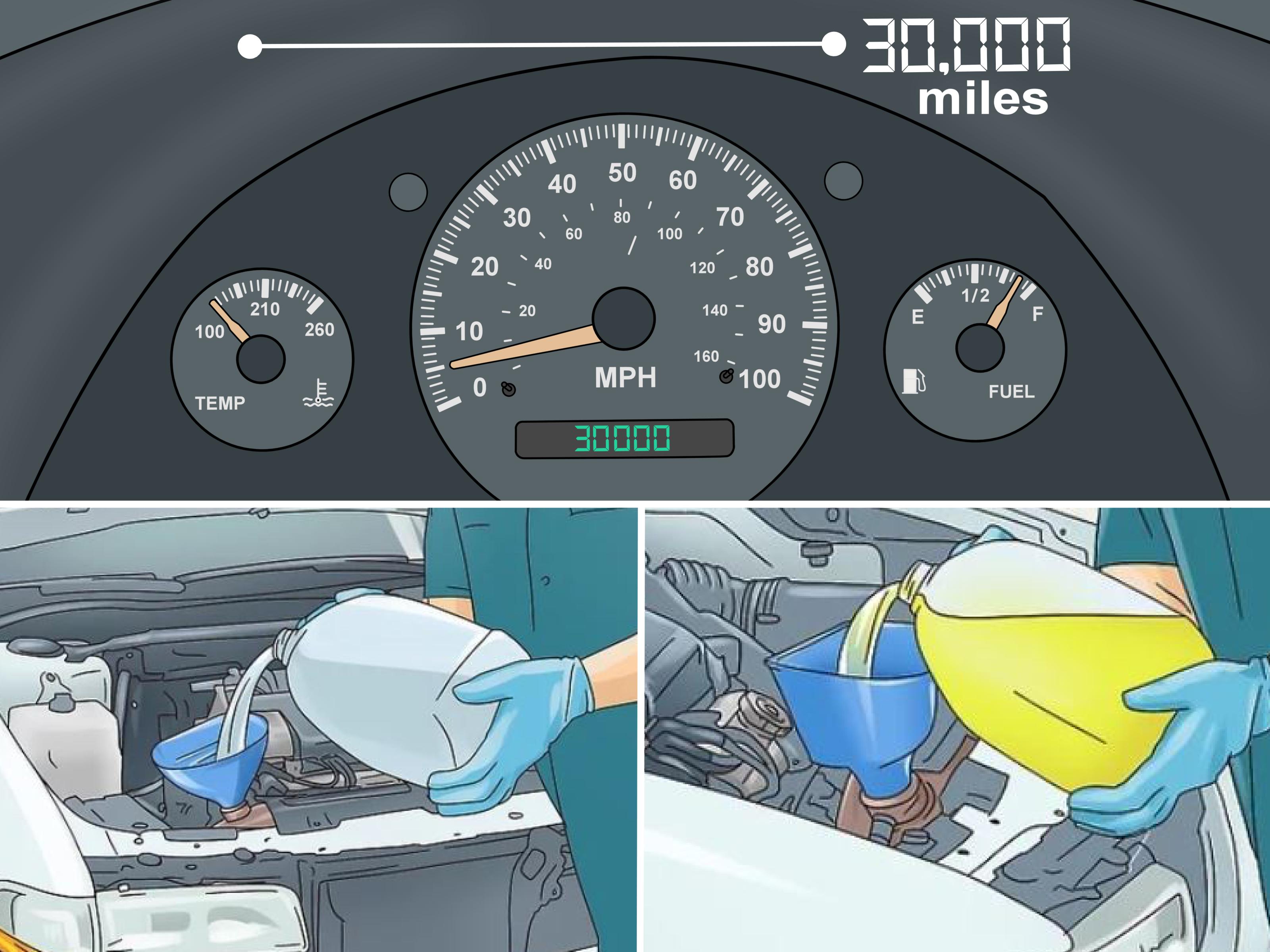
There is no single answer for every car. Some vehicles may need coolant service around the 30,000-mile mark, while others with long-life coolant can go much longer. The correct interval depends on the vehicle, the coolant type, driving conditions, and the manufacturer’s recommendations.
That is why “my cousin flushes his radiator every spring” is not a maintenance schedule. Your owner’s manual gives the correct service interval for your vehicle. If you do not have the manual, many manufacturers make digital versions available.
How Much Does a Radiator Flush Cost?
The price can vary depending on the vehicle, labor rates in your area, and whether the service includes extra inspection or replacement of parts. In general, a basic coolant service is far less expensive than repairing damage caused by chronic overheating. That is the real money lesson here.
If a shop recommends additional repairs, ask what problem they found, why it matters, and whether the flush alone would leave the issue unresolved. A good explanation should sound clear and logical, not like a dramatic speech written by a dealership villain.
When to Stop and Call a Professional
You should stop and get professional help if the vehicle is overheating, losing coolant repeatedly, showing signs of a major leak, or running poorly. The same goes if you are unsure which coolant is correct, unsure whether the system is safe to touch, or unsure whether a flush is even the right service.
There is also a practical rule here: if you are guessing, pause. Cooling system mistakes can get expensive fast. Confidence is great. Verified information is better.
Beginner-Friendly Takeaway
So, how to flush a radiator if you are a beginner? Start by understanding the job before trying to do the job. Learn what coolant your vehicle uses, learn the recommended service interval, watch for symptoms of trouble, and respect the fact that the cooling system can be dangerous when hot. If you have experience, proper supervision, and the correct service information, coolant maintenance may be manageable. If not, it is perfectly reasonable to let a qualified person handle it.
The goal is not to prove that you can do every repair yourself. The goal is to keep the engine healthy, the cooling system clean, and your weekend free from panic. That is real beginner wisdom.
Extra Experience: What Beginners Often Learn the Hard Way
One of the most common beginner experiences with radiator maintenance starts with something small: the temperature gauge creeping a little higher than usual. Not red-zone disaster. Not dramatic steam clouds. Just “huh, that seems warmer than normal.” A lot of new drivers ignore that moment because the car still runs, the music still plays, and the windshield wipers have not fallen off, so everything feels fine. Then a week later, the heater starts acting strange, or the coolant reservoir looks low, and suddenly what seemed like a tiny issue becomes a bigger one.
That pattern teaches an important lesson: cooling system problems love subtle beginnings. They rarely walk into your life wearing a neon sign and holding a megaphone. More often, they whisper. A faint sweet smell. A small puddle. A temperature needle that behaves a little differently on hills. A beginner who notices those clues early often saves money. A beginner who waits for a full breakdown often gets a much more expensive education.
Another experience many first-timers talk about is discovering that “radiator flush” sounds simpler than it really is. Before learning about coolant, lots of people imagine it is basically like draining old water and pouring in new water. Then they discover there are different coolant formulas, different service intervals, different system designs, and actual consequences for using the wrong stuff. That is usually the moment when confidence takes one polite step backward and respect for the owner’s manual finally arrives.
There is also the unforgettable experience of realizing that cars are full of systems that depend on each other. A beginner may think, “I’m just dealing with the radiator,” but then learns the cooling system involves the radiator, hoses, thermostat, water pump, reservoir, cap, heater core, and sensors. It is a team sport under the hood. If one part is leaking or failing, a flush may help maintenance but not cure the larger issue. That experience can be frustrating, but it also makes beginners better at asking the right questions.
Plenty of people also learn that a trustworthy mechanic is worth their weight in premium motor oil. A good shop will explain whether the vehicle actually needs a coolant flush, whether the coolant is simply low, or whether there is a leak or part failure that needs repair first. That kind of honesty helps beginners build confidence, because they start to understand not just what service is recommended, but why.
Then there is the most relatable experience of all: the moment someone realizes routine maintenance is wildly cheaper than drama. Nobody brags at parties about getting their coolant serviced on schedule. It is not flashy. It will not make your neighbors gasp in admiration. But it can help prevent overheating, protect the engine, and keep the car more dependable. And honestly, dependable is underrated. Dependable gets you home. Dependable gets you to school, work, or the grocery store without an overheated roadside identity crisis.
For beginners, that may be the biggest takeaway of all. Learning about radiator flushing is not really just about one maintenance task. It is about learning how cars communicate, how preventive care works, and how small warning signs deserve attention. Once you understand that, you stop treating maintenance as random bad news and start seeing it as part of owning a vehicle responsibly. That is a useful mindset whether you ever touch a wrench or simply become the kind of driver who knows when to ask for the right service.
Conclusion
A radiator flush is an important part of cooling system maintenance, but it is not a casual beginner project to improvise. The smartest move is to understand the purpose of the service, watch for symptoms like overheating or dirty coolant, follow the owner’s manual, and make sure the correct coolant is used. If you are unsure, let a qualified adult or trusted mechanic handle the hands-on work. That way, your engine stays cool and your stress level does too.