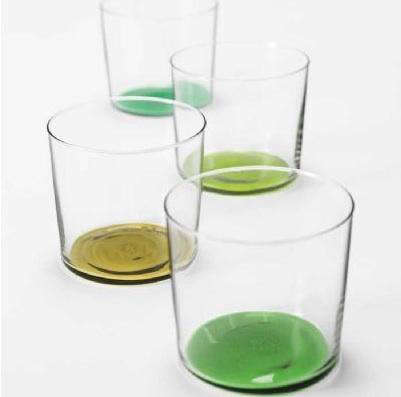
If a dining table had a personality test, glassware would be the section that exposes everything. Are you crisp and minimalist? Moody and dramatic? The kind of person who lights a candle on a Tuesday because pasta deserves ambiance? That is where LSA’s Coro Tumblers come in. They are not loud in the way novelty drinkware is loud. They are clever. They take a familiar object, the everyday tumbler, and give it a little wink through color, proportion, and an easy-to-live-with shape.
At first glance, the Coro Tumblers feel simple. That is part of their charm. But simple is not the same as boring, and LSA clearly understands the difference. These tumblers are designed to bring a little color to the tabletop without turning dinner into a theme party. Their fine glass walls, stackable form, and tinted bases hit a sweet spot between practical and decorative. In other words, they are the kind of glasses that can serve water with lunch, spritzes at sunset, and a suspiciously generous pour of juice when company comes over and nobody wants to admit they are trying to impress each other.
For anyone building a tabletop that feels modern, welcoming, and just polished enough, Coro Tumblers are worth a closer look. They fit beautifully into the current love affair with expressive glassware, yet they avoid the trap of becoming so trendy that they feel exhausting after six months. That balance matters. Good tabletop design should make a meal feel better, not make the host nervous.
What Are Coro Tumblers from LSA, Exactly?
Coro Tumblers are part of LSA International’s tabletop and drinkware lineup, a brand known for contemporary glass design. The Coro range focuses on everyday drinkware with color as the visual hook. Rather than tinting the whole tumbler, the design places color at the base, which creates a lighter, fresher look. The effect is subtle from a distance and surprisingly lively up close, especially when light passes through the glass or when the tumblers are placed on a table near linens, ceramics, or wood.
The appeal is not just visual. Coro Tumblers are shaped with fine walls and a clean, slightly conical silhouette that feels modern without trying too hard. They are also stackable, which may not sound glamorous, but anyone who has ever fought a tiny kitchen cabinet like it was a final boss knows that stackability is a design love language. Most versions are sold as a set of four in coordinated color families, with palettes typically built around berry, leaf, or lagoon tones. Capacity lands at roughly 10 ounces, making them a comfortable size for water, juice, cocktails, or small mixed drinks.
This is one of the reasons Coro works so well on the tabletop: it is versatile enough for daily use, but refined enough to feel intentional. You do not have to wait for a dinner party to justify pulling them out. In fact, they look best when they are part of real life. A carafe of water, a bowl of citrus, a wrinkled linen napkin, a plate of grilled vegetables, and suddenly your kitchen table is having a better day than most people.
Why Colorful Glassware Is Having a Big Tabletop Moment
Colorful glassware has become one of the easiest ways to add personality to a table without overcomplicating it. That trend makes perfect sense. Plates and flatware often set the structure of a table, but glasses provide movement. They catch light, reflect nearby colors, and shift visually as the meal progresses. A glass can feel almost architectural on a tablescape, especially when repeated across place settings.
That broader design movement helps explain why Coro feels timely. The current tabletop mood is less about stiff matching sets and more about layered harmony. People are mixing old and new, soft neutrals and brighter accents, collected pieces and practical workhorses. In that world, a tumbler with a clear body and a colored base is useful because it participates in the color story without hijacking it. It adds life, but it still plays well with others.
There is also something emotionally smart about colored glass. It can make everyday hydration feel less utilitarian. Water looks crisper. Citrus slices look prettier. A spritz suddenly looks like it deserves an outdoor lunch, even if you are technically eating leftovers while answering emails you do not want to answer. Good tabletop pieces do that. They take the same meal and make it feel more considered.
The Design Details Doing the Heavy Lifting
The Colored Base
The most distinctive feature of the Coro Tumblers is the color placement. By keeping the body clear and concentrating color at the base, LSA creates a tumbler that feels airy rather than heavy. A fully colored glass can sometimes dominate a place setting. Coro does not. It behaves more like a visual accent, almost like a dot of watercolor under each drink. That makes the tumblers easier to pair with different table linens, plate styles, and seasonal decor.
The Fine Walls
Fine glass walls make a surprisingly big difference in how a tumbler feels. Heavier glasses can read rustic or sturdy, which works in some settings. Coro leans more refined. The thinner profile gives the glasses a lighter visual footprint and a more elegant hand feel. That matters when the goal is to make everyday tabletop design feel elevated rather than bulky.
The Stackable Shape
Stackability is where Coro stops being merely pretty and starts being truly useful. Modern tabletop shoppers increasingly want pieces that earn their storage space. These tumblers are designed to nest neatly, which means they can live in an apartment kitchen, a family cupboard, or a host’s overworked bar shelf without becoming a nuisance. Functional design is always more attractive than decorative regret.
The Color Families
Berry, leaf, and lagoon palettes each create a different mood. Berry feels warm and festive. Leaf feels grounded and fresh. Lagoon leans breezy and coastal. That gives buyers a chance to align the glassware with their space or hosting style. A neutral kitchen with oak shelving might love leaf. A spring-and-summer table full of linen and seafood might lean lagoon. A holiday host who wants a richer table without going full velvet opera could absolutely make berry work.
How to Style Coro Tumblers on a Real Table
The easiest mistake in tabletop styling is trying too hard. Coro Tumblers are at their best when the rest of the table gives them room to breathe. Because the glasses already carry color, they work beautifully with simple plates, natural textures, and relaxed layers.
For a Weeknight Table
Pair them with off-white stoneware, cotton napkins, and a plain wooden board in the center of the table. Add a salad bowl, a pitcher of water with lemon, and one low vase. Done. The tumblers become the color accent, and the whole table feels intentional without looking staged for social media by someone who alphabetizes their spice drawer for fun.
For a Casual Summer Lunch
Coro Tumblers shine in daylight. Use striped or natural linen placemats, simple ceramic plates, and fresh herbs or wildflowers down the center. The colored bases echo the lightness of the season without feeling overly thematic. Lagoon tones especially feel right at home with seafood, salads, grilled vegetables, and chilled drinks.
For Entertaining with Mixed Pieces
These tumblers also fit the collected-table look. Mix vintage dishes with modern flatware, or pair hand-thrown ceramics with crisp glass and a single polished serving piece. Coro bridges those worlds well because its silhouette is contemporary while its color keeps it warm and approachable. It does not read clinical. It reads lived-in, but stylish.
For Cooler Seasons
If you want Coro to work in fall and winter, lean into contrast. Use darker linens, candlelight, matte ceramics, and textured serving pieces. The clear glass keeps the table from feeling visually heavy, while the colored bases provide small flashes of warmth. In a season of rich food and layered decor, that little hit of brightness goes a long way.
Who Should Buy Coro Tumblers?
These tumblers make sense for several kinds of shoppers. First, they are great for the person who wants to upgrade everyday drinkware without becoming the sort of person who says “curated vessel collection” with a straight face. Coro is approachable design. It looks thoughtful, but it is still fundamentally useful.
They are also a smart fit for hosts who want flexible tabletop pieces. Because the glasses are not tied to one narrow aesthetic, they can move across occasions with ease. They can serve family breakfast, dinner with friends, mocktails on the patio, or water at a holiday table. That kind of versatility matters more than people think. The best tabletop pieces are the ones you reach for often, not the ones that hide in a cabinet waiting for the Queen.
Finally, Coro Tumblers are a good option for gift buyers. A set of four has enough presence to feel generous but not so much specificity that it becomes risky. Most homes can use attractive everyday glassware. And unlike some trend-forward tabletop gifts, these do not demand a full redecoration project to make sense.
Care, Durability, and Everyday Reality
Because Coro Tumblers are refined rather than chunky, they are best treated with a little respect. Hand washing is the smarter approach, especially for glassware with decorative color accents. A soft cloth and warm soapy water are usually enough. That may sound mildly annoying in the age of dishwasher optimism, but hand washing elegant glassware is often the trade-off for keeping it looking crisp and clear over time.
The good news is that these are still everyday tumblers, not museum relics. Their stackable design and practical size suggest they were made to be used regularly. They just reward a bit of care. Think of them like linen shirts or good leather shoes. They are happiest when they are part of daily life, but not abused by it.
Why LSA Still Matters on the Modern Tabletop
LSA has built its reputation around contemporary glass and tableware that feel clean, tactile, and quietly distinctive. That matters in a market crowded with disposable trends and copycat pieces. Coro Tumblers reflect that design approach well. They are not chasing novelty through odd shapes or gimmicks. Instead, they refine an everyday form and let proportion, color, and usability do the work.
That is probably the smartest thing about them. They do not scream for attention. They simply make the table better. And that is often the difference between a product that looks good online and a product that actually belongs in your home.
Experience: What Living with Coro Tumblers Feels Like
Imagine opening the cupboard on an ordinary morning and seeing four glasses stacked neatly instead of tumbling around like they lost an argument in the dark. That is the first pleasant thing about Coro Tumblers: they feel organized before you even use them. There is something satisfying about a tabletop object that looks calm in storage and equally calm in use. Even before the coffee is finished working its magic, that counts as emotional support.
At breakfast, the tumblers make orange juice or cold water look more alive. The colored base catches the morning light and throws a faint tint across the table, almost like the glass is participating in the day. It is a small visual moment, but those are often the details that make a home feel considered. Coro does not demand a fancy meal or a coordinated tablecloth. It improves the simple ritual of sitting down and drinking something cold while the toast cools faster than expected.
By lunch, the glasses start showing their versatility. Fill one with sparkling water and lime, and suddenly a sandwich feels less like a rushed necessity and more like a proper pause. Use them outdoors and they feel relaxed, but not flimsy. Use them indoors with ceramics and folded napkins and they feel polished, but not formal. That flexibility is what people really want from everyday tabletop design. Nobody wants a glass that only makes sense during one very specific mood and one very specific cheese board.
At dinner, Coro Tumblers become even more interesting. Candlelight hits the base differently than daylight does. The color deepens. The clear upper half keeps the table from looking crowded, while the lower part gives each place setting a little punctuation mark. If the meal includes roasted vegetables, pasta, grilled fish, or even takeout transferred onto real plates, the glasses help everything feel more intentional. They are not performing elegance in a stiff way. They are making hospitality feel easier.
There is also a tactile experience to consider. A tumbler that is too heavy can feel clumsy. A tumbler that is too delicate can make people nervous. Coro sits in a comfortable middle zone. It feels refined in the hand, but not precious. Guests are likely to notice it, turn it slightly, and ask where it came from. That is usually the sign of a successful tabletop piece. It invites interest without begging for attention.
Over time, the biggest pleasure may be how naturally the glasses become part of a household rhythm. They stack. They style well. They work across seasons. They can look fresh with lemons in July and still feel right beside candlelight in November. That kind of adaptability is what turns a good purchase into a lasting favorite. Coro Tumblers are not just pretty objects for a product page. They are the sort of tabletop companions that quietly improve the everyday performance of home life, one sip at a time.
Conclusion
LSA’s Coro Tumblers succeed because they understand what modern tabletop design needs most: ease, beauty, and enough personality to make a table feel alive. Their colored bases add charm without chaos. Their fine walls keep the silhouette light. Their stackable form makes them useful in actual kitchens, not just dream kitchens owned by people who somehow never spill tomato sauce.
If you want glassware that can move from casual breakfasts to low-key entertaining while still making the table feel special, Coro is an easy recommendation. It is design with restraint, function with style, and color with manners. In the crowded world of tabletop accessories, that combination is rarer than it should be.
Note: This web-ready HTML body is written in standard American English and intentionally removes placeholder citation artifacts or publishing clutter.