Note: This article is original web-publishing content based on real design information and practical wooden utensil care guidance. No source links or content reference tags are included inside the article body.
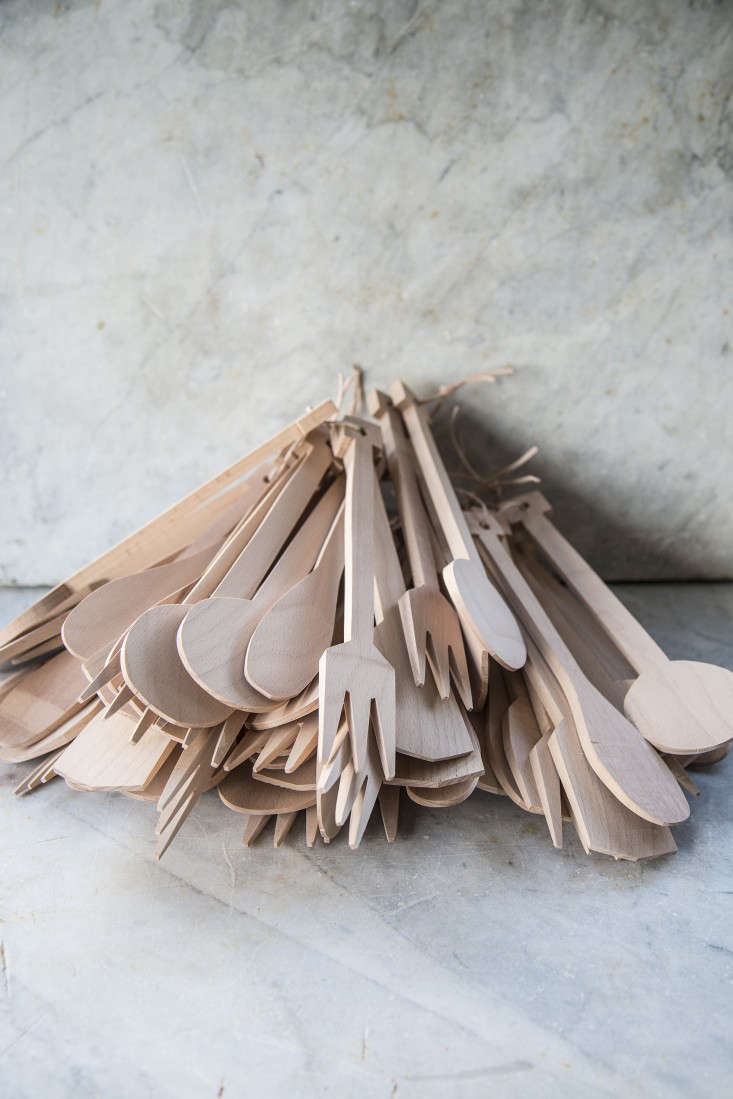
Some kitchen tools try to impress you with silicone grips, space-age coatings, and packaging that looks like it escaped from a tech conference. Antonio Aricò’s beech wood kitchen utensils take a very different route. They look as if they wandered in from a warm Calabrian kitchen, nodded politely to contemporary design, and decided to stay for dinner.
These utensils are not just spoons, spatulas, and serving tools. They are small wooden characters with handmade irregularities, playful silhouettes, and a story rooted in family, memory, craft, and the everyday rituals of cooking. In a world where kitchen drawers are full of identical factory-made gadgets, Aricò’s work reminds us that a humble wooden utensil can still have a personality.
Who Is Antonio Aricò?
Antonio Aricò is an Italian artist, designer, and creative director from Reggio Calabria, a region in southern Italy known for its Mediterranean landscape, strong traditions, and expressive visual culture. His work often sits at the intersection of craft and industrial design. That means he is not interested only in making objects look good on a shelf. He wants them to feel connected to human habits, family stories, and the kind of domestic life that does not need a museum label to be meaningful.
Aricò has worked across furniture, objects, tableware, and collaborations with notable design brands. Yet one of the most charming aspects of his practice is the way he returns to simple domestic forms. A chair, a spoon, a rolling pin, or a block of wood can become a carrier of memory. In his design language, nostalgia is not dusty. It is active, useful, and sometimes quietly funny.
A Designer With Sawdust in the Story
Many designers talk about craft as an aesthetic. Aricò treats it more like a family language. His background includes a strong connection to carpentry and handmade objects, especially through his grandfather’s workshop culture. That family influence matters because his beech wood kitchen utensils do not feel like objects designed from a distance. They feel sketched from memory, cut by hand, and shaped with affection rather than over-polished perfection.
The Story Behind Antonio Aricò’s Beech Wood Kitchen Utensils
Antonio Aricò’s beech wood kitchen utensils are associated with his Oldways project, a collection inspired by simple objects that hung on the walls of his grandfather’s kitchen. The idea is wonderfully direct: take familiar tools from domestic life, reinterpret them through drawing and craft, and keep the result honest enough that it still belongs in a real kitchen.
The utensils are known for their hand-drawn shapes and simple artisanal production. Instead of strict symmetry, they have gentle variations. One spoon may look slightly more relaxed than another. A spatula may carry an outline that feels more like a sketch than an engineered blueprint. That is the point. Their small differences give them warmth, like dinner guests who all arrived wearing the same color but somehow still look completely different.
Why Beech Wood?
Beech wood has long been used for kitchen tools because it is hard, dense, practical, and relatively smooth when finished well. It has a pale, understated look that fits both rustic and modern kitchens. Unlike flashy exotic woods, beech does not shout. It quietly gets to work.
For cooking utensils, beech wood offers several useful qualities. It is gentle on cookware, including nonstick pans and enamel surfaces. It does not conduct heat like metal, so a spoon handle is less likely to become a tiny medieval punishment device after five minutes in a pot. It also has a natural tactile appeal. Holding a wooden utensil feels different from holding plastic or stainless steel. It has warmth, grain, and a little bit of resistance in the hand.
Design Analysis: Rustic, Playful, and Surprisingly Modern
The genius of Antonio Aricò’s beech wood kitchen utensils is that they do not try too hard. Their charm comes from restraint. The forms are basic enough to be understood instantly, but unusual enough to make you pause. A spoon is still a spoon. A paddle is still a paddle. Yet the proportions, curves, and handmade outlines create an emotional response that standard kitchen tools rarely achieve.
The Beauty of Imperfection
Mass-produced utensils often aim for consistency. Aricò’s utensils lean into variation. Their hand-drawn quality suggests that usefulness does not require visual obedience. This is especially important in contemporary design, where consumers are increasingly drawn to objects that show evidence of human making.
Imperfection here does not mean poor quality. It means character. A slightly irregular edge, a softer curve, or a more whimsical silhouette can make the object feel alive. In the kitchen, that matters. Cooking is not a sterile activity. It involves steam, sauce, timing, impatience, garlic on your fingers, and occasionally pretending you meant to brown the butter that much. Handmade wooden utensils belong naturally in that environment.
A Mediterranean Mood Without the Clichés
These utensils carry a Mediterranean feeling, but not in the predictable postcard way. There are no painted lemons, fake rustic slogans, or forced farmhouse drama. Instead, the mood comes through material, simplicity, and memory. The tools suggest a kitchen where objects are used, repaired, hung on walls, passed around, and appreciated because they work.
That sense of lived-in utility is what makes the design feel modern. Contemporary interiors often need warmth to balance clean lines, stone counters, and stainless appliances. A beech wood spoon with an irregular handmade shape can soften a sleek kitchen better than yet another decorative bowl nobody is allowed to touch.
How These Utensils Fit Into a Modern Kitchen
Antonio Aricò’s beech wood kitchen utensils are not just pretty props for people who alphabetize their spice jars. They can fit naturally into daily cooking if treated with reasonable care. Their visual personality makes them attractive enough to display, while their material makes them suitable for common kitchen tasks such as stirring, serving, mixing, and scraping softer foods from pans.
For Cooking
Wooden utensils are especially useful for stirring soups, sauces, risotto, beans, and stews. Beech wood is firm enough to provide control but gentle enough not to scratch delicate surfaces. A wooden spoon also gives the cook useful feedback. You can feel thickness changing in a sauce or dough in a way that plastic tools often fail to communicate. It is a small thing, but good cooking is full of small things.
For Serving
Because Aricò’s utensils have sculptural shapes, they work beautifully as serving tools. Use them with roasted vegetables, handmade pasta, grain salads, bread boards, or a relaxed family-style meal. They bring texture to the table without looking overly formal. If a stainless serving spoon says, “We have dinner at 7:00,” a handmade beech wood utensil says, “Come sit down; there is more in the pot.”
For Display
The Oldways inspiration makes wall display especially fitting. These utensils look natural when hung from hooks, arranged near a prep area, or placed in an open crock beside the stove. Their forms are interesting enough to act as decor, but they are still tools. That balance is important. A kitchen object should not become so precious that using it feels like vandalism.
Beech Wood vs. Plastic, Silicone, and Metal Utensils
Every utensil material has a personality. Metal is strong and precise, but it can scratch cookware and conduct heat. Silicone is flexible and colorful, but it often lacks the tactile satisfaction of wood. Plastic is cheap and lightweight, but many cooks are moving away from it because it can stain, warp, melt, or feel disposable. Beech wood sits in a pleasing middle ground: durable, warm, traditional, and visually appealing.
Beech Wood and Cookware Protection
Wood is one of the friendliest materials for cookware. It will not scrape the coating off a nonstick skillet or make that screeching sound metal sometimes produces on a pan. For home cooks who use enameled Dutch ovens, ceramic-coated pans, or nonstick cookware, wooden utensils are a smart everyday choice.
Beech Wood and Heat
Wood does not transfer heat quickly, which makes it comfortable to hold during cooking. Still, it should not be left sitting in a hot pan or resting against an open flame. A wooden spoon is loyal, but it is not fireproof. Treat it like a good friend: keep it close to the action, but do not abandon it in danger.
Beech Wood and Sustainability
Wooden utensils also appeal to people who prefer natural materials in the kitchen. When made well and cared for properly, they can last for years. That longevity is part of their environmental value. A tool that ages gracefully and stays in use is almost always better than a trendy gadget that breaks, melts, or disappears into the mysterious drawer where unused avocado slicers go to think about their choices.
How to Care for Beech Wood Kitchen Utensils
The care routine for beech wood utensils is simple, but it does require consistency. Wood is a natural material. It responds to moisture, heat, and dryness. If you treat it well, it rewards you with years of service and a better surface over time.
Wash by Hand
Always wash wooden utensils by hand with warm water and mild dish soap. Clean them soon after use so food does not dry into the grain. A sponge or soft brush is usually enough for everyday cleaning. For stubborn spots, use the rough side of a sponge gently rather than attacking the utensil like it owes you money.
Avoid the Dishwasher
Do not put beech wood utensils in the dishwasher. High heat, harsh detergent, and long water exposure can dry out the wood, strip protective oils, cause warping, and create cracks. The dishwasher is wonderful for plates and glasses, but for wooden utensils, it is basically a spa day run by villains.
Do Not Soak
Never leave wooden utensils soaking in the sink. Extended soaking can make the wood swell, split, or become rough. Wash, rinse, and dry promptly. Stand the utensils upright or lay them where air can circulate around them.
Oil When Needed
When beech wood starts to look dry or pale, apply a small amount of food-safe mineral oil or a food-safe wood conditioner. Rub it in, let it absorb, and wipe away the excess. This simple habit helps prevent cracking and keeps the utensil smooth. Avoid cooking oils such as olive oil for long-term conditioning because they can become sticky or develop unpleasant odors over time.
Who Should Buy Antonio Aricò’s Beech Wood Kitchen Utensils?
These utensils are best for people who appreciate objects with a story. If you want every spoon in your drawer to look identical, laser-straight, and emotionally unavailable, this may not be your set. But if you like handmade design, Italian craft traditions, rustic-modern interiors, and kitchen tools that can double as conversation pieces, Antonio Aricò’s beech wood kitchen utensils are worth attention.
Design Collectors
Collectors of contemporary craft and design will appreciate the connection between Aricò’s personal history and the final object. These utensils represent more than function. They express a design philosophy where cultural memory and daily life belong together.
Home Cooks
Home cooks who enjoy slow cooking, handmade pasta, soups, sauces, and family-style meals may find these utensils especially satisfying. They are not about speed or gadgetry. They are about contact: hand to handle, spoon to pot, food to table.
Interior Stylists and Gift Buyers
For stylists, the utensils bring instant warmth to a kitchen scene. For gift buyers, they offer something more personal than another generic kitchen set. A handmade beech wood utensil feels thoughtful without being fragile, decorative without being useless, and special without requiring the recipient to redesign their entire life around it.
Styling Ideas for a Kitchen With Handmade Wooden Utensils
One of the easiest ways to style Antonio Aricò’s beech wood kitchen utensils is to let them be seen. A wall rail with simple hooks can turn them into a small installation. A ceramic crock can make them feel casual and accessible. Placing them beside a cutting board, linen towel, or stoneware bowl creates a natural palette that works well in both rustic and modern kitchens.
Pair With Natural Materials
Beech wood pairs beautifully with linen, terracotta, marble, stoneware, copper, and matte ceramics. The pale tone of the wood keeps the look light, while the handmade shapes prevent the arrangement from feeling too staged.
Use Contrast
In a minimalist kitchen, these utensils can provide contrast against sleek cabinets and polished surfaces. In a rustic kitchen, they blend into the atmosphere while adding a designer edge. Either way, they help the room feel more human.
Do Not Overstyle
The best approach is restraint. Let the utensils hang, rest, or stand naturally. They already have character. If you surround them with too many props, the kitchen starts to look less like a place to cook and more like a photo shoot where the soup is getting cold.
Experience Notes: Living With Beech Wood Kitchen Utensils
Using beech wood kitchen utensils changes the rhythm of cooking in a subtle way. The first thing you notice is the feel. A wooden handle does not have the cold shock of stainless steel or the rubbery bounce of silicone. It feels calm in the hand. When stirring a pot of tomato sauce, the spoon moves with a soft resistance along the bottom of the pan. You can sense whether the sauce is thickening, whether onions are catching, or whether risotto needs another ladle of stock. That kind of feedback makes cooking feel less like following instructions and more like having a conversation with the food.
Antonio Aricò’s beech wood kitchen utensils add another layer to that experience because their shapes are not anonymous. You do not grab one simply because it is the nearest tool. You choose it because it has a particular curve, width, or mood. A broad paddle may feel right for folding vegetables through polenta. A smaller spoon may be perfect for tasting soup. A longer tool may become the one you always reach for when cooking beans because it reaches the bottom of the pot without making your hand feel like it has entered a steam sauna.
The experience also continues after cooking. Washing a wooden utensil by hand is not difficult, but it does slow you down for a moment. You rinse away the sauce, rub the surface clean, dry it, and place it somewhere with air. That tiny ritual can make the tool feel more valued. Instead of disappearing into the dishwasher with everything else, it gets a few seconds of attention. Over time, this attention becomes part of the pleasure of ownership.
There is also something satisfying about how wooden utensils age. A brand-new beech wood spoon looks pale, clean, and modest. After months of cooking, it begins to gain a deeper tone. The surface becomes more familiar. Small marks may appear, but they do not ruin the object. They record use. In a kitchen culture obsessed with keeping everything showroom-perfect, that is refreshing. A well-used wooden utensil does not look damaged; it looks trusted.
These utensils can also change how a kitchen feels to guests. When people see handmade wooden tools hanging on a wall or standing in a crock, they immediately understand that cooking happens here. Not just reheating. Not just arranging takeout in nicer bowls. Actual cooking. The utensils suggest meals with texture, time, and maybe someone asking, “Who used the good spoon for the chili?” They give the kitchen a lived-in confidence.
Of course, beech wood utensils are not magic. They need care. Leave them in water overnight, and they will complain by becoming rough or warped. Put them in the dishwasher, and they may never forgive you. But that care requirement is part of the relationship. These are not disposable objects. They ask for a little responsibility, and in return they offer durability, beauty, and a connection to a slower, more tactile way of cooking.
For anyone used to plastic utensils, the switch can feel surprisingly meaningful. Plastic often feels temporary, even when it lasts. Wood feels permanent, even when it is humble. Antonio Aricò’s version goes a step further by making the utensil feel like a designed artifact without stripping away its usefulness. You can admire it, but you can also stir soup with it. That balance is rare, and it is exactly what makes these beech wood kitchen utensils memorable.
Final Thoughts
Antonio Aricò’s beech wood kitchen utensils prove that everyday objects can carry depth without becoming complicated. They are simple tools, but they are also design stories shaped by family memory, Italian craft, and the quiet beauty of useful things. Their beech wood construction makes them practical for cooking, while their handmade character makes them worth displaying.
In a kitchen full of fast gadgets and disposable trends, these utensils offer a different kind of value. They ask you to slow down, cook with your hands, care for your tools, and appreciate the small details that make daily life richer. That may sound romantic for a wooden spoon, but anyone who has a favorite cooking utensil knows the truth: the best tools become part of the meal before the food ever reaches the plate.