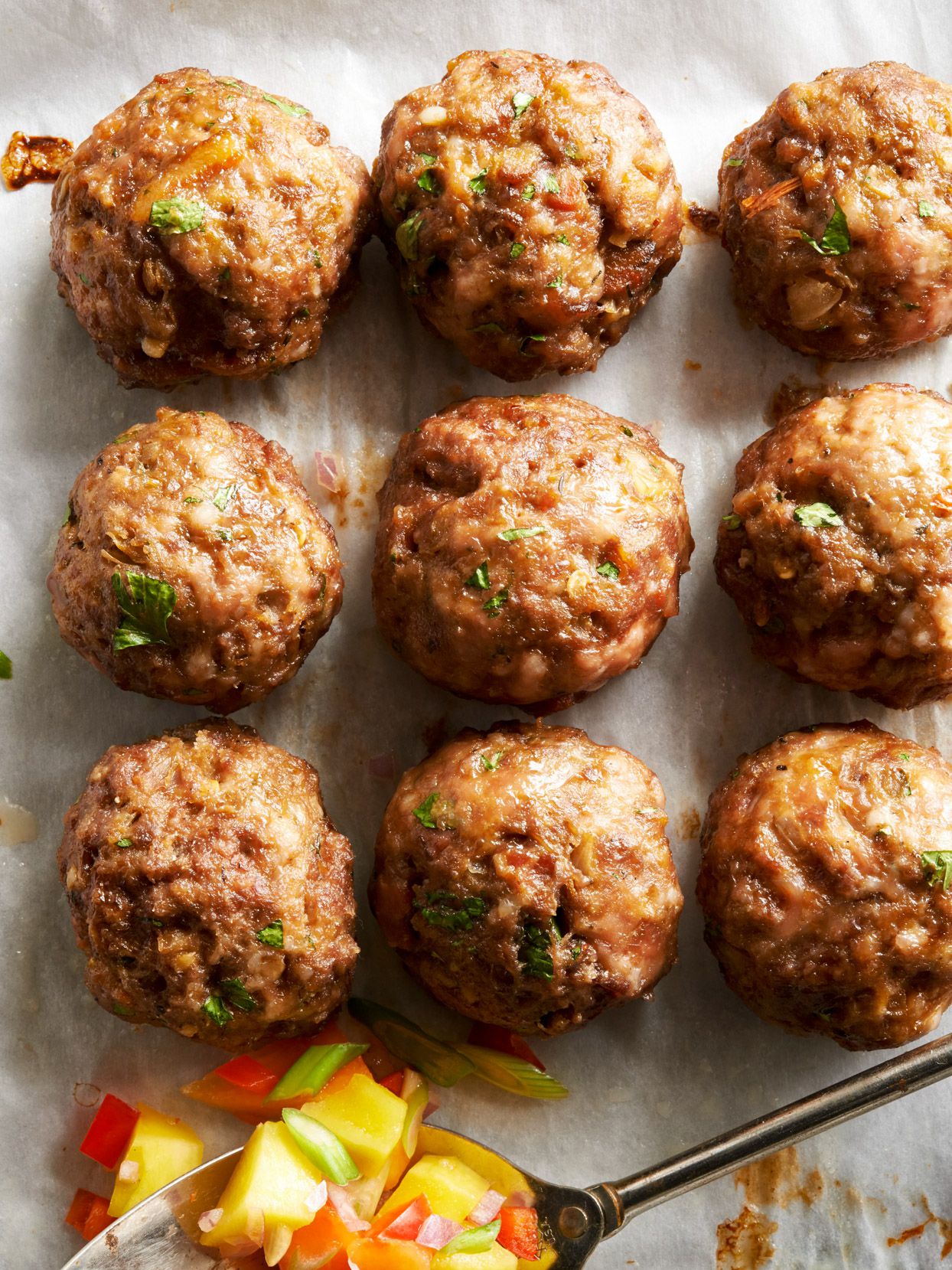
A basic meatballs recipe is one of those kitchen classics that feels almost too simple to be impressiveuntil the first bite proves otherwise. A good meatball is juicy inside, lightly browned outside, seasoned all the way through, and sturdy enough to survive a swim in marinara without turning into meat confetti. It should taste homemade in the best possible way: cozy, savory, and just a little nostalgic, like Sunday dinner wandered into a weeknight and decided to stay.
The beauty of homemade meatballs is that they do not require fancy equipment, culinary school confidence, or a grandmother named Nonna Rosa watching from the corner. You need ground meat, breadcrumbs, egg, milk, seasoning, and a gentle hand. That last part matters. Meatballs are not stress balls. The more aggressively you squeeze and mash the mixture, the tougher they become. Treat them kindly, and they reward you with tenderness.
This guide walks you through a reliable, easy meatball recipe made with everyday ingredients. You will learn what each ingredient does, how to shape evenly sized meatballs, how to bake or pan-sear them, how to simmer them in sauce, and how to avoid the most common mistakes. Whether you are making spaghetti and meatballs, meatball subs, party appetizers, or freezer-friendly meal prep, this basic recipe is your dependable starting point.
Why This Basic Meatballs Recipe Works
The best meatballs are built on balance. Ground beef brings classic flavor, breadcrumbs and milk keep the texture tender, egg helps bind the mixture, Parmesan adds salty richness, and garlic, onion, herbs, and black pepper make everything taste like dinner instead of a homework assignment. Each ingredient has a job, and when they work together, the result is flavorful without being complicated.
This recipe also uses a simple panade, which is a mixture of breadcrumbs and milk. It may sound like something that requires a French accent, but it is really just a moisture trick. The breadcrumbs absorb the milk and help hold juiciness inside the meatballs as they cook. Without that softening step, meatballs can turn dense, dry, or rubbery. With it, they become lighter and more tender.
Another reason this recipe works is flexibility. You can use all ground beef, a beef-and-pork blend, ground turkey, or chicken. You can bake the meatballs for easy cleanup, brown them in a skillet for deeper flavor, or simmer them gently in sauce. The method stays simple, but the possibilities are wide open.
Ingredients for Homemade Meatballs
This basic meatball recipe makes about 20 to 24 medium meatballs, depending on size. That is enough for 4 to 6 servings, or enough to make one hungry person feel very accomplished while standing over the stove with a fork.
Main Ingredients
- 1 pound ground beef, preferably 80/20 for better flavor and moisture
- 1/2 cup plain breadcrumbs or panko breadcrumbs
- 1/4 cup whole milk
- 1 large egg, lightly beaten
- 1/4 cup finely grated Parmesan cheese
- 1/4 cup finely grated or minced onion
- 2 garlic cloves, minced
- 2 tablespoons chopped fresh parsley, or 2 teaspoons dried parsley
- 1 teaspoon Italian seasoning
- 3/4 teaspoon kosher salt
- 1/2 teaspoon black pepper
- 1 tablespoon olive oil, if pan-searing
- 2 to 3 cups marinara sauce, optional for simmering or serving
Optional Flavor Boosters
- 1/4 teaspoon crushed red pepper flakes for a gentle kick
- 1 teaspoon Worcestershire sauce for extra savory depth
- 1 tablespoon chopped basil for a fresher Italian-style flavor
- 1/2 pound ground pork blended with 1/2 pound ground beef for richer meatballs
- 1 tablespoon ricotta cheese for a softer, creamier texture
Step-by-Step Instructions
Step 1: Make the Panade
In a large mixing bowl, combine the breadcrumbs and milk. Stir them together and let the mixture sit for 5 minutes. The breadcrumbs should absorb the liquid and soften into a thick paste. This small step is one of the biggest secrets to juicy meatballs. Skipping it is legal, but your dinner may file a complaint.
Step 2: Add the Seasonings
Add the beaten egg, Parmesan cheese, grated onion, minced garlic, parsley, Italian seasoning, salt, and black pepper to the breadcrumb mixture. Stir until everything is evenly combined. Mixing these ingredients before adding the meat helps distribute the seasoning more evenly, so you do not end up with one meatball that tastes like garlic fireworks and another that tastes like sadness.
Step 3: Add the Ground Meat
Add the ground beef to the bowl. Using clean hands or a fork, gently mix until the ingredients are just combined. Do not overmix. The mixture should look cohesive but not packed down. Overworking the meat can make meatballs firm and bouncy instead of tender. Think “fold and combine,” not “knead like bread dough.”
Step 4: Shape the Meatballs
Scoop the mixture into 1 1/2-inch balls, using about 2 tablespoons of mixture per meatball. A small cookie scoop makes this easier and keeps the meatballs uniform. If the mixture sticks to your hands, lightly wet your palms with water or rub them with a tiny bit of olive oil. Place the shaped meatballs on a parchment-lined baking sheet or a plate.
Step 5: Cook the Meatballs
You have three good cooking options: baking, pan-searing, or simmering. Baking is easiest, pan-searing creates the best browning, and simmering in sauce makes the meatballs extra cozy. Choose your own adventure. There is no wrong road here, unless you forget them in the oven and turn them into tiny beef golf balls.
Cooking Method 1: Baked Meatballs
Preheat the oven to 400°F. Arrange the meatballs on a parchment-lined baking sheet, leaving a little space between each one. Bake for 15 to 20 minutes, or until browned and cooked through. The safest way to check doneness is with an instant-read thermometer. Ground beef meatballs should reach an internal temperature of 160°F.
Baked meatballs are perfect for weeknight dinners because they require less hands-on work. You can prepare pasta, warm sauce, make a salad, or simply stare proudly through the oven door while dinner handles itself.
Cooking Method 2: Pan-Seared Meatballs
Heat 1 tablespoon olive oil in a large skillet over medium heat. Add the meatballs in a single layer, working in batches if needed. Brown them on several sides for 6 to 8 minutes total. Once browned, you can lower the heat and continue cooking until they reach 160°F, or transfer them into simmering marinara sauce to finish cooking.
Pan-searing creates a flavorful crust thanks to browning. That crust adds a deeper, more roasted flavor that works especially well when the meatballs are served with pasta, tucked into subs, or placed on top of creamy polenta.
Cooking Method 3: Simmered Meatballs in Sauce
For soft, sauce-loving meatballs, brown them first in a skillet, then transfer them to a pot of warm marinara sauce. Simmer gently for 10 to 15 minutes, or until cooked through. Keep the sauce at a gentle bubble rather than a wild boil. A hard boil can break delicate meatballs apart and splatter tomato sauce on your stove like it is auditioning for a crime scene.
You can also place raw meatballs directly into sauce, but browning first gives better flavor and helps the meatballs hold their shape. If you skip browning, handle them gently and avoid stirring too soon.
How to Serve Basic Meatballs
Classic spaghetti and meatballs is the obvious choice, and obvious is sometimes delicious. Toss cooked spaghetti with marinara, add meatballs, and finish with Parmesan and fresh basil. It is a dinner that rarely needs defending.
For meatball subs, split hoagie rolls, add warm meatballs and sauce, top with mozzarella or provolone, and broil until the cheese melts. This is not a quiet meal. Sauce will happen. Napkins are not optional.
For appetizers, make smaller meatballs and serve them with toothpicks and warm marinara, barbecue sauce, or a sweet-and-savory glaze. For meal prep, pair meatballs with rice, roasted vegetables, mashed potatoes, zucchini noodles, or a simple green salad. The same basic meatball can travel through many meals without getting boring.
Tips for Tender, Juicy Meatballs
Use Meat with Some Fat
Lean meat sounds responsible, but extremely lean meatballs often turn dry. Ground beef labeled 80/20 has enough fat to create flavor and moisture. If you use lean turkey or chicken, consider adding a little olive oil, ricotta, or extra milk-soaked breadcrumbs to help compensate.
Do Not Overmix
Overmixing is the fast lane to tough meatballs. Mix only until the ingredients come together. If you are not sure, stop early. A slightly rustic meatball is better than one with the texture of a rubber doorstop.
Keep the Size Consistent
Evenly sized meatballs cook at the same rate. If some are tiny and others are enormous, the small ones may dry out before the large ones are fully cooked. A cookie scoop or measuring spoon makes shaping easier and more consistent.
Test the Seasoning
If you want extra confidence, cook a small pinch of the meat mixture in a skillet before shaping all the meatballs. Taste it, then adjust salt, pepper, garlic, or herbs as needed. This quick test helps prevent bland meatballs and gives you an excuse to eat a tiny preview. Chef’s privilege.
Common Meatball Mistakes to Avoid
The first mistake is using too many breadcrumbs. Breadcrumbs are helpful, but they should support the meat, not replace it. Too much can make meatballs taste bready or soft in an unpleasant way.
The second mistake is adding large chunks of onion. Big onion pieces can make the mixture harder to shape and may stay crunchy. Grating the onion or mincing it finely gives better flavor and texture.
The third mistake is cooking over heat that is too high. High heat can burn the outside before the inside is cooked. Medium heat is better for pan-searing, and a 400°F oven is hot enough to brown without drying out the meatballs too quickly.
The fourth mistake is judging doneness only by color. Meatballs can brown outside before they are safely cooked inside. Use an instant-read thermometer when possible. For ground beef or pork, aim for 160°F. For ground poultry, use 165°F.
Storage, Freezing, and Reheating
Cooked meatballs store well, which makes them excellent for meal prep. Let them cool, then refrigerate them in an airtight container for up to 3 to 4 days. Store them with sauce if you want them to stay extra moist.
To freeze cooked meatballs, arrange them on a baking sheet and freeze until firm. Transfer them to a freezer-safe bag or container and freeze for up to 3 months. Freezing them individually first prevents one giant frozen meatball mountain, which is dramatic but inconvenient.
To reheat, warm meatballs gently in sauce on the stovetop, bake them covered at 325°F, or microwave them in short intervals until hot. If reheating from frozen, simmering in sauce is one of the easiest methods because it warms the meatballs while keeping them moist.
Easy Variations
Italian-Style Meatballs
Add extra Parmesan, fresh basil, oregano, and a pinch of red pepper flakes. Serve with marinara and spaghetti, or layer into a baked pasta casserole.
Swedish-Inspired Meatballs
Use a beef-and-pork blend, add a pinch of nutmeg or allspice, and serve with creamy gravy, mashed potatoes, and lingonberry jam if you like a sweet-tart finish.
Turkey Meatballs
Swap the beef for ground turkey. Add a tablespoon of olive oil or ricotta to keep the mixture tender. Cook poultry meatballs to 165°F for food safety.
Spicy Meatballs
Add crushed red pepper flakes, minced jalapeño, or a little Calabrian chili paste. These are excellent with tomato sauce, garlic bread, and a confident glass of water nearby.
Experience Notes: What Making Basic Meatballs Teaches You
Making meatballs is one of the best ways to learn how small kitchen habits create big differences. The first lesson is that texture starts before cooking. When you soak breadcrumbs in milk and mix gently, you can feel the mixture become softer and more flexible. It shapes easily without feeling dry or crumbly. That moment teaches you that cooking is not only about ingredients; it is also about how those ingredients are handled.
The second lesson is that seasoning needs courage. Ground meat can taste flat if it is under-seasoned. Salt, garlic, onion, herbs, cheese, and pepper all work together to build flavor. A tiny test patty is a smart habit because it lets you adjust before committing to the full batch. Once you start testing seasoning this way, you may find yourself doing it with burgers, meatloaf, dumpling fillings, and sausage mixtures too. Congratulations: your kitchen confidence has leveled up.
The third lesson is patience. Meatballs brown better when they are not crowded in the pan. If you pile them in all at once, they steam instead of sear. Give them space, let them sit long enough to develop color, and turn them gently. The reward is that beautiful golden-brown crust that makes homemade meatballs taste richer and more satisfying.
Another experience many home cooks discover is that meatballs are forgiving. If the mixture feels too wet, add a spoonful of breadcrumbs. If it feels too dry, add a splash of milk. If you want more flavor, add herbs, cheese, or a little Worcestershire sauce. The recipe gives you structure, but it also leaves room for personality. Meatballs do not demand perfection. They just ask you not to panic.
Meatballs are also excellent for learning meal planning. One batch can become several meals: spaghetti on Monday, meatball subs on Tuesday, rice bowls on Wednesday, and appetizers on Friday. They freeze beautifully, reheat easily, and rescue busy nights when the refrigerator looks uninspiring. A bag of frozen homemade meatballs can feel like a tiny edible emergency fund.
Finally, making basic meatballs teaches the quiet joy of simple food done well. There is nothing flashy about mixing ground meat in a bowl. It is not glamorous. Your hands get sticky, the counter gets messy, and at least one breadcrumb usually escapes. But then the kitchen fills with garlic, herbs, browning meat, and warm sauce, and suddenly the whole process makes sense. A basic meatballs recipe is not just a recipe. It is a reminder that comfort food does not have to be complicated to be memorable.
Conclusion
A basic meatballs recipe belongs in every home cook’s collection because it is simple, flexible, and endlessly useful. With ground beef, breadcrumbs, milk, egg, Parmesan, onion, garlic, and herbs, you can create tender homemade meatballs that work for pasta dinners, sandwiches, appetizers, freezer meals, and cozy Sunday suppers. The key is to use a panade for moisture, mix gently, shape evenly, and cook to a safe internal temperature.
Once you master the basic method, you can customize the flavor any way you like. Add pork for richness, turkey for a lighter version, red pepper flakes for heat, or fresh herbs for brightness. Serve them in marinara, gravy, soup, or on a toasted roll with melted cheese. Good meatballs are practical, comforting, and just fancy enough to make dinner feel special without requiring a dramatic cooking montage.