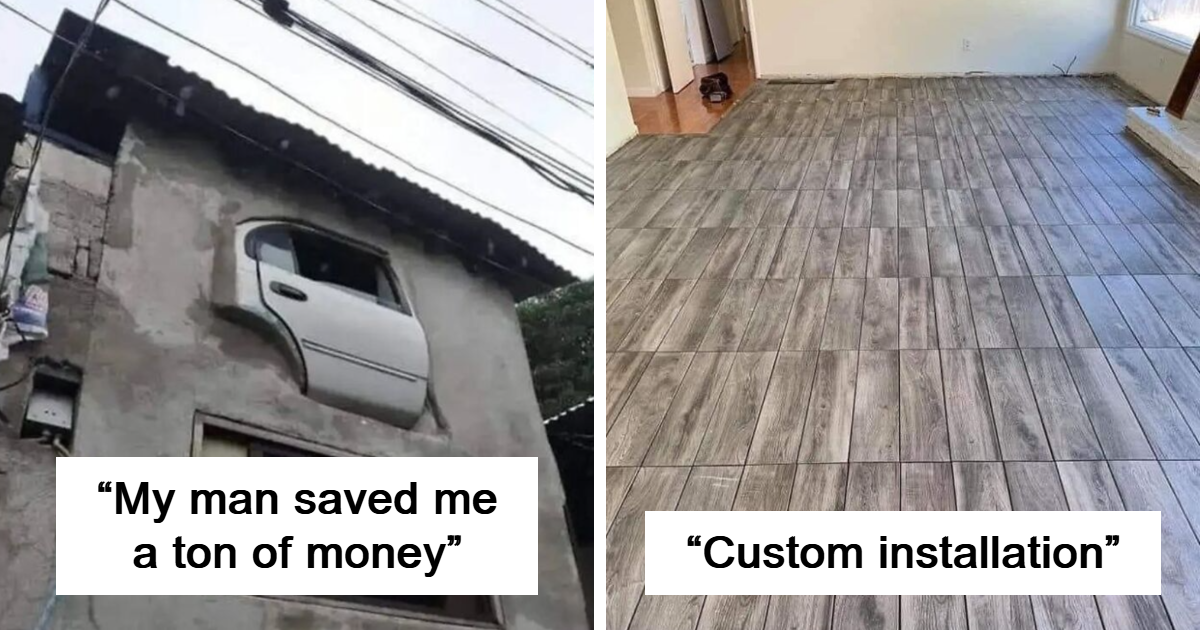
Note: This is publication-ready HTML body content written in standard American English and based on real renovation best practices and consumer-protection guidance in the United States.
Home renovations have a funny way of turning grown adults into overly optimistic gamblers. One minute, you’re saying, “How hard can it be to redo a bathroom?” and the next, you’re standing ankle-deep in dust, staring at a crooked vanity that somehow leans emotionally as well as physically. The promise of saving money is often what kicks off the chaos. Someone offers to do the job for less, faster, or with a mysterious combination of both. That bargain can sound irresistible right up until the floor squeaks, the paint peels, the tile cracks, or the city inspector raises an eyebrow so high it deserves its own permit.
The truth is simple: cheap renovations often cost more in the long run. Homeowners who chase the lowest bid without checking credentials, skip permits to save a few hundred bucks, or choose bargain materials for major systems are not really saving money. They are just delaying the bill until it becomes bigger, meaner, and much less polite.
Below are 30 regretful, all-too-believable renovation situations that show what happens when saving money becomes the only goal. Some are funny in hindsight. Most are expensive. All of them share the same lesson: when it comes to remodeling, cheap can be a very expensive aesthetic.
Why the Cheapest Renovation Bid So Often Backfires
There is nothing wrong with wanting value. In fact, smart homeowners compare bids, negotiate clearly, and keep a close eye on costs. The problem starts when a rock-bottom price becomes the only thing that matters. A suspiciously low bid can mean an incomplete scope, poor materials, no insurance, no licensed trades, no permits, or a contractor who plans to make up the difference with change orders once the walls are open and the panic sets in.
That is why experienced remodelers, consumer advocates, and homeowner guides all repeat the same boring but useful advice: compare apples to apples, get everything in writing, verify who is actually doing the work, and build a cushion for surprises. Boring? Yes. Effective? Also yes.
30 Regretful Times People Tried To Save On Renovations
-
1. They picked the lowest bid because it was thousands cheaper
The price looked magical until they realized the estimate was missing demolition, hauling, finish work, and half the materials. Suddenly the “deal” needed three add-ons and two aspirin.
-
2. They hired a contractor who could start tomorrow
At first, this sounded like amazing customer service. Later, it sounded more like, “No reputable crew was busy because no reputable crew existed.” Fast availability can be fine, but unexplained instant openings deserve a hard second look.
-
3. They skipped checking the license
Everything was smooth until a plumbing line failed behind the wall. Then came the awkward discovery that the person who installed it was not licensed to do the work in the first place.
-
4. They forgot to verify insurance
One ladder slip later, the jobsite felt less like a remodel and more like a legal thriller. Saving money upfront is not worth the risk if liability and workers’ compensation coverage are missing.
-
5. They accepted a vague estimate on one sheet of paper
If a bid says “kitchen remodel – $18,000” and nothing else, that is not a contract. That is a future argument wearing a price tag.
-
6. They paid a huge amount in cash before work began
The contractor loved this plan. The homeowner loved it less once receipts became fuzzy, timelines became fictional, and phone calls started going to voicemail.
-
7. They let the contractor talk them out of permits
The pitch was classic: “Permits just slow things down.” True, they can slow things down. They also help prevent unsafe work, surprise fines, and resale nightmares when buyers ask uncomfortable questions.
-
8. They bought the cheapest tile for a high-traffic bathroom
It looked gorgeous for about six weeks. Then the finish dulled, edges chipped, and the floor began telling a tragic story in grout lines.
-
9. They used bargain paint in a humid room
That budget paint seemed like a win until the bathroom walls started blistering like they had personal beef with steam.
-
10. They hired a handyman for specialized electrical work
Installing shelves is one thing. Rewiring a kitchen safely is another. When the lights flicker every time the microwave runs, the savings stop feeling clever.
-
11. They DIYed plumbing to save labor costs
What began as a brave weekend project ended as a very wet apology to the downstairs ceiling.
-
12. They chose cabinets based only on sticker price
Sure, the cabinets were cheap. So were the hinges, drawer slides, and finish. By month three, every drawer closed with the confidence of a tired scarecrow.
-
13. They ignored prep work because it was “invisible”
Subfloor leveling, waterproofing, sanding, priming, and surface prep are not glamorous. They are, however, the difference between a renovation and a future repair bill.
-
14. They hired based on social media photos alone
Pretty before-and-after photos can hide a lot of sins. Good marketing is not the same as good craftsmanship, even if the Instagram captions are very confident.
-
15. They trusted verbal promises instead of written change orders
The contractor said the extra work would be “no big deal.” Later, that “no big deal” appeared on an invoice with several commas.
-
16. They bought low-end flooring for a busy family home
In the showroom, it looked practical. In real life, it met kids, pets, chairs, muddy shoes, and gravity. It lost that battle quickly.
-
17. They chose the cheapest windows, then wondered why the room still felt drafty
A low price is not much comfort when the AC bill climbs and the curtains keep moving like the house is haunted.
-
18. They ignored lead-safe rules in an older home
Pre-1978 homes can come with hidden hazards. Saving a little on the wrong crew in an old house is not just risky for the renovation. It can be risky for the people living there too.
-
19. They picked the cheapest roofer after storm damage
Emergency situations make people vulnerable to rushed decisions. That bargain roof looked fine until the first heavy rain revealed its true personality.
-
20. They financed through the contractor without reading the terms
Monthly payments sounded manageable. Fees, interest, and fine print were less charming once the paperwork had a chance to introduce itself.
-
21. They tried to save by reusing materials that were already failing
Sometimes salvage is smart. Reusing warped trim, damaged drywall, or tired fixtures just because they are technically still in one piece is optimism in its purest form.
-
22. They skipped a contingency fund
Then the wall opened and everyone discovered old wiring, hidden water damage, and a framing surprise from the Carter administration. Renovations love plot twists.
-
23. They chose the cheapest countertop for a hardworking kitchen
It saved money on day one and absorbed regret on day thirty, especially after heat, stains, and scratches joined the conversation.
-
24. They hired separate cheap subs with no project manager
Individually, everyone was affordable. Collectively, nobody owned the schedule, the mistakes, or the sentence, “That’s not my part of the job.”
-
25. They believed a too-good-to-be-true material price
Then they learned the product was discontinued, damaged, off-spec, or mysteriously missing a warranty worth mentioning.
-
26. They saved money by skipping waterproofing behind tile
For a short shining moment, the shower looked magazine-worthy. Behind the wall, moisture was preparing a very expensive sequel.
-
27. They chose style over durability in every finish
That matte black hardware, delicate backsplash, and trendy open shelving looked amazing online. Daily life, sadly, is not shot with flattering lighting.
-
28. They hired someone who refused to pull permits because “I’ve done this for years”
Experience matters. So do codes. A long career and a shortcut mentality are not the same thing.
-
29. They did not check complaint history or references
Five minutes of research might have saved five months of stress. References, reviews, and complaint records exist for a reason.
-
30. They confused cheap with affordable
Affordable means smart value, realistic scope, and materials suited to the job. Cheap means paying less now and negotiating with consequences later. Those are very different renovation philosophies.
What These Renovation Fails Have in Common
Most renovation horror stories are not caused by one dramatic mistake. They are caused by a stack of small shortcuts that seemed harmless at the time. A low bid gets accepted. A contract stays vague. A permit gets skipped. A cheaper product replaces a better one. A big deposit goes out before the schedule is clear. Then, like a badly installed backsplash, the whole thing starts to slide.
The smartest homeowners are not necessarily the ones with the biggest budgets. They are the ones who know where it is safe to save and where it is reckless to cut corners. Cosmetic choices can sometimes be adjusted to hit budget goals. Structural work, waterproofing, electrical systems, plumbing, code compliance, and qualified labor are not the place to play financial limbo.
If you want to protect your budget, focus on planning. Get multiple detailed bids. Compare scope, not just price. Ask who will actually be on site. Confirm licenses, insurance, references, and complaint history. Keep every receipt. Put changes in writing. Build a contingency fund before demo starts, not after the house reveals its secrets. And if a contractor is pushing cash, pressure, vagueness, or no permits, treat that like the neon red flag it is.
500 More Words From the Jobsite: Why Cheap Renovations Hurt More Than Wallets
What makes bargain renovation stories so memorable is that they are rarely just about money. Yes, the overspending hurts. The double-paying hurts more. But what homeowners remember most is the exhaustion. It is the weird limbo of brushing your teeth in the kitchen sink for three weeks longer than promised. It is the emotional damage of hearing the phrase “small unexpected issue” for the seventh time in one month. It is the moment you realize your home, the place that is supposed to calm you down, has become a noisy maze of cords, dust, delays, and strained patience.
People often chase the cheapest renovation option because they are trying to be responsible. That is what makes these regrets so relatable. Maybe they are stretching to afford a kitchen update before hosting family. Maybe they just bought an older house and need to fix things room by room. Maybe they are caring for parents, raising kids, or juggling a mortgage that already feels like a monthly jump scare. Saving money sounds practical. In many cases, it starts as an act of optimism rather than recklessness.
But cheap renovation decisions can create a special kind of stress because they multiply problems instead of solving them. A bad paint job means repainting. Bad tile work means demolition and reinstallation. Bad plumbing can damage cabinets, subfloors, ceilings, and flooring in rooms you never intended to touch. One poor decision starts recruiting other expenses like it is building a very annoying little team.
There is also the trust factor. Homeowners let contractors into private spaces, daily routines, and major financial decisions. When a project goes badly, it can leave people feeling embarrassed, angry, and hesitant to hire help again. That is one reason the cheapest quote can become so emotionally expensive. It does not just cost extra dollars. It can erode confidence.
On the flip side, well-managed renovations tend to look less dramatic from the outside because competence is not very flashy. The crew shows up when they say they will. The contract is clear. The permit gets pulled. The change order is explained before the extra work happens. The materials hold up. Nobody becomes internet-famous for that, but it is exactly what homeowners should want.
So if there is a lasting lesson in all these regretful renovation moments, it is this: the goal is not to spend the most. The goal is to spend wisely. A fair price for skilled labor, durable materials, clean documentation, and code-compliant work is not wasted money. It is what keeps your renovation from becoming a cautionary tale you tell at dinner parties while guests politely stare at the patch in the ceiling.
Conclusion
There is nothing wrong with wanting to save money on a remodel. In fact, every successful renovation includes budgeting, comparison shopping, and thoughtful trade-offs. The trouble begins when homeowners treat every line item like it deserves to be slashed. Some things are flexible. Others are foundational. When you choose a contractor, pay for the right preparation, insist on documentation, and use materials that match the real demands of your home, you are not overspending. You are buying peace of mind, durability, and the right to use your shower without fear.
In renovation, the cheapest option is often just the most expensive lesson wearing a discount sticker.