Note: This original article is written for web publishing, based on widely used American baking methods for fruit pies, crumb toppings, thickened fillings, and home-style dessert preparation.
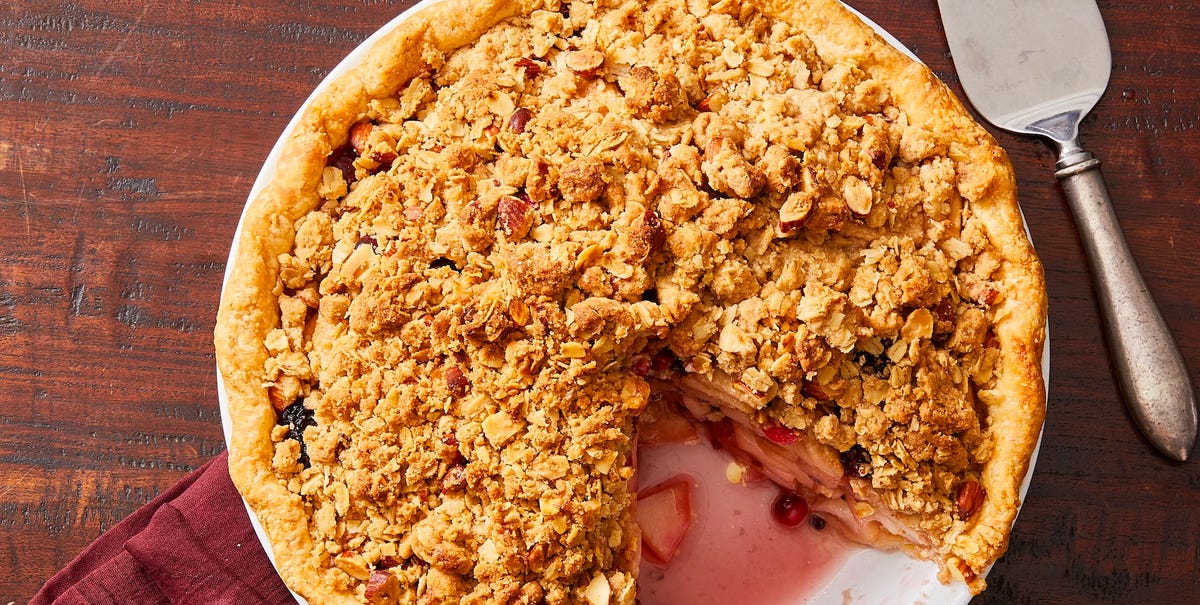
Some desserts enter the room quietly. Pear and berry crumb pie is not one of them. It shows up golden, bubbling, buttery, and just dramatic enough to make everyone at the table suddenly “too full” for dinner but mysteriously available for dessert. This best pear and berry crumb pie recipe brings together tender pears, juicy berries, a flaky pie crust, and a crunchy brown sugar crumb topping that tastes like it was invented by someone who understood both fruit and feelings.
If you have ever wondered how to bake pear and berry crumb pie without ending up with a soggy bottom, runny filling, or topping that looks like sad wet sand, you are in the right kitchen. This guide walks through the ingredients, the baking science, the timing, the cooling, and the little tricks that make the difference between “pretty good pie” and “please hide the last slice from Uncle Steve.”
Pears bring a mellow honey-like sweetness and soft texture. Berries bring color, tang, and just enough jammy chaos to keep things interesting. The crumb topping adds crunch, warmth, and that bakery-style finish without asking you to weave a lattice crust like you are auditioning for a pastry competition. It is rustic, forgiving, and deeply satisfying.
Why Pears and Berries Make Such a Beautiful Pie Filling
Pears are naturally sweet, fragrant, and gentle in flavor. That makes them perfect partners for berries, which are brighter, juicier, and more tart. When baked together, the pears soften into tender slices while the berries collapse into a glossy ruby-purple sauce. The result is a fruit pie filling that feels cozy but not heavy.
The best part is balance. Pears prevent the filling from becoming too sharp, while berries prevent the pie from tasting one-note. Blueberries add sweetness and body. Raspberries bring a lively tartness. Blackberries add a deep, wine-like fruit flavor. Strawberries can work too, although they release more liquid, so the filling may need a little extra thickener.
Best Pears for Pear and Berry Crumb Pie
Choose pears that are ripe but still firm. If they are rock-hard, they may stay crunchy after baking. If they are very soft, they can break down too much and turn the filling mushy. The sweet spot is a pear that gives slightly near the stem when pressed gently.
Bosc pears are excellent because they hold their shape well in the oven. Anjou pears are juicy and reliable. Bartlett pears have lovely flavor, but they soften quickly, so use them when they are still firm. A mix of pear varieties can give the pie a more layered flavor, which sounds fancy but really just means you bought whatever looked best at the store.
Best Berries to Use
A mixed berry blend works beautifully. Blueberries give structure, raspberries brighten the flavor, and blackberries add depth. Fresh berries are wonderful when they are in season, but frozen berries are absolutely acceptable. In fact, frozen berries can be a pie saver in winter when fresh berries look expensive enough to need their own security guard.
If using frozen berries, do not fully thaw them unless the package is covered in ice crystals. Add them to the filling while still cold, and increase the thickener slightly. Frozen fruit releases extra moisture as it bakes, and the pie needs help turning those juices into a sliceable filling instead of fruit soup.
Ingredients for the Best Pear and Berry Crumb Pie
This recipe makes one 9-inch pie and serves 8 people. It uses a single bottom crust and a generous crumb topping.
For the Pie Crust
- 1 unbaked 9-inch pie crust, homemade or store-bought
- 1 teaspoon flour, for dusting the crust bottom
For the Pear and Berry Filling
- 4 cups peeled, cored, and sliced firm-ripe pears
- 2 cups mixed berries, fresh or frozen
- 1/2 cup granulated sugar
- 1/4 cup light brown sugar
- 3 tablespoons cornstarch, or 3 1/2 tablespoons tapioca starch
- 1 tablespoon fresh lemon juice
- 1 teaspoon lemon zest
- 1 teaspoon vanilla extract
- 1 teaspoon ground cinnamon
- 1/4 teaspoon ground ginger
- 1/8 teaspoon ground nutmeg
- 1/4 teaspoon fine salt
For the Crumb Topping
- 3/4 cup all-purpose flour
- 1/2 cup old-fashioned rolled oats
- 1/2 cup packed light brown sugar
- 1/2 teaspoon ground cinnamon
- 1/4 teaspoon salt
- 6 tablespoons cold unsalted butter, cut into small cubes
- Optional: 1/3 cup chopped pecans or walnuts
How to Bake Pear and Berry Crumb Pie
Step 1: Chill the Crust
Place the pie crust in a 9-inch pie plate, crimp the edges, and chill it for at least 20 minutes. A cold crust holds its shape better and bakes up flakier. Before adding the filling, sprinkle 1 teaspoon of flour over the bottom of the crust. This small move helps absorb some fruit juice and gives the bottom crust a fighting chance.
Step 2: Make the Crumb Topping
In a medium bowl, combine the flour, oats, brown sugar, cinnamon, and salt. Add the cold butter cubes and work them into the dry ingredients with your fingertips, a fork, or a pastry blender until the mixture forms crumbs. Some pieces should be small and sandy; others should be pea-sized. That uneven texture is what makes the topping bake into crunchy little islands of happiness.
Stir in nuts if using. Place the crumb topping in the refrigerator while you prepare the fruit. Cold butter in the topping helps create crisp crumbs instead of a greasy blanket.
Step 3: Prepare the Fruit Filling
In a large bowl, combine the sliced pears and berries. Add the granulated sugar, brown sugar, cornstarch or tapioca starch, lemon juice, lemon zest, vanilla, cinnamon, ginger, nutmeg, and salt. Toss gently until the fruit is evenly coated.
Let the mixture sit for 10 to 15 minutes. This gives the sugar time to draw out some juice and helps the thickener start working. If the bowl looks extremely juicy, use a slotted spoon to transfer the fruit into the crust and leave behind a few tablespoons of excess liquid. Pie should be juicy, yes, but it should not need a lifeguard.
Step 4: Fill the Pie
Spoon the pear and berry filling into the chilled crust, spreading it evenly. Mound it slightly in the center because the fruit will settle as it bakes. Sprinkle the crumb topping evenly over the filling. Do not press it down too hard. A light, loose topping bakes more evenly and stays crisp.
Step 5: Bake the Pie
Preheat the oven to 400 degrees F. Place the pie on a parchment-lined baking sheet to catch bubbling juices. Bake for 20 minutes at 400 degrees F, then reduce the oven temperature to 375 degrees F and bake for another 35 to 45 minutes.
The pie is done when the crumb topping is golden brown, the crust is deeply baked, and the fruit juices are bubbling thickly around the edges and near the center. Bubbling is important because starch thickeners need enough heat to activate fully. If the topping browns too quickly, tent the pie loosely with foil.
Step 6: Cool Before Slicing
This is the hardest step because the pie will smell unfairly good. Let it cool for at least 3 hours before slicing. Warm pie is lovely, but hot fruit filling will spill everywhere if cut too soon. Cooling allows the juices to thicken into a glossy, sliceable filling.
Pro Tips for a Better Pear and Berry Crumb Pie
Use Enough Thickener
Pears and berries both release juice during baking, especially if the fruit is very ripe or frozen. Cornstarch gives the filling a shiny finish and works well for this pie. Tapioca starch also performs beautifully and creates a clear, glossy filling. Flour can be used in a pinch, but it may create a cloudier texture and needs more time to cook out.
Do Not Underbake
Many fruit pies fail because they come out of the oven too early. A golden top does not always mean the filling is ready. Look for thick bubbling juices. If the center is not bubbling, the thickener may not have activated completely, and the pie may be runny after cooling.
Protect the Edges
Pie crust edges brown faster than the center. If the rim gets dark before the filling is finished, cover the edges with a pie shield or strips of foil. This allows the filling and crumb topping to keep baking without turning the crust into a charcoal bracelet.
Let the Pie Rest
A rested pie slices cleaner, tastes better, and behaves better on a plate. If you want warm pie, let it cool completely first, then reheat individual slices for 10 to 15 seconds in the microwave or a few minutes in a low oven.
Flavor Variations
Pear Blueberry Crumb Pie
Use 2 cups blueberries as the only berry. This version is mild, sweet, and especially good with lemon zest. Add a pinch of cardamom for a bakery-style aroma.
Pear Raspberry Crumb Pie
Use raspberries for a brighter, tangier pie. Because raspberries break down quickly, toss gently and avoid overmixing. This version is excellent with vanilla ice cream.
Pear Blackberry Crumb Pie
Blackberries give the pie a deeper color and richer flavor. If the berries are large, cut some in half so the filling settles evenly.
Spiced Pear and Berry Crumb Pie
Add 1/4 teaspoon cardamom and a pinch of cloves to the filling. This turns the pie into a fall dessert that smells like a sweater feels: warm, cozy, and slightly dramatic.
Serving Suggestions
Pear and berry crumb pie is delicious on its own, but nobody has ever complained about a scoop of vanilla ice cream melting into the crumb topping. Whipped cream is another classic choice. For a less sweet pairing, serve it with plain Greek yogurt or creme fraiche.
This pie also works beautifully for Thanksgiving, Christmas, Sunday dinner, potlucks, and casual weekends when you want the house to smell like you have your life together. Serve it slightly warm or at room temperature. A cup of coffee, black tea, or cold milk makes the experience even better.
How to Store Pear and Berry Crumb Pie
After the pie has cooled completely, cover it loosely and store it at room temperature for up to 1 day. For longer storage, refrigerate it for up to 4 days. The crumb topping will soften slightly in the refrigerator, but the flavor will still be wonderful.
To refresh the topping, warm slices in a 325 degrees F oven for 10 to 12 minutes. This brings back some crispness and makes the fruit filling taste freshly baked again.
Can You Make This Pie Ahead?
Yes. You can prepare the crumb topping up to 3 days ahead and keep it refrigerated. The pie dough can also be made in advance and chilled or frozen. For the freshest texture, assemble the fruit filling right before baking. Pears can brown after slicing, and berries can release too much juice if mixed with sugar too early.
You can bake the whole pie one day ahead. Let it cool completely, cover it loosely, and keep it at room temperature if serving the next day. Rewarm briefly before serving if desired.
Common Mistakes to Avoid
Using Overripe Pears
Very soft pears may taste sweet, but they can collapse in the oven. Use pears that are ripe but firm enough to slice cleanly.
Skipping the Cooling Time
If you slice the pie straight from the oven, the filling will run. This is not a moral failure, but it is preventable. Give the pie time to set.
Forgetting the Baking Sheet
Fruit pies bubble. Sometimes they bubble enthusiastically. A baking sheet catches spills and saves your oven from becoming a smoky fruit-sugar crime scene.
Using Warm Butter in the Crumb Topping
Cold butter creates better crumbs. Warm butter can melt into the topping too soon and make it dense instead of crisp.
Baking Experience Notes: What This Pie Teaches You
Baking a pear and berry crumb pie is one of those kitchen experiences that reminds you dessert does not have to be perfect to be memorable. The pie is rustic by nature. The crumb topping is supposed to look casual. The fruit may bubble through in one corner. A purple streak may run down the crust. That is not a disaster; that is personality. In a world full of desserts trying to look professionally styled, crumb pie has the confidence to show up with a messy edge and still steal the table.
The first lesson is patience. Fruit pie does not like to be rushed. You chill the crust, mix the topping, toss the fruit, bake until the juices bubble, and then wait while the pie cools. That last wait feels almost unreasonable. The kitchen smells like butter, cinnamon, pears, and berries, and somehow you are expected to behave like a mature adult. But the wait matters. Once the pie cools, the filling settles into that soft, jammy texture that holds together on a fork. Cut too early, and the filling runs. Wait long enough, and every slice looks like you knew exactly what you were doing.
The second lesson is that ingredients have moods. Pears can be crisp, floral, juicy, grainy, sweet, or mild depending on the variety and ripeness. Berries can be tart one week and candy-sweet the next. That is why tasting matters. If your berries are very tart, add an extra tablespoon or two of sugar. If your pears are extremely sweet, keep the sugar modest and let lemon juice sharpen the filling. Recipes are maps, not handcuffs. The best bakers learn to adjust gently.
The third lesson is texture. A great pear and berry crumb pie has contrast: flaky crust, tender fruit, glossy filling, and crunchy topping. Every part has a job. The crust holds everything together. The fruit brings softness. The thickener turns juice into sauce. The crumb topping adds the crisp, buttery finish that makes people lean over their plates to catch every fallen oat and sugar cluster. When the textures work together, the pie feels complete.
There is also something wonderfully practical about this dessert. It does not demand perfect decorating skills. It welcomes store-bought crust if that is what the day allows. It works with frozen berries. It can be made for holidays, but it is not too fancy for a normal weekend. It is the kind of pie that says, “I made something special,” without also saying, “I used every bowl in the house and lost my will to clean.”
Perhaps the best experience is serving it. Pear and berry crumb pie has a way of making people pause after the first bite. The pears are mellow and soft, the berries are bright, the topping is buttery, and suddenly the conversation turns to who gets the next slice. That is the quiet magic of home baking. It turns simple fruit into a shared moment, and it makes the kitchen feel warmer than the oven ever could.
Conclusion
The best pear and berry crumb pie recipe is not about complicated pastry tricks. It is about balance: firm-ripe pears, juicy berries, enough thickener, a chilled crust, and a crumb topping that bakes into golden, buttery crunch. Once you understand the basics, this pie becomes flexible, friendly, and surprisingly easy to master.
Whether you bake it for a holiday table, a family dinner, or a quiet weekend treat, pear and berry crumb pie delivers everything people love about homemade dessert. It is sweet but not boring, fruity but not watery, cozy but still bright. In other words, it is exactly the kind of pie that disappears faster than expected.