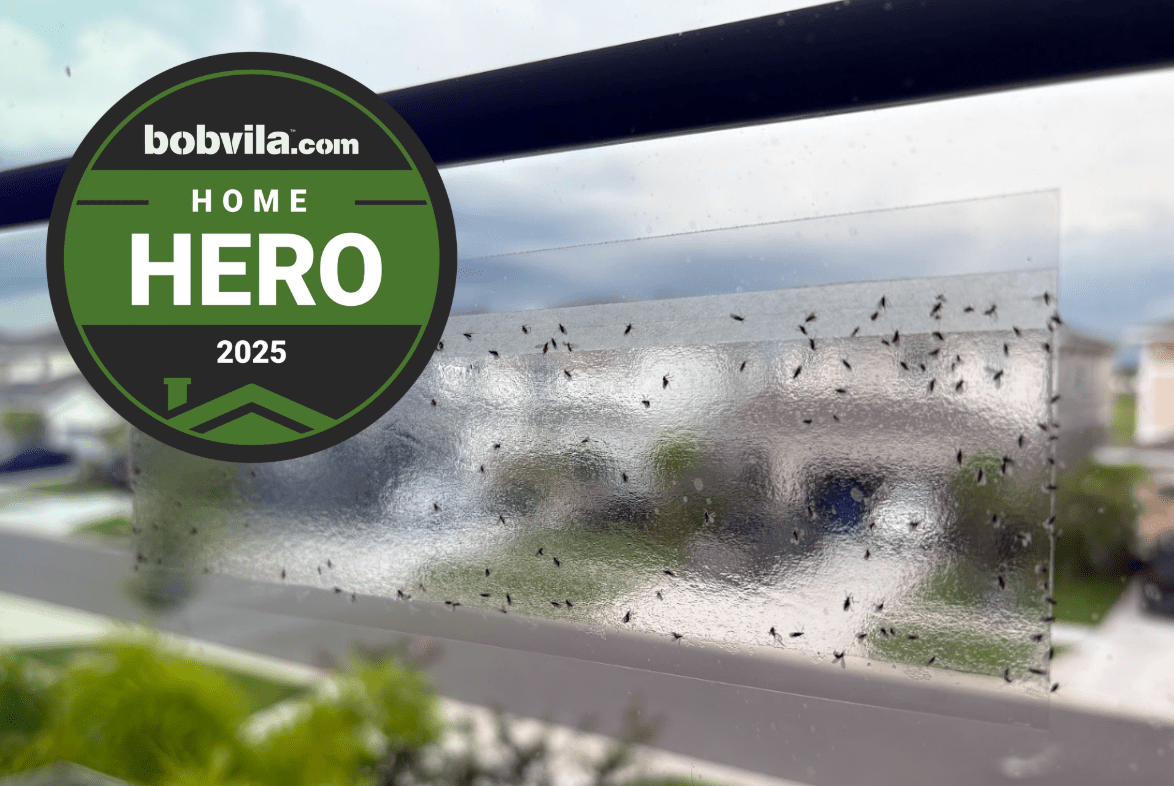
If house flies, gnats, or those tiny airborne menaces that seem to spawn from thin air have turned your home into a low-budget insect documentary, you have probably looked at a Catchmaster fly trap and wondered one thing: is this a smart fix or just a sticky way to collect regret? That is exactly what this Catchmaster Fly Trap review is here to answer.
Catchmaster has built a reputation around glue-based pest control, and its window fly traps have become especially popular for indoor use. They promise a simple formula: peel, stick, wait, and let the bugs make poor life choices. No buzzing. No chemicals. No dramatic spray cloud that makes your kitchen smell like a science fair. On paper, that sounds great. In real life, the question is whether these clear sticky strips are a genuine solution or just another gadget that works better in marketing photos than in a home with actual bugs.
After reviewing product details, retailer feedback, hands-on testing write-ups, and pest-control guidance, the answer lands somewhere nicely in the middle: Catchmaster fly traps are a genuinely useful tool, but only when you use them for the right problem. They are not magic. They are not glamorous. They are not the heroic final boss of pest control. But for light indoor fly activity, especially around windows, houseplants, patio doors, kitchens, and humid corners, they can work surprisingly well.
The Short Verdict
If you want the fastest possible answer, here it is: Catchmaster window fly traps are more sticky solution than sticky mess. They are affordable, quiet, discreet, and effective for catching small flying insects indoors. They are especially handy for fruit flies, gnats, and the random house fly that insists your kitchen is the hottest club in town.
That said, these traps do have limits. They are disposable. They are not especially pretty up close once they start filling up. And if you are dealing with a major infestation, they should be part of your fly-control plan, not the whole plan. Think of them as a reliable bench player, not a one-person championship team.
What Is the Catchmaster Fly Trap?
The version most shoppers mean when they search for a Catchmaster Fly Trap review is the brand’s clear window trap. It is a transparent adhesive strip designed to stick directly to windows or glass doors where flying insects naturally gather. The idea is simple: many flies and gnats head toward light, so the window becomes the perfect interception point.
Unlike old-school hanging fly paper, which can make your room look like a sad roadside bait shop, Catchmaster’s window design is much more subtle. The clear strip blends into the glass better than traditional ribbons, which is a big part of its appeal. It is also pesticide-free, odorless, and easy to apply, making it attractive for households that want a non-chemical fly control option.
Catchmaster also makes other fly-control products, including fly ribbons, glue rolls, disposable outdoor fly bags, and UV-based commercial traps. But the window fly trap is the product that keeps showing up in hands-on reviews, product roundups, and shopper discussions because it hits the sweet spot between price, ease, and everyday usefulness.
How Does It Work?
There is no high-tech wizardry here. No app. No battery. No dramatic electric zap. The Catchmaster trap works through placement and adhesive strength. You peel off the backing, press the strip onto a window or glass door, then remove the protective cover so the sticky surface is exposed. Once flying insects land on it, that is the end of their little aerial career.
This matters because placement is everything. Sticky traps work best when they are put where the bugs already want to go. In indoor spaces, that usually means bright windows, sliding doors, or areas near houseplants. If your flies are hanging around the trash can, fruit bowl, sink drain, or dog food area, you still need to fix that source. The trap catches traffic; it does not eliminate the reason traffic exists.
What the Catchmaster Fly Trap Gets Right
1. It is genuinely easy to use
Some pest-control products act like they require a minor engineering degree. Catchmaster does not. The setup is refreshingly simple. Peel, stick, expose the glue, and walk away. That makes it a strong choice for busy households, renters, dorm rooms, and anyone who wants effective fly control without turning the whole event into a Saturday project.
2. It is more discreet than traditional fly strips
This is one of the biggest selling points. A transparent window trap is a lot less visually annoying than dangling ribbons from the ceiling like sad party decorations from an insect-themed birthday. When the strip is first applied, it is barely noticeable from a few feet away. In bedrooms, offices, or kitchens where you do not want a big plastic contraption glowing blue in the corner, that matters.
3. It works quietly
No hum. No crackle. No light. No smell. If you hate noisy bug zappers or strongly scented bait traps, this is a major advantage. Catchmaster’s window traps are passive, which means they do the job without demanding attention. That makes them especially appealing in home offices, nurseries, and sleep spaces where the last thing you want is a bug machine auditioning for a sci-fi soundtrack.
4. It is affordable
Budget matters, especially for something disposable. One reason Catchmaster shows up in “best value” and “best budget” discussions is that the per-trap cost is low. You are not making a luxury purchase here. You are buying a practical home product that can be replaced without emotional damage to your wallet.
5. It is useful for light to moderate indoor bug problems
This is where the product shines. If you occasionally get flies near a back door, have fungus gnats hovering around overwatered plants, or deal with seasonal bug traffic near bright windows, Catchmaster can be a very smart fit. It works particularly well as a “quiet prevention” product. Set it up before your bug problem becomes a bug festival.
Where the Catchmaster Fly Trap Falls Short
1. Removal is not glamorous
Let us be honest: once the trap fills up, the close-up view is not winning any design awards. At first the trap is discreet. Later it becomes a tiny public museum of bad insect decisions. If you are squeamish, cleanup may be the least fun part of the experience.
2. It is not a cure-all for infestations
This is the biggest reality check. If you have a major fly problem coming from trash, drains, pet waste, rotting produce, a forgotten mop bucket, or a serious outdoor source, sticky strips alone will not save the day. They catch bugs that land on them. They do not solve the reason the bugs keep showing up.
3. It is best for windows, not everywhere
Because the design depends heavily on placement near light, it is not the most flexible trap on the market. Plug-in UV traps, bait traps, and targeted gnat traps sometimes outperform it in spaces where windows are not the main insect destination. If the bugs are clustered under cabinets, around drains, or near a dim pantry area, another format might be more effective.
4. The “invisible” effect only lasts so long
When the strip is clean, it blends in nicely. Once it starts collecting flies, the stealth factor drops quickly. That does not mean it stops working. It just means the trap transitions from “barely there” to “well, that is certainly a lot of gnats.”
Best Uses for Catchmaster Window Fly Traps
The best way to judge a product is to match it to the right use case. Catchmaster window fly traps make the most sense in these situations:
Kitchens with occasional flying pests
If a few fruit flies or house flies keep appearing near a sunny kitchen window, the trap can quietly cut down the traffic without spraying chemicals near food prep areas.
Homes with houseplants
Anyone with indoor plants knows the pain of discovering fungus gnats. These tiny bugs seem to appear the moment you start feeling emotionally attached to your fiddle-leaf fig. While the trap will not fix soggy soil, it can help capture adult gnats and reduce the annoyance factor.
Patio doors and bright windows
Flies naturally move toward light, so glass doors and sunlit windows are prime trap territory. This is where Catchmaster often performs best.
Bedrooms or offices
Because the trap is silent and low-profile, it works well in rooms where a plug-in trap or buzzing device would feel distracting.
How It Compares to Other Fly Traps
Catchmaster vs. plug-in UV fly traps
Plug-in traps often look cleaner once in use because the sticky cartridge is hidden inside the device. They can also work better in darker indoor settings. But they cost more upfront, need an outlet, and often require replacement cartridges. Catchmaster wins on price, simplicity, and quiet invisibility on glass. UV traps win on convenience during disposal and, in some cases, broader room coverage.
Catchmaster vs. hanging fly ribbons
Traditional fly ribbons are cheap and effective, but they are also more obvious, more awkward, and more likely to make your room look like it lost a decorating bet. Catchmaster’s window design feels more modern and less intrusive.
Catchmaster vs. outdoor bait traps
These are entirely different tools. Outdoor bait traps are often stronger for heavy fly pressure outside, but they can smell terrible. Catchmaster window traps are a better indoor choice when you want non-chemical control without a stinky surprise near the patio.
Tips for Better Results
If you buy Catchmaster and slap it onto a random window while ignoring every other fly magnet in the house, do not be shocked if results feel underwhelming. A few simple habits can make a big difference.
- Place traps on the brightest windows or doors where insects gather.
- Use them near, but not directly on, the source of flying pests.
- Pair them with cleanup: wipe spills, empty trash, rinse recyclables, and remove overripe fruit.
- For fungus gnats, reduce overwatering and let soil dry appropriately between waterings.
- Replace traps before they become overcrowded and visually tragic.
So, Is It a Sticky Mess or a Sticky Solution?
The honest answer is: both, but mostly in a good way.
Yes, Catchmaster fly traps are literally sticky. Yes, the cleanup can feel mildly gross. Yes, you will eventually find yourself holding a strip covered in evidence that your home briefly hosted an insect rave. But the product does what it promises when used correctly. It catches flies. It stays quiet. It avoids chemicals. It blends in better than classic fly paper. And it costs little enough that trying it does not feel risky.
If your goal is simple indoor fly control without noise, odor, or a complicated setup, Catchmaster is a smart purchase. If your problem is severe, ongoing, or clearly tied to sanitation, moisture, or an outdoor breeding source, then the trap should be one part of a broader pest-control plan.
In other words, Catchmaster is not a miracle. It is something rarer in the home-products world: a cheap item that usually works pretty much the way you hoped it would. That is not flashy, but it is useful. And useful often wins.
Real-World Experience: Living With Catchmaster Fly Traps
Using Catchmaster fly traps feels a bit like hiring an extremely quiet janitor who never speaks, never complains, and only works next to windows. At first, you may wonder whether the strips are doing anything at all. They sit there looking innocent, clear, and almost too simple to be effective. Then, usually within a day or two, you notice tiny dots. Those dots are your proof that the trap is working, and also your reminder that more bugs were in the room than you realized. That discovery is both satisfying and mildly insulting.
One of the most common experiences people describe is using the traps near indoor plants or glass patio doors. That makes sense. Plants can attract fungus gnats, and glass attracts flies because light draws them in. In those situations, Catchmaster tends to perform best. It does not need a lure strong enough to pull insects across the room because the bugs are already headed toward the window anyway. The trap simply turns that habit against them.
Another practical benefit is the lack of drama. There is no loud snap, no electrical crackle, and no smell creeping through the kitchen. If you have ever tried an outdoor bait trap too close to the house, you know that some fly-control products come with a side order of regret. Catchmaster usually does not. It just sits there quietly doing its sticky little job.
That said, the product teaches you a humbling lesson about household maintenance. If the trap fills up fast, it may be telling you something important. Maybe the bananas are a little too ripe. Maybe the trash needs to go out more often. Maybe the plant soil is wetter than a swamp in July. The trap catches bugs, but it also tattles on your housekeeping habits. Rude, but fair.
There is also the visual reality. When the strip is new, it blends in beautifully. When it is full, it becomes impossible to ignore. That does not mean it failed. In fact, it means the opposite. Still, there is a psychological shift from “What a clever, discreet solution” to “Wow, that tiny strip has seen things.” If aesthetics matter a lot to you, you will probably want to replace it sooner rather than later.
For renters and busy households, Catchmaster is especially appealing because it does not ask for much. There is no machine to clean, no battery to charge, no refill cartridge system to learn, and no complicated instructions. That simplicity is a huge part of the product’s value. It is pest control for people who do not want pest control to become a hobby.
In everyday use, the biggest disappointment usually comes from unrealistic expectations. If someone buys a pack during a full-blown infestation and expects the problem to disappear overnight, the traps may seem underwhelming. But when used as a preventive tool or as part of a smarter fly-control routine, they are genuinely useful. They are at their best when you catch the problem early, place them well, and clean up whatever is feeding the fly population in the first place.
So what is the lived-in, practical conclusion? Catchmaster window fly traps are not glamorous, but they are competent. They are the kind of product you may not brag about at a dinner party, mostly because bringing up glue traps at dinner is a bold social choice. But once you use them successfully, you are likely to keep a box around for the next warm-weather fly invasion. That may be the strongest review of all: not that the product is exciting, but that it quietly earns a permanent place in the cabinet.
Final Verdict
Catchmaster Fly Trap is a sticky solution with a little sticky mess baked into the deal. If you want an affordable, low-effort, pesticide-free option for indoor flying insects, it is a solid buy. It works best on windows, in bright rooms, near plants, and in homes dealing with occasional rather than catastrophic bug problems.
Would I recommend it? Yes, with one condition: buy it for what it is, not for what you wish it was. It is a smart, simple trap, not a miracle worker. Used well, it is one of the better budget-friendly fly control products around.