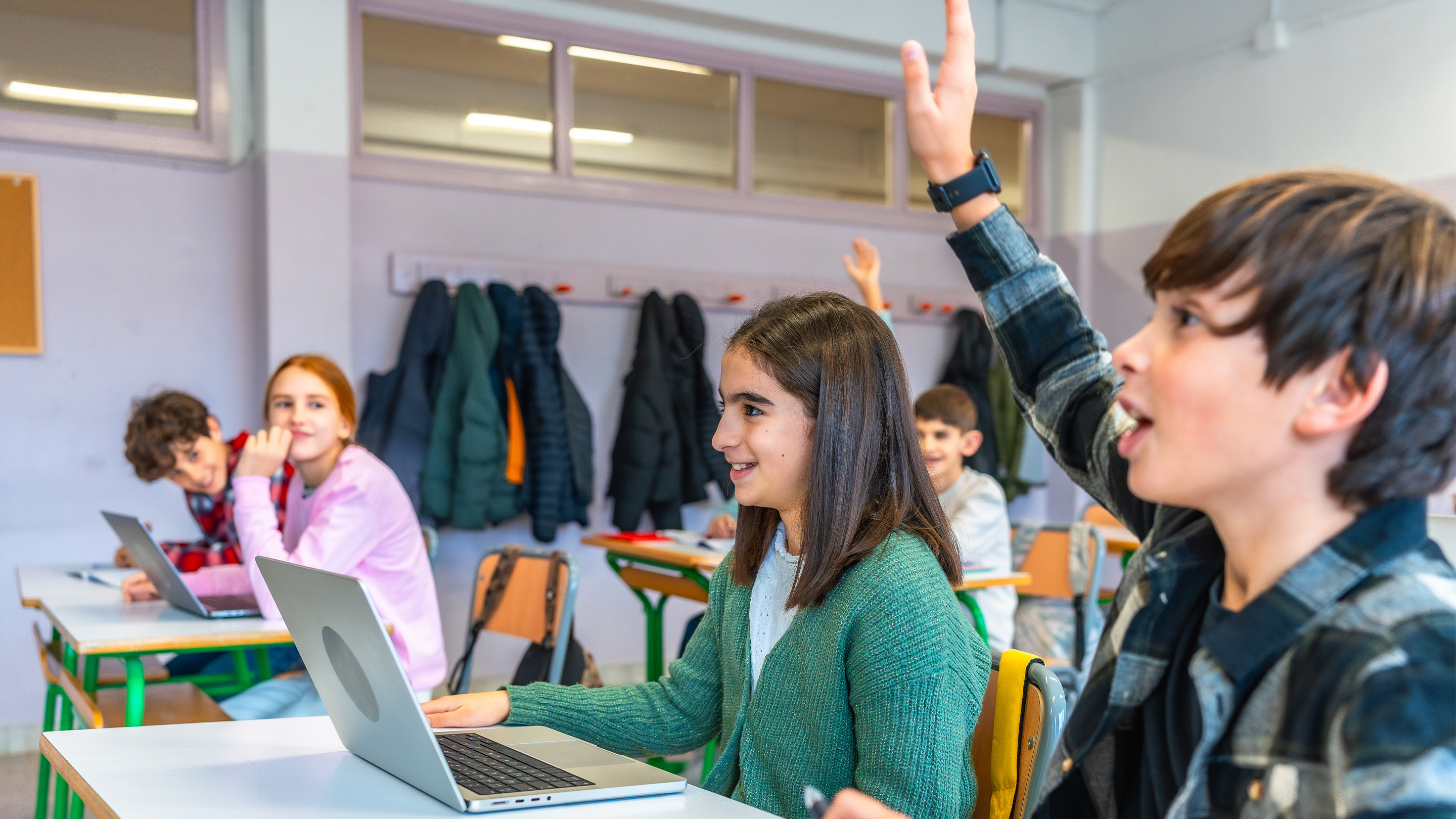
Middle school is a fascinating stretch of life. One minute students are passionately arguing about whether a hot dog counts as a sandwich, and the next they are wrestling with identity, friendships, academic pressure, and a science quiz they swear was “not on the review.” In other words, middle school is not a calm little hallway between childhood and high school. It is a full-on construction zone. That is exactly why classroom culture in middle school matters so much.
When the classroom feels safe, respectful, inclusive, and predictable, students are more willing to try, speak up, collaborate, and recover from mistakes. When it feels tense, cold, unfair, or chaotic, learning gets shoved into the back seat while stress takes the wheel. A strong middle school classroom culture does not magically erase every challenge, but it gives students something they desperately need during the early adolescent years: a place where they feel like they belong and a structure that helps them grow.
This is the heart of successful learning in the middle grades. Students do better when teachers build relationships, establish routines, invite student voice, teach with relevance, and respond to mistakes with both clarity and dignity. A positive classroom climate is not fluff. It is not a poster with inspirational fonts and suspiciously cheerful pencils. It is a practical, daily system that supports student engagement, behavior, confidence, and academic growth.
Why Classroom Culture Matters So Much in Middle School
Middle school students are not just older elementary kids. They are young adolescents going through rapid cognitive, emotional, physical, and social changes. They care deeply about fairness, peer perception, independence, and whether the adults around them actually see them. That means the learning environment has an outsized effect on how they participate in school. If a student feels embarrassed, dismissed, or invisible, even strong instruction can struggle to land. If that same student feels known, challenged, and supported, the odds of persistence go way up.
A healthy classroom culture gives students emotional safety without lowering expectations. That balance matters. Students need warmth, but they also need structure. They need empathy, but they also need accountability. The best middle school classrooms are not soft on learning or strict for the sake of drama. They are steady. They communicate, “You matter here, and your learning matters too.”
That message changes behavior. Students are more likely to attend, participate, ask for help, take academic risks, and handle feedback well when they trust the environment. In practical terms, that means fewer power struggles, fewer “I’m not doing this” standoffs, and more time spent actually learning. For teachers, that is not just emotionally healthier. It is also efficient. A classroom culture built on belonging and respect reduces the need to constantly put out fires with the educational equivalent of a tiny plastic water bottle.
What Positive Classroom Culture Looks Like in the Middle Grades
1. Belonging Comes Before Buy-In
Students invest more deeply in school when they feel like they are part of the room, not just physically seated in it. Belonging in a middle school classroom means students believe their teacher cares about them as people and as learners. It also means classmates experience the room as welcoming rather than performative, exclusive, or socially dangerous.
Teachers build belonging in small but powerful ways: greeting students by name, learning their interests, pronouncing names correctly, checking in after absences, noticing effort, and making sure classroom examples reflect different identities, experiences, and strengths. These actions may sound simple, but middle school students are experts at detecting whether adults are authentic. They can spot fake enthusiasm from a mile away.
2. Predictable Routines Reduce Drama and Increase Learning
Middle school students often crave independence while also needing more guidance than they would ever admit out loud. Clear routines help meet both needs. When students know how class starts, how materials are handled, what productive group work looks like, and what happens when they need help, cognitive energy is freed up for learning.
Predictable routines do not make a classroom boring. They make it usable. A strong entry routine, a visible agenda, clear transitions, and a consistent closing activity create a rhythm that helps students settle in faster. That matters especially for students managing anxiety, attention challenges, executive functioning struggles, or a rough morning before first period. Structure is not the enemy of creativity. In many cases, it is the thing that makes creativity possible.
3. Student Voice and Choice Create Real Engagement
Middle school students want some control over their world. Frankly, who can blame them? A classroom culture that supports successful learning gives them appropriate voice and choice. That can look like offering options for how to demonstrate understanding, inviting students to help shape discussion norms, letting them propose project formats, or gathering feedback on which classroom practices are helping them learn.
Student voice matters because it transforms school from something done to students into something built with them. When students help co-create parts of the learning process, engagement becomes more durable. They are not just complying. They are contributing. And contribution is one of the fastest routes to ownership.
4. Respect Is Visible, Not Just Written on a Poster
Respectful classroom culture is not established by hanging a laminated sign that says “Be Kind” next to a drying marker and calling it a day. It is built through daily interactions. Teachers model it in their tone, pacing, redirection, and willingness to listen. Students practice it in discussion, disagreement, collaboration, and repair.
In middle school, respect also means handling correction without humiliation. Public shaming may stop a behavior for ten seconds, but it often damages trust for much longer. Clear, calm redirection works better. So do restorative conversations that ask students to consider impact, responsibility, and next steps. This approach keeps standards high while preserving relationships, which is exactly what a productive learning culture needs.
5. Collaboration Has a Job to Do
Group work gets a bad reputation because too often it becomes one student doing everything, one student pretending to organize, and one student discovering the ceiling is deeply interesting. But collaboration done well is a major strength of a positive classroom culture. It helps students learn content more deeply while also building communication, empathy, and problem-solving skills.
Effective collaboration requires teaching the process, not just assigning the seating arrangement. Students need roles, discussion stems, time markers, accountability checks, and reflection. When collaboration is structured well, it builds both competence and community. Students learn that classmates are resources, not obstacles.
6. Inclusion Is Part of the Culture, Not an Add-On
A successful middle school learning environment is inclusive by design. That means lessons are relevant, materials are accessible, and students with different learning profiles can participate meaningfully. Inclusion is not just about legal compliance or academic accommodation. It is about dignity. Students should not feel like the classroom works beautifully for a mythical “average kid” while everyone else is asked to adapt quietly.
Teachers can support inclusion by using flexible grouping, multiple ways to access content, varied ways to show learning, and explicit norms for respectful discussion across differences. When students see that the classroom makes room for different backgrounds, identities, abilities, and perspectives, they are more likely to trust the environment and engage fully in it.
How Teachers Build a Strong Middle School Classroom Culture Every Day
Start With Relationships, Then Keep Showing Up
Relationship-building is not a first-week activity. It is ongoing work. Teachers build trust when they are consistent, fair, curious, and responsive. A student may not remember every mini-lesson on text structure, but they will remember whether the teacher noticed they were unusually quiet, celebrated a small win, or gave them a dignified way to reset after a rough moment.
Advisory periods, quick check-ins, interest surveys, two-minute conferences, and regular reflection prompts all help. None of these strategies require theatrical energy. They require attention. Students do not need a cruise director. They need an adult advocate.
Use Language That Lowers Defensiveness
The teacher’s tone shapes the temperature of the room. In middle school, that matters more than many adults realize. A sarcastic comment can echo all day. A calm correction can de-escalate a moment before it becomes a lunchtime legend. Teachers who use direct, respectful language create a culture where students are more likely to cooperate instead of perform resistance for an audience.
Compare “Why are you always talking?” with “Pause here and come back with us.” One invites embarrassment and argument. The other redirects behavior while preserving dignity. In a strong classroom culture, language is purposeful. It does not inflame what can be guided.
Connect Learning to Real Life
Middle school students are much more willing to engage when content feels meaningful. Relevance does not require turning every lesson into a viral challenge or pretending algebra is secretly a lifestyle brand. It means helping students see why the work matters, how it connects to their lives, and where it fits into a bigger picture.
That can look like using current issues for persuasive writing, connecting statistics to sports or social media trends, integrating local community examples, or asking students to solve authentic problems. Relevance communicates respect. It tells students their world is worth bringing into the room.
Gather Feedback and Actually Use It
One of the fastest ways to strengthen student engagement strategies is to ask students what is helping them learn. Exit tickets, anonymous surveys, reflection prompts, and quick pulse checks can reveal a lot. Maybe transitions feel rushed. Maybe directions are too verbal. Maybe students want more examples before independent work. Maybe your brilliant seating chart is, in fact, a social experiment gone wrong.
Feedback matters most when teachers respond to it. Even small adjustments show students that their perspective has value. That alone can increase trust and participation.
Partner With Families Without Making It Weird
Middle school students are growing more independent, but family partnership still matters. Strong classroom culture is easier to sustain when families understand routines, goals, and how to support students through transitions and challenges. Teachers do not need to send daily novels or become twenty-four-hour customer support. They do need clear communication, proactive outreach, and respectful collaboration when concerns arise.
When families and schools work as partners rather than opposing legal teams in a procedural drama, students benefit. They receive more consistent messages, stronger support, and a clearer path forward when things get bumpy.
Common Culture Killers in Middle School Classrooms
It is not enough to know what builds culture. It also helps to know what quietly tears it down. One major problem is inconsistency. If expectations change with the teacher’s mood, students stop trusting the system. Another is public embarrassment. Calling out students harshly may win the moment and lose the year.
A third culture killer is low-level exclusion. This shows up when some students are constantly chosen, heard, or praised while others become wallpaper. It also appears when the curriculum ignores students’ backgrounds or when classroom jokes land at someone else’s expense. Add in unclear directions, weak transitions, and random group work, and you have a recipe for confusion wrapped in frustration.
The good news is that culture can be rebuilt. Middle school students are often more forgiving than adults expect when they see honesty, consistency, and effort. A teacher who says, “This routine is not working, so we’re going to fix it together,” models growth in real time. That is culture-building too.
Conclusion: A Strong Classroom Culture Makes Learning More Likely
Classroom culture in middle school supports successful learning because it addresses what young adolescents need most: belonging, fairness, structure, relevance, voice, and relationships with adults who refuse to give up on them. Academic success does not grow in isolation from the social environment. It grows inside it.
When students feel emotionally safe, they take intellectual risks. When expectations are clear, they spend less time guessing and more time working. When discipline is respectful, they stay connected instead of checking out. When their voices are heard, they invest in the learning. When instruction is inclusive and relevant, they can see themselves in the work and imagine success inside it.
That is the real power of a positive classroom climate. It turns school from a place students merely endure into a place where they can learn, contribute, and grow. And in middle school, where everything feels a little louder, faster, and more emotionally dramatic, that kind of culture is not optional. It is the foundation.
Experience-Based Reflections on Classroom Culture in Middle School
In many real middle school classrooms, the difference between a rough lesson and a successful one is not the worksheet, the slide deck, or even the objective on the board. It is the culture students walk into. Teachers often describe the first few minutes of class as the hidden hinge of the entire period. If students enter to a calm routine, a clear task, and a teacher who notices them, the room settles faster. If they enter to confusion, delayed directions, or tense energy, the class can spend the next twenty minutes trying to recover. Middle schoolers may look casual, but they read the room constantly.
Experienced teachers also notice that students work harder in classrooms where mistakes are treated as normal. In a healthy room, a wrong answer is not social doom. It is information. Students begin to volunteer more, revise more, and ask better questions because the cost of being imperfect is lower. That shift matters tremendously in the middle grades, where embarrassment can feel catastrophic and one awkward moment can seem like it deserves its own documentary series.
Another common observation is that students respond strongly to fairness. They may not love every rule, but they are far more likely to accept expectations when they believe the teacher applies them consistently and respectfully. Teachers who explain the “why,” stay steady under pressure, and avoid public power struggles often report fewer recurring behavior issues over time. Students test boundaries, yes, but they also relax when they know the adult in the room is dependable.
Teachers frequently share that student voice changes the tone of the classroom more than expensive programs do. Something as simple as asking, “What helps you focus during group work?” or “What makes discussion feel safer?” can lead to better norms and stronger buy-in. Students often suggest practical improvements adults miss, such as needing more think time, clearer job roles, or better examples before starting independent tasks. When teachers act on that feedback, students feel respected. Respect tends to come back around.
There is also a repeated lesson in how important small moments are. A quick hallway greeting after a hard day, a private check-in after a conflict, or a simple “I’m glad you’re here today” can change a student’s willingness to engage. Many educators can point to students who did not respond first to tougher consequences or louder directions, but did respond to consistency, patience, and genuine care. That does not mean culture is built on kindness alone. It means students are more reachable when they feel seen.
Over time, classrooms with strong culture often develop a noticeable confidence. Students help one another. They understand routines. They recover from mistakes more quickly. They disagree without everything turning into a courtroom closing argument. Most importantly, they begin to see learning as something they can do, not something that is constantly happening to them. That shift is one of the clearest signs that classroom culture is doing its job.