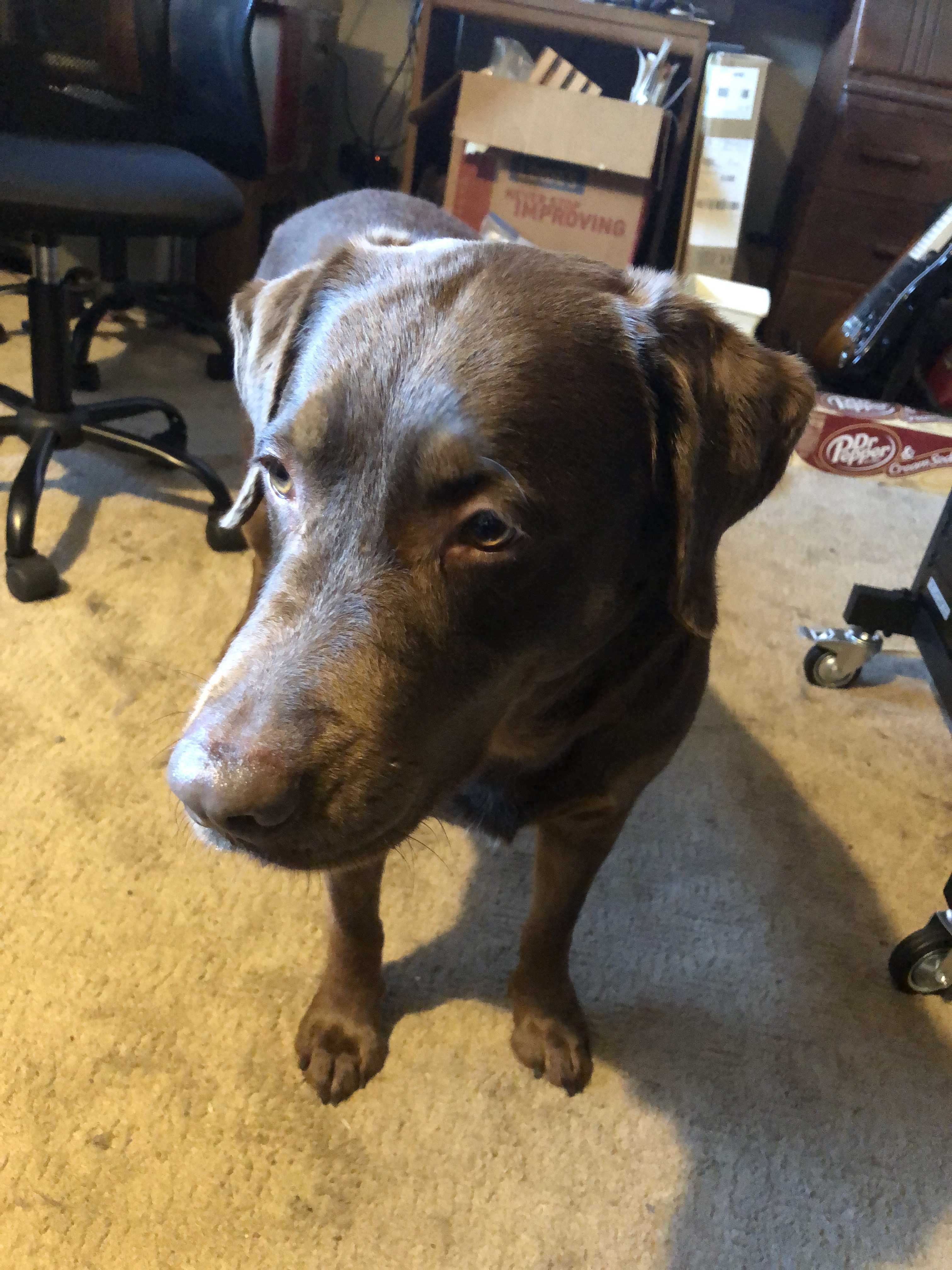
Your dog has done it. Somewhere between “good boy” and “small furry criminal,” he apparently became a barbecue bandit. The neighbor’s ribs vanished, your dog looks suspiciously satisfied, and nobody saw a thing. No security camera. No eyewitness. Just an empty plate, a greasy snout, and the kind of silence usually reserved for courtroom dramas.
So what should you do if your dog stole the neighbor’s ribs and nobody saw it? The short answer: take care of the dog first, handle the neighbor honestly, and prevent the sequel. Because while the story sounds funny, rib bones, fatty meat, seasonings, and neighborly tension can all turn a backyard snack heist into a real problem.
This guide breaks down what to do immediately, what to watch for medically, how to talk to your neighbor without sounding like you’re defending a four-legged outlaw, and how to stop your dog from becoming the local barbecue inspector.
First Things First: Is Your Dog Safe?
Before you worry about who owes whom $18.99 for ribs, check your dog. Ribs are not just “meat with handles.” They may include cooked bones, sauces, spices, salt, fat, garlic, onion powder, or barbecue rubs. In other words, it is a buffet of things a dog wants and a veterinarian does not want your dog to eat.
If your dog only stole boneless, plain, fully cooked meat, the risk may be lower, though the fat and seasoning can still upset the stomach. If your dog swallowed rib bones, especially cooked pork or beef rib bones, the situation becomes more serious. Cooked bones can splinter, lodge in the throat or digestive tract, or cause internal injury. That does not mean every dog who eats a bone will have a disaster, but it does mean you should treat the event seriously.
Call Your Veterinarian or an Emergency Vet
If you know or strongly suspect your dog ate rib bones, call your vet or a local emergency veterinary clinic. Be ready to answer these questions:
- How many ribs were missing?
- Were the bones cooked?
- Were they pork, beef, or another meat?
- Did the dog chew them or swallow pieces whole?
- How big is your dog?
- How long ago did it happen?
- Is your dog vomiting, gagging, drooling, bloated, weak, or acting painful?
Do not induce vomiting unless a veterinarian specifically tells you to. Sharp bone fragments coming back up can cause additional damage. This is one of those moments when “internet confidence” should sit quietly in the corner while the vet talks.
Warning Signs After a Dog Eats Ribs
Watch your dog closely for the next 24 to 72 hours, or longer if your vet recommends it. Seek veterinary care right away if you notice:
- Repeated vomiting or retching
- Bloated or painful belly
- Loss of appetite
- Lethargy or weakness
- Diarrhea, especially bloody stool
- Constipation or straining
- Coughing, gagging, or excessive drooling
- Whining, restlessness, or unusual posture
Fatty rib meat can also trigger pancreatitis in some dogs, a painful inflammation of the pancreas. Symptoms may include vomiting, diarrhea, abdominal pain, fever, loss of appetite, and low energy. If your dog has a history of pancreatitis, is older, is small, or has a sensitive stomach, do not shrug off the situation.
Now the Awkward Part: Should You Tell the Neighbor?
Yes. If you have a reasonable belief your dog took the ribs, tell the neighbor. Even if nobody saw it. Even if your dog is pretending to be innocent while licking barbecue sauce off his whiskers. Good neighbor behavior is not based only on courtroom-level proof. It is based on trust, respect, and not letting your dog become the mystery villain of Saturday cookouts.
You do not need to confess like you robbed a bank. Keep it simple:
“Hey, I think my dog may have gotten into your ribs. I’m really sorry. I’m checking on him because bones can be risky, and I’d like to replace the food or pay you back.”
That sentence does three things well. It takes responsibility without overdramatizing. It shows concern for the dog’s health. And it offers a practical solution.
What If You Are Not 100% Sure?
If there is truly no evidence, phrase it carefully. Say, “I think my dog may have,” not “My dog definitely committed the Great Rib Robbery of 2026.” But if the ribs disappeared, your gate was open, your dog had access, and your dog now smells like a smokehouse, the neighbor does not need a detective board with red string.
The goal is not to win an argument. The goal is to preserve peace, replace what was lost, and make sure it does not happen again.
Offer to Replace the Ribs
Food theft may sound small, but ribs can be expensive. If your dog stole the neighbor’s dinner, offer to replace it or pay for it. You can bring over cash, a gift card, or a fresh rack of ribs from a local grocery store or barbecue restaurant. If you want to add a little humor, attach a note that says, “Apologies from the management team. The suspect is under house arrest.”
Do not ask the neighbor to prove the exact value unless the number seems wildly unreasonable. If they say the ribs cost $25, pay the $25. That is cheaper than a feud, cheaper than a fence dispute, and much cheaper than becoming the subject of a neighborhood Facebook post titled “Some People Need to Control Their Dogs.”
Could You Be Legally Responsible?
Pet-owner liability depends on state law, local ordinances, property rules, and the details of what happened. In many situations, dog owners can be responsible when their dogs cause injury or property damage, especially if the owner was careless or failed to contain the dog. Stolen ribs are not the same as a dog bite, of course, but the broader principle still matters: your pet is your responsibility.
If your dog entered the neighbor’s yard, patio, garage, or cookout area, that may also raise questions about leash laws, nuisance rules, trespass concerns, or local animal-control rules. The practical takeaway is simple: replace the food, apologize, secure your dog, and avoid repeat incidents. If the neighbor threatens legal action or animal-control involvement, stay calm and consider getting local legal advice rather than arguing from your driveway like it is a courtroom with lawn chairs.
How to Prevent the Next Rib Incident
Dogs repeat behaviors that work. If your dog discovers that sneaking into the neighbor’s barbecue zone leads to ribs, fireworks may go off in his tiny dog brain. Not actual fireworks, hopefully. More like: “Excellent. This strategy produces meat.”
Prevention is not about proving your dog is bad. It is about accepting that dogs are opportunists with noses powerful enough to detect one molecule of smoked pork in a windstorm.
Secure the Yard
Check fences, gates, latches, loose boards, gaps under the fence, and areas where your dog can dig or squeeze through. A dog does not need an architectural degree to find a weak spot. Some dogs are escape artists. Some are food-driven engineers. Some are both.
If your dog got into the neighbor’s space, walk the entire property line. Look for nose-height temptations, low gates, shared decks, or places where food smells drift. Add a lock or carabiner to gates if needed. Use supervised outdoor time until you are confident the yard is secure.
Control Outdoor Access During Cookouts
When neighbors are grilling, keep your dog inside, on leash, or in a secure area. This is especially important during summer weekends, holidays, and family gatherings. Dogs do not understand “That brisket belongs to the Hendersons.” They understand scent, opportunity, and speed.
If your dog is invited to a cookout, bring high-value dog-safe treats, a chew, a mat, and a leash. Reward calm behavior away from the food table. If your dog cannot relax around food, do not set him up to fail. Let him nap inside with a puzzle toy while humans do their smoky meat rituals.
Train “Leave It” and “Place”
Two cues can change your life: “leave it” and “place.” “Leave it” teaches your dog to move away from tempting items. “Place” teaches your dog to go to a mat or bed and stay there. These are not magic spells, but with practice, they become powerful tools.
Start training in a quiet room with boring treats. Gradually increase difficulty. Do not begin with a full rack of ribs unless you enjoy losing. Reward your dog heavily for making the right choice. The goal is to teach: ignoring forbidden food makes better things happen.
What Not to Do
Do not punish your dog after the fact. Dogs connect consequences to immediate behavior, not to something that happened 20 minutes ago while you were inside looking for paper towels. If you scold your dog later, he may only learn that you become weird and loud when he smells delicious.
Do not hide the incident from your neighbor if the evidence points to your dog. That creates more problems later. Do not ignore medical symptoms. And do not assume “dogs eat bones all the time” means bones are safe. Dogs also eat socks, rocks, and things from the trash with the confidence of a celebrity chef. Confidence is not the same as wisdom.
A Simple Action Plan
- Check your dog for choking, distress, vomiting, bloating, or pain.
- Call your veterinarian if bones, heavy fat, sauce, or seasoning were involved.
- Monitor your dog closely for warning signs.
- Tell the neighbor honestly and apologize.
- Offer to replace or pay for the ribs.
- Secure your yard, gate, leash routine, or outdoor supervision.
- Begin training “leave it,” “place,” and calm behavior around food.
Specific Example: The Backyard Rib Mystery
Imagine your neighbor set a plate of ribs on a patio table while grabbing napkins inside. Your dog slipped through a loose gate, grabbed the ribs, and returned home like a champion. Nobody saw it, but the evidence includes missing ribs, sauce on your dog’s chest, and a satisfied burp from the suspect.
The best response would be: bring your dog inside, check his mouth and behavior, call the vet if bones are missing, and text the neighbor quickly. Something like:
“I’m really sorry, but I think Max got into your ribs. I’m calling the vet because bones can be risky. Please let me replace them. I’m also fixing the gate today so this doesn’t happen again.”
That message is responsible, calm, and neighborly. It also shows the neighbor this is not going to become a recurring sitcom.
Experience Notes: Lessons From the Great Rib Theft Problem
Anyone who has lived with a food-motivated dog knows that “nobody saw it” does not always mean “nobody knows.” Dogs are terrible at covering their tracks. They may avoid eye contact, lick the floor, carry the scent of barbecue sauce like cologne, or suddenly become very interested in sleeping under the table. The lesson is not that dogs are sneaky villains. The lesson is that food access plus opportunity equals chaos.
One common experience among dog owners is underestimating reach. A dog who has never stolen a sandwich may suddenly perform an Olympic-level stretch when ribs are involved. Another common mistake is assuming a fence is secure because it was secure last month. Weather, digging, loose latches, kids leaving gates open, and delivery workers can all change the situation. A dog only needs one lucky opening to create a neighborhood incident.
Many owners also learn that prevention works better than correction. Once a dog successfully steals food, the behavior becomes self-rewarding. The dog does not need applause. The ribs were the applause. That is why keeping food out of reach, using gates, supervising outdoor time, and practicing training before an emergency matter so much. Training is not something you install during a crisis, like downloading an app in the middle of a tornado. It is built gradually in ordinary moments.
Another experience worth noting is that neighbors usually respond better to honesty than excuses. A simple apology and quick offer to pay can turn a potentially tense moment into a funny story. Denial, on the other hand, makes people feel disrespected. If your dog probably stole the ribs, saying so can protect the relationship. Nobody wants to live next to a mystery, especially one with paws.
There is also a medical lesson: dogs can look fine immediately after eating something risky. That does not always mean they are fine. Some symptoms take time. A dog may act normal after eating bones or fatty food, then develop vomiting, belly pain, diarrhea, constipation, or lethargy later. That is why calling a vet is smarter than waiting until the dog is obviously miserable. Early advice may save money, stress, and pain.
Finally, the rib incident can become a useful turning point. Maybe it pushes you to repair the gate, train “leave it,” buy a better trash can, stop leaving food unattended, or set up a safe indoor zone during cookouts. In a strange way, the stolen ribs may be your dog’s very greasy reminder that management matters. Not every pet problem is a character flaw. Sometimes it is just a system failure wearing fur.
Conclusion
If your dog stole the neighbor’s ribs and nobody saw it, do the responsible thing anyway. Check your dog’s health first, especially if bones or fatty meat were involved. Call your veterinarian if there is any concern. Then talk to your neighbor, apologize, and offer to replace the ribs. You do not need to turn it into a dramatic confession, but you should handle it like a decent human whose dog briefly joined the barbecue crime scene.
After that, focus on prevention. Secure your yard, supervise your dog during outdoor food events, and train practical cues like “leave it” and “place.” The goal is not to shame your dog. The goal is to keep him safe, keep the neighbor happy, and keep future ribs where they belong: on someone’s plate, not inside your furry little suspect.