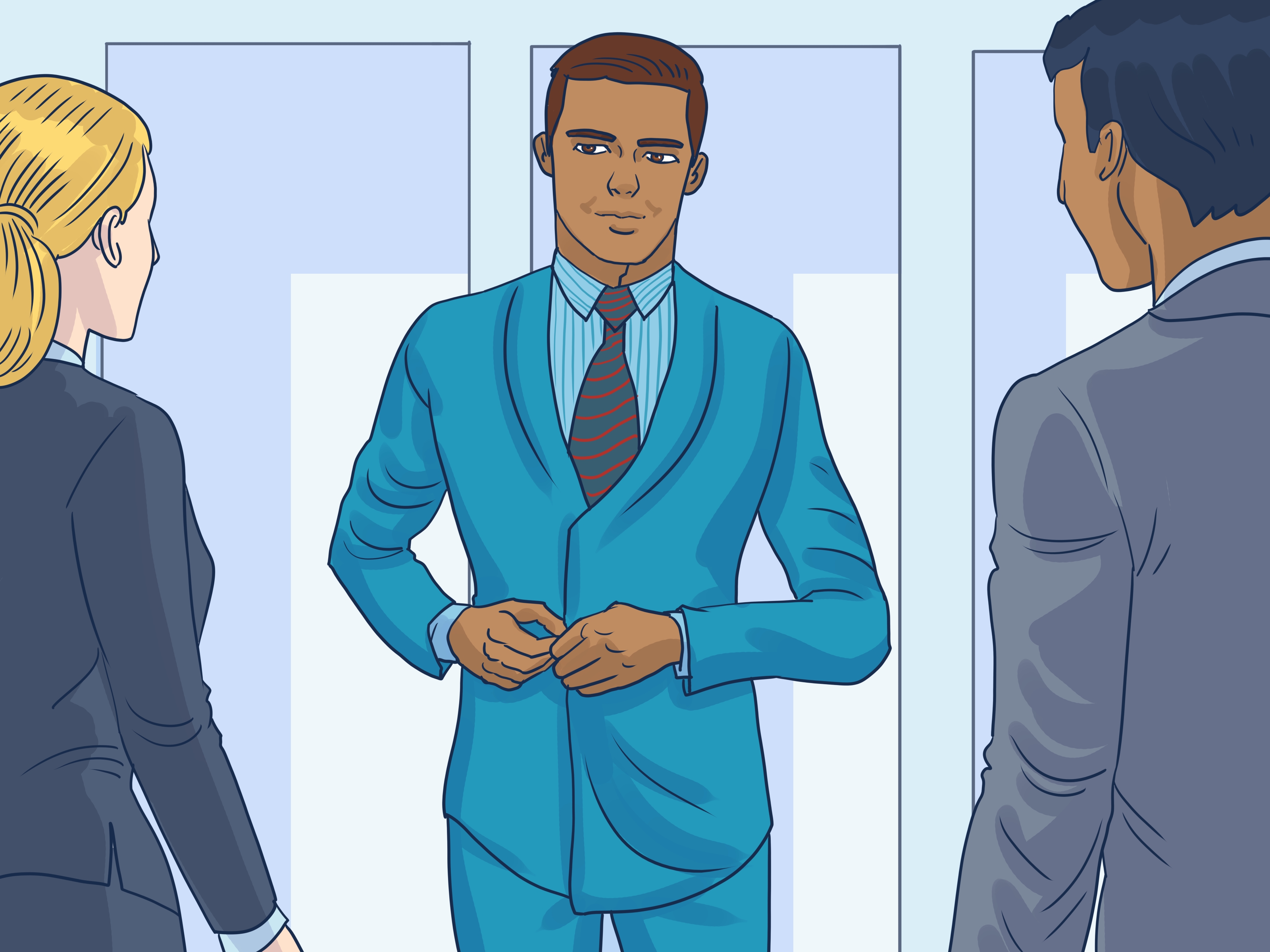
Note: This quiz is for self-reflection and entertainment, not a psychological diagnosis. Think of it as a friendly mirror, not a courtroom verdict with dramatic background music.
Have you ever walked into a room and watched people suddenly sit up straighter, lower their voices, or act like they just remembered an urgent email from 2017? Maybe you are not trying to scare anyone. Maybe you are simply focused, direct, confident, quiet, or blessed with a resting face that says, “I have read the terms and conditions.” That is where the How Many People Actually Find You Intimidating? Quiz comes in.
Being intimidating does not always mean being mean, aggressive, or unapproachable. Sometimes it means people sense your confidence before they understand your personality. Sometimes it means your communication style is sharp, your boundaries are clear, or your silence has the emotional weight of a board meeting. In other cases, people may misread your seriousness, posture, tone, or eye contact and assume you are judging them when you are actually just wondering what to eat for dinner.
This article explores why people may find you intimidating, how social perception works, and how to take a simple quiz to understand your vibe. We will look at body language, tone of voice, first impressions, confidence, assertiveness, emotional warmth, and everyday examples. By the end, you will have a better idea of whether people see you as approachable, quietly powerful, mildly scary, or “please do not ask me a question in class” intimidating.
What Does It Mean to Be Intimidating?
To be intimidating means that others may feel nervous, cautious, impressed, or slightly overwhelmed around you. The key word is may. Intimidation is often based on perception, not intention. You might feel normal on the inside while someone else experiences your energy as intense.
For example, a person who speaks clearly and directly may think, “I am just being efficient.” Another person may hear, “This human has no time for nonsense, and I should organize my thoughts immediately.” A person who is quiet in groups may simply be observant, but others might assume they are judging everyone like a talent-show panelist with very high standards.
Intimidating vs. Confident
Confidence becomes intimidating when it is not balanced with warmth. Confidence says, “I know what I am doing.” Warmth says, “You are safe around me while I do it.” When people see competence without friendliness, they may respect you but hesitate to approach you. When they see friendliness without confidence, they may like you but not always take you seriously. The sweet spot is both: clear, capable, and human.
Intimidating vs. Aggressive
Aggression pushes people down. Intimidation may simply make people step back. Aggressive communication often includes interrupting, blaming, raising your voice, or dismissing other people’s needs. Intimidating communication may be quieter: direct wording, intense eye contact, short replies, serious facial expressions, or a tone that sounds more final than you intended.
Why Do People Find Certain Personalities Intimidating?
People make quick judgments using visible and audible clues. Your posture, facial expression, voice, pace, clothing, eye contact, and level of warmth can all shape a first impression. That impression may be accurate, partly accurate, or wildly unfair. Human brains are fast, but they are not always polite.
Here are common reasons someone may come across as intimidating:
- You are very direct. You say what you mean without adding five decorative pillows of softness.
- You look serious when thinking. Your concentration face may accidentally resemble a courtroom objection.
- You have strong boundaries. People who are used to hearing “yes” may feel startled by a calm “no.”
- You are highly competent. Skill can inspire admiration, but it can also make others compare themselves.
- You speak with certainty. A steady voice can sound powerful, especially in uncertain situations.
- You do not over-explain yourself. Some people find mystery fascinating; others find it terrifying.
- You have low tolerance for drama. Peaceful people are sometimes feared by chaos enthusiasts.
Take the Quiz: How Many People Actually Find You Intimidating?
Choose the answer that sounds most like you. Keep track of your points. Be honest, but do not roast yourself. This is a quiz, not an emotional barbecue.
1. When you walk into a room, people usually:
A. Smile and start talking to me right away. 1 point
B. Notice me, but act normal. 2 points
C. Get a little quieter or more formal. 3 points
D. Suddenly behave like the principal entered. 4 points
2. Your natural speaking style is:
A. Warm, casual, and expressive. 1 point
B. Friendly but clear. 2 points
C. Direct and efficient. 3 points
D. Very blunt, especially when people waste time. 4 points
3. When someone disagrees with you, you usually:
A. Try to make them comfortable first. 1 point
B. Listen, then explain your view calmly. 2 points
C. Challenge weak points in their argument. 3 points
D. Mentally prepare a full debate with exhibits. 4 points
4. People often describe you as:
A. Sweet, easygoing, or friendly. 1 point
B. Confident, thoughtful, or reliable. 2 points
C. Strong, intense, or hard to read. 3 points
D. Powerful, scary, bossy, or “a lot.” 4 points
5. Your resting face usually says:
A. “Come sit with me.” 1 point
B. “I am listening.” 2 points
C. “I am analyzing everything.” 3 points
D. “The meeting could have been an email.” 4 points
6. In group projects, you tend to:
A. Keep everyone comfortable and included. 1 point
B. Help organize the work fairly. 2 points
C. Take charge if things get messy. 3 points
D. Become the unofficial CEO by accident. 4 points
7. When you are quiet, people assume you are:
A. Relaxed or shy. 1 point
B. Thinking. 2 points
C. Judging the situation. 3 points
D. Plotting a corporate takeover. 4 points
8. When someone crosses a boundary, you:
A. Avoid conflict and hope they notice. 1 point
B. Explain how you feel politely. 2 points
C. Tell them clearly what is not okay. 3 points
D. Shut it down so firmly the room learns a lesson. 4 points
9. How do new people usually act around you?
A. Comfortable right away. 1 point
B. A little cautious, then comfortable. 2 points
C. Respectful but slightly nervous. 3 points
D. Like they are being interviewed for a job. 4 points
10. Your honesty is best described as:
A. Gentle and careful. 1 point
B. Clear but kind. 2 points
C. Very direct. 3 points
D. So direct it needs a seatbelt. 4 points
Quiz Results: How Intimidating Are You?
10–16 Points: Almost No One Finds You Intimidating
You likely come across as approachable, relaxed, and easy to talk to. People probably feel comfortable asking you questions, sharing stories, or sitting next to you without rehearsing their opening line. Your warmth is easy to read, which helps others feel safe.
The possible challenge? People may underestimate your boundaries or assume you will always be agreeable. If that happens, practice being clear without apologizing for having needs. You can be kind and firm at the same time. In fact, that combination is social magic with better shoes.
17–24 Points: A Few People Find You Intimidating
You have a balanced presence. Most people probably see you as friendly, but some may notice your confidence, intelligence, or direct communication and feel slightly nervous at first. This is common for people who are capable but not overly performative.
You may intimidate people who are unsure of themselves, sensitive to direct feedback, or unfamiliar with your humor. The good news is that your warmth can quickly soften the first impression. A smile, a small compliment, or a simple “What do you think?” can make you feel more accessible without changing your personality.
25–32 Points: Many People Find You Intimidating
You likely have a strong presence. People may respect you before they relax around you. You might be direct, ambitious, observant, private, or very composed under pressure. These traits can be impressive, but they can also make others wonder whether they are being silently graded.
Your task is not to become smaller. It is to add visible warmth. Ask follow-up questions. Show appreciation. Explain your tone when needed. Say, “I am being direct because I want to be clear, not because I am upset.” Tiny signals can completely change how people experience your confidence.
33–40 Points: You Are Seriously Intimidating
You may have what people call “main character walking into the courtroom” energy. Others may see you as powerful, intense, hard to impress, or difficult to approach. That does not mean you are bad. It means your presence is strong enough that people react before they know you.
This can be useful in leadership, negotiation, sports, performance, and high-pressure environments. However, in friendships, dating, school, teamwork, or family life, too much intensity can create distance. If people often say, “I thought you hated me before I knew you,” that is your social smoke alarm. You do not need to become less confident. You may simply need to make your friendliness easier to see.
Signs People Might Find You Intimidating
Not sure whether the quiz result fits? Look for patterns. One awkward interaction does not prove anything. Everyone has weird days. But repeated reactions can reveal how people experience your energy.
People Over-Explain Around You
If people give long explanations for small choices, they may worry you will criticize them. For example, instead of saying, “I am late,” they give a full documentary about traffic, weather, family responsibilities, and a suspiciously slow elevator.
People Ask Others Before Asking You
If classmates, coworkers, or friends avoid asking you simple questions directly, they may assume you will react sharply. This can happen even if you are helpful. Your face may say “try Google first,” even when your heart says “sure, I can help.”
People Laugh Nervously
Nervous laughter can be a sign that someone wants approval or is trying to reduce tension. If people laugh after you make a neutral comment, they may be reading more intensity into your words than you intended.
People Say, “I Was Scared of You at First”
This is the classic clue. If several people have told you they were intimidated before getting to know you, believe the pattern. They are not saying you are awful. They are saying your first impression arrives wearing sunglasses indoors.
Why Confidence Can Be Misread as Intimidation
Confidence is attractive, useful, and often necessary. But when confidence appears without emotional signals like friendliness, curiosity, humor, or patience, others may interpret it as superiority. People usually want to know two things when they meet you: Are you capable? And are you safe to approach?
If you show capability but not warmth, people may think, “They know what they are doing, but I do not know if they like me.” That uncertainty can feel intimidating. On the other hand, when you combine clear competence with small signs of warmth, people are more likely to respect you and feel comfortable around you.
How to Be Less Intimidating Without Shrinking Yourself
The goal is not to become less smart, less ambitious, less direct, or less powerful. Please do not dim your personality like a phone on low battery mode. The goal is to become easier to read.
Use Small Warmth Signals
A quick smile, relaxed shoulders, a nod, or a friendly greeting can change the emotional temperature of a room. These small signals tell people, “I am not mad; this is just my face.”
Soften Direct Feedback
Instead of saying, “This does not work,” try, “I see what you were going for, but this part may need a different approach.” You are still honest, but now your honesty has furniture and lighting.
Ask More Questions
Questions make people feel included. Try, “How do you see it?” or “What would make this easier?” This shows that your confidence leaves room for other people’s ideas.
Explain Your Intent
If you know you can sound intense, name it lightly. Say, “I may sound serious, but I am not upset.” That one sentence can rescue an entire conversation from unnecessary tension.
Balance Boundaries With Kindness
You can say no without sounding cold. Try, “I cannot do that today, but I hope it goes well,” or “That does not work for me, but I appreciate you asking.” Clear boundaries are healthy. Warm delivery makes them easier to receive.
When Being Intimidating Is Actually a Strength
There are moments when a strong presence helps. If you are presenting an idea, defending a boundary, leading a team, handling conflict, or standing up for yourself, a little intimidation can protect your space. People who are not easily pushed around often make others think twice before crossing a line.
Being intimidating can also mean you have standards. You may care about quality, honesty, loyalty, punctuality, or effort. Those standards can inspire others to level up. The key is making sure your standards do not become a wall that keeps people from connecting with you.
Real-Life Examples of Intimidating Energy
The Quiet Observer
This person says little in a group but notices everything. They remember who interrupted whom, who avoided responsibility, and who took the last slice of pizza. People may find them intimidating because silence creates mystery. The fix? Share occasional thoughts out loud so people do not invent a dramatic inner monologue for you.
The Direct Communicator
This person values clarity. They do not dance around the point. Their emails are short. Their feedback is specific. Their “okay” means okay, not secretly angry. People may find them intimidating because they are used to softer language. The fix? Add context and appreciation without becoming fake.
The High Achiever
This person gets things done. They are prepared, focused, and allergic to excuses. People may admire them but feel nervous about disappointing them. The fix? Let others see your learning process, not just your final results. A little humility makes excellence feel human.
The Boundary Keeper
This person says no clearly and does not over-apologize. Some people find that intimidating because they are used to negotiating with guilt. The fix? Keep the boundary, but use a calm tone. You do not need to add a 42-page emotional appendix.
500-Word Experience Section: What It Feels Like to Be Seen as Intimidating
Many people who are described as intimidating are surprised by it. They do not wake up thinking, “Today I shall terrify the group chat.” They are often simply moving through life with focus, honesty, or a naturally serious expression. The experience can be confusing because the inside and outside do not match. On the inside, they may feel thoughtful, tired, shy, or even anxious. On the outside, others see confidence, control, or distance.
Imagine sitting in class, at work, or in a social group. You are quiet because you prefer to listen first. You are not judging anyone. You are gathering information, noticing patterns, and deciding whether the conversation is worth joining. Then someone later says, “I thought you were scary when I first met you.” Suddenly, you replay every moment. Was it your face? Your tone? Your silence? The black hoodie? The way you said “interesting” with absolutely no emoji energy?
This experience can make people self-conscious. Some start over-smiling, over-explaining, or softening every opinion until their personality feels wrapped in bubble wrap. Others go the opposite way and think, “If people already find me intimidating, I might as well lean into it.” Neither extreme is necessary. The healthier path is awareness. You can learn how people read you without letting their first impression control your identity.
In friendships, being seen as intimidating can delay closeness. People may admire you from a distance but hesitate to invite you into casual conversations. They may assume you are too busy, too cool, too serious, or too selective. Once they finally know you, they might discover you are funny, loyal, and deeply caring. That delayed discovery can be frustrating. It is like having a great personality hidden behind a locked office door with frosted glass.
In school or professional settings, intimidating energy can be both helpful and limiting. It may make people respect your ideas, listen when you speak, and trust you with responsibility. But it can also make teammates afraid to admit confusion or suggest alternatives. If people only bring you polished thoughts, you may miss honest collaboration. That is why warmth matters. A strong person who invites questions becomes a leader. A strong person who discourages questions becomes a weather system.
The best experience is learning that you do not have to choose between power and approachability. You can be direct and kind. You can have standards and patience. You can be private and still welcoming. You can be confident without making others feel small. Often, the smallest changes make the biggest difference: greeting people first, softening your tone, explaining your intent, laughing at yourself, or asking someone what they think before giving your final opinion.
If people find you intimidating, it may mean you have presence. Presence is not a flaw. It is energy that enters the room before your words do. The question is what that energy communicates. With a little awareness, you can make sure it says, “I am capable, honest, and grounded,” not “Approach only if you have scheduled an appointment.”
Conclusion
The How Many People Actually Find You Intimidating? Quiz is less about labeling yourself and more about understanding how others may experience your presence. Intimidation is often a mix of confidence, communication style, body language, tone, boundaries, and social context. Some people are intimidated by strength because they are not used to it. Others may misread seriousness as coldness or directness as criticism.
The goal is not to become smaller, quieter, or less impressive. The goal is to become more intentional. If you want people to feel comfortable around you, show warmth clearly. If you want to keep your strong presence, keep it. Just give it a friendly front porch.