Osteoporosis has a sneaky way of sounding like a condition that should make you sit very, very still. After all, if bones are fragile, wouldn’t the safest plan be to wrap yourself in bubble wrap, cancel all stairs, and treat the living room rug like a wild animal? Tempting, yes. Helpful, not really.
The truth is almost the opposite: exercise with osteoporosis is one of the most important tools for protecting bone strength, improving balance, supporting posture, and reducing the risk of falls. Movement is not a magic wand, and it does not replace medical treatment, nutrition, or regular care. But used wisely, it gives your bones and muscles a reason to stay engaged in the game.
Osteoporosis means bones have become less dense and more fragile, making fractures more likely, especially in the hip, spine, and wrist. That sounds scary because, frankly, it can be. But the goal is not to live in fear. The goal is to move smarter. The right routine can help you build strength, feel steadier, and keep doing the everyday things that make life feel normal: walking the dog, carrying groceries, gardening, traveling, dancing at weddings, or chasing a runaway napkin across the patio with dignity mostly intact.
Why Exercise Is Key With Osteoporosis
Bones are living tissue. They respond to stress in a healthy way when that stress is appropriate. When muscles pull on bones during walking, stair climbing, squats, resistance training, or other controlled movements, the body receives a signal: “Hey, we still need this structure to be strong.” That signal helps support bone maintenance and may slow bone loss.
Exercise also works beyond the bones. Stronger muscles help protect joints and improve stability. Better balance lowers the chance of falls. Improved posture reduces strain on the spine. Increased confidence helps people stay active instead of retreating into the “I better not move” zone, which is where weakness loves to set up camp and start charging rent.
The Best Types of Exercise for Osteoporosis
A strong osteoporosis exercise plan usually includes three main ingredients: weight-bearing aerobic activity, muscle-strengthening exercise, and balance or posture training. Think of them as the breakfast, lunch, and dinner of bone-friendly movement. You do not need to become an athlete. You need a routine that is safe, consistent, and appropriate for your fracture risk and fitness level.
1. Weight-Bearing Exercise
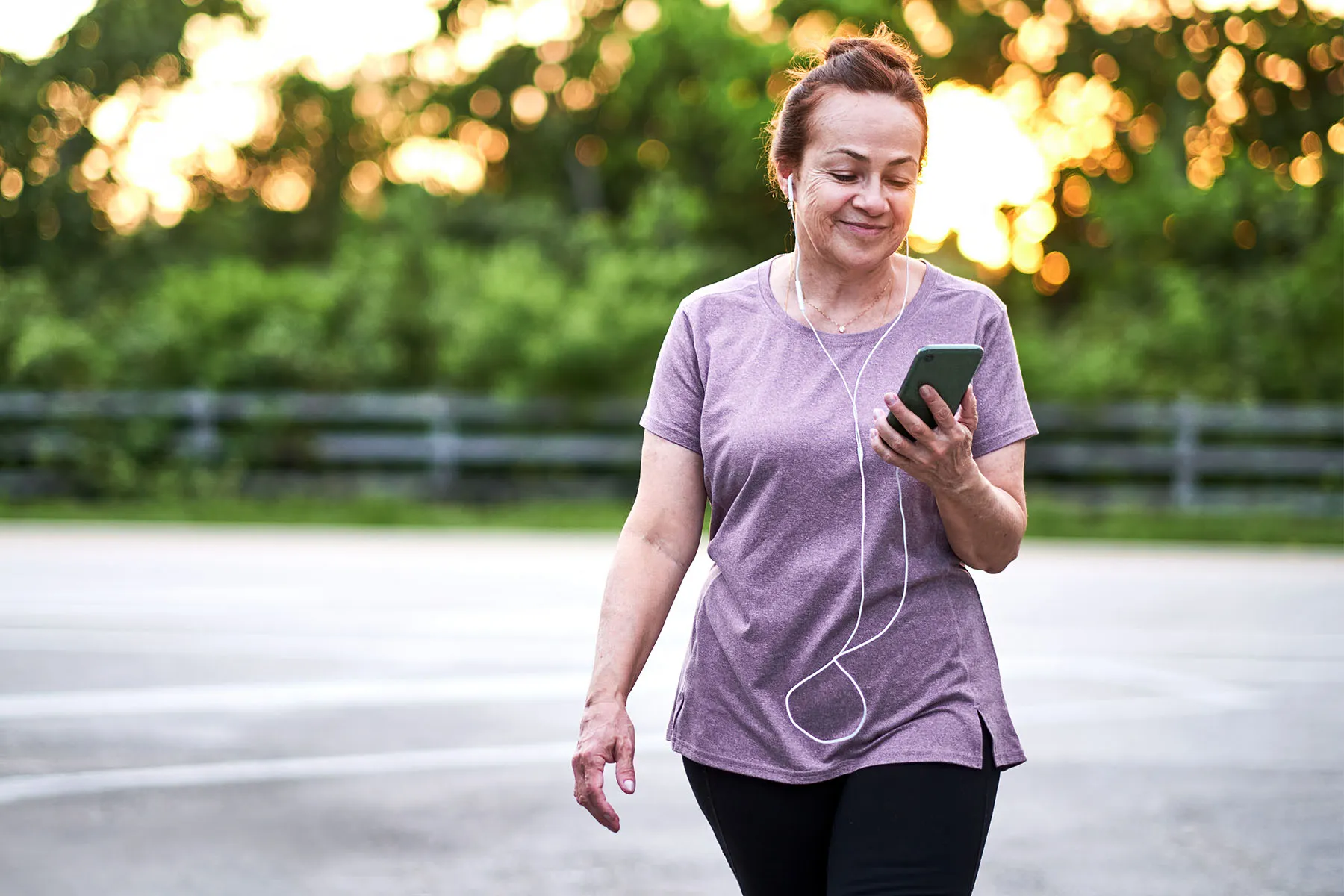
Weight-bearing exercise means your bones and muscles work against gravity while you are upright. Walking is the classic example. Other options include stair climbing, low-impact aerobics, dancing, hiking on safe surfaces, elliptical training, and gardening.
These activities are especially useful because your legs, hips, and lower spine support your body weight. That gentle loading encourages bones to stay active. If your healthcare provider says it is safe, higher-impact movements may be appropriate for some people with mild bone loss. But if you have osteoporosis, a history of fracture, poor balance, or spine concerns, low-impact options are usually the safer starting point.
2. Muscle-Strengthening Exercise
Muscle-strengthening exercise, also called resistance training, uses an opposing force to challenge your muscles. That force can come from dumbbells, resistance bands, weight machines, or your own body weight. Examples include wall push-ups, sit-to-stand exercises, step-ups, rows with a band, heel raises, gentle squats, and modified planks.
Resistance training is important because muscles act like a support system for your skeleton. Stronger legs can make stairs less dramatic. Stronger hips may support better walking mechanics. A stronger back can help posture, which matters a lot when osteoporosis affects the spine.
3. Balance and Posture Training
Falls are one of the biggest fracture risks for people with osteoporosis. That is why balance training deserves a seat at the adult table. Simple exercises such as standing on one foot near a counter, heel-to-toe walking, side steps, tai chi, and controlled weight shifts can train your body to react better when life throws a wobbly sidewalk or an overly enthusiastic dog in your path.
Posture exercises matter too. Many people spend hours hunched over phones, laptops, steering wheels, and kitchen counters. Osteoporosis can increase the importance of spinal alignment, especially when there is a risk of compression fractures. Gentle back-extension strengthening, shoulder blade squeezes, and chest-opening movements may help support a more upright posture.
Exercises That Are Often Helpful
The best exercise program is personal, but these movements often appear in bone-friendly routines:
- Brisk walking: A practical, low-cost way to load the hips and legs.
- Stair climbing: Helpful for leg strength and bone loading when balance is good.
- Step-ups: A functional move that mimics real life and strengthens the lower body.
- Heel raises: Useful for calf strength, ankle control, and balance support.
- Wall push-ups: A gentle upper-body strength exercise that can be easier than floor push-ups.
- Resistance-band rows: Great for upper-back strength and posture.
- Sit-to-stand exercises: Practical training for legs, hips, and daily independence.
- Tai chi or balance drills: Helpful for coordination and fall prevention.
Start small. A five- or ten-minute walk is still movement. A set of eight careful sit-to-stands still counts. Your bones are not checking your outfit, your playlist, or whether you look like someone in a fitness commercial. They care about regular, safe loading over time.
Exercises to Approach Carefully
Not every exercise is ideal for every person with osteoporosis. Movements that involve forceful bending forward, deep twisting of the spine, sudden jerking, or high-impact jumping may be risky for people with advanced osteoporosis or prior spine fractures. Traditional sit-ups, toe touches, aggressive twisting yoga poses, and heavy lifts done with rounded posture may place unnecessary stress on the spine.
This does not mean yoga, Pilates, or strength training are automatically off-limits. It means form matters. Modifications matter. A physical therapist or qualified trainer familiar with osteoporosis can help adapt exercises so they build strength without turning your spine into a negotiation.
How Often Should You Exercise?
A realistic goal is to include weight-bearing activity most days of the week and strength training two to three days per week. Balance exercises can be practiced frequently, even for a few minutes at a time. Some people aim for about 30 minutes of weight-bearing movement on several days per week, but it is fine to split activity into shorter sessions.
For example, you might walk for 10 minutes after breakfast, do a few posture exercises at lunch, and practice balance near the kitchen counter before dinner. That counts. Fitness does not have to arrive wearing neon shoes and yelling motivational slogans. Sometimes it looks like consistent, ordinary movement done with patience.
A Simple Weekly Osteoporosis Exercise Plan
Here is a sample routine for someone who has medical clearance and no recent fracture. It should be adjusted for personal fitness, pain, balance, and healthcare advice.
Monday: Walk and Posture
Walk for 20 to 30 minutes at a comfortable pace. Add two sets of shoulder blade squeezes and wall push-ups. Keep the spine tall and avoid looking down the entire time, unless your shoes are doing something truly suspicious.
Tuesday: Strength and Balance
Do sit-to-stands, heel raises, resistance-band rows, and side steps. Practice standing on one foot while holding a counter. Use controlled movements and breathe normally.
Wednesday: Low-Impact Cardio
Try low-impact dancing, elliptical training, or a walk on level ground. If joints are sore, keep the intensity gentle. The goal is consistency, not auditioning for a superhero franchise.
Thursday: Strength Training
Repeat a resistance routine with light weights or bands. Focus on hips, legs, back, shoulders, and core stability. Stop any movement that causes sharp pain, dizziness, or unusual discomfort.
Friday: Balance and Flexibility
Try tai chi, gentle mobility work, or balance drills. Stretching can help you move comfortably, but avoid deep spinal flexion or twisting if you have spine fracture risk.
Weekend: Active Living
Garden, walk with a friend, visit a park, climb safe stairs, or do household chores with good body mechanics. Your bones do not know whether you are “working out” or carrying laundry. They just know you are moving.
Safety Tips Before You Start
Before beginning a new exercise program with osteoporosis, talk with your healthcare provider, especially if you have had a fracture, have back pain, feel unsteady, or have other medical conditions. A bone density test, fracture history, medications, and balance level can all affect what is safe.
Wear supportive shoes. Choose well-lit areas. Remove tripping hazards at home. Use a railing on stairs. Warm up before exercise and cool down afterward. Increase intensity gradually. If you use weights, begin lighter than your ego prefers. The ego is not a licensed physical therapist.
Pain is information. Mild muscle effort is normal. Sharp pain, sudden back pain, chest pain, dizziness, or shortness of breath is not something to “push through.” Stop and seek medical guidance if symptoms feel concerning.
What About Swimming and Cycling?
Swimming and cycling are excellent for cardiovascular fitness, joint-friendly movement, and general health. However, they are not considered weight-bearing in the same way walking or stair climbing is, because the body is supported by water or a bike. That means they may not provide the same bone-loading stimulus.
Still, they can be valuable parts of a balanced routine, especially for people with arthritis, pain, or limited mobility. The trick is not to rely on them alone for bone health. Pair them with safe weight-bearing and resistance exercises when possible.
Nutrition and Exercise Work Better Together
Exercise is powerful, but bones also need building materials. Calcium, vitamin D, adequate protein, and overall nutritious eating support bone health. Some people also need osteoporosis medication to reduce fracture risk. Exercise should be seen as part of a complete plan, not a solo act trying to carry the entire show.
If your doctor recommends medication, do not assume exercise makes it unnecessary. And if you are taking medication, do not assume movement no longer matters. The best results often come from combining medical care, nutrition, fall prevention, and exercise.
Common Mistakes People Make
Doing Only Gentle Stretching
Stretching can feel wonderful, but stretching alone does not load bones enough to support bone strength. Add weight-bearing and resistance work when safe.
Going Too Hard Too Soon
Motivation is great. Launching into intense workouts after months of inactivity is less great. Progress slowly so muscles, joints, balance, and confidence can adapt.
Avoiding Movement Out of Fear
Fear is understandable after an osteoporosis diagnosis. But too much inactivity can lead to weakness, stiffness, and higher fall risk. Safe movement is often part of the solution.
Ignoring Balance
Strong bones are important, but preventing falls is just as critical. Balance training may look simple, but it can have a big payoff in daily life.
Real-Life Experiences: What Exercise With Osteoporosis Can Feel Like
Many people imagine an osteoporosis exercise plan as a medical chore, somewhere between flossing and assembling furniture with missing instructions. But in real life, the experience can be surprisingly empowering. The first few weeks may feel awkward. You may wonder whether a wall push-up is “real exercise.” You may feel slightly betrayed by your calves after heel raises. You may discover that standing on one foot is much easier in your imagination than in your kitchen.
One common experience is the return of confidence. A person who avoids stairs may start with step-ups on a low platform while holding a rail. At first, the movement feels cautious. After a few weeks, they notice stairs feel less intimidating. That change is not just physical. It is emotional. Osteoporosis can make people feel breakable, but exercise can remind them they are still capable.
Another experience is learning that “safe” does not mean “easy forever.” A good routine grows gradually. Light resistance bands may become medium bands. Five minutes of walking may become fifteen. A chair-supported balance drill may turn into a more confident stance with only fingertip support. Progress may be quiet, but quiet progress is still progress. Not every victory needs a marching band.
People also learn to respect body mechanics. Bending from the hips instead of rounding the back, carrying groceries close to the body, getting out of a chair with control, and turning the whole body instead of twisting sharply can become daily habits. These small changes may not look dramatic, but they make movement safer and more efficient.
There can be frustrating days too. Some mornings, energy is low. Some joints complain. Weather, sleep, medications, or other health issues can affect what feels possible. The key is flexibility. A shorter walk, gentler strength session, or balance practice near a counter is still a win. The goal is not perfection; it is persistence.
For many people, exercise also becomes social. Walking with a neighbor, taking a beginner tai chi class, joining a supervised strength group, or working with a physical therapist can make the routine less lonely. The best workout is often the one you will actually do. If a program is safe, consistent, and slightly enjoyable, it has a much better chance of surviving real life.
Perhaps the biggest lesson is that osteoporosis does not erase your relationship with your body. It changes the conversation. Instead of demanding, “Why can’t I do what I used to do?” exercise invites a better question: “What can I build from here?” That mindset turns movement into care, not punishment. It helps people focus on strength, balance, posture, and independence. And yes, it may also lead to the satisfying moment when you carry groceries inside in one tripcarefully, of course, because we are brave, not ridiculous.
Conclusion
Exercise with osteoporosis is not about becoming fearless. It is about becoming prepared. The right combination of weight-bearing activity, strength training, balance work, and posture practice can help support bone health, reduce fall risk, and improve everyday confidence. The safest plan is personal, gradual, and guided by your health history.
Osteoporosis may make bones more fragile, but it does not mean life has to shrink. Movement, done wisely, helps protect the activities that matter most. Start where you are, choose exercises you can repeat, ask for professional guidance when needed, and give your bones a reason to keep showing up for you.