Note: This article is for informational purposes only and should not replace medical, legal, or benefits advice from qualified professionals.
More than two decades after September 11, 2001, the health consequences of that morning are still unfolding. The collapse of the World Trade Center did not end when the dust settled over Lower Manhattan. For many responders, office workers, residents, students, teachers, volunteers, and commuters, that dust became part of a much longer storyone written in medical charts, oncology appointments, family conversations, and government benefit applications.
One of the most overlooked chapters in that story involves uterine cancer, including endometrial cancer. For years, this cancer was missing from the official list of 9/11-related health conditions, even as women who had been exposed to Ground Zero toxins were being diagnosed, treated, and left wondering why their illness did not seem to count. That changed in January 2023, when all types of uterine cancer were finally added to the World Trade Center Health Program’s list of covered conditions.
The rule change did more than update a federal list. It gave many women access to no-cost treatment through the WTC Health Program and opened the door to possible compensation through the September 11th Victim Compensation Fund. It also validated something patients had been saying for years: women were there, women were exposed, and women’s cancers deserve equal attention.
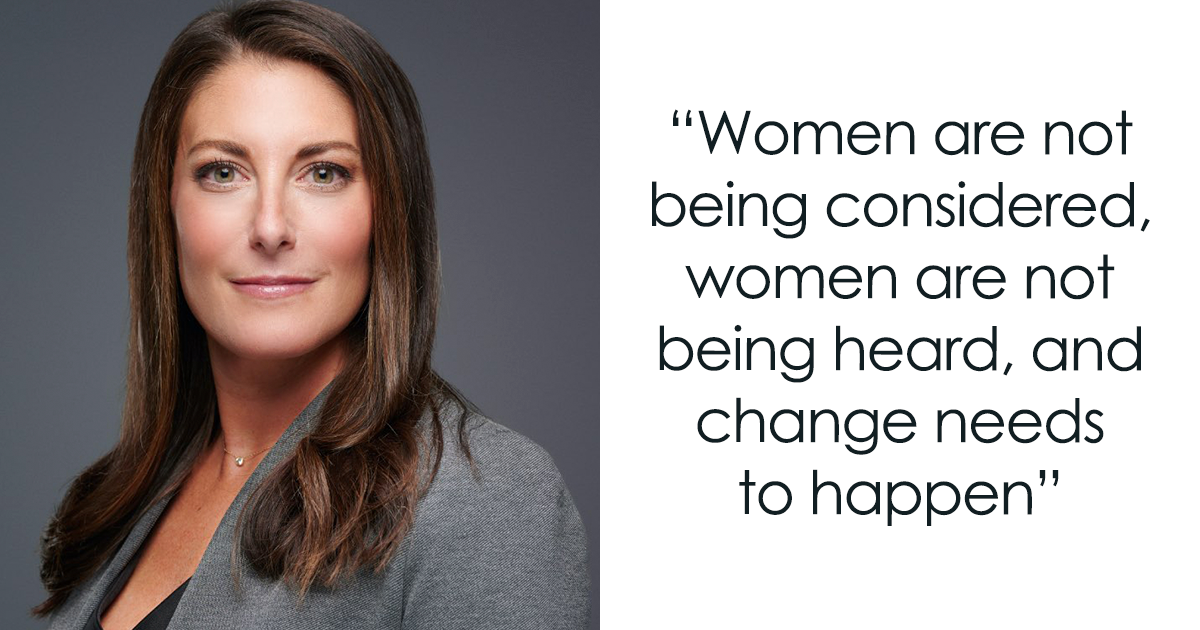
One of the advocates helping bring that message into the public eye is Sara Director, a New York attorney, 9/11 survivor, and partner at a law firm known for representing thousands of people affected by the attacks. Her work has helped shine a spotlight on women whose cases were too often treated like footnotes. And in health care, footnotes have a nasty habit of becoming tragedies when nobody reads them.
Why Uterine Cancer Became a 9/11 Health Issue
Uterine cancer is not one single disease. The most common form is endometrial cancer, which begins in the lining of the uterus. Less common types include uterine sarcomas, which develop in the muscle or supporting tissue of the uterus. In the United States, uterine cancer is one of the most common cancers affecting women, with tens of thousands of new cases expected each year.
So why call it rare in the 9/11 context? Because for years, uterine cancer was rare in the official conversation. Other cancers had been recognized earlier, but uterine cancer remained excluded. That gap mattered. Without certification as a WTC-related condition, patients could face treatment costs, uncertainty, and a painful sense that their suffering was invisible.
The World Trade Center disaster created a complex exposure environment. The collapse released a dense cloud of dust, smoke, gases, pulverized concrete, glass fibers, asbestos, lead, combustion byproducts, and other hazardous substances. People were exposed outdoors, inside offices, inside schools, in apartments, and during cleanup operations that continued long after the first terrible day.
Researchers have continued studying how those exposures may relate to respiratory diseases, digestive disorders, mental health conditions, and cancers. Uterine cancer required special attention because the earlier research population was heavily male, especially among first responders and rescue workers. When women are underrepresented in a dataset, women’s diseases can become harder to detect, easier to delay, and more likely to be dismissed. That is not science working badly; it is science working with an incomplete guest list.
The 2023 Rule Change: A Turning Point for Women
Effective January 18, 2023, all types of uterine cancer, including endometrial cancer, became eligible for certification by the WTC Health Program. This means enrolled members with certified WTC-related uterine cancer may receive covered treatment through the program at no out-of-pocket cost for authorized care.
The change also made certified uterine cancer potentially eligible for the September 11th Victim Compensation Fund, as long as the claimant meets other requirements. This distinction is important: the WTC Health Program and the VCF are separate programs. The WTC Health Program focuses on medical monitoring and treatment. The VCF provides compensation for eligible losses related to 9/11 physical health conditions.
For patients, the difference can be huge. Medical care helps with treatment. Compensation may help with lost income, pain and suffering, family financial strain, and, in some cases, claims brought after a loved one has died. Cancer does not politely wait until paperwork is finished, so clarity matters.
The federal review acknowledged the difficulty of proving a definitive epidemiological link in a population where women were underrepresented in the most studied responder groups. Instead of waiting for perfect data that might never arrive, officials considered scientific evidence, expert review, endocrine-disrupting chemical concerns, public comments, and recommendations from advisory bodies. The result was a rule that closed a major gap in coverage.
Who May Be Affected?
The 9/11 health community is much broader than many people realize. It includes firefighters, police officers, construction workers, medical personnel, cleanup workers, and volunteers. But it also includes survivors: people who lived, worked, attended school, attended daycare, or were otherwise present in affected areas of Lower Manhattan and parts of Brooklyn during specific eligibility periods.
This is where awareness becomes critical. Many women who were in the area were not wearing uniforms. They were secretaries, teachers, college students, restaurant workers, retail employees, office managers, journalists, artists, residents, and children. Some moved away from New York years ago. Some never thought of themselves as “9/11 survivors” because they were not at Ground Zero with a hard hat. But exposure did not check job titles at the door.
Sara Director has emphasized this point in her advocacy: the 9/11 population includes women whose experiences did not always fit the public image of a responder. Her message is simple but powerfulif you were there, learn whether you may qualify. The worst that can happen is that you get accurate information. The best that can happen is that you receive monitoring, treatment support, or compensation you did not know existed.
Why Sara Director’s Advocacy Matters
Sara Director’s story is personal as well as professional. She was in Lower Manhattan on September 11 and later dedicated her legal career to helping people affected by the attacks. Her advocacy around uterine cancer is part of a larger push to ensure that women in the 9/11 community are seen, heard, and served.
Her work stands out because it connects law, medicine, public awareness, and lived experience. Legal advocacy can sound dry from a distanceforms, deadlines, eligibility rules, documents, signatures. But behind those words are women sitting in exam rooms, families dealing with treatment schedules, and survivors who want someone to say, “Yes, what happened to you matters.”
Director has also highlighted a cultural issue familiar to many women: the habit of putting everyone else first. Many women delay appointments, minimize symptoms, or assume they are “probably fine” because life is busy. There are children to raise, parents to help, bills to pay, jobs to keep, and approximately 17 things in the refrigerator that may or may not still be edible. But unusual bleeding, pelvic pain, or unexplained changes deserve medical attention, not a motivational speech and another cup of coffee.
Her advocacy has helped transform uterine cancer from a hidden concern into a recognized issue within the 9/11 health conversation. That recognition can save money, reduce fear, and, most importantly, encourage earlier care.
Signs and Symptoms Women Should Not Ignore
Uterine cancer often produces symptoms, especially abnormal vaginal bleeding. Bleeding after menopause is never considered normal and should be evaluated by a health care provider. Premenopausal women should also pay attention to bleeding between periods, unusually heavy bleeding, bleeding after sex, or changes that feel clearly different from their normal cycle.
Other possible symptoms include unusual vaginal discharge, pelvic pain, pelvic pressure, pain during urination, pain during sex, bloating, or unexplained weight changes. These symptoms do not automatically mean cancer. Many non-cancer conditions can cause similar problems. But that is exactly why a professional evaluation matters. Guessing is not a diagnostic strategy, even if the internet sometimes acts like it went to medical school.
There is no routine screening test for uterine cancer that works like a Pap test does for cervical cancer. A Pap test is important, but it is not designed to detect uterine cancer. Because of that, symptom awareness becomes especially important. If something feels wrong, patients should speak up clearly and persistently.
Common Risk Factors for Uterine Cancer
Not every case of uterine cancer is connected to 9/11 exposure. In the general population, several factors can increase risk. These include being older than 50, obesity, exposure to estrogen without progesterone, trouble getting pregnant, irregular ovulation, use of tamoxifen, diabetes, polycystic ovary syndrome, endometrial hyperplasia, and a family history of uterine, colon, or ovarian cancer. Lynch syndrome, an inherited genetic condition, can also increase risk.
For 9/11 survivors, the question is not whether ordinary risk factors exist. They do. The question is whether a person with a qualifying exposure history and a uterine cancer diagnosis may be eligible for WTC Health Program certification and related benefits. That decision is made case by case, based on program rules, medical documentation, latency requirements, and exposure history.
This is why women should avoid assuming they are ineligible. A person may have moved away, changed names, lost employment records, or forgotten exact dates. Still, old documents, school records, leases, pay stubs, tax forms, witness statements, medical records, or other evidence may help establish presence in the affected area.
How the WTC Health Program Helps
The WTC Health Program provides medical monitoring and treatment for certified WTC-related health conditions. Members may receive care through Clinical Centers of Excellence in the New York metropolitan area or through the Nationwide Provider Network if they live elsewhere. This national structure matters because many survivors have scattered across the country since 2001.
For uterine cancer, the program can cover authorized treatment once the condition is certified as WTC-related. That may include care coordination and medically necessary services connected to the certified condition. Patients should work directly with the program, their doctors, and qualified benefits professionals to understand what is covered and what steps are required.
The September 11th Victim Compensation Fund is separate. A woman may need to register with the VCF and file a claim after certification, depending on her situation. Claimants should pay close attention to deadlines because the clock can depend on when a condition is certified or otherwise determined to be 9/11-related.
The Bigger Lesson: Women’s Health Data Matters
The uterine cancer rule change is about more than one diagnosis. It is a case study in what happens when public health systems do not fully capture women’s experiences from the beginning. If early studies focus mostly on men, the resulting policies may unintentionally leave women behind.
That does not mean researchers or officials set out to ignore women. It means representation matters at every stage: exposure tracking, clinical follow-up, cancer surveillance, advisory review, public comment, and benefit design. When the data is incomplete, advocacy becomes a bridge between what patients experience and what systems officially recognize.
Women in the 9/11 community were exposed in many ways. Some were covered in dust while fleeing. Some returned to contaminated workplaces. Some cleaned apartments, classrooms, shops, and offices. Some were children or teenagers at the time. Their stories remind us that disaster exposure is not limited to the people on television. Sometimes the person affected is the woman who went back to her desk because rent was due and the city was trying to pretend normal life could restart on schedule.
Experiences and Lessons From the 9/11 Uterine Cancer Fight
The experience of 9/11-related uterine cancer has taught survivors, advocates, and families several hard lessons. The first is that delayed recognition can feel like a second injury. Many women endured diagnosis, surgery, radiation, chemotherapy, follow-up scans, fear of recurrence, and medical bills before the condition was formally recognized. Being told, directly or indirectly, that your cancer does not qualify can feel like being erased from a disaster you lived through.
A second lesson is that symptoms deserve respect. Many women are trained by daily life to push through discomfort. A little bleeding? Maybe stress. Pelvic pressure? Maybe aging. Exhaustion? Join the club. But survivor experience shows the danger of minimizing changes that persist or feel unusual. Women exposed to 9/11 toxins should be especially alert to abnormal bleeding or discharge and should tell their doctors about their exposure history, even if the doctor does not ask.
A third lesson is that paperwork can become part of healing. Nobody dreams of spending an afternoon collecting old leases, employment records, school documents, or medical files. It is not exactly a spa day. But documentation can help establish eligibility, unlock treatment coverage, and protect a family’s financial future. For many survivors, the act of filing is also an act of recognition: proof that they were there, that their story counts, and that the consequences did not end when the news cameras left.
A fourth lesson is that advocacy often begins with one uncomfortable question. Why is this cancer not covered? Why were women not studied enough? Why are survivors unaware of benefits? Why are non-responders less likely to enroll? These questions can sound inconvenient, but they are often the beginning of reform. Sara Director’s public advocacy reflects this kind of persistence. It takes the private pain of individual women and turns it into a public demand for fairness.
A fifth lesson is that families need information before crisis strikes. Some women may qualify for monitoring long before they become seriously ill. Others may already have a diagnosis but have never connected it to 9/11 exposure. Adult children may discover that a parent who worked downtown, volunteered near Ground Zero, or attended school in the disaster area could have been eligible for help. Conversations about old exposure history can feel emotional, but they can also be practical and protective.
Finally, the uterine cancer fight teaches that public health memory must be long. Disasters do not follow neat calendars. Cancer can appear years or decades later. Survivors age, move, change doctors, lose paperwork, and sometimes stop thinking of themselves as survivors at all. Outreach must follow them. Awareness must be repeated. And women’s health must be included from the start, not added later like a forgotten ingredient in a recipe that has already gone into the oven.
What Women Should Do Now
Women who were present in the affected area after September 11 and have been diagnosed with uterine cancer should consider contacting the WTC Health Program or a qualified professional familiar with 9/11 claims. Those who were exposed but have not been diagnosed should still learn about eligibility and talk with their doctors about their exposure history.
Anyone experiencing abnormal bleeding, postmenopausal spotting, unusual discharge, pelvic pain, or persistent pelvic pressure should seek medical evaluation. Early diagnosis can make a major difference in treatment options and outcomes. It is better to have a doctor say, “Good news, it is not cancer,” than to wait until the body has to use louder and scarier methods to get attention.
Families can help by asking older relatives where they worked, lived, studied, or volunteered after 9/11. Many people underestimate their own exposure. They may say, “I was only downtown for work,” or “I just went back to school,” or “I only helped clean up for a few days.” Those details may matter.
Conclusion: Recognition Is Care, Too
The recognition of uterine cancer as a WTC-related health condition is a major victory for women in the 9/11 community. It does not erase the years of uncertainty, the treatments already endured, or the loved ones lost before the rule changed. But it does offer something powerful: acknowledgment, access, and a path forward.
Sara Director’s advocacy helped bring attention to a gap that should not have lasted so long. Her work reminds us that health justice often depends on people willing to ask uncomfortable questions until institutions finally answer. For women affected by 9/11, the message is clear: your exposure matters, your symptoms matter, and your story belongs in the record.
September 11 changed American history in a single morning. Its health effects have lasted for decades. The least we can do now is make sure every survivorwomen includedis seen, supported, and given the care they deserve.