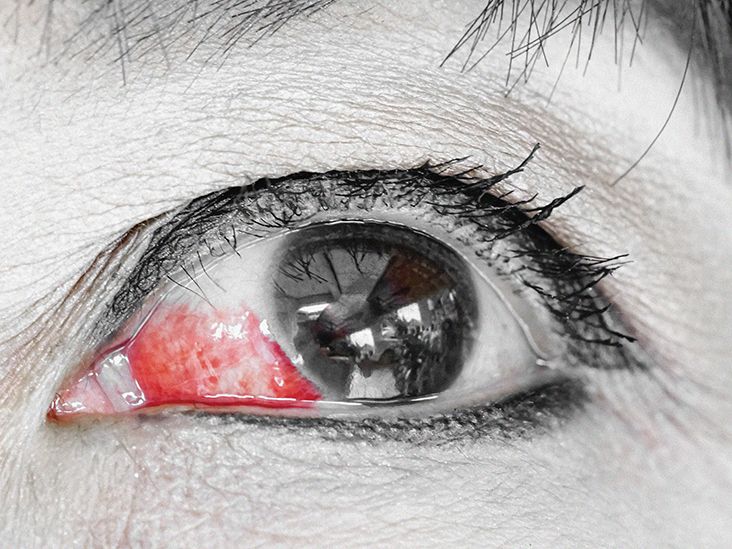
Seeing blood in or around your eye can make even the calmest person suddenly develop the emotional range of a startled cartoon character. One minute you are brushing your teeth, the next you notice a bright red patch on the white of your eye and wonder whether your eyeball has filed a formal complaint. The good news: many cases of visible eye bleeding are harmless and clear on their own. The important news: some types of bleeding in the eye can threaten vision and need urgent medical care.
“Eye bleeding” is not one single condition. It can mean a small broken blood vessel on the surface of the eye, blood pooling inside the front chamber of the eye, bleeding into the clear gel inside the eye, or bleeding from fragile retinal blood vessels. The difference matters because treatment ranges from “use artificial tears and give it time” to “see an eye doctor immediately.” This guide explains the major types of eye bleeding, common causes, treatment options, and the warning signs that mean it is time to stop Googling and start getting help.
What Does “Eye Bleeding” Mean?
Eye bleeding generally refers to blood that appears on the eye’s surface or collects inside one of the eye’s internal spaces. Sometimes it is obvious, like a red splash on the white of the eye. Other times, you may not see blood from the outside at all, but you may notice floaters, cloudy vision, shadows, or sudden vision loss.
The eye is small, but it has several delicate structures: the conjunctiva, cornea, iris, anterior chamber, vitreous gel, retina, and optic nerve. Bleeding in one area may be harmless, while bleeding in another can be a true eye emergency. Location is the big clue.
Types of Eye Bleeding
1. Subconjunctival Hemorrhage
A subconjunctival hemorrhage is the classic “broken blood vessel in the eye.” It happens when a tiny blood vessel breaks under the conjunctiva, the clear tissue covering the white part of the eye. Blood becomes trapped between the conjunctiva and the sclera, creating a bright red patch that can look wildly dramatic.
This type of eye bleeding usually does not cause pain, discharge, or vision changes. It may feel slightly scratchy or irritated, but it should not make your vision blurry. In many cases, it appears after coughing, sneezing, vomiting, heavy lifting, eye rubbing, minor trauma, or straining. Sometimes it shows up without an obvious reason, which is rude but common.
Most subconjunctival hemorrhages fade like a bruise over one to three weeks. The color may change from red to brownish, yellow, or green as the blood clears. Treatment is usually simple: artificial tears for irritation, avoid rubbing the eye, and let your body do the cleanup crew work.
2. Hyphema
Hyphema is blood inside the anterior chamber, the space between the cornea and the iris. Instead of appearing on the white of the eye, the blood may look like it is pooling in front of the colored part of the eye. Hyphema is much more serious than a surface broken blood vessel.
The most common cause is blunt eye trauma, such as being hit by a ball, elbow, fist, airbag, or projectile. Symptoms may include eye pain, blurred or blocked vision, light sensitivity, and visible blood near the iris or pupil. Hyphema can raise eye pressure and increase the risk of glaucoma, corneal staining, rebleeding, and permanent vision damage.
If you suspect hyphema, treat it as an emergency. Do not press on the eye, do not try to “flush out” the blood, and do not casually wait until next Tuesday because your calendar is busy. An eye doctor or emergency department should evaluate it promptly.
3. Vitreous Hemorrhage
Vitreous hemorrhage means blood has leaked into the vitreous, the clear gel that fills the inside of the eye. You usually cannot see this type of bleeding by looking in the mirror. Instead, you may notice sudden floaters, cobwebs, haze, reddish vision, dark spots, or sudden painless vision loss in one eye.
Common causes include diabetic retinopathy, retinal tears, retinal detachment, trauma, abnormal blood vessel growth, and posterior vitreous detachment. In people with diabetes, fragile new blood vessels can grow in the retina and bleed into the vitreous. Even if the blood eventually clears, the underlying retinal problem still needs attention.
Sudden floaters or vision changes should be taken seriously, especially if they come with flashes of light or a curtain-like shadow. That combination can point to a retinal tear or detachment, which needs urgent care.
4. Retinal Hemorrhage
A retinal hemorrhage is bleeding in the retina, the light-sensitive tissue at the back of the eye. You usually will not see retinal bleeding from the outside. It may be found during a dilated eye exam, especially in people with diabetes, high blood pressure, blood disorders, eye injuries, or vein blockages.
Symptoms vary. Some people have no symptoms at first. Others notice blurry vision, dark spots, distorted vision, or loss of central or side vision. Retinal bleeding is not a cosmetic issue; it is often a sign of an underlying medical or eye condition that needs diagnosis and management.
5. Bleeding From Eye Injury
Eye trauma can cause several kinds of bleeding at once. A person may have a subconjunctival hemorrhage on the surface, a hyphema in the front chamber, and deeper injury to the retina or vitreous. Any eye injury involving pain, vision change, blood inside the eye, a cut, a foreign object, or chemical exposure deserves urgent medical evaluation.
Common Causes of Eye Bleeding
Eye bleeding can happen for many reasons. Some are minor; others are medical red flags wearing a tiny red cape.
Minor Strain and Pressure Changes
Coughing, sneezing, vomiting, constipation, heavy lifting, and intense straining can temporarily increase pressure in small blood vessels. This can trigger a subconjunctival hemorrhage, especially in people with fragile surface vessels.
Eye Rubbing or Contact Lens Irritation
Rubbing the eye too hard can break tiny surface vessels. Contact lenses can also irritate the eye if they are worn too long, handled with unclean hands, or used despite dryness or infection. If redness comes with pain, discharge, light sensitivity, or blurry vision, contacts should come out and medical advice should come in.
Trauma
Sports injuries, falls, car accidents, workplace accidents, and household mishaps can all cause bleeding. Protective eyewear is not glamorous, but neither is explaining that your weekend pickleball match tried to take your vision.
Diabetes and Diabetic Retinopathy
Diabetes can damage retinal blood vessels over time. In advanced diabetic retinopathy, new fragile vessels may grow and bleed into the vitreous. Sudden floaters, haze, or vision loss in a person with diabetes should be checked right away.
High Blood Pressure and Vascular Disease
High blood pressure can stress blood vessels throughout the body, including those in the eye. Recurrent eye bleeding may be a clue that blood pressure or vascular health needs attention.
Blood Thinners and Bleeding Disorders
Aspirin, warfarin, direct oral anticoagulants, antiplatelet drugs, and certain medical conditions can increase bleeding risk. Never stop a prescribed blood thinner on your own because of a red eye. Instead, contact your healthcare provider or eye doctor for guidance.
Eye Surgery or Procedures
Eye procedures may occasionally lead to visible bleeding or internal bleeding. Mild surface redness may be expected after some procedures, but pain, vision loss, increasing blood, or worsening symptoms should be reported promptly.
Symptoms: Harmless-Looking vs. Help-Now Signs
A painless red patch on the white of the eye with normal vision is often a subconjunctival hemorrhage. It may look alarming, but it is commonly harmless. However, the following symptoms need urgent attention:
- Eye pain or increasing pressure sensation
- Blurred, cloudy, blocked, or reduced vision
- Blood appearing in front of the iris or pupil
- Light sensitivity
- Nausea or vomiting with eye pain
- Recent eye injury or blow to the face
- Sudden new floaters, cobwebs, or dark spots
- Flashes of light
- A curtain, shadow, or missing area in your vision
- Recurrent eye bleeding
- Bleeding in both eyes or bleeding with easy bruising elsewhere
When in doubt, get the eye checked. Vision is one of those things you do not want to “wait and see” about, especially when “see” is the exact feature under threat.
How Eye Bleeding Is Diagnosed
An eye care professional may begin by asking when the bleeding started, whether there was trauma, whether vision changed, and whether you take blood thinners or have diabetes, high blood pressure, sickle cell disease, or a bleeding disorder.
The exam may include visual acuity testing, pupil checks, eye pressure measurement, slit-lamp examination, and a dilated retinal exam. If the back of the eye cannot be seen clearly because of blood, ultrasound may be used. Retinal imaging, optical coherence tomography, or fluorescein angiography may be recommended when retinal disease is suspected.
For a simple subconjunctival hemorrhage, diagnosis may be straightforward. For hyphema, vitreous hemorrhage, retinal bleeding, or trauma, a more detailed eye exam is important because the visible blood may be only the tip of the very tiny iceberg.
Treatment for Eye Bleeding
Treatment for Subconjunctival Hemorrhage
Most cases need no specific treatment. Artificial tears can soothe irritation. Avoid rubbing the eye, avoid unnecessary contact lens wear until irritation clears, and let the blood absorb naturally. If the hemorrhage is recurrent, large, trauma-related, or associated with pain or vision changes, see an eye doctor.
Treatment for Hyphema
Hyphema treatment depends on severity. A doctor may recommend an eye shield, reduced activity, head elevation, pressure monitoring, and prescription eye drops to control inflammation or eye pressure. Some patients need close follow-up because rebleeding can happen. Severe cases may require surgical removal of blood or treatment to lower eye pressure.
People with hyphema should avoid activities that increase rebleeding risk and should not use aspirin or nonsteroidal anti-inflammatory drugs unless a clinician says it is safe. Acetaminophen may be preferred for pain, but medication choices should be discussed with a healthcare professional.
Treatment for Vitreous or Retinal Hemorrhage
Treatment focuses on the cause. Some vitreous hemorrhages are observed while blood clears. Others require laser treatment, anti-VEGF injections, surgery, or urgent repair of a retinal tear or detachment. In diabetic retinopathy, controlling blood sugar, blood pressure, and cholesterol is part of protecting long-term vision, but eye-specific treatment may still be needed.
What You Can Do at Home
For a painless red patch with normal vision, you can use preservative-free artificial tears, avoid rubbing, and monitor the eye. Take a clear photo in natural light so you can compare changes over several days. The redness should gradually shrink or fade. It should not become more painful, blur your vision, or spread after an injury without being checked.
Do not put leftover prescription drops in your eye unless a clinician prescribed them for this exact problem. Do not use redness-relief drops repeatedly to “make it look better” for work or photos. And please do not apply kitchen remedies. Your eye is not a casserole.
Prevention Tips
Not every eye bleed can be prevented, but you can lower risk. Wear protective eyewear during sports, yard work, construction, and home repairs. Manage high blood pressure and diabetes. Follow safe contact lens hygiene. Attend regular eye exams, especially if you have diabetes, a history of retinal disease, severe nearsightedness, previous eye surgery, or blood vessel problems.
If you take blood thinners, follow your prescribing clinician’s instructions and report unusual bleeding. If you have frequent subconjunctival hemorrhages, ask about checking blood pressure, medication effects, and possible clotting issues.
When to Seek Medical Help
Seek emergency care immediately if bleeding follows eye trauma, if there is visible blood in front of the iris, or if you have pain, light sensitivity, nausea, vomiting, sudden vision loss, flashes, new floaters, or a curtain-like shadow. Contact an eye care professional promptly for recurrent bleeding, bleeding in both eyes, or any red eye that does not behave like a simple surface hemorrhage.
Children with eye bleeding after injury should be evaluated quickly, even if they seem fine. Kids are excellent at bouncing back emotionally and terrible at providing a detailed ophthalmic history.
Common Questions About Eye Bleeding
Is eye bleeding always dangerous?
No. A subconjunctival hemorrhage is often harmless and clears on its own. But bleeding inside the eye, especially hyphema, vitreous hemorrhage, or retinal bleeding, can be serious.
Can stress cause eye bleeding?
Stress itself is not usually the direct cause, but stress-related behaviors or body changes may contribute indirectly. For example, high blood pressure, straining, poor sleep, coughing, vomiting, or rubbing tired eyes may increase risk in some people.
How long does a broken blood vessel in the eye last?
Many subconjunctival hemorrhages improve within one to two weeks, though larger ones may take closer to three weeks. The color may change as it heals.
Should I avoid screens?
Screens do not usually worsen a simple subconjunctival hemorrhage, but they can make dry or irritated eyes feel worse. Take breaks, blink often, and use artificial tears if needed.
Can I wear contact lenses?
If your eye is irritated, painful, light-sensitive, or your vision is blurry, skip contacts and seek advice. For a painless surface hemorrhage with no irritation, your eye doctor can tell you when lens wear is safe.
Experience-Based Scenarios: What Eye Bleeding Often Feels Like in Real Life
Eye bleeding often creates panic because the appearance can be much louder than the actual problem. Imagine someone waking up, walking to the bathroom, and seeing a bright red splash on the white of one eye. There is no pain, no blurry vision, and no injury. The person feels fine, except for the sudden belief that their eyeball has joined a crime scene. This is the classic emotional experience of a subconjunctival hemorrhage. It looks dramatic, but if vision is normal and there is no pain, it often behaves like a bruise under clear tissue. The hardest part is usually waiting for it to fade while coworkers ask, “What happened to your eye?” fourteen times before lunch.
Another common experience is the “after a cough” eye bleed. A person may have a bad cold, sneeze hard, vomit from a stomach bug, or strain while lifting something heavy. Later, a red patch appears. The timing may feel mysterious, but pressure changes can break tiny surface vessels. In this situation, people often worry they did something terribly wrong. Usually, the practical steps are simple: avoid rubbing, use artificial tears if scratchy, and monitor for pain or vision changes. Still, recurrent episodes should not be ignored because they may point to blood pressure, medication, or bleeding-risk issues.
Hyphema feels different. A person gets hit in the eye during a basketball game, a home repair project, or a child’s enthusiastic toy launch. The eye hurts. Light feels uncomfortable. Vision may blur. Blood may appear in front of the colored part of the eye. This is not the time for heroic toughness or a frozen bag of peas plus denial. The experience may start with “I think I’m okay,” but hyphema can raise eye pressure and threaten vision. Prompt evaluation is the smart move.
Vitreous hemorrhage is often frightening because the outside of the eye may look normal while vision suddenly changes. Someone may describe it as smoke, pepper flakes, black strings, cobwebs, reddish haze, or a dark cloud drifting through sight. People with diabetes may be especially alarmed because the change can happen quickly. The key lesson from this experience is that “no pain” does not always mean “no problem.” Sudden floaters, flashes, or shadowy vision deserve urgent attention.
For many people, the biggest challenge is deciding whether to wait. A useful rule is this: a painless red spot on the white of the eye with normal vision is often less urgent, while pain, injury, blood near the iris, vision changes, flashes, floaters, or a curtain-like shadow should be treated seriously. Eyes are small, delicate, and extremely important. When symptoms cross into warning-sign territory, getting checked is not overreacting; it is good maintenance for the only pair of eyes you currently own.
Conclusion
Eye bleeding can be harmless, urgent, or somewhere in between. The most common visible form, subconjunctival hemorrhage, often looks worse than it is and usually fades without treatment. But hyphema, vitreous hemorrhage, retinal bleeding, and trauma-related bleeding can threaten vision and require prompt medical care.
The safest approach is to pay attention to location and symptoms. Red patch on the white of the eye with no pain and normal vision? Often manageable with observation. Pain, injury, blood in front of the iris, vision loss, flashes, floaters, or a shadow? Get help quickly. Your eyes do a lot for you every day. When they send a red alert, it is worth listening.
Medical note: This article is for educational purposes only and does not replace professional diagnosis or treatment. Seek urgent care for eye injury, pain, sudden vision changes, flashes, new floaters, or blood inside the eye.