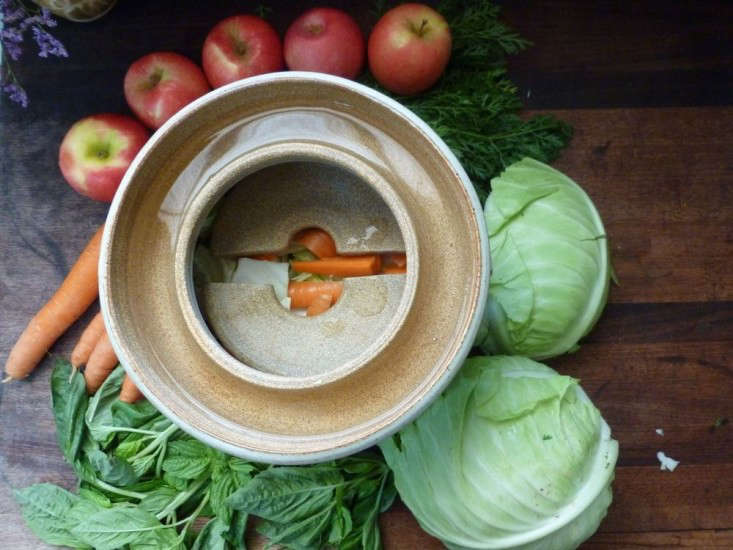
Something lively is happening in American kitchens, and it is not just the sourdough starter trying to escape its jar. Fermentation has moved from old family recipes and restaurant back rooms into home kitchens, farmers markets, grocery aisles, and social media feeds. Suddenly, everyone has a bubbling crock, a favorite kimchi brand, or a kombucha culture with a name suspiciously more sophisticated than their own.
This renewed enthusiasmcall it fermentation feveris about more than chasing trendy flavors. Fermentation connects ancient food-preservation methods with modern interests in gut health, sustainable cooking, bold taste, and reduced food waste. It transforms inexpensive ingredients through the carefully controlled work of bacteria, yeasts, and molds. Cabbage becomes sauerkraut. Milk becomes yogurt. Soybeans become tempeh. Flour and water become sourdough. Tea becomes kombucha, occasionally with enough enthusiasm to decorate the ceiling.
Yet fermentation is neither magic nor a license to leave vegetables on the counter and hope for character development. It is a biological process that rewards precision, patience, cleanliness, and respect for food-safety principles.
What Is Fermentation, Exactly?
Food fermentation occurs when microorganisms break down components in foodmost often carbohydratesand convert them into acids, gases, alcohol, or other compounds. These changes can preserve food, alter its texture, create new aromas, reduce bitterness, and produce the pleasantly sour or savory flavors that make fermented foods so addictive.
Different microorganisms perform different jobs. Lactic acid bacteria convert sugars into lactic acid, producing the tang in yogurt, kimchi, fermented pickles, and sauerkraut. Yeasts consume sugars and release carbon dioxide and alcohol, which is useful for bread, beer, wine, and certain fermented beverages. Selected molds help create foods such as tempeh, miso, and some cheeses.
Wild Fermentation Versus Starter Cultures
Some ferments rely on naturally occurring microorganisms already present on ingredients and in the surrounding environment. Traditional sauerkraut, for example, can begin with little more than cabbage, salt, and appropriate conditions. The salt helps favor desirable microbes while discouraging many unwanted organisms.
Other fermented foods use a defined starter culture. Yogurt makers add specific bacteria to heated milk, while bread bakers may inoculate dough with an established sourdough starter. Starter cultures provide greater consistency because the desired microorganisms arrive early, prepared to take over the neighborhood before less helpful residents move in.
Fermentation Is Controlled Change, Not Spoilage
Fermentation and spoilage both involve microorganisms, but they are not interchangeable. Fermentation is an intentional, controlled transformation that follows known conditions. Spoilage is uncontrolled deterioration that may produce unpleasant flavors, visible mold, toxins, or dangerous pathogens.
A pleasantly sour aroma can be normal. A rotten, putrid, or chemical odor is not a sign that the ferment has developed a rebellious personality. It is a sign to discard it.
Why Fermentation Fever Is Spreading
People Want Bigger Flavor
Fermentation creates depth that ordinary seasoning cannot always imitate. Lactic acid adds brightness, yeasts produce complex aromas, and microbial enzymes unlock savory compounds associated with umami. A spoonful of miso can make soup taste as though it spent all afternoon thinking about life. Fermented hot sauce delivers acidity, heat, and fruitiness in the same bite.
Chefs use fermented ingredients because they provide contrast. Tangy vegetables cut through rich meats. Yogurt balances spicy dishes. Sourdough adds aromatic complexity to bread. Fish sauce, soy sauce, and fermented bean pastes can deepen a recipe without requiring a cabinet full of mystery powders.
Home Cooks Are Rediscovering Preservation
Before refrigeration, fermentation helped communities extend the useful life of seasonal harvests. That practical value still matters. A surplus of cabbage can become sauerkraut, extra peppers can become hot sauce, and cucumbers that might otherwise soften in the refrigerator can become fermented pickles.
Fermentation does not make every food permanently shelf-stable, however. Many finished home ferments must be refrigerated or processed according to a tested preservation method. A jar being sour does not automatically grant it immortality.
Gut Health Has Entered the Conversation
Interest in the gut microbiome has helped place fermented foods in the spotlight. The digestive tract contains a vast community of microorganisms involved in digestion, metabolism, immune activity, and other biological functions. Some unpasteurized fermented foods contain live microorganisms, while others provide fermentation-produced compounds even when the microbes are no longer alive.
In a Stanford clinical trial involving 36 healthy adults, participants were assigned to diets high in either fermented foods or fiber. During the 10-week intervention, the high-fermented-food group showed increased gut microbial diversity and reductions in several inflammatory markers. The study was relatively small, so it did not prove that fermented food is a universal treatment. It did, however, add meaningful evidence to a field often crowded with louder marketing claims than scientific conclusions.
Fermentation Fits the Low-Waste Kitchen
Fermentation appeals to cooks trying to waste less food. Slightly imperfect vegetables can often be fermented when they are still fresh and sound. Broccoli stems, radishes, carrots, cabbage, garlic, and peppers can become flavorful condiments rather than compost.
That does not mean fermentation can rescue produce that is already moldy, slimy, or rotten. Microbes may be talented, but they are not tiny emergency-room physicians.
A World of Fermented Foods
Fermentation is not a single cuisine or wellness trend. Cultures around the world have developed distinct fermented foods based on local ingredients, climate, knowledge, and taste.
Fermented Vegetables
Sauerkraut is typically made by salting shredded cabbage and allowing lactic acid bacteria to acidify it. Korean kimchi may include napa cabbage, radish, scallions, garlic, ginger, chile pepper, seafood ingredients, or other seasonings. Traditional fermented cucumbers develop their sourness from microbial activity rather than from simply soaking in vinegar.
These foods are related, but they are not interchangeable. Each tradition has its own techniques and cultural meaning. Calling every fermented cabbage “spicy sauerkraut” is an efficient way to upset cooks on multiple continents.
Fermented Dairy
Yogurt, kefir, cultured buttermilk, and many cheeses rely on microorganisms to transform milk. Fermentation can partially break down lactose, which may make certain cultured dairy products easier for some people to digest than unfermented milk. Individual tolerance still varies, and fermented dairy remains unsuitable for people with milk allergies.
Consumers seeking live cultures should check packaging. Heat treatment after fermentation can reduce or eliminate living microorganisms, even though the food remains fermented.
Fermented Soy and Grains
Miso, tempeh, soy sauce, and natto demonstrate how fermentation can completely reshape soybeans. Tempeh is made from fermented whole soybeans bound into a firm cake. It provides protein, fiber, and a nutty flavor that works in stir-fries, sandwiches, bowls, and crumbled fillings.
Sourdough uses a community of yeasts and lactic acid bacteria to ferment flour and water. The resulting acids contribute flavor and affect dough structure, while yeast-produced gas helps the bread rise. Maintaining a starter requires regular feeding, observation, and the emotional resilience to throw some away.
Fermented Drinks
Kombucha is made by fermenting sweetened tea with a culture of bacteria and yeast. Water kefir, dairy kefir, beer, cider, and wine also rely on microbial transformation, though their organisms, ingredients, alcohol levels, and production methods differ substantially.
Commercial kombucha may contain sugar and small amounts of alcohol. Homemade versions can vary more widely, especially when fermentation time, temperature, and bottling are not controlled. It should be treated as a beverage, not a mystical detox potion delivered by a floating pancake.
Potential Benefits Without the Hype
Microbial Diversity and Digestive Support
Some fermented foods contain living microorganisms that may interact with the gut microbiome. Regularly eating a variety of appropriately prepared fermented foods may support microbial diversity and digestion. Fermentation can also break down certain food components before they reach the digestive tract.
However, the term probiotic should not automatically be applied to every fermented product. A probiotic is generally understood as a live microorganism shown to provide a health benefit when consumed in an adequate amount. A food can be fermented without containing live microbes at the time it is eaten, and a live microbe is not automatically a clinically proven probiotic.
Improved Flavor and Nutrient Availability
Microbial enzymes may make certain nutrients easier for the body to access. Fermentation can reduce some naturally occurring compounds that interfere with mineral absorption, although the effect varies by food and process. It may also influence vitamin levels, antioxidants, and organic acids.
The most dependable benefit is less glamorous but immediately obvious: fermentation can make nutritious foods more enjoyable. Someone who finds plain cabbage uninspiring may enthusiastically eat kimchi. A person unimpressed by soybeans may enjoy tempeh. Better flavor can support a more varied diet, which is valuable without requiring a miracle claim.
Fermented Foods Are Not Medicine
No single fermented food can repair every digestive problem, eliminate inflammation, guarantee weight loss, or “reset” the body. Health outcomes depend on the entire dietary pattern, medical history, sleep, activity, medication use, stress, and many other factors.
Fermented foods work best as part of a balanced diet rich in vegetables, fruits, legumes, whole grains, nuts, seeds, and other sources of dietary fiber. Live microbes may visit the gut, but fiber helps feed the beneficial organisms already living there.
Who Should Be Cautious?
Fermented foods are generally well tolerated, but they are not ideal for everyone. Some products are high in sodium, particularly sauerkraut, kimchi, miso, soy sauce, and brined vegetables. People who need to limit sodium should compare labels, watch portions, and discuss dietary choices with a qualified healthcare professional.
Fermented foods may also trigger symptoms in people with histamine intolerance, certain digestive conditions, food allergies, or sensitivity to spicy ingredients. Introducing small servings gradually can help identify tolerance. Gas or bloating may occur when someone suddenly adds several unfamiliar fermented foods at once.
People who are pregnant, severely immunocompromised, medically vulnerable, or managing a serious gastrointestinal condition should ask a healthcare provider about unpasteurized foods and homemade ferments. Food trends are temporary; the digestive consequences of ignoring medical advice can be impressively committed.
How to Start Fermenting Safely at Home
1. Begin With a Tested Recipe
Start with a research-based recipe from a university extension service, the USDA, or the National Center for Home Food Preservation. Reliable recipes specify ingredient quantities, salt concentration, temperature, fermentation time, storage, and signs of failure.
Do not casually reduce the salt. In vegetable fermentation, salt affects safety, texture, microbial activity, and the speed of acid production. Replacing careful measurements with “a spiritually appropriate pinch” is not a scientific method.
2. Use Fresh Ingredients and Clean Equipment
Select firm, fresh produce without rot or mold. Wash it under cool running water to remove soil. Clean your hands, work surfaces, utensils, containers, and weights before beginning.
Use food-grade glass, ceramic, stainless steel, or suitable plastic equipment according to the recipe. Avoid cracked containers and reactive metals. Damage can harbor contaminants, while some metals can react with the acids produced during fermentation.
3. Keep Vegetables Under the Brine
For many vegetable ferments, produce should remain fully submerged. Exposure to oxygen encourages surface growth and spoilage. A fermentation weight, appropriately sized jar, or another approved method can keep vegetables below the liquid.
Leave enough headspace for bubbling and expansion. Carbon dioxide is a normal fermentation product. A jar packed to the brim may interpret your countertop as an invitation to launch cabbage juice across it.
4. Control Temperature
Many vegetable ferments perform well around 70 to 75 degrees Fahrenheit, although the correct temperature depends on the recipe. Excessive heat can accelerate fermentation, soften vegetables, and encourage undesirable activity. Cooler temperatures slow the process.
A consistent environment is more important than constantly moving the jar to whichever corner of the kitchen feels most artisanal.
5. Monitor Acidity and Appearance
Acidification is central to the safety of many fermented foods. Home fermenters who regularly develop recipes should understand pH measurement and use a properly calibrated food-safe pH meter when appropriate. A pH of 4.6 or below is an important food-safety threshold because sufficiently acidic conditions prevent the growth and toxin production of Clostridium botulinum, although a safe process depends on more than one final reading.
Follow the tested recipe for timing and storage. Discard a batch that develops fuzzy mold, unusual colors, a putrid smell, unexpected sliminess, or other signs of spoilage. Never taste suspicious food to determine whether it is safe. Botulinum toxin cannot be reliably detected by sight, smell, or taste.
6. Refrigerate the Finished Ferment
Once the desired acidity and flavor are reached, many homemade ferments should be refrigerated to slow microbial activity. Refrigeration does not freeze the process in time, but it makes the microorganisms considerably less ambitious.
Do not assume that a finished ferment is shelf-stable unless it has been prepared and processed using a tested method specifically designed for room-temperature storage.
A Beginner-Friendly Fermentation Plan
New fermenters should begin with one simple vegetable recipe rather than launching a countertop laboratory containing six crocks, three mystery beverages, and a sourdough starter named after a nineteenth-century poet.
- Choose a tested sauerkraut or fermented cucumber recipe.
- Read the entire method before buying ingredients.
- Measure salt and produce accurately with a digital kitchen scale when the recipe provides weights.
- Label the container with the recipe name and start date.
- Keep the food submerged and maintain the recommended temperature.
- Observe changes without repeatedly opening or stirring the container.
- Refrigerate the finished product as directed.
- Record the flavor, texture, temperature, and fermentation time.
Good notes make future batches more predictable. They also prevent the classic refrigerator conversation: “Is this the excellent batch from Tuesday or the experimental batch we agreed never to discuss?”
Experiences From the Fermentation Learning Curve
The typical first fermentation experience begins with unreasonable confidence. Cabbage is inexpensive, salt is familiar, and a glass jar appears incapable of creating drama. Then the cabbage begins to bubble. The lid hisses. The kitchen develops a faintly sour aroma, and every person entering the room asks whether something has gone wrong.
The first useful lesson is that normal fermentation is active. Tiny bubbles rise through the brine. The color of the vegetables may soften. Aromas change from raw and grassy to sour, savory, and complex. These signs become reassuring once the fermenter understands what the microorganisms are doing.
The second lesson is that preparation determines whether the following days feel calm or chaotic. A jar without enough headspace can leak. Vegetables without a proper weight float above the brine. A loose label turns a carefully planned batch into an archaeological puzzle. Spending five additional minutes on setup can prevent three days of suspicious staring.
Another common experience is impatience. A recipe may provide a fermentation range rather than an exact finish time because temperature, ingredient size, microbial populations, and personal taste all affect the result. The jar does not care that dinner guests are arriving Saturday. Fermentation follows biology, not the social calendar.
Flavor also develops in stages. A young sauerkraut may taste salty and sharply vegetal. Several days later, it can become more acidic, rounded, and aromatic. Fermented hot sauce may initially taste like peppers sitting in salty water before its acidity and complexity emerge. Keeping a tasting log after the ferment has reached a safe stage helps identify the point at which flavor and texture are most appealing.
Not every experiment succeeds. A poorly submerged batch may develop surface mold. Excessive warmth may produce soft pickles. Too much salt can slow fermentation, while too little can create unsafe or unpredictable conditions. The important response is not to rescue every jar through optimism. It is to discard questionable food, clean the equipment, review the method, and try again with a tested recipe.
Perhaps the most satisfying experience is realizing how much flavor can come from very little. Cabbage, salt, and time produce something more complex than the original ingredients. Flour and water develop enough personality to raise bread. Cooked soybeans become firm, nutty tempeh. The process makes a kitchen feel connected to generations of cooks who preserved harvests without digital timers, branded culture kits, or videos titled “You’ve Been Fermenting Wrong.”
Fermentation also changes the way people pay attention to food. Instead of treating ingredients as static objects, the fermenter begins noticing temperature, aroma, acidity, texture, and time. The process teaches observation and restraint. Most of the work is performed by organisms too small to see, and excessive interference often makes the outcome worse.
After several successful batches, experimentation becomes tempting. Garlic joins the cucumbers. Ginger enters the carrots. Chile peppers appear everywhere. This is where discipline remains essential. Flavor additions should stay within the boundaries of reliable methods, especially when they alter acidity, moisture, salt concentration, or fermentation behavior.
The best long-term experience is not becoming the person with the largest collection of bubbling jars. It is becoming the person who can produce a safe, delicious ferment consistentlyand who knows when a batch belongs in the refrigerator, on the dinner table, or directly in the trash.
Conclusion: Enjoy the Fever, Respect the Science
Fermentation fever has spread because it offers a rare combination of tradition, experimentation, flavor, and practical value. It can preserve seasonal produce, introduce new textures, reduce food waste, and help people build more varied diets. Research into fermented foods and the gut microbiome is promising, but it does not turn kimchi, kefir, kombucha, or sourdough into universal medicine.
The smartest approach is enthusiastic but grounded. Eat fermented foods because they taste good and complement a balanced diet. Seek products with live cultures when that feature matters. Start slowly if your digestive system is sensitive. When fermenting at home, use tested recipes, measure ingredients carefully, control temperature, monitor acidity, and discard anything suspicious.
Fermentation is essentially a collaboration with microbes. Choose the right partners, provide sensible working conditions, and avoid micromanaging them. They have been doing this job much longer than any of us.