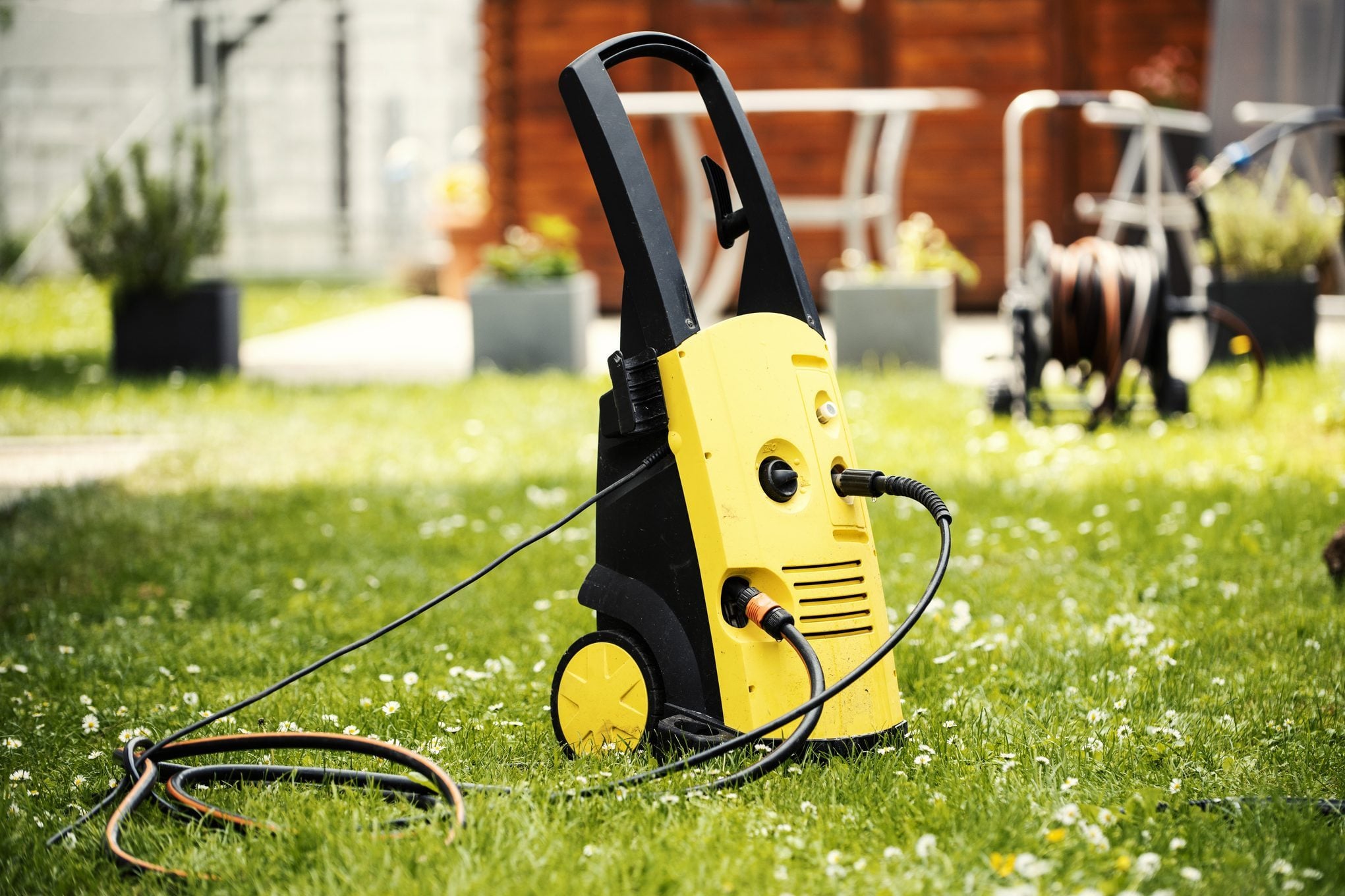
A pressure washer that refuses to start has a special talent for ruining a productive Saturday. You have the driveway cleared, the patio furniture moved, the cleaning playlist ready, and suddenly the machine behaves like it has entered an existential crisis.
The good news is that most pressure washer starting problems are not mysterious. Whether you own a gas pressure washer or an electric model, the culprit is usually something basic: fuel, oil, spark, water pressure, a tripped outlet, or a setup step that got skipped in the excitement of attacking that suspiciously green deck.
This guide explains the most common reasons a pressure washer will not start, how to troubleshoot it safely, and when it is smarter to call a repair professional instead of turning a small problem into an expensive garage sculpture.
Start With Safety Before Troubleshooting
Pressure washers combine water, electricity, fuel, heat, moving parts, and enough force to turn dirty concrete into a surprisingly dramatic event. Before checking anything, place the unit on level ground and wear closed-toe shoes and eye protection.
For a gas pressure washer, turn the engine switch off, allow the engine to cool, and keep gasoline away from cigarettes, sparks, flames, and hot engine parts. For an electric pressure washer, unplug it before inspecting the cord, outlet, trigger gun, hose, or pump.
Always point the spray gun in a safe direction and squeeze the trigger to release trapped pressure before disconnecting hoses or fittings. Never use your hand to check for a leak. High-pressure water can cause serious injuries even when the leak looks tiny and innocent.
Why a Pressure Washer Won’t Start
The fastest way to solve the problem is to identify what kind of machine you have. Gas pressure washers usually struggle because of fuel, oil, ignition, air flow, or trapped pump pressure. Electric pressure washers are more likely to have a power supply, GFCI, extension cord, motor, switch, or water-flow issue.
Quick Diagnosis Checklist
- Is the pressure washer on level ground?
- Is there fresh fuel in the tank if it is a gas model?
- Is the fuel valve turned on?
- Is the engine switch in the ON position?
- Is the choke set correctly for a cold or warm engine?
- Is the engine oil at the correct level?
- Has pressure been released from the spray gun?
- Is the garden hose connected and water supply turned on?
- For electric models, is the outlet working and the GFCI reset?
It may sound almost too simple, but many “broken” pressure washers are actually one switch, valve, or safety feature away from working normally.
Gas Pressure Washer Won’t Start: Common Causes and Fixes
1. The Fuel Is Old, Contaminated, or Missing
Old gasoline is one of the most common reasons a gas pressure washer will not start after sitting for weeks or months. Fuel can deteriorate, leave deposits in the carburetor, and make a perfectly healthy engine act like it has forgotten its job description.
First, make sure there is enough fuel in the tank. Then consider its age. If the gasoline smells sour, looks unusually dark, or has been sitting in the machine since last season, drain it safely into an approved fuel container and refill with fresh gasoline recommended by the engine manufacturer.
Do not assume fuel stabilizer can turn old gasoline back into fresh gasoline. It helps prevent future trouble, but it cannot perform time travel.
2. The Fuel Valve Is Off
Many gas pressure washers have a fuel shutoff valve between the tank and carburetor. If that valve is off, the engine cannot receive fuel. Check that the fuel valve is in the ON or OPEN position before pulling the recoil starter.
This is an especially common issue after storage because turning the fuel valve off is often part of the proper shutdown routine. Your pressure washer is not being stubborn; it is following the last instruction it received.
3. The Choke Is in the Wrong Position
A cold engine usually needs the choke engaged to create a richer fuel mixture for starting. A warm engine generally needs little or no choke. If the choke is left on too long after the engine starts, the engine may sputter, smoke, or stall. If the choke is off during a cold start, the engine may crank repeatedly without firing.
For a cold engine, set the choke to the start or choke position. Once the engine runs smoothly, gradually move the choke toward run. For a warm engine, start with the choke open or in the run position unless your manual says otherwise.
4. Low Oil Is Triggering the Safety System
Many pressure washer engines have a low-oil shutdown feature. When the oil level is too low, the engine may refuse to start or may start briefly and shut off. This is annoying in the moment, but it is much less annoying than replacing an engine.
Park the machine on level ground, remove the dipstick, wipe it clean, reinsert it according to the manufacturer’s instructions, and check the level. Add the correct oil gradually if needed. Avoid overfilling, since too much oil can cause its own set of problems.
5. Pressure Is Locked in the Pump
If the starter rope is extremely hard to pull, do not yank it like you are trying to start a lawn mower in a hurricane. Trapped pressure in the pump or hose can make the engine feel seized even when the engine itself is fine.
With the water supply connected and turned on, point the spray gun in a safe direction and squeeze the trigger to release pressure. Hold the trigger until water flows steadily. Then try starting the engine again.
This one fix saves plenty of starter ropes, sore shoulders, and colorful language.
6. The Spark Plug Is Dirty, Wet, or Worn
A small gas engine needs fuel, air, compression, and spark. A worn or fouled spark plug can interrupt that final step. Remove the spark plug wire, inspect the plug, and look for carbon buildup, fuel residue, corrosion, a cracked porcelain insulator, or a damaged electrode.
If the plug is dirty but otherwise serviceable, clean it carefully and verify the gap matches your engine manual. If it looks worn, wet, damaged, or questionable, replace it with the correct plug. Spark plugs are inexpensive compared with the amount of time people spend arguing with a pressure washer.
7. The Engine Is Flooded
An engine can flood when too much fuel enters the combustion chamber, often after repeated starting attempts with the choke on. Signs include a strong gasoline smell, a wet spark plug, or an engine that almost starts but refuses to keep running.
Move the choke to run or off, turn off the fuel if your manual recommends it, and allow the engine to sit for several minutes. If necessary, remove and dry the spark plug before trying again. Avoid endless rapid pulling, because that can make the flooding worse and turn your arm into a complaint department.
8. The Carburetor Is Clogged
If fresh fuel, correct choke settings, proper oil, and a good spark plug do not solve the problem, the carburetor may have varnish or debris blocking its small fuel passages. This is common after long storage with untreated fuel left inside.
A basic carburetor cleaning may solve the issue, but only attempt it if you are comfortable working around fuel systems. Take photos before removing parts, use a manufacturer-approved cleaning method, and avoid poking metal objects into delicate jets. If the carburetor is badly corroded or the engine still will not run, a small-engine repair shop can usually diagnose it quickly.
9. The Air Filter Is Too Dirty
An engine also needs air. A heavily clogged air filter can make starting difficult and cause rough running. Remove the filter cover and inspect the element. Replace paper filters that are damaged or excessively dirty. Foam filters may be washable, but only clean and oil them as directed in the owner’s manual.
Do not run the pressure washer without an air filter just to “see what happens.” Dirt entering the engine is not a diagnostic strategy. It is an invitation for future repair bills.
Electric Pressure Washer Won’t Start: What to Check
1. Check the Outlet and GFCI Reset Button
Electric pressure washers often use a GFCI-equipped plug to reduce shock risk. If the unit will not power on, inspect the plug and press the reset button if it has one. Also check the household outlet by plugging in another device you know works.
If the outlet is dead, inspect your breaker panel or use another properly grounded outlet. Do not bypass a GFCI feature or use a damaged plug. That safety device is not being dramatic; it is doing its actual job.
2. Inspect the Power Cord and Extension Cord
Look for cuts, crushed sections, melted insulation, loose plugs, or exposed wiring. A damaged cord should be replaced, not repaired with optimism and electrical tape.
If you use an extension cord, make sure it is rated for outdoor use and heavy enough for the pressure washer’s power draw. A thin, overly long extension cord can cause voltage drop, overheating, poor performance, or repeated tripping. When possible, plug directly into a properly grounded outlet.
3. Prime the Water System Before Starting
Many electric pressure washers need water flowing through the pump before the motor starts or before you pull the trigger. Connect the garden hose, turn on the water supply fully, and squeeze the trigger until air is purged and water flows steadily.
Check the inlet screen for debris, make sure the garden hose is not kinked, and verify that the water source provides adequate flow. Never run a pressure washer pump dry, even briefly, unless the manufacturer specifically states that it is safe to do so.
4. Check the Trigger Gun and Safety Lock
Some electric models start when you pull the trigger, while others require both the main power switch and trigger to be engaged. Make sure the trigger safety lock is not blocking movement. Inspect the wand, nozzle, and hose for blockages that could affect water flow or pressure.
If the motor hums but does not run, repeatedly trips the outlet, or runs only for a moment before shutting off, stop using the machine. The problem may involve the motor, capacitor, pressure switch, thermal overload, or internal wiring.
How to Start a Pressure Washer Correctly
A proper startup routine prevents many avoidable problems. Exact steps vary by model, but this general sequence works for most residential machines.
- Place the pressure washer on a stable, level surface outdoors.
- Connect the garden hose and turn the water supply on fully.
- Connect the high-pressure hose, spray gun, and correct nozzle.
- Point the gun in a safe direction and squeeze the trigger until water flows steadily.
- For gas units, check fuel and oil, turn the fuel valve on, set the engine switch to ON, and use the proper choke setting.
- For electric units, connect to a protected grounded outlet, reset the GFCI if needed, and turn the power switch on.
- Release trapped pressure from the trigger gun before pulling a recoil starter.
- Start the engine or motor according to the owner’s manual.
Think of it as a pre-flight checklist, except the destination is a cleaner driveway and nobody serves tiny pretzels.
When to Stop Troubleshooting and Call a Professional
Some pressure washer problems are easy DIY fixes. Others are better left to a qualified repair technician. Stop troubleshooting and seek professional help if you notice:
- Fuel leaking from the tank, fuel line, or carburetor
- Damaged high-pressure hoses or fittings
- No spark after basic spark plug inspection
- Repeated breaker trips or a burning electrical smell
- Engine seizure, grinding, metal noises, or loss of compression
- Oil mixed with fuel, water, or milky contamination
- A cracked pump housing or leaking pump seals
- A machine still covered by manufacturer warranty
Pressure washers are useful tools, but they are not ideal candidates for random experimental surgery. When the repair involves fuel systems, electrical components, engine internals, or pressurized pump parts, professional service is often the safer and cheaper choice.
How to Prevent Future Pressure Washer Starting Problems
The easiest pressure washer repair is the one you never need. A little storage and maintenance can dramatically reduce hard-starting issues.
- Use fresh fuel and avoid leaving untreated gasoline in the tank for long storage periods.
- Follow your manual’s instructions for fuel stabilizer, fuel shutoff, and carburetor storage.
- Check engine oil before each major cleaning session.
- Clean or replace the air filter as needed.
- Inspect the spark plug at regular maintenance intervals.
- Drain water from hoses and pump before freezing weather arrives.
- Use pump protector or winterizing fluid if recommended for your model.
- Store the machine in a dry, protected location.
- Release pressure from the gun and hose after shutting down.
- Keep electric cords, GFCI plugs, and connectors dry and undamaged.
A pressure washer is happiest when it is maintained like a piece of equipment, not abandoned like patio furniture after Labor Day.
Real-World Pressure Washer Starting Experiences and Lessons
Most pressure washer starting problems happen at the least convenient moment. That is not a scientific law, but it certainly feels like one. The machine often sits quietly in a garage for months, looking harmless and cooperative, until the exact day a homeowner decides the siding, patio, fence, driveway, outdoor rug, and possibly the neighbor’s mailbox all need attention.
A common experience involves a gas pressure washer that ran perfectly at the end of the previous season but will not start in spring. The owner may pull the starter rope ten or fifteen times, check the fuel, pull it another ten times, and begin negotiating with the machine as though it understands consequences. In many cases, the issue is simply old fuel in the carburetor. Fresh gas, a cleaned spark plug, and a little patience can bring the engine back to life.
Another familiar situation is the starter rope that suddenly feels impossible to pull. People often assume the engine is ruined because the recoil handle barely moves. But pressure lock in the pump is frequently the real culprit. Releasing the trigger gun pressure can make the rope pull normally again within seconds. It is one of those repairs that feels almost insulting after twenty minutes of frustration, but it is also a useful reminder that pressure washers are both engines and water systems.
Electric pressure washer problems tend to create a different kind of confusion. The machine may appear completely dead, leading the owner to suspect a failed motor. Then someone notices the GFCI plug has tripped or the outdoor outlet is controlled by a breaker that was reset after a storm. In other cases, a very long extension cord is the troublemaker. The washer may hum, hesitate, or shut down because the cord cannot safely deliver enough power.
One of the most practical lessons from real-world troubleshooting is to slow down and follow a sequence. Start with the obvious checks before buying parts. Fuel, oil, water supply, trigger pressure, choke position, spark plug condition, and electrical connections should all be inspected before declaring the pressure washer dead. Randomly replacing components can cost more than a professional diagnosis and may not solve the original issue.
Experience also teaches people to respect storage. A pressure washer that is properly winterized, drained, fueled correctly, and stored indoors has a much better chance of starting when needed. A washer left with old fuel, water trapped in the pump, and a dirty air filter may still survive, but it is more likely to demand a small repair adventure before it cleans anything.
Finally, the best pressure washer owners learn to stop at the right moment. Cleaning a spark plug or resetting a GFCI outlet is one thing. Opening a carburetor without understanding the parts, bypassing an electrical safety device, or trying to repair a damaged high-pressure hose is another. A little caution keeps a simple maintenance project from becoming a story everyone hears at the next backyard barbecue.
Conclusion
When a pressure washer will not start, the cause is usually manageable. Gas models often need fresh fuel, proper choke settings, enough oil, a clean spark plug, or pressure released from the pump. Electric models commonly need a working outlet, reset GFCI plug, proper extension cord, steady water flow, or inspection of the trigger and power connections.
Start with the simple checks, work through the system methodically, and avoid forcing the machine to cooperate through brute strength. A few minutes of troubleshooting can often save a repair bill, protect your equipment, and get you back to cleaning the driveway before the weeds develop a homeowners association.