Note: This article is written for web publication and is based on publicly reported information, university statements, police accounts, and court-record context available at the time of writing.
Some stories move through the internet like a spark in dry grass. Others move because one person refuses to shrug and say, “Well, that’s New York.” The story of NYU student Amelia Lewis, who said she was attacked while walking to class in Lower Manhattan, became national news not only because the incident was disturbing, but because her friend, Summer Armstrong, acted quickly, calmly, and strategically when it mattered most.
That is the part of the story that deserves more attention. In a city where cameras are everywhere but accountability can still feel oddly hard to find, Armstrong understood something simple: footage matters. Timelines matter. Witnesses matter. And when a friend says, “Something awful just happened,” the right response is not a group-chat sad face. It is action.
The result was a viral video, a fast-moving police investigation, and the arrest of 45-year-old James Rizzo, who authorities said had a long criminal history and was charged in connection with the attack. The case also reopened a larger conversation about campus safety, women’s safety in public spaces, repeat offenders, social media pressure, and the power of everyday people to help expose dangerous behavior.
What Happened Near NYU?
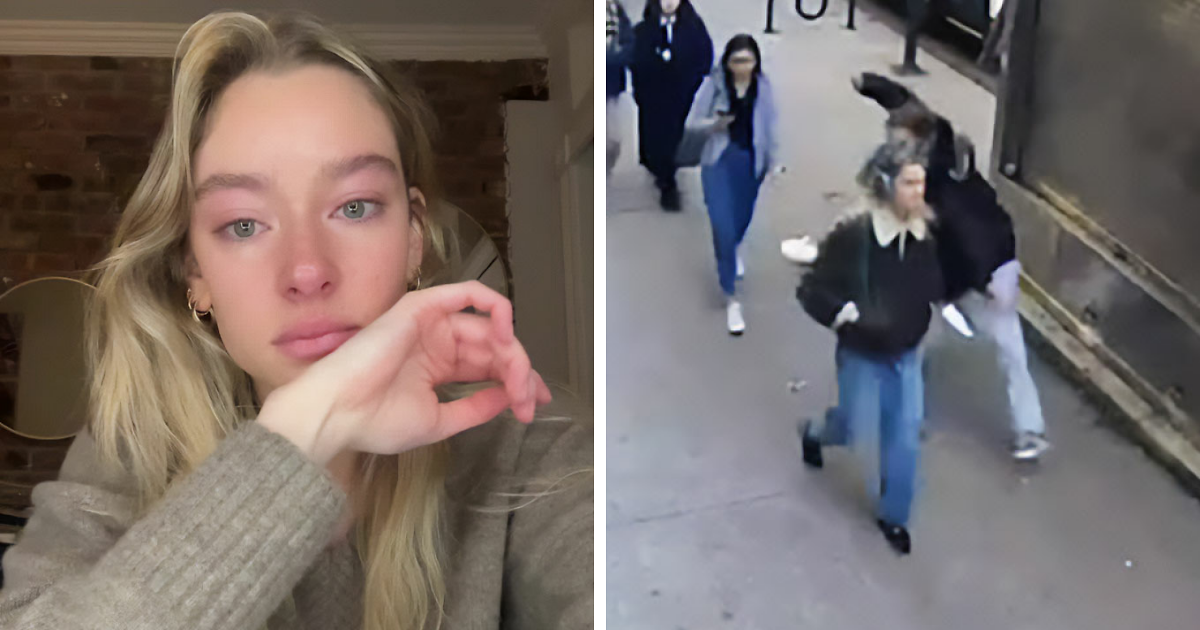
According to public reports, Amelia Lewis, a 20-year-old New York University student, was walking to class near Broadway and Astor Place when she was allegedly attacked from behind. The incident happened on a weekday morning, the kind of hour when students are usually thinking about coffee, deadlines, and whether they can still make it to class on time without power-walking like an Olympic finalist.
Instead, Lewis said she was suddenly struck, grabbed, and pushed to the ground. Surveillance footage later showed the incident, and the video quickly spread across social platforms. The emotional impact was obvious: this was not a late-night alleyway scenario from a crime drama. It was broad daylight, near campus, during an ordinary commute.
That detail is one reason the NYU shove victim story hit such a nerve. Students, parents, city residents, and commuters saw themselves in it. Anyone who has walked through a busy city with headphones in, backpack on, and mind somewhere between “I need caffeine” and “Did I submit that assignment?” understood how ordinary the moment was before it turned frightening.
The Friend Who Knew Footage Could Change Everything
Summer Armstrong, a friend and fellow NYU student, became a central figure because she did not treat the attack as something that would simply disappear into the city’s noise. Reports say Armstrong had experienced a similar incident months earlier, and that experience shaped her response. She knew that without video, a case could become one person’s word against a blur of city chaos.
Armstrong reportedly went to a nearby business and asked staff to review security footage from the time of the attack. That single decision was crucial. It helped turn a frightening personal account into visual evidence that could be shared with police, university safety officials, and eventually the public.
In other words, she did what many people wish they had the presence of mind to do in a crisis. She looked for the camera. She looked for the timeline. She looked for proof. No detective badge, no trench coat, no dramatic saxophone music in the backgroundjust practical thinking and loyalty to a friend.
Why Surveillance Footage Was So Important
Video evidence often plays a powerful role in public safety cases because it can confirm the sequence of events, identify clothing or physical characteristics, show direction of travel, and help investigators connect one incident to another. In this case, the footage helped make the attack visible to people far beyond the immediate scene.
That visibility mattered. Once the video circulated online, the story gained attention from media outlets, social media users, and people who recognized the larger pattern being alleged. The online reaction was intense, but it also served a practical purpose: it pushed the incident into public view and helped keep pressure on the investigation.
For victims, that kind of attention can be complicated. Going viral is not the same as healing. But in this case, the visibility helped make the attack harder to ignore.
Who Is James Rizzo?
Police identified the suspect as James Rizzo, 45. According to multiple reports, he was arrested and charged with persistent sexual abuse, forcible touching, and assault in connection with the NYU incident. Officials also said he had 16 prior arrests, and public court-record reporting described a history that included prior sex-offense-related matters and burglary convictions.
Because the case involves criminal charges, it is important to use precise language: Rizzo was accused and charged, and he pleaded not guilty in later court proceedings. Strong public reaction does not erase the legal process. At the same time, the concerns raised by students and residents were not imaginary. The reported prior history, parole status, and additional allegations connected to other incidents made the story much bigger than one viral clip.
The phrase “serial creep” spread because people were reacting to a pattern they believed they were seeing: women being targeted in public, a suspect with prior arrests, and a system that many felt had failed to prevent another attack. Whether one uses that phrase or not, the underlying question is serious: how should a city respond when someone repeatedly poses a risk to others?
How Social Media Helped Push the Case Into the Spotlight
Social media can be a circus. Sometimes it is all outrage, hot takes, and people arguing with strangers who have profile pictures of sunsets. But in this case, social media also functioned as a signal booster. Lewis shared her experience, the footage spread, and public attention grew quickly.
That online momentum helped transform the case from a local campus safety concern into a wider discussion about women’s safety in New York City. Students began comparing notes. Commenters asked why someone with a reported history of similar behavior was on the street. Media outlets picked up the story. The result was a wave of attention that made the case difficult to bury.
Still, viral attention should be handled carefully. A video can help, but online mobs can also misidentify people, spread rumors, or turn a victim’s trauma into entertainment. The strongest part of this story was not internet outrage by itself. It was the combination of a victim speaking out, a friend securing evidence, police making an arrest, and journalists verifying details.
NYU’s Response and the Campus Safety Question
NYU said it took the incident seriously and offered support to the student. The university’s campus safety department also assisted with the investigation. That response mattered, but the case still raised difficult questions for the NYU community.
Urban campuses are different from gated suburban campuses. NYU is woven into Greenwich Village, Lower Manhattan, Washington Square Park, Broadway, Astor Place, and the surrounding streets. That makes the campus exciting, open, and full of life. It also means students share space with all the unpredictability of a major city.
For students, the question is not whether New York should become a bubble-wrapped theme park. The question is whether universities, police, city agencies, and local businesses can coordinate better when a pattern of threatening behavior appears. If students are reporting similar experiences, those reports need to be taken seriously before the next video goes viral.
The Role of Local Businesses
One underrated part of the story is the role of nearby businesses. In dense city neighborhoods, storefront cameras often become unofficial public safety tools. A liquor store, coffee shop, pharmacy, deli, or apartment lobby camera can capture what a victim cannot fully describe in the shock of the moment.
That does not mean business owners should become amateur police departments. It means their cooperation can be incredibly valuable when an incident happens outside their doors. In this case, Armstrong’s reported decision to ask for footage from a nearby business helped create a clearer record of the attack.
For college neighborhoods, that is a lesson worth remembering. Public safety is not only about patrol cars and emergency alerts. It is also about relationships: students knowing where to ask for help, businesses knowing how to preserve footage, and universities building communication channels before a crisis.
Why This Story Resonated With Young Women
The NYU shove victim story resonated because many young women recognized the feeling behind it. The frustration was not only “an attack happened.” It was “this is exactly the kind of thing women are told to plan around every day.”
Walk with purpose. Hold your keys. Share your location. Do not wear both headphones. Notice who is behind you. Avoid empty streets. Avoid crowded streets. Avoid looking nervous. Avoid looking too friendly. Avoid everything, apparently, while also getting to class on time.
That mental checklist is exhausting. The outrage around Lewis’s story came from the fact that she was doing something completely normal: walking to class in the morning. The burden should not be on students to behave like undercover security consultants just to move through a city.
At the same time, practical safety habits can help. Students can travel in groups when possible, report suspicious incidents early, save campus safety numbers, and ask businesses for help if something happens nearby. But the deeper responsibility belongs to institutions and systems designed to protect the public.
What Summer Armstrong’s Actions Teach Us
Armstrong’s role offers a powerful lesson in what supportive friendship looks like during a crisis. She did not minimize what Lewis said. She did not wait for someone else to take charge. She used what she knew from her own experience and turned it into action.
That matters because victims often face confusion immediately after an incident. They may be shocked, embarrassed, angry, afraid, or unsure whether they are “overreacting.” A friend can become the steady voice that says, “No, this matters. We are reporting it. We are documenting it. We are not letting it vanish.”
Good support does not require dramatic heroics. It can look like staying on the phone, helping write down the timeline, walking with someone to campus safety, asking a store to preserve footage, or making sure the victim gets medical attention if needed. Sometimes the most powerful sentence a friend can say is, “I believe you, and I’m here.”
The Bigger Issue: Repeat Offenders and Public Trust
The case also became part of a larger debate about repeat offenders. Reports that Rizzo had numerous prior arrests, had been released from prison months earlier, and was allegedly connected to other incidents fueled public anger.
People were not only upset about one attack. They were asking why warning signs did not lead to stronger intervention. That debate touches criminal justice, mental health services, homelessness, parole supervision, victim protection, and the limits of city systems already under strain.
There is no responsible way to solve all of that in one headline. But the NYU case shows what happens when systems appear fragmented. Police may know one thing. Campus safety may know another. Businesses may have footage. Students may have stories. If those pieces do not connect quickly, dangerous patterns can continue.
Experience-Based Lessons From the NYU Shove Victim Case
There are several experience-based takeaways from this story that students, parents, campus leaders, and city residents can use without turning daily life into a paranoia marathon.
First, document quickly
After a public incident, time matters. Memories blur. Cameras overwrite footage. Witnesses leave. If someone is safe enough to do so, it helps to write down the time, place, direction the person fled, clothing details, nearby businesses, and any witnesses. Even a messy phone note can become useful later.
Second, ask nearby businesses for help
Many stores have cameras facing sidewalks or entrances. A calm request like, “My friend was just assaulted outside around this timecan you please preserve the footage for police?” can make a major difference. The key word is preserve. Footage may be deleted automatically after a short period.
Third, report through multiple proper channels
For students, reporting to police is important, but so is notifying campus safety. Universities may be able to send alerts, increase patrols, check campus cameras, coordinate with local precincts, and support the student through counseling or academic accommodations.
Fourth, support the victim without taking over
A strong friend helps, but does not make the entire story about themselves. Ask what the victim wants shared publicly. Offer options. Respect boundaries. A viral post can help identify a suspect, but it can also expose the victim to unwanted attention. Consent still matters, even when everyone online suddenly thinks they are Batman.
Fifth, use social media carefully
Posting footage can bring attention, but it should be done responsibly. Avoid naming unverified people, spreading rumors, or encouraging harassment. The goal is accountability, not chaos. The strongest posts stick to facts: what happened, where, when, what police or campus safety have been told, and how others can help safely.
Sixth, campuses need repeat-incident systems
One student report may look isolated. Three reports with similar descriptions may show a pattern. Universities in urban environments should have clear systems for tracking repeated street incidents near campus and communicating risks without causing panic.
Seventh, public safety should not depend on virality
The uncomfortable truth is that some cases get attention because they go viral, while others fade. That should bother everyone. A student should not need a million views for a report to matter. Armstrong’s quick action helped this case break through, but institutions should be built to respond even when there is no viral video.
Conclusion: A Friend’s Fast Thinking Made the Difference
The story behind “Friend Of NYU Shove Victim Had A Crucial Role In Exposing Serial Creep” is not just about a frightening attack. It is about what happens when someone refuses to let fear have the final word.
Amelia Lewis spoke out. Summer Armstrong acted quickly. Surveillance footage helped clarify what happened. Police arrested a suspect. Media attention forced a larger conversation about safety, accountability, and the systems that are supposed to protect people before harm occurs.
That is why this story traveled so far. It had fear, yes, but it also had friendship. It had anger, but also evidence. It had a viral moment, but also a practical lesson: when something happens, the people nearby can matter enormously.
In a city as big as New York, it is easy to feel anonymous. This case showed the opposite. One friend’s decision to act helped expose an alleged repeat offender and gave a victim’s story the proof it needed to be heard.