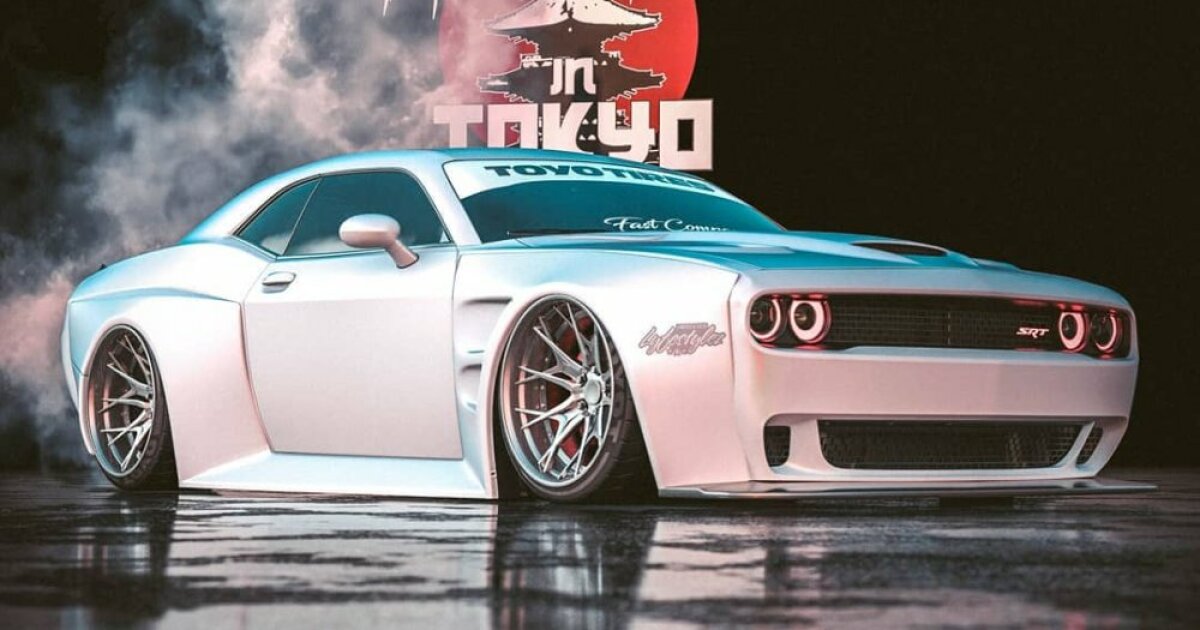
Everyone has a dream vehicle, even the people who insist that a car is “just a way to get from point A to point B.” Give them five minutes and a reliable internet connection, and they will suddenly be describing a forest-green SUV with heated seats, a panoramic roof, and enough cargo space for a dog they do not currently own.
That is the magic of the dream vehicle. It can be a million-dollar hypercar, a restored pickup truck, a solar-powered camper, a tiny city car, or the exact minivan your parents drove when you were a kid. The important part is not whether the vehicle is fast, expensive, practical, or even available in your country. It is what the vehicle represents.
So, Pandas, this is your invitation: post a picture of your dream vehicle and tell us why it belongs in your imaginary garage. Serious answers are welcome. Ridiculous answers are strongly encouraged.
What Does Your Dream Vehicle Say About You?
A dream vehicle is rarely just a collection of wheels, seats, and cupholders. It is usually a personality test wearing a license plate.
The person dreaming about a lightweight sports car may value speed, precision, and empty mountain roads. The person saving pictures of vintage station wagons might love nostalgia, family adventures, or the glorious era when automobile designers apparently believed fake wood belonged everywhere.
Meanwhile, an off-road enthusiast may imagine disappearing into the wilderness with recovery boards, camping equipment, and enough auxiliary lights to illuminate a small airport. A luxury-sedan fan may want quiet comfort and effortless power. Someone else may simply want a dependable hatchback that starts every morning and does not introduce a new dashboard warning light every Tuesday.
Modern vehicle shoppers are encouraged to evaluate their transportation needs, budget, ownership costs, available features, and test-drive impressions rather than choosing by appearance alone. That advice is sensible, but a dream garage is one place where sensible decisions may politely wait outside.
Yes, Almost Anything Can Be a Dream Vehicle
There are no official rules here. Your choice does not need to impress a professional automotive reviewer or cause strangers to whisper, “That person definitely understands torque.” It only needs to excite you.
The Supercar Fantasy
For some enthusiasts, the dream begins with dramatic doors, outrageous acceleration, and an engine note capable of setting off neighborhood car alarms. Ferraris, Lamborghinis, McLarens, and high-performance Corvettes often occupy this category.
These vehicles are engineering theater. They are low, loud, sculpted, and frequently painted in colors normally associated with tropical birds. Practicality is not the priority. Nobody buys a supercar because it has a sensible place to store a large bag of garden soil.
The Classic-Car Time Machine
A classic vehicle offers something a brand-new model cannot: a direct connection to another era. Maybe your dream is a 1960s muscle car, a vintage Volkswagen bus, an old Japanese coupe, a chrome-covered American sedan, or the pickup truck your grandfather once owned.
Classic cars may require patience, mechanical knowledge, and a suspiciously close friendship with the owner of a parts store. However, their imperfections are often part of the appeal. A vintage vehicle can feel less like an appliance and more like a living character with moods, habits, and strong opinions about cold mornings.
The Adventure Machine
Perhaps your dream vehicle has all-terrain tires, locking differentials, a rooftop tent, and a map covered with places where cell service goes to die. Trucks, SUVs, Jeeps, camper vans, and expedition rigs appeal to people who see a dirt road and wonder where it leads.
Recreational vehicles also attract a broad range of travelers. Industry research has found that RV ownership is becoming younger and more diverse, with first-time owners and families helping reshape the market. Apparently, the dream of carrying your bed and kitchen everywhere is not limited to retirees wearing matching sun visors.
The Electric Dream
For other drivers, the ideal vehicle is quiet, efficient, technologically advanced, and powered without a gasoline engine. An electric dream car might be a streamlined sedan, a rugged electric pickup, a compact commuter, or a futuristic performance machine with acceleration that rearranges your internal organs.
Electric-vehicle shoppers still need to consider driving range, home-charging access, public-charger compatibility, climate, and daily travel patterns. Regenerative braking can benefit city driving, while sustained highway speeds generally require more energy. In other words, the perfect electric vehicle depends as much on your routine as it does on the number printed beside “maximum range.”
The Lovably Weird Choice
Some dream vehicles do not fit neatly into any category, and that makes them wonderful. Maybe you want a three-wheeled microcar, a limousine converted into a camper, an amphibious vehicle, a tiny Japanese van, or a custom truck shaped like a giant shoe.
Automotive culture has always had room for the unconventional. Enthusiast gatherings regularly feature unusual home-built machines, forgotten models, wild engine swaps, and vehicles customized far beyond their original purpose. A dream vehicle does not have to be universally admired. Sometimes it only needs to make its owner laugh every time the garage door opens.
How to Choose Your Dream Vehicle
Choosing one dream vehicle can be surprisingly difficult. The human imagination has unlimited garage space, while most actual garages are already occupied by storage boxes, bicycles, and one chair nobody remembers buying.
Start With the Feeling
Ask yourself what you want the vehicle to make you feel. Do you want excitement, freedom, comfort, nostalgia, confidence, or escape?
A vehicle selected for emotional reasons may be different from one chosen through a comparison spreadsheet. Your dream car might remind you of a movie, a family member, a childhood toy, or a road trip that permanently changed how you see the world.
Imagine an Ordinary Tuesday
Now place your dream vehicle in regular life. Could you park it? Could you afford to insure it? Would it survive your local roads? Could it carry your family, pets, tools, sports equipment, or weekly warehouse-store purchases?
There is nothing wrong with ignoring these questions when selecting a pure fantasy. However, they matter if your dream might eventually become a purchase. AAA estimated that the average cost to own and operate a new vehicle in 2025 was $11,577 per year, including expenses such as depreciation, fuel, insurance, maintenance, registration, and financing. The purchase price is only the beginning of the financial road trip.
Do Not Forget Safety
A vehicle becomes significantly less dreamy when its crash protection resembles that of a decorative wheelbarrow. Before buying a real-world dream car, examine independent safety information rather than relying entirely on advertisements or the salesperson’s reassuring nod.
NHTSA’s 5-Star Safety Ratings evaluate frontal impact, side impact, and rollover protection, while the Insurance Institute for Highway Safety performs additional crashworthiness and crash-avoidance testing. Ratings should be compared carefully within relevant vehicle categories because size, weight, construction, headlights, and driver-assistance performance can all affect the bigger picture.
Decide Whether You Want Original or Customized
Some people dream about a vehicle exactly as it left the factory. Others immediately imagine different wheels, suspension, paint, seats, lights, bumpers, tires, and approximately 14 accessories that require drilling holes in perfectly good bodywork.
Customization is not a tiny corner of car culture. SEMA reported that approximately one in four vehicle owners bought accessory or performance products to personalize their vehicles in 2025. Whether the modification is a subtle roof rack or an engine with enough horsepower to rotate the Earth backward, personalization helps owners turn mass-produced transportation into something individual.
How to Post the Perfect Dream-Vehicle Picture
A great submission needs two things: an image and a story. The picture catches attention, but the explanation gives everyone something to discuss.
Choose a Picture That Shows the Vehicle Clearly
Select an image with a useful angle, good lighting, and enough detail to reveal what makes the vehicle special. A clean three-quarter front view is a classic choice because it shows the front, side, stance, wheels, and overall proportions.
If the interior is the main attraction, include a dashboard or cabin image. If you love the vehicle because it can cross rivers, climb dunes, or transform into a campsite, show it doing exactly that.
Explain Why You Chose It
Do not stop at “This one is cool.” Tell us what caught your attention. Is it the design, engine, history, technology, cultural significance, or personal memory?
You can use this simple caption formula:
My dream vehicle is: [year, make, and model].
I love it because: [your reason].
The first trip I would take: [destination].
One modification I would make: [optional customization].
Share the Unexpected Details
The best conversations often start with an unusual detail. Maybe you love hidden headlights, rear-facing seats, removable doors, pop-up roofs, manual transmissions, rotary engines, bench seats, tailgate steps, or dashboards covered in physical buttons.
Yes, physical buttons deserve appreciation. Nobody should have to open three touchscreen menus to adjust an air vent while traveling at 65 miles per hour.
Use Images Responsibly
Post a photo you took yourself, an image you have permission to share, or material licensed for reuse. When relevant, credit the photographer or original owner. Avoid displaying private information such as visible addresses, registration documents, or clearly readable license plates without permission.
Dream-Vehicle Ideas to Get the Discussion Moving
Still struggling to choose? Try answering one of these prompts:
- Which vehicle would you choose for a cross-country road trip?
- What car did you have on a poster as a child?
- Which discontinued model should return?
- What vehicle would you restore if money were no object?
- Which ordinary car do you secretly love?
- What is your ideal electric vehicle?
- Which movie or television vehicle belongs in your garage?
- Would you rather own a supercar, an off-roader, or a camper van?
- What vehicle would you select for the end of the world?
- What bizarre custom creation would you build?
That final question is particularly important. The world already has enough gray crossovers. Someone needs to build the eight-wheel convertible pizza-delivery camper.
Why Dream-Vehicle Pictures Create Such Great Conversations
Vehicles occupy a rare place between practical equipment and personal identity. They take people to work, school, hospitals, celebrations, vacations, first dates, final goodbyes, and countless unremarkable errands that later become memories.
A picture of a vehicle can therefore unlock much more than a discussion about horsepower. It can lead to stories about learning to drive, helping a parent repair an engine, sleeping beside a highway during a breakdown, saving for a first car, or traveling somewhere unforgettable.
Enthusiast culture is also wonderfully democratic. Prestigious sports cars receive plenty of attention, but unusual and affordable vehicles can generate just as much affection. Even major automotive events celebrate everything from rare classics and advanced electric machines to strange conversions and forgotten models with intensely loyal owners.
Shared Experiences Behind Our Dream Vehicles
The following composite experiences reflect familiar stories told throughout automotive communities. They are not accounts attributed to specific individuals, but they demonstrate why a dream vehicle can become emotionally important long before anyone receives the keys.
The Childhood Poster
For many enthusiasts, the relationship begins with a poster taped above a childhood bed. The vehicle may be photographed speeding through a tunnel, parked beneath palm trees, or posed in a studio with so much dramatic smoke that one assumes the photographer had recently discovered a fog machine.
The child does not understand financing, maintenance schedules, tire prices, or why a low front bumper and a steep driveway are natural enemies. They only know the car looks impossibly exciting.
Years later, seeing that model in person can produce an unexpectedly emotional reaction. The adult may now recognize its outdated technology, cramped interior, or questionable reliability. None of that matters for a moment. The vehicle is connected to a younger version of themselves who believed the future would contain adventure, freedom, and perhaps a garage with suspiciously perfect lighting.
The Family Road-Trip Vehicle
Another kind of dream vehicle is not exotic at all. It may be an old station wagon, minivan, sedan, or pickup associated with family vacations. The seats were uncomfortable, the air conditioning was inconsistent, and the cupholders were designed during a period when automobile engineers apparently did not believe people consumed beverages.
Yet that vehicle carried coolers, suitcases, sleeping children, paper maps, terrible snacks, and generations of stories. It may have crossed state lines while everyone argued about music. It may have broken down beside a roadside attraction nobody had planned to visit. Somehow, the inconvenience became part of the memory.
Years later, a person may dream of restoring the same modelnot because it was objectively excellent, but because opening its door would bring back the smell of summer trips and the sound of a parent saying, “We are absolutely not stopping again.”
The Project That Builds Patience
Some dream vehicles arrive in boxes, buckets, and partially labeled plastic bags. A project car may begin as a faded shell with a seized engine, damaged interior, and several previous-owner modifications that raise important questions about human judgment.
The restoration experience is rarely a smooth montage accompanied by upbeat music. Bolts snap. Parts do not fit. Instructions assume knowledge nobody possesses. A repair expected to take one afternoon somehow continues through three seasons and a major holiday.
Still, each small victory matters. The first successful engine start can feel more rewarding than taking delivery of a flawless new car. The owner remembers every scraped knuckle, incorrect part number, late-night research session, and friend who came over to help. The finished vehicle represents not only money, but also persistence, knowledge, and time.
The Dream That Changes With Life
Dream vehicles evolve. At 18, someone may want a two-seat sports car with a loud exhaust. At 30, the fantasy may gain four doors, child-seat anchors, and a cargo area large enough for strollers. Later, the dream could become a comfortable grand-tourer, an accessible van, an efficient electric commuter, or an RV designed for long, unhurried trips.
This change does not mean the original dream disappeared. It means the owner’s definition of freedom changed. Speed may become less important than comfort. Appearance may matter less than reliability. A giant engine may lose to quiet operation and a heated steering wheel on a freezing morning.
The most meaningful dream vehicle is not always the one that attracts the biggest crowd. Sometimes it is the machine that perfectly supports the life a person hopes to build.
Final Thoughts: Show Us What Belongs in Your Garage
Your dream vehicle can be fast or slow, new or ancient, elegant or gloriously ugly. It can be a realistic future purchase or a machine so rare that merely changing its tires would require international diplomacy.
Post a picture and give us the story. Tell us where you first saw it, why you love it, what color you would choose, and where you would drive it first. You may discover that another Panda shares your obsessionor strongly believes your dream car has the face of a confused fish. That is part of the fun.
Ultimately, dream vehicles are not only about transportation. They are visual shortcuts to adventure, identity, nostalgia, craftsmanship, and possibility. The garage may be imaginary, but the enthusiasm is completely real.