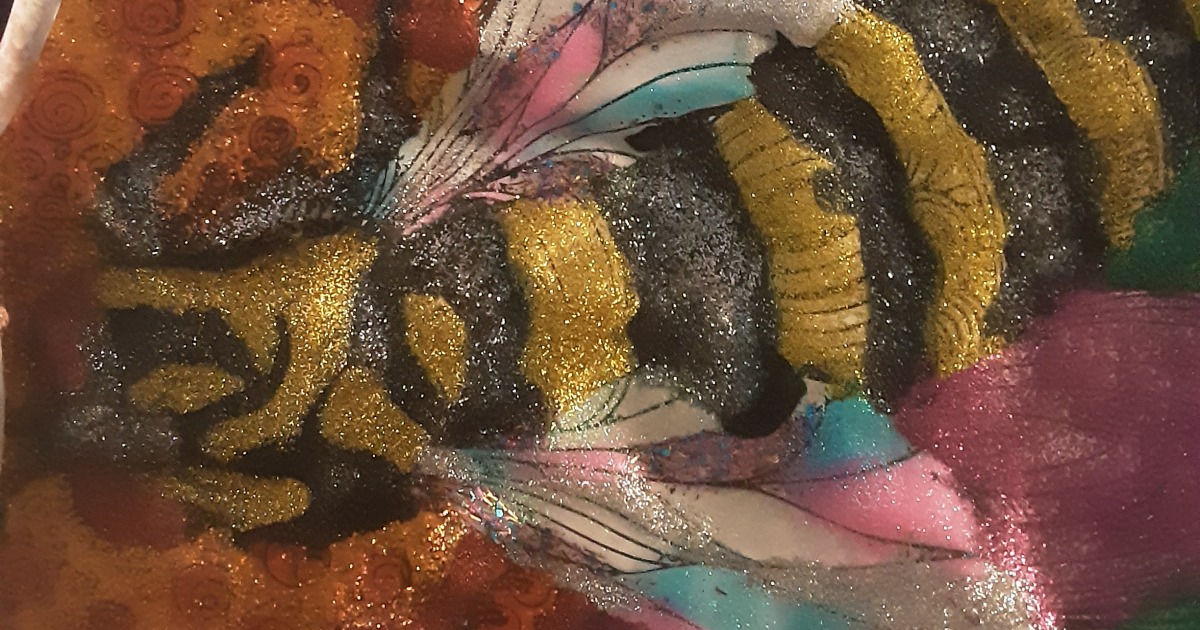
There is a special kind of magic in a handmade object. A painted rock, a lopsided clay bowl, a crocheted scarf with one suspiciously rebellious corner, a cardboard castle built by a determined seven-year-oldeach one says, “A human was here, and they had glue on their fingers.” That is why the prompt “Hey Pandas, Post As Many Pictures Of Arts And Crafts That You, Your Friends, Or Your Family Made” feels less like a simple invitation and more like opening a tiny museum of real life.
Arts and crafts are not just cute weekend fillers. They are memory machines, stress relievers, family connectors, learning tools, and occasionally, glitter distribution systems that will outlive us all. Whether your masterpiece belongs in a gallery, on the fridge, in a school hallway, or quietly behind a plant where no one asks too many questions, it still matters. Handmade art carries effort, personality, humor, patience, and sometimes the brave decision to call an accident “texture.”
Why Sharing Arts And Crafts Pictures Feels So Good
Posting pictures of handmade crafts gives people a chance to celebrate creativity without needing perfection. Online communities thrive when people share real projects: paper flowers, painted denim jackets, handmade jewelry, family quilts, wood carvings, embroidery hoops, homemade holiday ornaments, recycled art, and DIY decorations that look like they survived both inspiration and a small tornado.
The beauty of a community craft post is that it removes the pressure to be professional. Nobody needs a studio, a ring light, or a dramatic artist statement about “the sorrow of macaroni.” A phone camera and a finished project are enough. The point is participation. Someone posts a knitted blanket. Someone else remembers their grandmother teaching them to crochet. A parent uploads a child’s dinosaur made from toilet paper rolls. Suddenly, the comments become a cozy little craft fair where everyone brought snacks.
The Real Benefits Of Arts And Crafts
Crafting Helps Kids Learn By Doing
For children, arts and crafts support development in practical, hands-on ways. Cutting paper, holding crayons, shaping clay, threading beads, folding origami, and painting with brushes all build fine motor skills. These activities also encourage planning, problem-solving, patience, and confidence. A child who turns an empty cereal box into a spaceship is not “just playing.” They are designing, testing, revising, imagining, and probably asking why the spaceship cannot also be a snack dispenser.
Process-based art is especially valuable because it focuses on exploration rather than copying a perfect example. When kids are allowed to experiment, they learn that mistakes are not disasters. A blue sun can exist. A dog can have six legs. A paper crown can become a dragon hat. That kind of creative freedom helps children express thoughts and feelings they may not yet know how to explain with words.
Crafting Gives Adults A Mental Reset
Adults need crafts too, possibly even more than kids. Modern life can feel like one long password reset. Crafting offers a break from screens, deadlines, notifications, and the daily drama of wondering why the printer hates everyone. Activities like knitting, painting, drawing, woodworking, scrapbooking, pottery, quilting, and making handmade cards can create a calming rhythm. The hands stay busy, the mind slows down, and for a while, the biggest problem is whether the hot glue gun has chosen violence.
Creative activities are often used for relaxation, emotional expression, and stress relief. The act of making something tangible can restore a sense of control. You begin with raw materials, make decisions, solve small problems, and end with proof that your time became something visible. That is powerful, especially in a digital world where so much work disappears into inboxes, dashboards, and mysterious cloud folders.
Family Craft Projects Build Connection
Family-made arts and crafts are not only about the finished object. They are about the table covered in paper scraps, the sibling debate over who owns the purple marker, the parent pretending not to panic when glitter appears near carpet, and the grandparent quietly showing everyone the “right” way to tie a knot. These moments become family stories.
Crafting across generations is especially meaningful. A quilt may carry fabric from old clothes. A handmade ornament may return to the tree every December. A painted flowerpot may remind everyone of one sunny afternoon. Even simple projects can become heirlooms when they hold memory. The object may be small, but the story attached to it can be enormous.
Great Arts And Crafts Ideas Worth Photographing
1. Recycled Art Projects
Recycled crafts are perfect for families because the materials are often already sitting around the house pretending to be trash. Cardboard boxes, bottle caps, jars, old magazines, egg cartons, fabric scraps, newspapers, and empty cans can become sculptures, wall art, organizers, puppets, robots, planters, or holiday decorations.
Recycled art also teaches resourcefulness. Instead of buying every supply, makers learn to look at ordinary objects differently. A jar becomes a lantern. A shoebox becomes a tiny theater. A torn shirt becomes a patchwork heart. Creativity loves a budget challenge.
2. Handmade Gifts
Handmade gifts are always worth sharing because they carry effort. Think painted mugs, friendship bracelets, homemade candles, embroidered handkerchiefs, decorated picture frames, knitted hats, pressed-flower bookmarks, custom tote bags, or family recipe cards written and illustrated by hand. These gifts do not need to be flawless. In fact, a tiny imperfection often makes them more charming.
A store-bought gift says, “I thought of you.” A handmade gift says, “I thought of you, then wrestled ribbon for forty minutes.” That deserves applause.
3. Kids’ Masterpieces
Children’s art is one of the purest categories of handmade creativity. The proportions may be surprising, the colors may be bold enough to frighten beige walls, and the title may be something like “Monster Eating Pancake Moon,” but the imagination is unbeatable.
Parents and relatives can photograph drawings, clay animals, school projects, handprint art, paper masks, painted rocks, nature collages, and DIY costumes. The key is to preserve the story. Include the child’s title, age, and explanation if they want to share it. Sometimes the explanation is the best part.
4. Textile Crafts
Textile crafts are having a serious moment. Crochet, knitting, embroidery, sewing, quilting, weaving, visible mending, punch needle, and macramé all combine tradition with personal style. These crafts photograph beautifully because texture tells a story. A close-up of stitches, fabric layers, colorful threads, or a finished blanket can show hours of attention in a single image.
Textile projects also connect people to family history. Many people learned to sew, crochet, or mend from parents, grandparents, aunts, uncles, neighbors, or patient friends who deserved medals for explaining tension settings.
5. Seasonal And Holiday Crafts
Holiday crafts are reliable crowd-pleasers. Handmade ornaments, Halloween masks, Thanksgiving centerpieces, Valentine cards, spring wreaths, painted Easter eggs, Fourth of July decorations, autumn leaf garlands, and winter paper snowflakes all invite nostalgia. They are colorful, personal, and wonderfully photogenic.
Seasonal crafts also help families create traditions. Maybe every year the kids make one ornament. Maybe friends gather for a craft night before Halloween. Maybe someone makes a wreath so large the front door needs emotional support. These projects turn the calendar into a creative ritual.
How To Take Better Pictures Of Handmade Crafts
Use Natural Light
Good craft photography does not require expensive equipment. Natural light is your best friend. Place the craft near a window or outside in indirect light. Harsh sunlight can create strong shadows, while indoor yellow lighting can make colors look strange. Your handmade lavender candle should not look like it was photographed inside a haunted refrigerator.
Choose A Simple Background
A clean background helps the craft stand out. White poster board, a wooden table, plain fabric, craft paper, or a neutral wall can work well. Avoid backgrounds that compete with the project. If the handmade bracelet is fighting visually with a pile of laundry, the laundry will win. Laundry always wins.
Show Scale And Details
Take one full photo and a few close-ups. A full shot shows the entire project, while detail photos highlight stitches, brush texture, beadwork, carving, layers, or tiny design choices. If size matters, include a hand, mug, book, or pencil for scale. This is especially useful for miniatures, jewelry, pottery, and paper crafts.
Tell The Story In The Caption
A good caption can make a craft photo more engaging. Mention who made it, what materials were used, how long it took, what inspired it, and whether anything funny happened during the process. People love behind-the-scenes details. “My cousin made this dragon from recycled cardboard” is good. “My cousin made this dragon from recycled cardboard after losing a battle with silver paint” is better.
What Makes A Craft Post Interesting?
The best arts and crafts posts feel personal. They do not simply say, “Here is a thing.” They invite people into the making process. A great post might include progress shots, a before-and-after transformation, a funny mistake, a family tradition, a material list, or a lesson learned. This gives readers something to react to beyond appearance.
For example, a picture of a handmade wooden birdhouse is nice. A picture of a handmade wooden birdhouse with the caption, “My dad built this with my nephew, who insisted every bird needs a porch,” becomes memorable. A crocheted blanket is lovely. A crocheted blanket made from leftover yarn collected over five years becomes a story about patience, thrift, and color decisions made in moments of questionable confidence.
Beginner-Friendly Arts And Crafts Projects
Painted Rocks
Painted rocks are affordable, easy, and surprisingly addictive. Families can paint animals, flowers, mandalas, cartoon faces, inspirational words, or tiny landscapes. Seal them for outdoor use and place them in gardens or on shelves.
Paper Collage
Paper collage is perfect for all ages. Use old magazines, wrapping paper, newspapers, scrapbook paper, and photos. Create portraits, dream boards, abstract art, or funny scenes. The only rule is to keep the glue stick away from pets, unless the pet has already joined the project emotionally.
Air-Dry Clay Trinket Dishes
Air-dry clay is beginner-friendly and does not require a kiln. Roll it, shape it, let it dry, then paint it. Small bowls, jewelry dishes, magnets, ornaments, and name tags are all easy starter projects.
Handmade Cards
Cards are simple but meaningful. Use markers, stamps, stickers, pressed flowers, washi tape, watercolor, or cut paper. Handmade birthday cards, thank-you notes, and holiday greetings feel more personal than a quick text, although a quick text does not leave glitter in the kitchen.
Advanced Craft Projects That Deserve A Photo Album
For experienced makers, large projects are especially rewarding to share. Quilts, handmade furniture, stained glass, detailed embroidery, ceramic sets, cosplay costumes, dollhouses, mosaics, leatherwork, woodburning, resin art, and restored vintage pieces all show dedication. These projects deserve multiple images: materials, progress, mistakes, repairs, final reveal, and close-up details.
Advanced crafts also inspire beginners. Seeing a finished project can be motivating, but seeing the messy middle is even more helpful. It reminds people that skill develops through trial, patience, and occasionally muttering at a sewing machine.
How To Encourage Friends And Family To Share Their Crafts
Not everyone feels confident posting their work. Some people worry their craft is not good enough, original enough, or polished enough. A supportive invitation makes a big difference. Ask people to share the story behind the project rather than judging it like a competition. Praise effort, creativity, color choices, clever reuse of materials, and personal meaning.
You can also create themed sharing prompts: “Show us something you made from recycled materials,” “Post your favorite family craft,” “Share a childhood art project,” “Show a handmade gift,” or “Post the craft that went hilariously wrong but still made you proud.” These prompts lower pressure and make participation easier.
Why Handmade Art Still Matters In A Digital World
In a world filled with instant images, automated tools, and endless scrolling, handmade crafts feel refreshingly human. They take time. They show fingerprints, brushstrokes, stitches, uneven edges, and personal choices. Handmade objects remind us that creativity is not only about output. It is about attention.
That is why community craft posts are so appealing. They collect small proofs of care. A friend’s painting, a sister’s bracelet, a grandfather’s carving, a child’s paper crown, a mother’s quilt, or a neighbor’s handmade planter becomes more than an object. It becomes evidence that someone paused, imagined, and made something with their own hands.
Personal Experiences And Reflections On Sharing Arts And Crafts
One of the most enjoyable things about arts and crafts is that every project seems to come with a tiny adventure. The adventure may be peaceful, like painting watercolor flowers on a quiet Sunday morning, or chaotic, like trying to help three children make slime while the kitchen slowly becomes a science-fiction swamp. Either way, the finished project is only half the fun. The memory of making it is the other half.
Many families have at least one craft that becomes legendary. Maybe it was the homemade Halloween costume that looked incredible from the front but was held together in the back with emergency tape and hope. Maybe it was the school project volcano that erupted more aggressively than planned and gave the dining room table a permanent personality. Maybe it was the handmade birthday banner where one letter was backward, but everyone loved it so much that fixing it felt wrong.
Sharing pictures of these projects lets people enjoy the story together. A photo of a hand-painted flowerpot can remind someone of spring afternoons with their grandmother. A picture of a friendship bracelet can bring back summer camp memories. A snapshot of a family scrapbook page can make relatives laugh about old hairstyles that should probably remain in the archives. Craft photos are not just visual content; they are emotional bookmarks.
There is also something wonderfully brave about posting imperfect work. Many people hesitate because they compare their project with professional images online. But handmade creativity is not a race against polished perfection. A beginner’s first scarf, with uneven stitches and heroic determination, can be more inspiring than a flawless product photo. It tells others, “You can start too.” That kind of encouragement is valuable.
Crafting with friends adds another layer of joy. Group craft nights often begin with ambition and end with laughter. Someone spills beads. Someone misreads the instructions. Someone confidently says, “I know what I’m doing,” which is usually the exact moment everyone should become concerned. But by the end, each person leaves with something handmade and a story that becomes better every time it is retold.
Family crafts are especially powerful because they invite all ages to participate. A toddler can stamp paint with a sponge. A teen can design digital art and print it for a collage. An adult can sew, carve, sketch, or assemble. A grandparent can teach a traditional skill. The table becomes a meeting place where everyone contributes at their own level. The result might not match the original plan, but sometimes the unexpected version is the one everyone remembers.
Posting arts and crafts pictures also helps preserve creative growth. When you look back at older projects, you can see improvement. The first painting may look uncertain. The fifth has more confidence. The tenth shows style. Progress becomes visible. This is encouraging for kids and adults alike because it proves that creativity grows through practice, not magic.
Another meaningful experience is seeing how people respond. A simple craft post can spark conversations: “How did you make that?” “My aunt used to do this.” “Can I try it with my kids?” “What materials did you use?” These comments turn a picture into a shared learning moment. Even a small craft can inspire someone else to open a drawer, find old supplies, and make something new.
So yes, post the pictures. Post the polished ones, the funny ones, the sentimental ones, and the “I tried my best and the glue had other plans” ones. Post your friend’s painting, your dad’s birdhouse, your cousin’s crochet frog, your child’s cardboard robot, your family’s holiday ornaments, and your own late-night project that began as stress relief and ended as wall décor. Handmade art deserves to be seen because it carries effort, personality, and heart. And if there is glitter involved, it will be seen forever anyway.
Conclusion
“Hey Pandas, Post As Many Pictures Of Arts And Crafts That You, Your Friends, Or Your Family Made” is more than a fun community prompt. It is a celebration of creativity in its most personal form. Arts and crafts help children learn, give adults a calming outlet, connect families across generations, and turn ordinary materials into meaningful keepsakes. Whether the project is elegant, silly, tiny, ambitious, recycled, gifted, framed, worn, displayed, or lovingly hidden in a drawer, it deserves appreciation.
The next time you see a handmade object, look closer. Notice the time, imagination, trial, error, and care behind it. Then take a picture, write the story, and share it. Someone out there may be waiting for exactly that spark of inspiration to start making something of their own.
Note: When sharing arts and crafts online, post original photos only, credit the maker clearly, and avoid showing private information, children’s school names, home addresses, or anything personal in the background.