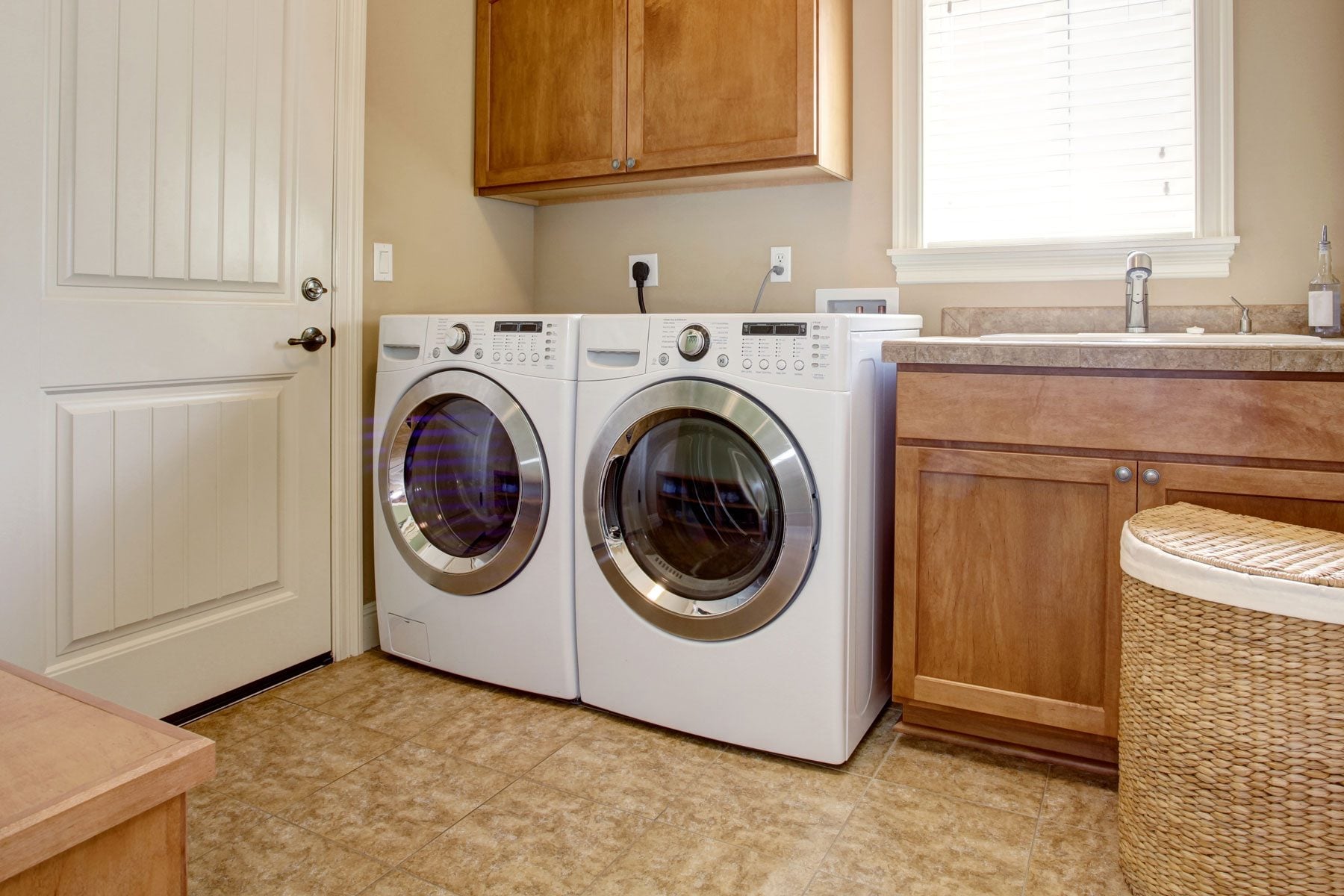
An upstairs laundry room is one of those modern home features that feels like a luxury until it becomes an indoor waterfall with better lighting. Nobody wants to carry hampers down two flights of stairs, but nobody wants washer water dripping through the kitchen ceiling either. The good news? A flooded laundry room upstairs is usually preventable with smart installation, regular maintenance, and a few inexpensive safety upgrades.
Second-floor laundry rooms are convenient, especially in homes where bedrooms are upstairs. But they also raise the stakes. A leak in a basement laundry area may soak concrete. A leak upstairs can damage drywall, flooring, insulation, electrical fixtures, cabinetry, and the room below. One failed hose can turn “I’ll just run a quick load” into “Why is it raining in the dining room?”
This guide explains how to avoid a flooded laundry room upstairs using practical, homeowner-friendly steps: better hoses, washer pans, floor drains, leak detectors, automatic shutoff valves, proper drainage, waterproof flooring, and simple habits that make water damage much less likely.
Why Upstairs Laundry Rooms Flood
Most upstairs laundry floods start with one of five problems: a burst supply hose, a loose connection, a clogged or poorly installed drain hose, an overflowing washer, or a slow leak that goes unnoticed. The danger is not just the amount of water; it is the location. Gravity is not your friend when the laundry room is above finished living space.
A washing machine uses pressurized hot and cold water lines. If a hose splits while the valves are open, water can continue flowing until someone shuts it off. If the washer drain hose slips out of the standpipe, every drain cycle can dump gallons of water onto the floor. If the machine is overloaded, unbalanced, or sitting in a room without a drain pan, a small problem can spread quickly.
Start With the Washer Supply Hoses
The washer supply hoses are the tiny gatekeepers between your home’s plumbing system and chaos. Standard rubber hoses can become brittle, cracked, blistered, or weak over time. They may look fine from across the room, but up close they can show bulges, rusted fittings, or moisture around the connections.
Use Braided Stainless Steel Hoses
For an upstairs laundry room, braided stainless steel washer hoses are a smart upgrade. They are more resistant to bursting than basic rubber hoses and are widely recommended by plumbers, insurers, and appliance experts. They are not magic force fields, but they are much better armor for a room where a leak can travel downward like it has somewhere important to be.
When choosing hoses, look for quality fittings, the correct length, and proper certification. Avoid stretching hoses tightly behind the washer. A hose should have enough gentle slack to avoid stress, but not so much that it kinks or rubs against the wall.
Replace Hoses Before They Fail
Do not wait for a hose to fail before replacing it. Many water damage prevention guides recommend inspecting washer hoses at least once a year and replacing aging hoses every few years, depending on material and manufacturer guidance. Rubber hoses generally need replacement sooner than braided stainless steel hoses.
Write the installation date on a tag or directly on the hose with a permanent marker. Future you will appreciate this small act of organization, especially when standing behind the washer with a flashlight and mild regret.
Install an Automatic Water Shutoff Valve
An automatic water shutoff valve is one of the best protections for an upstairs laundry room. These devices connect to the hot and cold water lines and use a sensor placed near the washer or inside the drain pan. When the sensor detects water, the system shuts off the water supply automatically.
This matters because leaks rarely schedule appointments. A hose can burst while you are at work, sleeping, or pretending not to hear the washer thumping during a bulky bedding cycle. A shutoff system can stop water flow before the damage becomes a full remodeling project.
Manual Shutoff Still Matters
Even with smart technology, old-fashioned habits help. Turn off the washer valves when the machine is not in use, especially before vacations or long weekends. If your valves are hard to reach, stiff, corroded, or located behind the machine in a place only a yoga instructor could love, have a plumber install accessible lever-style valves or a recessed washer box.
Use a Washer Drain Pan
A washer drain pan is a shallow pan placed under the washing machine. In an upstairs laundry room, it is not decoration. It is your first line of defense against small leaks, drips, and overflow. A proper pan catches water and directs it to a drain line if connected correctly.
Choose a sturdy pan sized for your washer. Thin plastic pans can crack under the weight of a heavy machine, especially if the washer vibrates. Heavier-duty pans made from reinforced plastic or metal are often better for second-floor laundry rooms.
A Pan Without a Drain Is Only Half a Solution
A drain pan that is not connected to a drain can still help by catching small leaks, but it has limited capacity. If the washer keeps dumping water into the pan, the pan will overflow. For upstairs laundry rooms, the best setup is a pan connected to a dedicated drain line, installed according to local plumbing codes.
If your home does not have a pan drain, ask a licensed plumber what options are realistic. In some homes, adding a drain is straightforward. In others, it may require opening walls or floors. Annoying? Yes. Cheaper than replacing a ceiling, hardwood floor, and recessed lights? Usually also yes.
Consider a Floor Drain or Waterproof Laundry Area
A floor drain can provide extra protection, but it must be designed properly. It should slope correctly, connect to an approved drainage system, and follow local code. A badly installed floor drain can cause odors, sewer gas issues, or drainage problems, so this is not the place for “my cousin watched a video once” plumbing.
If a floor drain is not possible, focus on containment. Waterproof or water-resistant flooring, sealed seams, a slightly raised threshold, and moisture-resistant baseboards can help keep water inside the laundry room long enough for you to catch it.
Best Flooring for an Upstairs Laundry Room
Tile, sheet vinyl, luxury vinyl plank rated for wet areas, and properly installed waterproof flooring are common choices. Avoid flooring that allows water to sneak between gaps and into the subfloor. Hardwood may look beautiful, but an upstairs washer leak can turn it into an expensive potato chip.
Seal around the room perimeter where the floor meets the walls. Use waterproof caulk in vulnerable areas, especially around the washer pan, baseboards, and thresholds. The goal is to slow water migration, not simply hope the floor is feeling heroic.
Check the Drain Hose and Standpipe
The drain hose carries used water from the washer into the home’s drain system. If it is installed too low, pushed too far into the standpipe, kinked, loose, or not secured, it can cause siphoning, slow draining, or direct flooding.
Secure the Drain Hose
Always secure the drain hose to the standpipe or laundry tub using the clip, strap, or guide recommended by the washer manufacturer. The hose should not be able to jump out during the drain cycle. Washers can vibrate, and vibration plus an unsecured hose is basically a tiny plumbing rebellion.
Do Not Jam the Hose Too Far Down
More is not always better. If the drain hose is pushed too far into the standpipe or sealed tightly with tape, it can interfere with proper drainage and may cause siphoning. There should typically be an air gap around the hose. Follow the installation manual for your specific washer model, because drain height and insertion depth can vary.
Keep the Drain Clear
Lint, detergent residue, pet hair, and small debris can build up in drains over time. If the washer drains slowly, gurgles, backs up, or leaves water in the tub, do not ignore it. A slow drain upstairs is not “quirky.” It is a warning with a spin cycle.
Have the standpipe and drain line checked if you notice recurring problems. A plumber can clear blockages, verify venting, and confirm that the laundry drain is correctly sized and installed.
Install Water Leak Detectors
Water leak detectors are small sensors that sound an alarm, send smartphone alerts, or trigger smart-home routines when they detect moisture. Place sensors under the washer, inside the drain pan, behind the machine near hose connections, and near any nearby sink or water heater if present.
Basic battery-powered alarms are inexpensive and loud. Smart leak detectors can alert you when you are away from home. The best setup for an upstairs laundry room combines a leak detector with an automatic shutoff valve, so the system does more than yell while water keeps flowing.
Do Not Overload the Washer
Overloading a washing machine can cause unbalanced loads, poor drainage, excessive vibration, and leaks around the door or tub. Large bedding, rugs, pet beds, and heavy towels are common troublemakers. If the washer starts walking across the floor like it has weekend plans, stop the cycle and rebalance the load.
Use the correct cycle for bulky items. Do not force a king-size comforter into a washer that was emotionally prepared for a normal load of shirts. Follow the machine’s capacity guidelines and use high-efficiency detergent if your washer requires it. Too much detergent can create excess suds, which can contribute to leaks and drainage issues.
Level the Washing Machine
A washer that is not level can vibrate more than it should. Over time, vibration can loosen hose connections, shift the drain hose, damage flooring, and increase wear on the machine. Use a level and adjust the washer feet until the machine sits firmly on the floor without rocking.
If the laundry room floor flexes, ask a contractor or structural professional whether the floor needs reinforcement. Modern front-load washers can be heavy, especially when filled with water and wet laundry. Upstairs installation should account for weight, vibration, and drainage access.
Inspect the Laundry Room Monthly
A five-minute monthly inspection can prevent a very long weekend of cleanup. Look behind and under the washer. Check for damp spots, mineral deposits, rust, moldy smells, cracked hoses, loose fittings, and water marks on the wall or floor.
Monthly Laundry Room Flood Prevention Checklist
- Check hot and cold supply hoses for cracks, bulges, kinks, rust, or moisture.
- Confirm hose fittings are snug but not overtightened.
- Make sure the drain hose is secure and not pushed too far into the standpipe.
- Look inside the washer pan for water, dirt, or cracks.
- Test leak detectors and replace batteries if needed.
- Confirm the washer is level and does not rock.
- Clean the washer filter if your model has an accessible pump filter.
- Check nearby ceilings below the laundry room for stains or soft spots.
Understand Insurance Before a Leak Happens
Homeowners insurance may cover sudden and accidental water damage, such as a burst washer hose, but it may not cover gradual leaks, poor maintenance, sewer backups, or flood damage from outside water unless you have specific coverage. Policies vary, so review your coverage before you need it.
Take photos of your laundry room setup, including hoses, shutoff valves, washer pan, and leak detectors. Keep receipts for plumbing work and safety upgrades. Documentation can be useful if you ever need to file a claim.
Design Tips for a Safer Upstairs Laundry Room
If you are building or remodeling, plan flood prevention into the room from the beginning. It is easier to install a drain pan, floor drain, waterproof flooring, and accessible shutoff valves before everything is finished.
Build a Laundry Room That Contains Water
Consider a slightly raised threshold at the door, moisture-resistant drywall near the floor, sealed trim, and waterproof flooring that extends under the washer and dryer. If there is cabinetry, use materials that tolerate humidity and occasional splashes.
Keep Access Easy
Do not bury shutoff valves behind a stacked washer-dryer tower with no access panel. In an emergency, you should be able to shut off water quickly without moving a 250-pound appliance while wearing socks and panic.
What to Do If Water Appears
If you see water in the upstairs laundry room, act fast. Turn off the washer, shut off the hot and cold supply valves, and unplug the machine if it is safe to do so. Avoid standing in water near electrical outlets or appliances. Mop up standing water, use towels, and move items out of the room.
Check the ceiling below. If water is dripping through light fixtures, turn off power to that area at the breaker and call a professional. Drying quickly is critical because moisture trapped in walls and ceilings can lead to mold, stains, and structural damage.
Real-World Experiences: Lessons From Upstairs Laundry Close Calls
Many upstairs laundry disasters begin with something small. One common scenario is the “just one more load before bed” mistake. A homeowner starts a late-night wash, goes to sleep, and wakes up to a damp hallway because the drain hose shook loose during the spin cycle. The washer did not explode. It simply drained exactly where the hose pointed: onto the floor. The lesson is simple but powerful: secure the drain hose and avoid running the washer when nobody is awake or home to notice trouble.
Another familiar experience involves a washer pan that looks helpful but is not connected to anything. The pan catches a slow drip from a hose connection for several days, which feels like success until the drip becomes a steady stream. Once the pan fills, water spills over the edge and travels under flooring. A pan is useful, but a pan connected to a drain is far better. If a drain is not possible, a leak detector inside the pan becomes essential.
Homeowners also learn that braided hoses are not a “set it and forget it forever” product. They reduce risk, but the fittings, washers, and connections still need inspection. A tiny leak at a threaded connection can wet the wall behind the machine for weeks before anyone smells mildew. The experience usually sounds like this: “We thought the hose was fine because it was stainless steel.” The smarter approach is to inspect the entire connection, not just admire the shiny braid.
Stacked laundry units bring their own lessons. They save space, but they can make valves, hoses, and outlets harder to reach. In one common setup, the homeowner cannot access the shutoff valves without pulling out the entire unit. That means a leak becomes harder to stop quickly. If you install a stacked washer and dryer upstairs, prioritize access panels, front-facing shutoff controls, or an automatic shutoff system. Convenience should not require a wrestling match with appliances.
Pet owners and large families often experience drainage surprises. Dog beds, muddy towels, small rugs, and heavy blankets shed fibers that can clog filters or slow drains. The washer may seem fine until the drain cycle, when water backs up or leaks. Cleaning the pump filter, shaking out dirty items before washing, and using the right cycle can prevent these messy surprises. Your washer is hardworking, but it is not a garbage disposal with a fabric softener dispenser.
The biggest lesson from upstairs laundry rooms is that prevention works best in layers. No single product prevents every flood. A strong setup includes braided hoses, accessible shutoff valves, a drain pan, leak sensors, proper drain hose placement, waterproof flooring, and good laundry habits. Think of it like a security system for water. One lock is nice. Several locks, an alarm, and a neighbor who owns towels are better.
Conclusion
An upstairs laundry room does not have to be a water-damage gamble. The key is to treat the room like a small plumbing zone, not just a closet where socks disappear. Upgrade to braided stainless steel hoses, replace aging hoses on schedule, install a washer pan, secure the drain hose, keep the standpipe clear, use leak detectors, and consider an automatic water shutoff valve. Add waterproof flooring and accessible valves, and you have a laundry room that is much less likely to ruin the ceiling below.
The best flood prevention plan is boring, practical, and slightly paranoid. That is exactly what you want. Laundry already comes with enough drama: missing socks, mystery stains, and towels that somehow generate their own ecosystem. A flooded upstairs laundry room does not need to join the party.
Note: This article is based on practical guidance commonly recommended by U.S. appliance manufacturers, plumbing professionals, consumer safety resources, insurance organizations, and home maintenance experts.