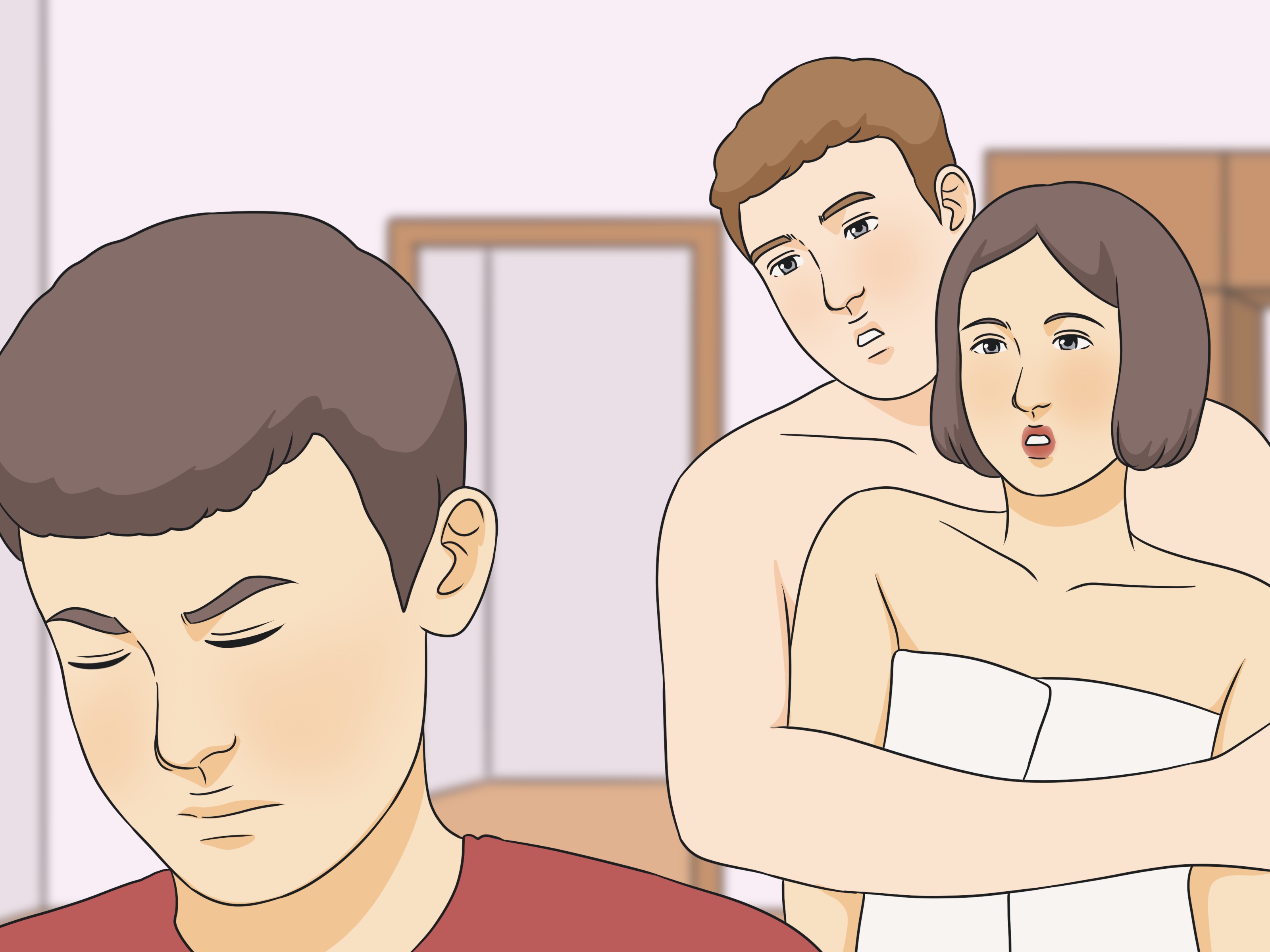
Being seen naked by accident is one of those life events that can turn a normal Tuesday into a full-body cringe festival. Whether you live with roommates, share a bathroom, stay in hotels, use gym locker rooms, or simply own windows that are a little too enthusiastic about visibility, protecting your privacy is a practical skillnot a personality flaw.
This guide explains how to avoid being seen naked in everyday situations using smart routines, simple home upgrades, respectful communication, and a few expert-backed privacy habits. The goal is not paranoia. The goal is peace of mind, fewer awkward hallway sprints, and zero “I thought the door was locked” disasters.
Why Accidental Exposure Happens
Most accidental nudity incidents are not dramatic. They usually happen because of tiny privacy failures: an unlocked door, a curtain that becomes useless at night, a roommate who does not knock, a towel placed just out of reach, or a video call camera left on at exactly the wrong moment. Privacy is often lost in the gap between “I assumed” and “Oops.”
The best prevention strategy is to build a privacy routine. Think of it like brushing your teeth, but instead of preventing cavities, you prevent your neighbor from learning too much about your post-shower skincare ritual.
Start With the Door: Locks, Knocks, and Clear Signals
Use the lock every time
The simplest rule is also the most powerful: lock the bathroom, bedroom, or changing-room door before removing clothes. Do it even when you think you are alone. Especially when you think you are alone. That is when sitcom-level incidents begin.
If a lock is broken, loose, or unreliable, fix it quickly. For renters, ask the landlord or property manager in writing. For dorms or shared housing, report the issue to housing staff. A working lock is not a luxury; it is a basic privacy tool.
Create a knock-before-entering rule
In shared homes, privacy works best when everyone follows the same standard. A closed door should mean “knock first,” not “dramatically enter like you own the soundtrack.” Talk with roommates, family members, or guests about a simple rule: knock, wait for an answer, then enter.
If you live with roommates, put this in your roommate agreement. Include expectations for guests, bathroom use, changing times, and shared spaces. The conversation may feel awkward for 90 seconds, but that is cheaper than years of emotional flashbacks.
Make Windows Privacy-Proof
Check visibility during the day and at night
Windows are sneaky. A room that looks private during the day may become a glowing stage at night when the lights are on. Do a quick privacy test: stand outside after dark while the indoor lights are on, or ask a trusted person to check what can be seen from the street, neighboring buildings, or shared walkways.
Use curtains, blinds, shades, or frosted film
For bedrooms and bathrooms, choose window coverings that block visibility while still letting in light. Good options include blackout curtains, cellular shades, top-down/bottom-up shades, shutters, frosted window film, or café curtains for lower-half coverage. Frosted film is especially useful for bathrooms because it adds privacy without making the room feel like a cave where shampoo bottles go to retire.
Be careful with sheer curtains. They may look soft and elegant in daylight, but at night they can become more “theater scrim” than “privacy barrier.” Layer sheers with heavier curtains if the room is used for changing.
Build a No-Panic Changing Routine
Keep clothes, towel, and robe within reach
Before showering or changing, gather everything you need: towel, robe, underwear, clothes, hair wrap, glasses, moisturizer, or anything else that prevents the classic wet-footed dash across the hallway. The fewer trips you make while uncovered, the fewer chances something awkward happens.
Use a robe as your privacy safety net
A robe is one of the most underrated privacy tools ever invented. It is comfortable, fast, and far more secure than trying to hold a towel closed with one elbow while opening a door with the other hand. Keep one on a hook near the shower or bed.
Face away from doors and windows
When changing, position yourself so your body is not directly visible if the door opens a crack or a curtain shifts. It sounds small, but angles matter. A few feet to the left can be the difference between privacy and an accidental cameo.
Be Smart in Shared Bathrooms and Dorms
Shared bathrooms require a little strategy. Wear shower shoes, bring a robe or large towel, and use a shower caddy so you are not juggling soap, shampoo, and dignity at the same time. If the bathroom has stalls or curtains, check that they close properly before undressing.
In dorms, suites, or roommate apartments, agree on guest rules. For example: no guests during bathing or changing times, no entering a bedroom without permission, and no using someone else’s private bathroom unless invited. These rules are not dramatic. They are how adults prevent chaos with plumbing.
Avoid Camera Accidents at Home
Know where cameras are
Indoor cameras, baby monitors, pet cameras, laptops, tablets, smart displays, and phones can all create accidental privacy risks. Do a quick “camera map” of your home. Ask: Which devices have lenses? Which ones record? Which ones connect to the internet? Which ones point toward areas where people change clothes?
Move cameras away from private spaces
Never place cameras in bedrooms, bathrooms, changing areas, or anywhere people reasonably expect privacy. If you use a pet camera, aim it toward the floor or a common areanot toward a hallway bathroom door. Your dog does not need a documentary crew.
Cover webcams and use privacy settings
Use a webcam cover, close your laptop, or unplug external webcams when not in use. Update device software, use strong unique passwords, enable two-factor authentication, and avoid sharing camera feeds casually. Smart devices are convenient, but convenience should not be allowed to moonlight as accidental surveillance.
Protect Yourself in Hotels and Vacation Rentals
When staying somewhere unfamiliar, do a quick privacy sweep before unpacking. Check bedrooms, bathrooms, changing areas, smoke detectors, alarm clocks, USB chargers, decorative objects, and any device pointed at private spaces. You do not need to become a spy-movie character. A calm two-minute inspection is enough for most travelers.
Use your phone flashlight to look for tiny lens reflections in suspicious objects. Review the listing’s camera disclosure rules if you booked a rental. Indoor cameras in private spaces are widely prohibited by major rental platforms, and hidden cameras should be treated seriously.
If you find a hidden or suspicious recording device in a private area, document it with photos or video, avoid tampering with it if possible, leave the area if you feel unsafe, and report it to the platform, hotel management, and local authorities. This is not a “laugh it off” situation.
Manage Video Calls Like a Privacy Professional
Check the camera before changing
Remote work and online classes have created a new privacy hazard: the camera you forgot was on. Before changing clothes near a computer, make sure the meeting has ended, the camera light is off, and the app is fully closed. Do not trust the tiny red “leave” button with your entire reputation.
Use a camera cover
A physical webcam cover is simple and effective. Slide it closed when the camera is not in use. This one habit can prevent awkward mistakes, software glitches, and the terrifying moment when you wonder, “Wait, was I still connected?”
Create a camera-safe zone
If possible, keep your workspace separate from your changing space. If you live in a small apartment or dorm, angle your camera toward a wall, bookshelf, or neutral background. Avoid pointing it toward beds, closets, bathroom doors, or mirrors.
Use Mirrors Carefully
Mirrors can accidentally reflect more than expected. A mirror across from a window, bedroom door, or video camera can create a privacy problem even when you are technically out of direct view. Before changing, glance around for reflective surfaces: mirrors, glass doors, dark TV screens, framed art, and shiny closet panels.
For bathrooms or bedrooms with large mirrors, close the door, cover the window, and avoid changing in the reflection path. Privacy is not only about what is in front of you. It is also about what is bouncing off the wall like a gossip with excellent lighting.
What to Do If Someone Walks In
If someone accidentally sees you naked, respond clearly and calmly. Say, “Please close the door,” “I need privacy,” or “Knock next time.” You do not owe a performance, apology, or nervous comedy routine. Get covered first. Process the embarrassment later.
If the person truly made a mistake, a brief follow-up may solve it: “Let’s make sure we knock before entering closed rooms.” If the person ignored boundaries, laughed, lingered, recorded, or repeated the behavior, treat it as a serious violation. Tell someone you trust, document what happened, and consider reporting it to housing staff, management, HR, school officials, or law enforcement depending on the situation.
Expert Tips for Better Privacy
1. Use layers of protection
Do not rely on one privacy barrier. Use the lock, close the curtain, keep a robe nearby, and check cameras. Layers make accidents less likely because one small failure does not ruin everything.
2. Make privacy rules visible
In shared homes, a simple sign can help: “Please knock,” “Bathroom occupied,” or “Do not enter without permission.” It may feel old-fashioned, but signs work because humans are easily distracted creatures who sometimes need cardboard reminders.
3. Prepare before you undress
Most exposure accidents happen after someone realizes they forgot clothes, towels, or toiletries. Build the habit of preparing first. A 20-second checklist beats a 20-foot hallway sprint.
4. Have direct conversations
Privacy improves when people talk about it. Use simple language: “I’m not comfortable with guests using my bathroom,” or “Please don’t enter my room unless I answer.” Clear beats clever.
5. Treat anxiety with kindness
If fear of being seen naked becomes intense, constant, or disruptive, it may connect to embarrassment anxiety, body image stress, or social anxiety. Practical privacy steps can help, but so can talking with a mental health professional. You deserve privacy, and you also deserve not to live in a state of emergency over every towel rack.
Common Mistakes to Avoid
Leaving doors “mostly closed”
A mostly closed door is not a privacy system. It is a suggestion. Close and lock the door whenever possible.
Trusting towels too much
Towels are useful, but they are not always secure. Use a robe, wrap towel, or clothing you can fasten.
Ignoring nighttime window visibility
Always check windows after dark. Indoor lights can make private rooms highly visible from outside.
Changing near active devices
Do not change in front of laptops, phones, smart displays, or cameras unless you have confirmed they are off, covered, or facing away.
Avoiding boundary conversations
Awkward conversations prevent awkward incidents. Speak early, politely, and clearly.
Real-Life Experiences: Privacy Lessons People Learn the Hard Way
Many people learn privacy habits from one memorable incident. One common example is the “forgotten towel” problem. Someone showers, realizes their towel is still in the bedroom, opens the bathroom door just enough to check the hallway, and then makes a risky dash. The better habit is simple: keep a towel and robe in the bathroom permanently. Even if laundry day becomes chaotic, your backup robe should remain on duty like a quiet little privacy bodyguard.
Another classic situation happens with roommates. A person assumes their bedroom is private because the door is closed, but the roommate enters to borrow a charger, return laundry, or ask a question that absolutely could have waited. After one awkward moment, the household finally creates a knock-first rule. The lesson is that shared living requires shared expectations. Privacy is not automatic just because everyone is “pretty chill.” Chill people still need rules.
Travel creates its own privacy surprises. Hotel rooms and vacation rentals often have unfamiliar layouts, mirrors in unexpected places, curtains that do not fully close, or bathroom doors with decorative glass panels designed by someone who apparently hates mystery. Experienced travelers do a quick room check before showering or changing. They close curtains, test bathroom locks, look for odd camera-like devices, and figure out where towels are stored before they need them. This routine takes minutes and prevents panic.
Families also run into privacy challenges, especially when guests visit. A guest may not know which door is the bathroom, which room is private, or whether a closed door means “occupied.” The easiest fix is to give a quick house tour and explain boundaries kindly: “That bathroom is yours to use, and these two bedrooms are private.” It sounds formal, but it saves everyone from wandering into the wrong room at the wrong time.
Remote workers have learned a modern version of this lesson. A video meeting ends, or seems to end, and the person stands up, changes shirts, or walks through the room in a towel. Then comes the chilling thought: “Was my camera off?” The safest routine is to leave the meeting, close the app, shut the laptop, and slide the camera cover closed before doing anything private. It may feel excessive until the one day it saves you from becoming a department legend.
Gym locker rooms are another place where small routines matter. Choose a corner, use a towel wrap, face the locker while changing, and avoid spreading belongings across the bench. If privacy stalls are available, use them. If someone behaves inappropriately, stares, records, or refuses to respect space, report it to staff immediately. Being in a shared changing area does not mean surrendering basic boundaries.
The biggest lesson from all these experiences is that privacy works best when it is planned before embarrassment arrives. Locks, curtains, robes, camera covers, roommate agreements, and direct communication are not dramatic. They are ordinary tools for protecting comfort and dignity. You cannot control every accident, but you can make accidental exposure much less likely. And if something awkward does happen, remember: cover up, breathe, set the boundary, and move on. Most people are far too busy worrying about their own embarrassing moments to replay yours forever.
Conclusion
Avoiding being seen naked is mostly about preparation, not panic. Lock doors, check windows, cover cameras, communicate boundaries, and keep clothing or a robe within reach. In shared homes, dorms, gyms, hotels, and rentals, privacy depends on both physical barriers and social agreements. A little planning can spare you a lot of embarrassmentand possibly a very dramatic towel sprint.
Note: This article is intended for everyday privacy, etiquette, and safety. If someone intentionally watches, records, threatens, or violates your privacy, treat it seriously and seek help from the appropriate authority or support organization.