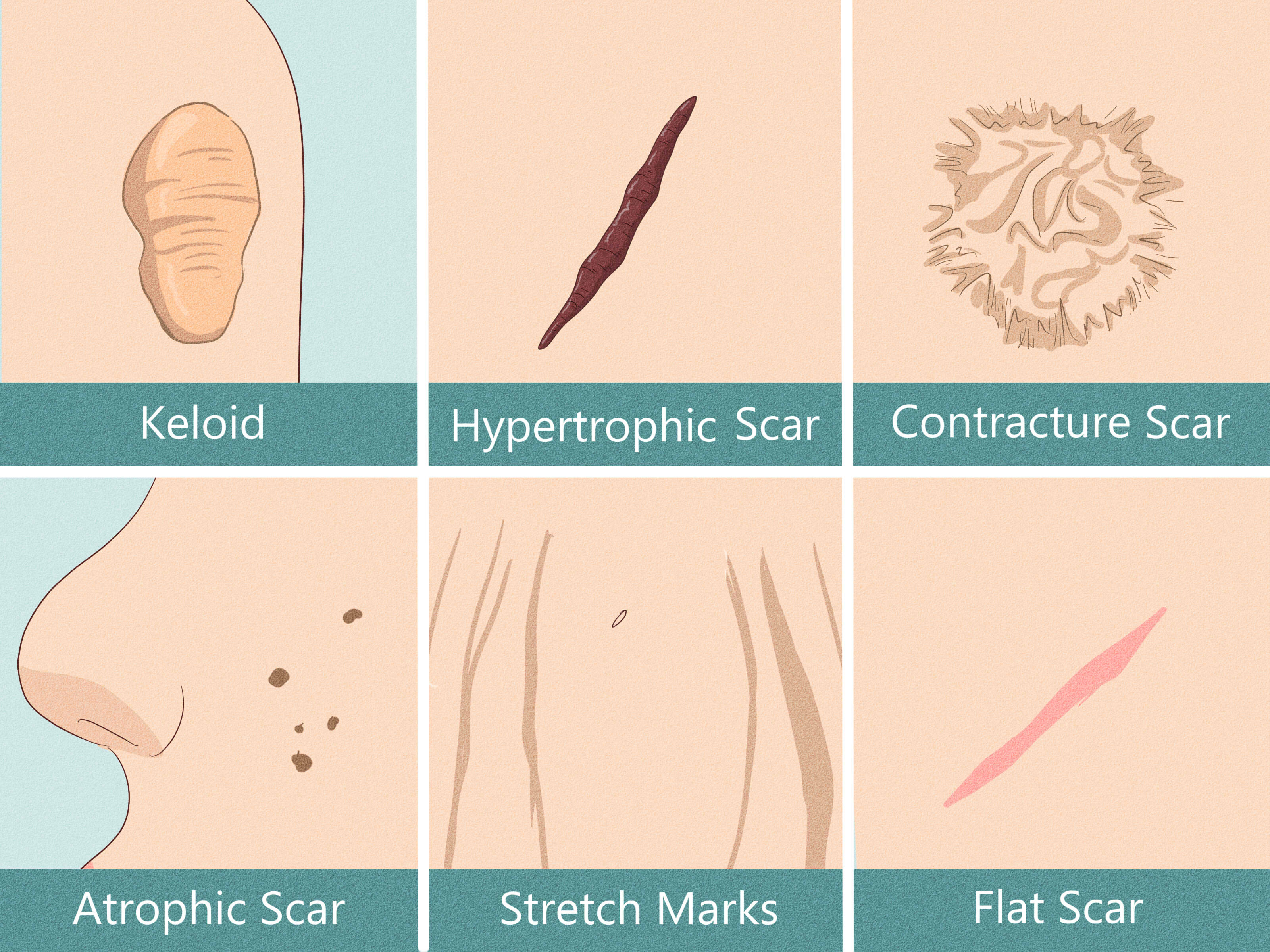
Scar tissue has a strange talent for overstaying its welcome. A small injury heals, surgery goes well, and then weeks or months later, you may notice tightness, pulling, stiffness, itching, or a stubborn raised line that seems determined to become the main character in your recovery story.
People often search for ways to “break up scar tissue,” but that phrase can be a little misleading. Scar tissue is not a crunchy layer that can simply be smashed, scraped, or aggressively kneaded away. It is collagen-rich tissue your body builds to repair damage. The goal is usually to help it become softer, more flexible, less painful, and less likely to restrict movement.
The safest approach depends on where the scar is located, how old it is, whether it is on the skin or deeper inside the body, and whether it is causing functional problems. For some scars, gentle massage, stretching, silicone gel, and patience can make a meaningful difference. For others, such as thick keloids, painful post-surgical adhesions, or severe joint stiffness, professional treatment may be necessary.
What Is Scar Tissue, Exactly?
Scar tissue forms when your body repairs an injury. Whether the original issue was a cut, burn, surgery, acne breakout, torn muscle, tendon injury, or infection, the healing process involves collagen. Collagen is useful because it helps close and strengthen damaged tissue. Unfortunately, it is not always neatly organized.
Normal skin and connective tissue have flexible fibers that move smoothly as you bend, stretch, walk, or reach for the top shelf. Scar tissue may be denser, thicker, and less elastic. That can create a sensation of tightness or tugging, especially around joints, muscles, tendons, or surgical incisions.
Not every scar needs treatment. Many scars naturally fade, flatten, and become more comfortable over time. But when a scar remains painful, raised, stiff, itchy, tethered to deeper tissue, or limiting your motion, it may be worth discussing treatment options with a healthcare professional.
Different Types of Scar Tissue Need Different Treatment
Superficial skin scars
These are scars on the surface of the skin from cuts, surgery, acne, burns, or injuries. They may appear red, brown, pink, shiny, indented, raised, or uneven. Treatment often focuses on color, texture, thickness, itching, and cosmetic appearance.
Hypertrophic scars and keloids
Hypertrophic scars are raised scars that stay within the original borders of the wound. Keloids are raised scars that grow beyond the original injury. Both can be itchy, tender, firm, and frustratingly enthusiastic about taking up extra real estate.
These scars often benefit from targeted medical treatment rather than a “rub it harder and hope for the best” strategy.
Scar adhesions
Adhesions happen when scar tissue sticks tissues together that normally slide independently. For example, a surgical scar on the abdomen may feel tethered to deeper tissue, or scar tissue around a tendon may make movement feel restricted. Adhesions can also occur internally after surgery or inflammation.
Internal adhesions are not something to treat with deep self-massage. Trying to aggressively press into the abdomen or another sensitive area can cause pain and may delay proper evaluation.
Scar tissue around joints, muscles, and tendons
After orthopedic surgery, tendon repair, fractures, or prolonged immobility, scar tissue may contribute to stiffness and reduced range of motion. In these situations, physical therapy or occupational therapy is often the most useful starting point because the treatment plan can be matched to the exact tissue involved.
Can You Really “Break Up” Scar Tissue?
In most cases, no one is literally breaking apart scar tissue like cracking a piece of hard candy. A better way to think about treatment is scar remodeling. The aim is to encourage the scar and surrounding tissues to move more comfortably, become more pliable, and interfere less with normal function.
Massage, stretching, scar mobilization, silicone therapy, compression, physical therapy, injections, laser procedures, and surgery can all play a role. The right choice depends on the type of scar and the symptoms it causes.
Gentle, consistent treatment usually works better than one heroic session that leaves you sore enough to regret every life decision that led to owning a massage gun.
Effective Treatment Options for Scar Tissue
1. Gentle scar massage and scar mobilization
Once a wound is fully closed and your surgeon or healthcare professional has cleared you for massage, gentle scar massage may help improve flexibility and reduce the feeling of tightness. Massage can also help with sensitivity, itchiness, and discomfort around certain healed scars.
A clinician may recommend small circular motions, side-to-side movements, or gentle lifting of the skin around the scar. The pressure should be firm enough to move the skin but not so intense that it causes sharp pain, bruising, swelling, or renewed redness.
Scar massage is especially common after hand surgery, joint surgery, C-sections, breast surgery, and some orthopedic procedures. However, the technique and timing matter. A scar that is fresh, open, infected, draining, or still covered by scabs should not be massaged.
2. Physical therapy or occupational therapy
Physical therapy is often one of the best options when scar tissue affects movement. A physical therapist can assess whether the problem is scar adherence, muscle weakness, joint stiffness, swelling, altered posture, nerve sensitivity, or a combination of several issues.
Treatment may include guided stretching, range-of-motion exercises, strengthening, manual therapy, scar mobilization, desensitization techniques, and movement retraining. The goal is not simply to make the scar feel softer. It is to help you use the affected area normally again.
For example, someone recovering from knee surgery may need a carefully structured program to regain bending and straightening. Someone with a hand scar may need specialized occupational therapy to protect tendons while restoring grip and finger movement. Those are very different recovery puzzles, so they should not receive the same one-size-fits-all solution.
3. Stretching and gradual movement
Appropriate movement can help prevent stiffness and excessive scar tightness. The key word is appropriate. Too little movement may allow tissues to stiffen, while too much movement too soon can irritate healing tissue and create more inflammation.
Follow your surgeon’s, physical therapist’s, or rehabilitation specialist’s instructions on how much movement is safe. Gentle stretching may help after certain muscle injuries, joint surgeries, and scar-related contractures, but timing matters enormously.
Think of healing tissue like a new zipper: you want it to move smoothly, not yank it so hard that the whole jacket starts questioning your intentions.
4. Silicone gel and silicone sheets
Silicone gel and silicone sheets are widely used for raised scars, surgical scars, burn scars, hypertrophic scars, and keloids. They may help soften scars, reduce redness, improve texture, and decrease itching over time.
Silicone products are generally used only after the wound has fully healed. They are not meant for open wounds, active infections, or areas with significant drainage. Consistency matters, and visible improvement may take weeks or months rather than a weekend.
Silicone is not glamorous. It will not come with dramatic music or fireworks. But it is one of the more practical, low-drama scar management options available.
5. Pressure therapy and compression garments
Pressure therapy may be used for certain burn scars, hypertrophic scars, and scars that remain thick or uncomfortable. Compression garments, wraps, or specialized dressings can help reduce scar thickness and manage symptoms such as itching or burning in some people.
This treatment should be fitted and recommended by a qualified clinician, particularly after burns, reconstructive surgery, or when circulation problems are present. Compression that is too tight, poorly placed, or used on the wrong condition can create new problems instead of solving old ones.
6. Moisturizing and sun protection
A healed scar may feel dry, itchy, or sensitive. A plain fragrance-free moisturizer can help improve comfort, especially when used before gentle scar massage. While moisturizers do not erase scar tissue, keeping the skin hydrated can make the area feel less tight and irritated.
Sun protection is also important. Ultraviolet exposure can make scars darker, more noticeable, and slower to fade. Cover the scar when possible and use broad-spectrum sunscreen on healed exposed scars as recommended by your clinician.
7. Steroid injections for raised scars and keloids
For thick, raised, itchy, or painful scars, a dermatologist or plastic surgeon may recommend corticosteroid injections. These injections can help flatten and soften hypertrophic scars and keloids. They may also reduce itching, tenderness, and inflammation.
Several sessions may be needed. Depending on the scar, treatment may be combined with silicone, cryotherapy, laser therapy, pressure therapy, or scar revision. This is not a DIY treatment. Steroid injections require proper technique because they can cause skin thinning, pigment changes, or other side effects when used incorrectly.
8. Laser treatment
Laser therapy may help improve the appearance and symptoms of certain scars. Different lasers may be used for redness, discoloration, thickness, texture, or stiffness. Some laser treatments can help soften raised scars, while others are used to improve uneven surface texture or acne scars.
Laser treatment usually requires multiple sessions, and results vary depending on scar type, skin tone, location, and age of the scar. A dermatologist or qualified laser specialist can help determine whether laser therapy makes sense for your particular scar.
9. Microneedling and other texture-focused treatments
Microneedling may be considered for some indented scars, such as acne scars or certain surgical scars. It is designed to stimulate collagen remodeling and improve skin texture. It is not appropriate for every scar, especially active keloids, infected scars, or scars that are still healing.
Professional microneedling is usually safer than experimenting with at-home devices. Using needles on scar tissue without proper guidance may cause irritation, infection, pigment changes, or additional scarring.
10. Scar revision surgery
Scar revision surgery may be considered when a scar is painful, severely raised, pulling on nearby tissue, limiting movement, causing functional problems, or creating significant cosmetic distress. Revision can involve removing the scar, repositioning it, changing the direction of tension, releasing a contracture, or using skin grafts or flaps in more complex cases.
Surgery can improve a scar, but it also creates a new wound. That means thoughtful aftercare is essential, especially for people who have a history of keloids or poor wound healing.
11. Procedures for severe joint stiffness or internal scar tissue
When scar tissue significantly limits movement after joint replacement or orthopedic surgery, a specialist may consider procedures such as manipulation under anesthesia or surgical release of scar tissue. These treatments are reserved for specific medical situations and require careful evaluation.
Internal adhesions after abdominal or pelvic surgery are even more complex. They may not cause symptoms at all. When they do cause persistent pain, bowel obstruction symptoms, infertility concerns, or other serious issues, evaluation by an appropriate specialist is important. Surgery to remove internal adhesions may sometimes be necessary, but adhesions can recur after additional surgery.
What Not to Do When Treating Scar Tissue
Scar treatment should not feel like a battle scene from an action movie. Avoid these common mistakes:
- Do not massage an open, infected, bleeding, or recently operated-on wound unless your surgeon specifically says it is safe.
- Do not use extreme pressure because pain, bruising, swelling, or increased redness can mean you are irritating the tissue.
- Do not use massage guns directly over fresh scars, surgical hardware, recent fractures, sensitive nerves, or the abdomen without professional guidance.
- Do not attempt to “break up” internal adhesions by pressing deeply into your stomach or pelvis.
- Do not use needles, blades, harsh acids, or unverified devices on scars at home.
- Do not expect oils, supplements, or miracle creams to dissolve established scar tissue overnight.
A product label that promises to erase every scar may sound exciting, but so does winning the lottery without buying a ticket. Healthy skepticism is usually cheaper.
When to Seek Medical Care
Contact a healthcare professional if your scar becomes increasingly painful, red, warm, swollen, or starts draining fluid. Fever, pus, a bad smell, spreading redness, or a wound that reopens can signal infection and should be assessed promptly.
You should also seek medical advice if a scar is rapidly thickening, growing beyond the original wound, causing severe itching or pain, restricting movement, producing numbness or tingling, or affecting daily activities.
Urgent evaluation is important for symptoms that may suggest an internal complication, such as severe abdominal pain, persistent vomiting, abdominal swelling, inability to pass stool or gas, chest pain, trouble breathing, or sudden severe loss of joint movement.
Common Recovery Experiences With Scar Tissue Treatment
The following examples describe common recovery patterns and should not replace individualized medical advice.
The “Why Does It Feel Tighter Before It Feels Better?” Experience
Many people are surprised when a healing scar feels tight even though the skin looks closed and healthy. This is especially common after surgery near a joint, such as the knee, shoulder, wrist, ankle, or elbow. The skin may appear fine, but bending the joint can create a pulling sensation underneath.
In these situations, the biggest improvement often comes from a structured rehabilitation plan rather than focusing only on the scar’s appearance. Gentle range-of-motion exercises, gradual strengthening, and clinician-guided scar mobilization may help the area feel less restricted over time. Progress is usually uneven. One week may feel encouraging, while the next week feels like the scar has decided to become a tiny, stubborn seatbelt.
The “I Thought Massage Would Hurt More” Experience
Some people expect scar massage to be aggressively painful. In reality, effective scar mobilization is usually controlled and tolerable. A therapist may work around the scar first, gradually introducing more direct movement once the tissue is ready.
It is common to feel mild tenderness or unusual sensations, especially if the scar is numb, hypersensitive, or close to small nerves. A person may notice tingling, itching, or a strange “zapping” feeling during recovery. These sensations should be discussed with a clinician if they are intense, worsening, or accompanied by weakness.
The “My Scar Looks Worse in the Mirror Than It Feels” Experience
Skin scars often change appearance more slowly than people expect. A surgical scar may remain pink, red, brown, raised, or shiny for months before it starts to fade. This can be emotionally frustrating, particularly when the scar is on the face, chest, neck, arms, or another visible area.
Silicone gel, silicone sheets, sun protection, and a dermatologist’s guidance can be useful for scars that are raised or discolored. The experience is often less about finding one magical product and more about using a sensible plan consistently. Scar care tends to reward patience, which is annoying because patience is one of those virtues nobody wants to practice while staring at a mirror.
The “My C-Section or Abdominal Scar Feels Stuck” Experience
After abdominal surgery, some people notice that the scar feels tight, numb, tender, or less mobile than surrounding skin. Clothing may rub against it, standing fully upright may feel uncomfortable, or certain movements may create a pulling sensation.
Once the incision is completely healed and cleared by the surgeon, gentle scar mobilization may be recommended. A pelvic health physical therapist, rehabilitation specialist, or experienced clinician can assess whether the sensation is related to the surface scar, deeper abdominal tissues, posture, core weakness, nerve sensitivity, or other factors.
It is important not to assume every abdominal symptom is “just scar tissue.” New pain, worsening bloating, vomiting, fever, bowel changes, or a bulge near the incision should be medically evaluated.
The “Why Is This Old Scar Still Itchy?” Experience
Itching can persist long after a wound closes. Dry skin, nerve recovery, irritation from clothing, scar thickness, and inflammation can all contribute. Some people find that moisturizer, silicone, protective clothing, and avoiding scratching help reduce irritation.
However, severe itching, burning, increasing thickness, or scar growth beyond the original wound may point toward a hypertrophic scar or keloid. Dermatology treatment can be especially helpful in these cases because raised scars often respond better to targeted options such as steroid injections, laser therapy, cryotherapy, or combination treatment than to home remedies alone.
Final Thoughts: Treat Scar Tissue With Strategy, Not Force
Effective scar tissue treatment is usually about improving mobility, comfort, and appearance over time rather than trying to destroy the scar in one dramatic session. For healed skin scars, gentle massage, silicone therapy, sun protection, and clinician-approved movement may help. For painful adhesions, thick keloids, severe stiffness, or internal scar tissue, professional evaluation is the safer and more effective route.
Your scar may be part of your healing story, but it does not have to control the ending. A thoughtful plan, realistic expectations, and the right professional support can help you move more comfortably and feel more confident in your recovery.
SEO Tags
Note: This article is for general education and does not replace personal medical advice. Do not massage or treat a fresh, open, infected, or painful surgical wound without clearance from your surgeon or healthcare professional.