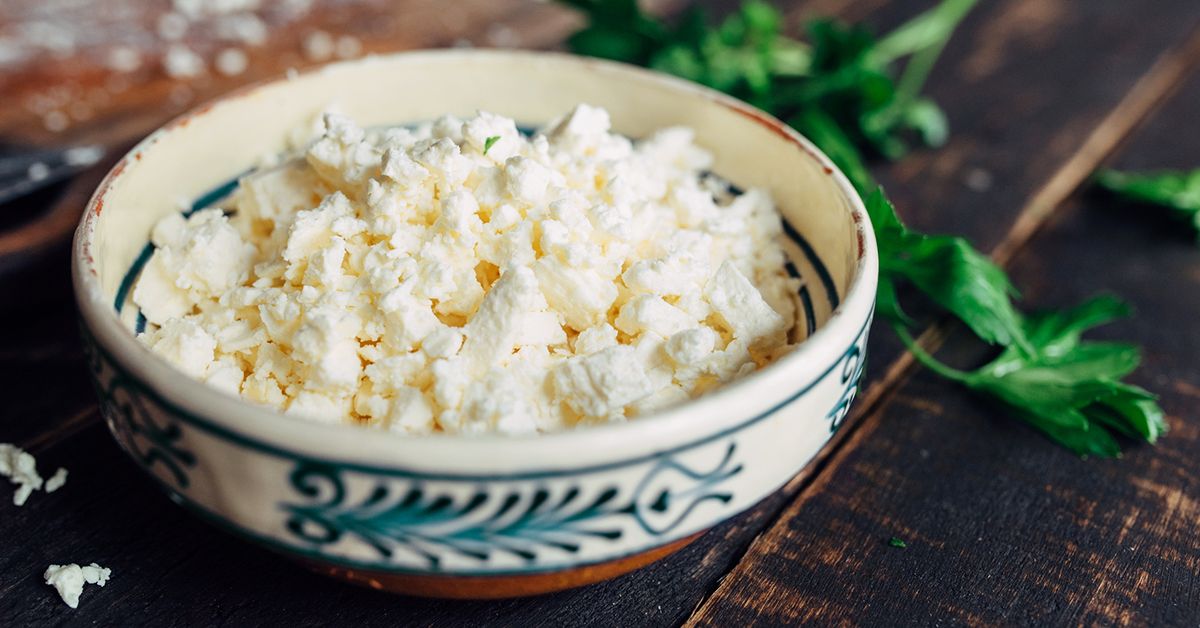
Cheese has a reputation for being the delicious troublemaker of the dairy aisle. It brings protein, calcium, vitamin B12, phosphorus, and serious flavor to the table, but some varieties also arrive carrying plenty of saturated fat and sodium. In other words, cheese is not automatically a health food, nor is it a nutritional villain wearing a tiny wax rind.
The healthiest types of cheese generally offer a useful balance of protein, calcium, flavor, and manageable calories. Some stand out because they are naturally lower in sodium. Others are so flavorful that a small serving can satisfy your taste buds without turning dinner into an accidental cheese festival.
Nutrient content varies considerably by variety, serving size, milk-fat percentage, aging process, and brand. Still, cheese can fit comfortably into a balanced diet when portions are sensible and the rest of the meal includes vegetables, fruit, whole grains, legumes, or other fiber-rich foods. USDA food-composition data and major U.S. health organizations recognize cheese as a source of protein and calcium while recommending attention to sodium and saturated fat.
What Makes One Cheese Healthier Than Another?
There is no scientifically crowned “healthiest cheese” that wins every category. The best choice depends on what your body and diet need. Someone seeking a high-protein breakfast may benefit from cottage cheese, while a person monitoring sodium may prefer Swiss cheese. Someone who wants maximum flavor from a tiny amount might reach for Parmesan or blue cheese.
Protein and calcium
Cheese is a concentrated source of milk protein. Protein supports muscle maintenance, tissue repair, enzymes, hormones, and fullness after meals. Many cheeses also provide substantial calcium, which supports bones, teeth, muscle contraction, nerve signaling, and other essential functions. Dairy products remain a major source of calcium in American diets.
Saturated fat
Full-fat cheese can contribute a meaningful amount of saturated fat. The current Dietary Guidelines for Americans advise keeping saturated fat below 10% of total daily calories, while the American Heart Association recommends an even lower limit for people trying to reduce LDL cholesterol. That does not mean cheese must disappear from the refrigerator. It means serving size and overall dietary pattern matter.
Sodium
Salt improves flavor, controls moisture, and helps preserve cheese, so sodium can climb quickly in feta, Parmesan, blue cheese, processed slices, and some cottage cheeses. The FDA Daily Value for sodium is 2,300 milligrams, and comparing labels is often more useful than assuming every product within one cheese category is nutritionally identical.
Portion size and flavor
A standard serving of natural cheese is often about one ounce, roughly the size of a pair of dice or a small thumb-sized wedge. Fresh cheeses such as cottage cheese and ricotta are typically eaten in larger volume-based servings. Stronger varieties can make portion control easier because a tablespoon of finely grated Parmesan may deliver more flavor than a thick layer of mild cheese.
Quick Nutrition Comparison
The figures below are approximate typical values. Exact nutrition depends on the product, moisture level, milk-fat percentage, and serving weight, so check the Nutrition Facts label when sodium, calories, or saturated fat are important to you. The ranges are based primarily on USDA food-composition information and clinical nutrition resources.
| Cheese | Typical Serving | Calories | Protein | Key Advantage |
|---|---|---|---|---|
| Cottage cheese, 2% | 1/2 cup | About 90 | 12–14 grams | High protein for relatively few calories |
| Part-skim mozzarella | 1 ounce | 80–90 | 6–7 grams | Balanced protein, calcium, and calories |
| Part-skim ricotta | 1/2 cup | About 170 | About 14 grams | Creamy texture with protein and calcium |
| Swiss | 1 ounce | 105–115 | 7–8 grams | Often lower in sodium than other aged cheeses |
| Parmesan | 1 ounce | About 110 | About 10 grams | Concentrated protein, calcium, and flavor |
| Feta | 1 ounce | About 75 | About 4 grams | Bold flavor with fewer calories than many hard cheeses |
| Soft goat cheese | 1 ounce | 75–100 | 5–6 grams | Tangy flavor and easy portioning |
| Cheddar | 1 ounce | 110–120 | About 7 grams | Protein, calcium, vitamin B12, and versatility |
| Blue cheese | 1 ounce | 95–105 | About 6 grams | Intense flavor encourages smaller servings |
1. Cottage Cheese
Cottage cheese earns a place near the top because it provides a generous amount of protein without the calorie density of many hard cheeses. A half-cup serving of low-fat cottage cheese commonly supplies around 12 to 14 grams of protein, making it especially convenient for breakfast, snacks, and post-workout meals.
Its mild flavor works with both sweet and savory ingredients. Try it with berries, peaches, cinnamon, tomatoes, cucumber, cracked pepper, or chopped herbs. Blending cottage cheese creates a smooth base for dips, pasta sauces, scrambled eggs, and even pancake batter.
The catch is sodium. Some products contain more than 400 milligrams per serving, so compare brands and look for reduced-sodium varieties. Cleveland Clinic notes that low-fat cottage cheese delivers protein, calcium, phosphorus, selenium, and other nutrients, but sodium can still be significant.
2. Part-Skim Mozzarella
Part-skim mozzarella is one of the most balanced cheeses for everyday use. It provides protein and calcium while generally containing fewer calories and less saturated fat than many full-fat hard cheeses. Individually wrapped mozzarella sticks also make portion control wonderfully uncomplicated. No food scale, no geometry, no mysterious wedge that somehow becomes half a block.
Use mozzarella with sliced tomatoes, basil, fruit, whole-grain crackers, roasted vegetables, egg dishes, or homemade pizza. Fresh mozzarella contains more moisture and may have a different nutrition profile than low-moisture part-skim mozzarella, so the labels are not interchangeable.
People with lactose intolerance may tolerate aged cheese better than fresh mozzarella because fresh cheeses retain more lactose. Individual tolerance varies, so symptoms are a better guide than optimistic guesswork.
3. Part-Skim Ricotta
Ricotta is creamy enough to feel indulgent but can be surprisingly nutritious, particularly when made with part-skim milk. It supplies protein and calcium and can replace heavier cream-based ingredients in both sweet and savory recipes.
Spread ricotta on whole-grain toast and add berries, sliced pears, or tomatoes. Spoon it into oatmeal, layer it into vegetable lasagna, or whip it with lemon zest and herbs for a quick dip. Because ricotta is mild, it accepts almost any flavor without starting an argument.
Choose part-skim ricotta when you want to reduce saturated fat. Check the serving size carefully, since the soft texture makes it easy to scoop far more than intended. Ricotta may also contain more lactose than aged cheeses, which matters for people who are particularly sensitive.
4. Swiss Cheese
Swiss cheese combines protein and calcium with a nutritional advantage that often gets overlooked: many Swiss varieties are relatively low in sodium compared with feta, blue cheese, Parmesan, or processed cheese.
One ounce commonly provides 7 to 8 grams of protein and more than 200 milligrams of calcium. Its nutty flavor works well in sandwiches, egg dishes, salads, and vegetable gratins. Thin slices can provide broad coverage on a sandwich, proving that strategic cheese engineering is a legitimate kitchen skill.
Aged Swiss is also naturally low in lactose, making it easier to tolerate for some people with lactose intolerance. It is still a full-fat cheese, however, so saturated fat remains worth considering.
5. Parmesan
Parmesan is a nutrition-and-flavor concentrate. It is rich in protein and calcium, and its intense savory taste means a small quantity can transform vegetables, soups, pasta, eggs, beans, and whole grains.
Rather than covering a meal with several ounces of mild cheese, try finishing it with one or two tablespoons of finely grated Parmesan. You receive the salty, umami-rich experience while keeping the portion controlled.
Parmesan is aged, so it contains very little lactose and may be better tolerated than fresh dairy products. The main drawback is sodium: a full ounce can contain more than 400 milligrams. Treat Parmesan as a seasoning rather than an unlimited snack, especially if you are managing high blood pressure.
6. Feta
Feta delivers a bold, tangy flavor for roughly 75 calories per ounce, making it lighter in calories than many hard cheeses. A small amount can wake up salads, roasted vegetables, grain bowls, omelets, lentils, watermelon, or whole-grain toast.
Because feta is stored in brine, sodium is its major limitation. Some people rinse feta briefly under water to remove surface brine, although the reduction will vary. Reduced-fat versions can lower saturated fat, but they are not necessarily lower in sodium.
Feta is a smart choice when it replaces a larger serving of another rich topping rather than joining several salty ingredients in the same meal. Pair it with vegetables, beans, olive oil, and whole grains instead of processed meats and salty dressings.
7. Goat Cheese
Soft goat cheese has a creamy texture and tangy flavor that can make a modest serving feel substantial. It contributes protein, vitamin A, and minerals while typically containing around 75 to 100 calories per ounce, depending on the product.
Crumble it over roasted beets, leafy greens, lentils, pears, or whole-grain flatbread. Whipping goat cheese with plain yogurt or herbs creates a flavorful spread that requires less cheese per serving.
Goat cheese is sometimes advertised as universally easier to digest, but it still contains lactose and milk proteins. A person with lactose intolerance may tolerate it differently from someone with a true milk allergy. Anyone with a diagnosed milk allergy should not assume goat milk cheese is safe without medical guidance.
8. Aged Cheddar
Cheddar provides high-quality protein, calcium, phosphorus, vitamin B12, and a flavor that becomes sharper as it ages. The sharpness can be useful: extra-sharp cheddar usually satisfies with a thinner slice or smaller handful than mild cheddar.
Use grated cheddar as an accent for beans, broccoli, baked potatoes, chili, eggs, or whole-grain quesadillas. Pairing it with high-fiber foods creates a more complete meal than eating cheese and crackers alone.
Cheddar is higher in saturated fat than cottage cheese, part-skim mozzarella, or reduced-fat ricotta. Aged cheddar is generally low in lactose, but portion size still matters for calories and saturated fat.
9. Blue Cheese
Blue cheese might seem like an unexpected selection, particularly if its aroma reaches the room before the plate does. Its advantage is intensity. A tablespoon or two can provide enough flavor for an entire salad, steak, roasted vegetable dish, or grain bowl.
Blue cheese offers protein and calcium, and it is commonly lower in lactose because of fermentation and aging. However, it can be high in sodium and saturated fat, so it is healthiest when used as a concentrated flavoring rather than the main event.
Some cultured cheeses may contain beneficial microorganisms, but the presence and survival of live cultures differ by production method and product. Cheese should not automatically be treated as a probiotic supplement unless the manufacturer specifically identifies live cultures.
How to Choose a Healthier Cheese at the Store
Compare equal serving sizes
One label may list nutrition for one ounce, another for two tablespoons, and another for a single slice. Compare equal weights whenever possible. Otherwise, a smaller listed serving can make an ordinary product look suspiciously angelic.
Check sodium first
Sodium can vary dramatically between brands of cottage cheese, feta, mozzarella, and sliced cheese. The FDA considers 5% Daily Value or less low and 20% or more high for an individual nutrient.
Choose natural cheese more often
Natural varieties such as mozzarella, Swiss, cheddar, goat cheese, and Parmesan usually have a simpler ingredient list than processed cheese products. Processed slices are convenient, but some contain additional sodium, emulsifying salts, and other ingredients.
Let flavor do the work
Sharp cheddar, aged Parmesan, feta, goat cheese, and blue cheese can deliver strong flavor in smaller portions. Grating, crumbling, or slicing cheese thinly distributes it across more bites.
Do not ignore the rest of the plate
Cheese has virtually no fiber. Combine it with vegetables, fruit, beans, lentils, or whole grains rather than making it the nutritional center of every meal.
Who Should Be More Careful With Cheese?
People with high blood pressure or heart disease may need to prioritize lower-sodium cheeses and monitor saturated fat. Those with chronic kidney disease may receive individualized limits for sodium, phosphorus, protein, or dairy products. The National Kidney Foundation notes that many cheeses are high in phosphorus and sodium, although lower-phosphorus choices may fit some kidney-friendly meal plans.
People with lactose intolerance can often tolerate some fermented or aged cheeses because much of the lactose has been removed or broken down. Hard cheeses such as Parmesan, Swiss, and aged cheddar may be easier to digest than fresh ricotta or mozzarella, although tolerance differs from person to person.
Pregnant people, adults 65 and older, and individuals with weakened immune systems should pay particular attention to food safety. CDC guidance recommends choosing appropriate pasteurized cheeses and avoiding higher-risk unpasteurized dairy products because of possible Listeria contamination.
Real-World Experiences and Lessons From Eating Healthier Cheese
The biggest lesson from everyday meal planning is that the name of the cheese matters less than how it is used. A “healthy” cheese can become a calorie-heavy meal when portions expand unchecked, while a richer cheese can fit beautifully when used as a small finishing ingredient.
Strong flavors make smaller servings satisfying
Consider two bowls of roasted vegetables. One is buried under a thick blanket of mild cheese. The other receives a tablespoon of Parmesan, feta, or blue cheese spread evenly across the top. The second bowl may taste just as satisfying because every bite contains a little saltiness and umami. Grating or crumbling cheese increases its surface area, creating more flavor coverage without requiring a larger serving.
Protein-rich cheese works best when the meal needs protein
Cottage cheese is particularly useful on busy mornings. A bowl with berries, walnuts, and cinnamon takes only a few minutes and generally provides more protein than toast with butter or a pastry. The protein helps the meal feel substantial, while fruit and nuts add fiber, texture, and unsaturated fats.
The savory version works just as well: cottage cheese with tomatoes, cucumber, pepper, herbs, and whole-grain toast. Blending it into a smooth dip can also make the texture more appealing to people who are not enthusiastic about curds.
The Nutrition Facts label often delivers surprises
Two containers of the same type of cheese can have very different sodium levels. This is especially common with cottage cheese and feta. Reduced-fat cheese can also contain more sodium than expected because manufacturers may adjust seasoning to maintain flavor. “Lower fat” and “lower sodium” describe different nutritional features; one does not guarantee the other.
Pairings determine whether cheese improves the meal
Cheese paired with vegetables, beans, fruit, or whole grains can add protein, calcium, and flavor to an already nutrient-dense meal. Cheese paired primarily with processed meat, refined crackers, creamy sauce, and extra salt creates a very different nutritional package.
A practical lunch might combine lentils, leafy greens, tomatoes, cucumbers, whole grains, olive oil, and a small amount of feta. The feta contributes flavor and creaminess, while most of the meal’s volume comes from fiber-rich foods. That structure is generally more balanced than building lunch around several ounces of cheese.
Pre-portioned cheese reduces accidental overeating
String cheese, mini mozzarella portions, and individually wrapped cheddar can be convenient when portion control is difficult. With a large block, “just one slice” has a curious tendency to become several uneven slices plus a final piece eaten while putting the block away.
Pre-portioning cheese at home produces the same benefit without relying on individually packaged products. Cut a block into one-ounce servings, store them in a sealed container, and pair one portion with fruit or vegetables for a quick snack.
Digestive tolerance is personal
Someone who feels uncomfortable after drinking milk may still tolerate Parmesan, Swiss, or aged cheddar. Another person may react to even a small amount of dairy. Testing modest portions one at a time can reveal more than assuming every cheese will produce the same result. Persistent digestive symptoms should be discussed with a healthcare professional rather than managed through endless refrigerator experiments.
The healthiest cheese is the one that fits the whole diet
Cottage cheese may be ideal when protein is the priority. Swiss may be useful when sodium is a concern. Parmesan or feta can be excellent when a small flavor boost is needed. There is no requirement to select one winner and remain loyal to it like a sports team. Variety makes it easier to match the cheese to the meal, nutrition goal, and desired portion.
Conclusion
The nine healthiest types of cheese include cottage cheese, part-skim mozzarella, part-skim ricotta, Swiss, Parmesan, feta, goat cheese, aged cheddar, and blue cheese. Each earns its place for a different reason, from high protein and calcium to lower sodium, modest calories, or powerful flavor that works in small amounts.
The smartest approach is not to ask whether cheese is universally good or bad. Compare labels, watch sodium and saturated fat, use appropriate portions, and pair cheese with fiber-rich foods. When those habits are in place, cheese can add useful nutrition and genuine enjoyment to a balanced eating patternbecause healthy food is allowed to taste like something.
Note: Nutrition values vary by brand and preparation. People managing kidney disease, cardiovascular conditions, milk allergy, pregnancy-related food-safety risks, or other medical concerns should follow guidance from their physician or registered dietitian.