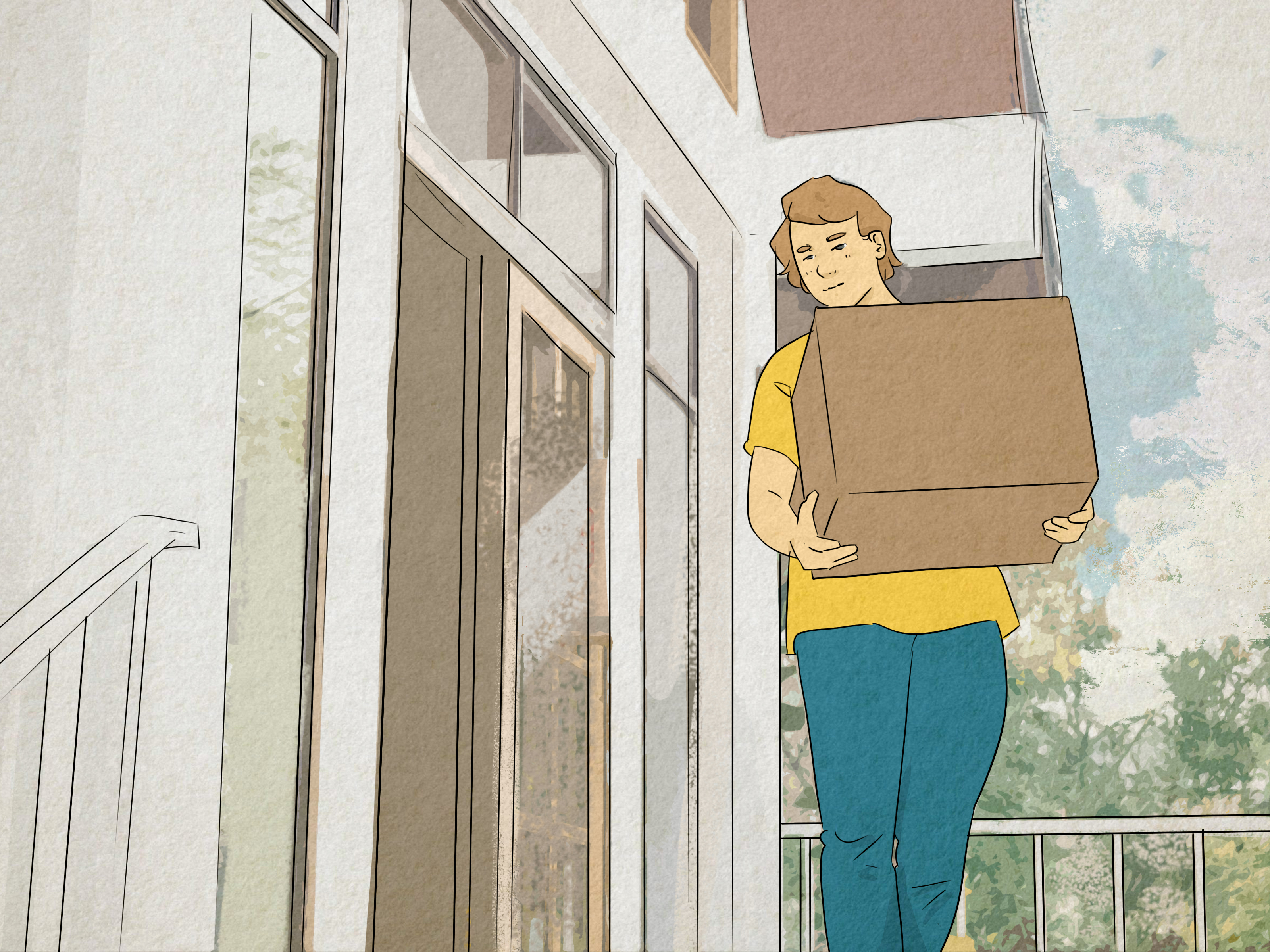
Breaking up is already emotionally messy. Breaking up with someone who may not have a place to stay? That can feel like trying to fold a fitted sheet during a thunderstorm: technically possible, emotionally suspicious, and likely to involve a lot of deep breathing.
Still, a difficult breakup does not mean you must stay in a relationship that no longer works. Compassion matters, but so do safety, boundaries, housing laws, and your own mental health. The goal is not to toss someone into chaos or become their full-time rescue department. The goal is to end the relationship honestly while giving the other person a reasonable path toward support.
This guide explains how to break up with someone who doesn’t have a place to stay in a way that is thoughtful, clear, and realistic. It covers emotional preparation, housing options, safety planning, legal caution, what to say, what not to promise, and how to avoid being pulled back into a relationship out of guilt.
Start with the Truth: Housing Is Serious, but It Is Not a Relationship Contract
When someone depends on your home, money, or stability, it can blur the line between love and obligation. You may think, “If I leave, where will they go?” That is a human question. It means you have empathy. But empathy is not the same as consent to continue a relationship.
A relationship should not survive only because one person has nowhere else to sleep. That turns the partnership into emergency housing with awkward eye contact. If you are staying only because you feel responsible for their survival, the relationship has already shifted into something unhealthy.
Before you speak to them, write down your core truth in one sentence. For example:
- “I care about you, but I do not want to continue this romantic relationship.”
- “I am willing to help you plan your next step, but I cannot keep living as your partner.”
- “This breakup is final, even though I want the transition to be as calm as possible.”
That sentence becomes your anchor. When emotions rise, guilt knocks, or your ex starts negotiating like they are buying a used car, return to your anchor.
Check for Safety First
Before planning the breakup conversation, ask yourself a serious question: could this person become aggressive, controlling, threatening, or unsafe when you end things?
If the relationship has involved intimidation, stalking, physical violence, sexual pressure, financial control, threats, or extreme jealousy, do not treat the breakup like an ordinary conversation over coffee. Make a safety plan first. That may mean speaking in a public place, having a trusted person nearby, arranging transportation, keeping important documents secure, or leaving before the breakup message is delivered.
If you live together and feel unsafe, consider contacting a domestic violence hotline, local advocacy center, trusted adult, school counselor, legal aid group, or emergency services. Safety planning is especially important because leaving or ending a relationship can be one of the most volatile moments in an abusive situation.
If your partner threatens to harm you, themselves, or someone else, do not try to handle it alone. Contact emergency services or a crisis professional. You can care about someone without becoming the only person responsible for a crisis.
Understand the Housing Situation Before You Make Promises
One of the biggest mistakes people make is promising a move-out deadline before understanding the legal and practical situation. Housing rules vary by state, city, lease type, and whether the person is considered a tenant, roommate, guest, subtenant, spouse, or co-owner.
If They Are on the Lease
If your partner is on the lease, you usually cannot simply tell them to leave because the relationship is over. They may have equal rights to stay in the unit. You may need to talk with the landlord, review the lease, consider a lease transfer, negotiate who stays, or speak with a tenant attorney.
If They Are Not on the Lease
If they are not on the lease but have been living there, receiving mail, paying rent, or staying for a long time, they may still have some legal protections depending on local law. That means changing the locks, throwing out their belongings, or removing them without notice could create legal problems. Yes, even if they left dirty socks in your kitchen like a raccoon with laundry privileges.
If They Are a Guest
If they have only stayed briefly as a guest, the process may be simpler, but it is still wise to get local advice before taking action. A short call to a local legal aid office, tenant hotline, or attorney can prevent a breakup from turning into a courtroom episode nobody ordered.
If You Own the Home
Owning the home does not automatically mean you can remove someone instantly if they have established residency. Local laws still matter. If safety is not an immediate issue, get guidance before setting hard deadlines or taking physical action.
Separate Compassion from Over-Responsibility
It is kind to care where they will go. It is not healthy to become their landlord, therapist, parent, financial sponsor, emotional punching bag, and emergency shelter manager all at once.
A compassionate breakup sounds like this:
“I know housing is stressful, and I do not want to make this harder than it has to be. I can share resources and discuss a reasonable transition plan. But I am ending the romantic relationship.”
An over-responsible breakup sounds like this:
“You can stay as long as you need, I will keep paying for everything, and we can pretend nothing changed until you feel ready.”
The second version may feel kinder in the moment, but it often creates confusion, resentment, and emotional whiplash. Clear boundaries are not cruelty. They are guardrails.
Create a Practical Transition Plan
Before the conversation, gather a short list of realistic housing resources. You do not need to solve everything, but you can reduce panic by pointing toward options.
Possible Resources to Suggest
- Calling 211 for local emergency housing, shelter, food, utilities, and social services.
- Contacting trusted family members or friends for a temporary stay.
- Looking for short-term roommate listings through safe, reputable channels.
- Speaking with a local housing nonprofit or community action agency.
- Contacting legal aid if lease rights, eviction rules, or domestic violence protections may apply.
- Checking whether their employer, school, church, or community group knows of temporary housing support.
- Exploring emergency assistance programs for rent, deposits, transportation, or food.
Keep the list short. A 47-page spreadsheet of resources may look impressive, but a person in crisis is more likely to use three clear options than a digital encyclopedia titled “Good Luck Out There.”
Choose the Right Time and Place
If the relationship is not dangerous, choose a private but calm setting where both of you can talk. Avoid breaking up right before work, during a family event, after drinking, or while one of you is driving. Nobody needs a breakup at 65 miles per hour.
If you live together, consider having the first conversation somewhere neutral, such as a quiet park or public space, especially if emotions may escalate. If you feel unsafe, do not meet alone. You can end the relationship by phone, message, or with support nearby if that is the safest option.
Use Clear Language, Not a Fog Machine
When someone has nowhere to stay, you may be tempted to soften the breakup so much that it becomes unclear. Avoid phrases like:
- “Maybe we just need space.”
- “I don’t know what will happen later.”
- “Let’s see how things feel after you find a place.”
- “I still love you, so maybe this is not really over.”
Those statements may feel gentle, but they can accidentally invite negotiation. Use direct language instead:
“I have decided to end our romantic relationship. I know the housing situation makes this complicated, and I want to talk about a transition plan. But my decision about the relationship is final.”
That sentence is calm, honest, and hard to misinterpret. It does not attack them. It does not list every flaw since 2021. It also does not leave the door open just because the couch is still occupied.
Offer a Reasonable Timeline, Not an Endless One
If it is legal and safe for them to stay temporarily, set a specific timeline. The length depends on your situation, lease, safety, finances, and local law. For some people, a few days is appropriate. For others, it may be a few weeks. If the person has tenant rights, formal notice or legal steps may be required.
Use practical language:
“I can agree to a transition period until [date], as long as we both follow house boundaries. During that time, we need to sleep separately, divide expenses clearly, and focus on your next housing plan.”
Then put the agreement in writing. This does not have to be dramatic. A simple text or email confirming the date, expectations, and next steps can reduce confusion later.
Set House Rules During the Transition
If they remain in the home temporarily, boundaries are essential. Without boundaries, the transition period can quietly become Relationship Limbo, population: two exhausted people and one confused houseplant.
Boundaries May Include:
- Sleeping in separate spaces.
- No romantic or sexual contact.
- No arguing late at night.
- No entering each other’s rooms without permission.
- No using shared finances without agreement.
- No bringing new dates home during the transition.
- Clear expectations about rent, groceries, utilities, chores, and move-out steps.
These rules are not punishment. They protect both people from confusion and emotional backsliding.
Do Not Use Housing as a Weapon
Even if you are hurt, avoid humiliating them, threatening homelessness during arguments, or announcing the breakup in front of others. You can be firm without being cruel.
Do not say:
“You have nothing without me.”
Say:
“This living arrangement needs to change. Let’s discuss the next steps calmly.”
There is a big difference between ending a relationship and using someone’s housing insecurity to crush them. Choose the version of yourself you can respect later.
Also, Do Not Let Housing Become Emotional Blackmail
On the other side, your partner may use housing insecurity to pressure you into staying. They may say, “If you loved me, you wouldn’t do this,” or “I’ll be homeless and it’ll be your fault.”
That can be painful to hear. But their housing problem does not cancel your right to end the relationship. You can respond with compassion and firmness:
“I understand this is scary. I am willing to help you contact resources today. But I am not continuing the relationship.”
Repeat as needed. You do not need a fresh speech every time. Boundaries love reruns.
Protect Your Money and Documents
Breakups involving shared housing can get financially tangled. Before or soon after the conversation, review:
- Joint bank accounts.
- Shared credit cards.
- Rent payments.
- Utility bills.
- Streaming accounts, phone plans, and subscriptions.
- Car titles, insurance, and shared loans.
- Important documents such as passports, IDs, birth certificates, and lease papers.
Change passwords if needed, but do not take or destroy their property. Keep records of payments and agreements. If shared finances are complicated, talk to a professional or legal aid organization.
When Children, Pets, or Shared Property Are Involved
If you share children, pets, furniture, vehicles, or major financial obligations, do not rely on hallway arguments to settle everything. Make a written list of what must be decided. For children, focus on safety, routine, school, transportation, and legal custody guidance. For pets, discuss care, expenses, and who can provide the most stable home.
With shared property, do not try to resolve everything in one emotional conversation. Break the process into categories: housing, finances, belongings, pets, and communication. Adulting is annoying, but categories help.
What to Say: A Simple Breakup Script
Here is a clear script you can adapt:
“I need to talk about something difficult. I have decided to end our romantic relationship. I know your housing situation makes this more complicated, and I do not want to ignore that. I am willing to discuss a transition plan and help you identify resources, but I need to be clear that the relationship is over. I think we should talk about where you can stay, what timeline is realistic, and what boundaries we need while this changes.”
If they argue:
“I hear that you are upset. I am not here to debate the breakup. I am here to discuss the next steps respectfully.”
If they panic:
“Let’s focus on the next 24 hours first. Who can you call? What resources can we contact? Where can you safely stay tonight?”
If they insult you:
“I am willing to continue this conversation when we can speak respectfully. I am going to take a break now.”
After the Breakup: Keep Communication Practical
Once the breakup happens, shift communication from emotional processing to logistics. That means fewer late-night talks about “what went wrong” and more messages like, “The landlord can speak at 3 p.m.” or “The moving boxes are in the hallway.”
Good post-breakup communication is brief, specific, and boring. Boring is underrated. Boring does not throw a mug or reopen a three-hour debate about your vacation from two summers ago.
If possible, keep communication in writing. Texts and emails create a record and reduce the chance of conversations spiraling.
Common Mistakes to Avoid
Letting Guilt Reverse the Breakup
You can feel sad and still be done. You can worry about them and still leave. Guilt is not always a moral compass; sometimes it is just your nervous system banging a saucepan.
Promising More Than You Can Give
Do not promise money, housing, transportation, or emotional availability unless you can truly provide it without resentment or harm to yourself.
Starting a New Relationship in the Same House
If your ex is still living with you temporarily, bringing a new partner into the home is usually a fast train to chaos. Keep the home as calm and practical as possible until the transition is complete.
Ignoring Legal Rights
Even if the breakup is emotionally final, housing rights may still exist. Check local rules before changing locks, removing belongings, shutting off utilities, or forcing someone out.
Trying to Be Their Only Support System
Encourage them to contact friends, family, housing agencies, legal aid, counselors, or community organizations. A wider support network is healthier for both of you.
When You Need to Leave Instead
Sometimes the safest or simplest option is for you to leave, at least temporarily. This may be true if your partner has legal rights to the home, if conflict is escalating, or if staying together is harming your mental health.
If you leave, take important documents, medications, keys, chargers, bank cards, and essential personal items. Tell a trusted person where you are. If abuse is involved, speak with an advocate before announcing your plans.
Real-World Experiences and Lessons from This Kind of Breakup
People who have gone through this kind of breakup often describe the same emotional knot: they knew the relationship was over, but the housing situation made them feel trapped. One person might say, “I stopped being a partner and became a shelter.” Another might say, “Every time I tried to end it, they reminded me they had nowhere else to go, and I folded like a lawn chair.” These experiences are common because housing insecurity raises the emotional stakes. Nobody wants to feel responsible for someone sleeping in a car, calling every friend they know, or scrambling for a shelter bed.
The first lesson is that delay rarely makes the breakup easier. Waiting another month may feel merciful, but if there is no plan, the same problem simply reappears wearing a different sweater. A better approach is to move from vague hope to practical structure. Instead of saying, “Stay until you figure it out,” say, “We need to create a plan by Friday and review realistic options.” Structure turns panic into tasks.
The second lesson is that mixed signals create more pain than honesty. Many people keep hugging, sleeping in the same bed, sharing meals like nothing changed, or saying “I love you” because they feel bad. The result is usually confusion. The person without housing may believe the relationship can still be saved, while the person ending it feels increasingly resentful. Clear boundaries may feel harsh for one day, but unclear boundaries can hurt for months.
The third lesson is that outside help matters. A breakup like this should not happen inside a sealed emotional bubble. Friends, family, housing workers, legal aid, therapists, school counselors, domestic violence advocates, landlords, or community organizations may all play a role depending on the situation. Bringing in outside support reduces pressure on the person ending the relationship and gives the person facing housing instability more than one option.
The fourth lesson is that compassion works best with limits. For example, you might help them make three calls, share a list of local resources, allow a short transition period if safe and legal, or help pack belongings. But you do not have to provide unlimited money, unlimited time, or unlimited emotional access. A healthy limit sounds like, “I can help you call 211 today, but I cannot keep discussing whether we are breaking up.”
The fifth lesson is that safety beats politeness. If someone reacts with intimidation, threats, stalking, or explosive anger, the priority is not having the “perfect” breakup conversation. The priority is getting support and staying safe. Some breakups need witnesses, distance, legal guidance, or emergency help. That does not make you dramatic. It makes you realistic.
Finally, people often discover that they can be kinder than they feared and stronger than they expected. Ending a relationship with someone who has nowhere to stay is not about becoming cold. It is about refusing to confuse love with self-abandonment. You can say, “I hope you find support,” and still mean, “I am no longer your partner.” That is not selfish. That is a boundary with a backbone.
Final Thoughts
Breaking up with someone who doesn’t have a place to stay requires more planning than a typical breakup. You need emotional clarity, safety awareness, legal caution, and practical resources. But the heart of the matter is simple: you are allowed to end a relationship that is no longer right for you.
Be honest. Be calm. Be specific. Offer resources when appropriate, but do not promise a life raft you cannot safely provide. If the situation involves abuse, threats, tenant rights, shared leases, or children, get professional support before making big moves.
The kindest breakup is not always the softest one. Sometimes the kindest breakup is clear, respectful, well-planned, and firm enough that both people can begin the next chapter without living in emotional fog.
Note: This article provides general U.S.-oriented information for educational purposes only. It is not legal, housing, mental health, or emergency advice. Local laws and safety needs vary, so readers should contact local legal aid, housing services, domestic violence advocates, or emergency services when needed.