Note: This guide is written for adult Tinder users ages 18 and older. Tinder is an adults-only dating platform, and its preference tools are designed to help eligible users control who they see, how far they search, and how visible their profile is.
Introduction: Your Tinder Preferences Are the Steering Wheel
Changing your preferences on Tinder sounds like a tiny tasktap a few buttons, drag a slider, and boom, romance is optimized. In reality, those settings can dramatically change the profiles you see, the people who see you, and how focused or chaotic your swiping experience feels. Think of Tinder preferences like the GPS in your car: if the destination is vague, you may still get somewhere, but it might involve three wrong turns, a suspicious gas station, and a lot of “How did I end up here?” energy.
Tinder’s main matching controls live inside Discovery Settings. This is where adult users can adjust search preferences such as distance, age range, gender preferences, and related visibility settings. Separately, the profile editing area lets you update information such as photos, bio, interests, lifestyle tags, relationship goals, languages, gender, and sexual orientation. Together, these tools help shape your experience on the app.
This guide explains how to change your preferences on Tinder in 9 steps, what each setting actually does, and how to avoid common mistakeslike setting your distance so narrow that your only potential match is someone standing next to the vending machine downstairs.
What Are Tinder Preferences?
Tinder preferences are the settings that influence which profiles appear in your Discovery feed. These can include age range, maximum distance, gender preferences, sexual orientation options, location-based settings, and whether your profile appears to new people. Preferences do not guarantee a perfectly filtered experience every single time, but they give Tinder strong instructions about what you want to see.
There is also a difference between search preferences and profile preferences. Search preferences affect the people you see. Profile preferences affect how you present yourself. For example, changing your maximum distance is a Discovery preference. Updating your relationship goals or interests is a profile edit. Both matter, but they live in slightly different places inside the app.
How to Change Your Preferences on Tinder: 9 Steps
1. Open the Tinder App or Tinder.com
Start by opening Tinder on your iPhone, Android device, or browser. Make sure you are logged into the correct account. This sounds obvious, but if you manage multiple logins, phone numbers, or social sign-in methods, it is surprisingly easy to adjust settings on the wrong account and then wonder why your dating life suddenly resembles a software bug.
Using the latest version of the app is also a good idea. Tinder regularly updates menus, icons, and features. If a setting seems missing, check your app store for updates before assuming the button has gone into witness protection.
2. Tap the Profile Icon
Once Tinder is open, tap the profile icon. This usually appears on the main navigation screen. Your profile area is the control room for most account-level settings, including Discovery Settings, profile edits, subscriptions, and privacy options.
If you are using Tinder on the web, the layout may look slightly different from the mobile app, but the idea is the same: go to your account or profile area first. From there, you can access the settings that shape your recommendations.
3. Go to Settings
Inside your profile area, select Settings. This is where Tinder keeps the tools that affect your matching experience. You may see account options, notification settings, payment or subscription details, safety tools, and Discovery controls.
Do not confuse Settings with Edit Profile. Settings helps control who you see and how the app behaves. Edit Profile helps control what other people see about you. Both are useful, but for changing Tinder preferences, Settings is usually your first stop.
4. Scroll to Discovery Settings
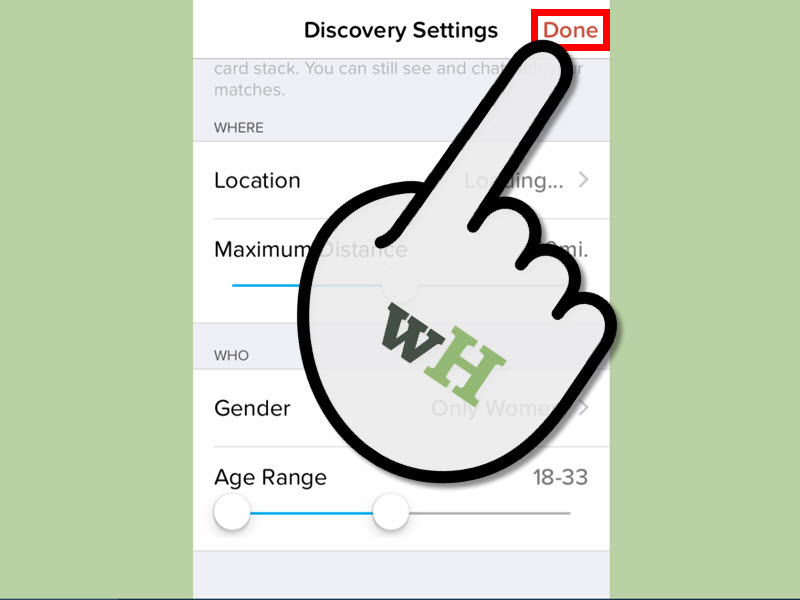
Next, scroll until you find Discovery or Discovery Settings. Discovery is the part of Tinder where profiles appear for you to Like or Nope. In plain English, this is where Tinder decides who gets invited to the little swipe parade on your screen.
Discovery Settings may include controls for age range, distance, gender preferences, and other options depending on your location, app version, and account type. Some features may vary by region, and not every user sees the exact same menu.
5. Adjust Your Maximum Distance
The maximum distance setting tells Tinder how far away potential matches can be. If you live in a dense city, a smaller radius may still show plenty of profiles. If you live in a rural area, a narrow distance setting can make Discovery feel like a very quiet waiting room.
For example, someone in New York City might set a smaller distance because there are many nearby users. Someone in a small town may need to expand the radius to see more profiles. A practical approach is to start with a comfortable range, then widen it if Tinder stops showing new people.
Some Discovery Settings may include a toggle related to whether Tinder can show people slightly outside your selected distance. If you want stricter control, look for any “dealbreaker” or similar toggle beneath the distance slider. If you are open to occasional exceptions, leaving it flexible may increase the number of profiles you see.
6. Change Your Age Range
The age range slider controls the ages of people you want to see in Discovery. Choose a range that reflects your actual dating comfort zone, not a random number selected because it “seems fine.” Preferences work best when they are honest and intentional.
If you are seeing too few profiles, a very narrow age range may be one reason. Widening the range slightly can help. If you are seeing profiles outside your preferred age range, return to Discovery Settings and double-check your sliders. Tinder may also include a dealbreaker-style toggle that affects whether people slightly outside your selected range can appear.
One important note: your own age is different from your age preference. Tinder generally does not let users freely edit their age after account creation. If an adult user entered the wrong birthdate, they may need to follow Tinder’s official account or age-verification process.
7. Update Gender Preferences and Sexual Orientation Settings
Tinder allows users to manage gender-related profile information and Discovery preferences. In Discovery Settings, you may be able to choose which genders you want to see. In Edit Profile, you can update how your own gender or sexual orientation appears, depending on the options available in your region.
To edit your own profile details, go to your profile, tap the pencil icon or Edit Profile, then look for fields such as Gender or Sexual Orientation. Tinder may allow users to choose from broad categories and additional identity options. You can also control whether certain information appears publicly on your profile.
This is worth reviewing carefully. Your Discovery preferences affect your recommendations, while your profile details affect how you present yourself. If your settings feel mismatched, check both areas instead of changing only one.
8. Edit Profile Details That Influence Better Matches
Preferences are not only about sliders. Your profile also sends signals. Tinder lets users edit details such as photos, bio, interests, lifestyle tags, relationship goals, languages, job, school, city, gender, and sexual orientation. These fields help other users understand whether they might be compatible with you.
For instance, if your relationship goal says you are looking for something long-term, but your bio reads like a mysterious fortune cookie, people may not know what to make of you. Clear profile details help attract better-aligned matches. You do not need to write your autobiography. A few specific details are usually better than a vague sentence like “Just ask.” Spoiler: many people will not ask.
Use interests and lifestyle tags honestly. If you select hiking because you once walked uphill to retrieve a food delivery, that may create expectations you are not prepared to meet. The best Tinder profile preferences are realistic, current, and specific enough to start a conversation.
9. Save, Test, and Adjust Again
After changing your Tinder preferences, return to Discovery and see how your recommendations change. Do not judge the results after three swipes. Give the app a little time to refresh your card stack and show a broader sample of profiles.
If you are still not seeing the right people, try three simple fixes: widen your distance slightly, adjust your age range, or review your gender preferences. If profiles seem wildly off from your settings, log out and back in. If the issue continues, updating or reinstalling the app may help resolve technical glitches.
Changing Tinder preferences is not a one-time ritual performed under a full moon. Your life changes. Your location changes. Your dating goals change. Your settings should change with them.
How to Hide Your Profile Without Deleting Tinder
If you want a break from swiping, you do not necessarily need to delete your account. Tinder allows users to turn off Discovery. When Discovery is off, your profile is not shown as a recommendation to new people. You can still view and chat with existing matches, but you will not appear in the regular card stack for new users.
To do this, open Tinder, tap the profile icon, go to Settings, scroll to Discovery, and look for the option that controls whether you are shown on Tinder. Turn it off if you want privacy or a pause. Keep in mind that people you already Liked may still see your profile and potentially match with you later.
How Location Preferences Work on Tinder
Tinder is location-based, so distance preferences matter. Your regular Discovery results are influenced by your actual or selected location. Some paid subscriptions include Passport Mode, which lets users change their location and browse profiles in another city.
Passport Mode can be useful if you are moving, traveling, or curious about dating in another area. For example, if an adult user is relocating from Chicago to Austin, they might use Passport Mode to get a feel for the dating scene before arriving. However, location preferences should be used responsibly. Avoid sharing exact travel plans, hotel addresses, or daily routines with strangers.
Common Problems When Changing Tinder Preferences
You Are Still Seeing People Too Far Away
Check your maximum distance and any toggle that allows Tinder to show people slightly outside your selected range. If the range looks correct but profiles are still far away, log out and back in or reinstall the app.
You Are Not Seeing Enough Profiles
Your preferences may be too narrow. Increase your distance, widen your age range, or review your gender preferences. Also, make sure Discovery is turned on. It is difficult to meet new people when your profile is politely hiding behind the digital curtains.
Your Profile Details Feel Outdated
Go to Edit Profile and refresh your bio, photos, interests, relationship goals, and lifestyle tags. A profile from three years ago may not represent who you are today. If your bio still says “new to town” and you now know every coffee shop within five miles, it is time for an update.
You Cannot Edit Your Age or Name
Tinder generally treats name and age as fixed account details after sign-up. If those details are incorrect, adult users should follow Tinder’s official help process rather than trying random workarounds.
Best Practices for Better Tinder Preferences
Start broad, then narrow your settings. If your preferences are too strict from the beginning, Tinder may have fewer profiles to show. Once you understand the type of people appearing in your Discovery feed, you can refine your settings.
Use your bio to support your preferences. If your relationship goal is serious dating, say something that reflects that. If you are more casual, be honest but respectful. Good preferences help Tinder show you better profiles; good profile details help the right people understand you faster.
Protect your privacy. Avoid sharing personal information such as your home address, workplace details, financial information, or daily routine. Preferences can improve your app experience, but good judgment protects your real life.
Real-World Experience: What Changing Tinder Preferences Actually Feels Like
Changing Tinder preferences can feel oddly powerful at first. You move one slider, tap one toggle, and suddenly the app behaves differently. Many users notice the biggest change when they adjust distance. A five-mile radius in a large city can feel lively and focused. The same five-mile radius in a quiet suburb can feel like the app has fallen asleep in a hammock. That does not mean Tinder is broken. It usually means the settings need to match the local dating pool.
Age range is another setting where small changes can make a noticeable difference. A narrow range may create a more focused experience, but it can also limit Discovery. A slightly wider range may introduce people with different lifestyles, schedules, or expectations. The trick is not to make the range as wide as possible. The trick is to make it wide enough to be realistic while still respecting your actual comfort zone.
Gender preferences and orientation settings can also affect the quality of recommendations. Some users update one area but forget the other. For example, they may edit their profile identity but not review who they want to see in Discovery. Others change Discovery preferences but leave profile details vague or outdated. The result is a mismatch between what the app shows and what the profile communicates. A quick review of both Settings and Edit Profile often solves that problem.
Another common experience is the “why am I seeing people outside my preferences?” moment. This can happen when Tinder has fewer recommendations within your selected range or when flexible preference toggles allow occasional exceptions. Before assuming the algorithm has developed a rebellious personality, check the dealbreaker-style options under your sliders. If strict filtering matters to you, those toggles are worth reviewing.
Profile updates often matter more than people expect. A clear relationship goal, a fresh bio, and a few accurate interests can improve the type of conversations you receive. If your profile says almost nothing, matches have to work harder to start a conversation. If your profile gives a few easy hooksfavorite weekend activity, music taste, pet situation, food obsession, travel stylepeople have something to respond to besides “hey.” And while “hey” is technically a word, it is not exactly Shakespeare arriving with flowers.
The best experience comes from treating Tinder preferences as adjustable, not permanent. Review them when you move, travel, change dating goals, or feel stuck. A few minutes in Settings can make Discovery feel more relevant, less random, and much easier to manage.
Conclusion: Better Preferences Create a Better Tinder Experience
Learning how to change your preferences on Tinder is simple, but using those preferences well takes a little thought. Open Tinder, go to your profile, enter Settings, scroll to Discovery, and adjust your distance, age range, gender preferences, and related controls. Then review your profile details so your bio, interests, relationship goals, and identity settings match the experience you actually want.
The goal is not to “hack” Tinder. The goal is to make the app less noisy and more useful. Good preferences help you see more relevant profiles. Good profile details help relevant people understand you faster. Put the two together, and Tinder becomes less like shouting into a crowded room and more like walking into the right conversation.