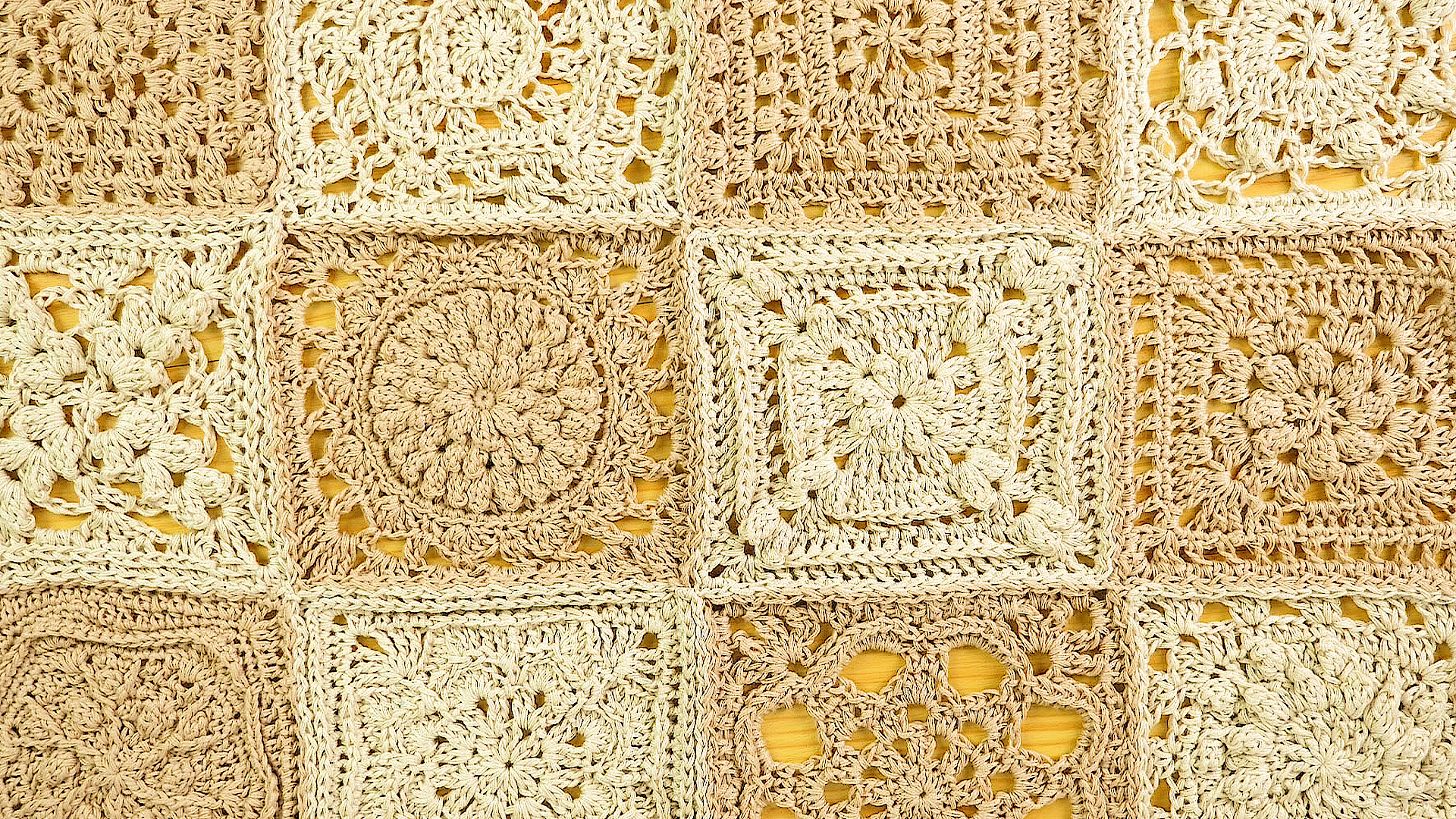
The crochet popcorn stitch is what happens when ordinary yarn decides it wants a little drama. Instead of lying flat like a polite little double crochet, the popcorn stitch pops forward with a rounded, raised texture that looks playful, cozy, and slightly smug about how cute it is. It is a favorite stitch for blankets, baby projects, scarves, bags, pillow covers, holiday garlands, textured sweaters, and anywhere else you want your crochet fabric to say, “Yes, I have personality.”
If you already know how to make a chain, single crochet, and double crochet, you are more than ready to learn how to crochet popcorn stitch. The technique is simple: you work several stitches into the same stitch, remove your hook, insert it into the first stitch of that group, grab the dropped loop, and pull it through. That little move gathers the stitches together and creates the famous 3D bump. Fancy? Yes. Difficult? Not really. Your hook may act dramatic the first time, but we will keep it under control.
This guide explains the popcorn stitch in 8 clear steps using standard American crochet terms. You will also learn how to read popcorn stitch abbreviations, avoid common mistakes, place popcorn stitches evenly, and use this textured crochet stitch in real projects without accidentally creating a lumpy yarn asteroid field.
What Is a Crochet Popcorn Stitch?
A crochet popcorn stitch is a raised textured stitch usually made by crocheting five double crochet stitches into the same stitch, then joining the first and last double crochet together at the top. This pulls the group into a rounded bump that sits on the surface of the fabric. In many patterns, the stitch is abbreviated as pc, pop, or popcorn.
The standard popcorn stitch is commonly made with five double crochets, but that number is not carved into a stone tablet guarded by yarn elves. Some patterns use three double crochets for a smaller popcorn, four for a medium bump, or seven for an extra-puffy texture. You may also see popcorn stitches made with half double crochet, single crochet, or treble crochet depending on the pattern and the desired look.
Popcorn Stitch vs. Bobble Stitch vs. Puff Stitch
Crocheters often confuse popcorn, bobble, and puff stitches because all three create raised texture. They are cousins, but not identical twins. A popcorn stitch is made with several complete stitches worked into the same stitch, then joined together. A bobble stitch is usually made with several partially completed stitches that are finished together at the end. A puff stitch is made by pulling up several tall loops and closing them together.
The popcorn stitch tends to look more defined and rounded, almost like a tiny crochet bead. Bobbles are squishier and often pop to the opposite side of the work. Puff stitches are softer and more cloud-like. If the bobble is a marshmallow and the puff is whipped cream, the popcorn stitch is the crunchy snack at the craft table.
Materials You Need
You do not need a special yarn or magical hook to practice the popcorn stitch. For beginners, medium-weight yarn and a comfortable hook are the easiest combination because the stitches are visible and the fabric is not too tight.
- Yarn: Worsted weight yarn, also labeled medium weight or size 4, is ideal for learning.
- Hook: Use the hook size recommended on your yarn label, often around 5 mm or H-8 for worsted weight yarn.
- Scissors: For trimming yarn tails when your practice swatch is finished.
- Yarn needle: For weaving in ends.
- Stitch markers: Optional, but useful if you are still learning to identify the first double crochet in the popcorn group.
Common Crochet Abbreviations
Most popcorn stitch patterns use abbreviations, so it helps to know the basic terms before you start. These are written in standard U.S. crochet terminology.
- ch: chain
- st: stitch
- sc: single crochet
- dc: double crochet
- pc: popcorn stitch
- yo: yarn over
- rep: repeat
How to Crochet Popcorn Stitch: 8 Steps
The following tutorial teaches the classic five-double-crochet popcorn stitch. Practice slowly at first. Once your hands understand the rhythm, the stitch becomes smooth, fun, and dangerously addictive.
Step 1: Make a Foundation Chain
Start by making a foundation chain. For a small practice swatch, chain 17 or 21 stitches. A flat base row makes it easier to place your popcorn stitches neatly, so work one row of single crochet before adding texture. Insert your hook into the second chain from the hook and make one single crochet in each chain across. Turn your work.
This first row gives your popcorn stitches a stable platform. Think of it as building a stage before the tiny yarn performers arrive.
Step 2: Chain and Prepare the Row
Chain 1 to begin the next row. This turning chain usually does not count as a stitch in a simple popcorn practice swatch. Make one single crochet in the first stitch. This creates a clean edge and gives your popcorn stitch a little breathing room.
Many popcorn stitch patterns alternate single crochet stitches with popcorn stitches. The single crochet stitches help separate the bumps so each popcorn has space to stand out. Without that spacing, your fabric may look crowded, like everyone tried to sit on the same couch.
Step 3: Work Five Double Crochets into One Stitch
Yarn over, insert your hook into the next stitch, yarn over again, and pull up a loop. Yarn over and pull through two loops, then yarn over and pull through the last two loops. That is one double crochet. Now make four more double crochets into the same stitch, for a total of five double crochets in one place.
At this stage, your work may look more like a fan or shell than a popcorn. That is normal. The magic happens when you close the stitch.
Step 4: Pull Up the Active Loop
Gently pull the loop on your hook upward so it becomes larger. This prevents the loop from slipping out while you remove the hook. Do not yank it into a giant yarn noodle; just make it big enough to stay safe for a moment.
This is the part where beginners sometimes panic because removing the hook feels illegal. It is not. The crochet police are not coming. You are doing exactly what the popcorn stitch requires.
Step 5: Remove the Hook and Insert It into the First Double Crochet
Carefully remove your hook from the enlarged loop. Count back to the first double crochet in the group of five. Insert your hook from front to back through the top of that first double crochet.
If finding the first double crochet feels confusing, place a stitch marker in the top of the first double crochet before making the remaining four. After a few repeats, your eyes will learn where to look, and the marker can retire with dignity.
Step 6: Grab the Dropped Loop
With your hook inserted into the first double crochet, place the dropped loop back onto your hook. Keep the loop relaxed, but do not twist it. Twisted loops can make the popcorn look uneven and may cause the top of the stitch to sit awkwardly.
This step joins the beginning and end of the double crochet group. You are basically giving the stitch a little belt so it can puff forward neatly.
Step 7: Pull the Loop Through
Pull the dropped loop through the top of the first double crochet. The five double crochet stitches will gather together and form a rounded bump. Gently tighten the loop if needed. Some patterns ask you to chain 1 after closing the popcorn stitch, while others do not. Always follow the pattern instructions, because that chain may count as the top of the popcorn in later rows.
Push the popcorn gently toward the right side of the fabric with your finger. The raised bump should sit proudly on the front of your work. If it pops to the back, nudge it forward. Crochet is handmade, which means a little friendly persuasion is allowed.
Step 8: Continue Across the Row
After completing the popcorn stitch, make one single crochet in the next stitch to secure it and create spacing. Then repeat the sequence across the row: single crochet, popcorn stitch, single crochet, popcorn stitch. End with a single crochet if your stitch count allows.
Turn your work and make a plain row of single crochet if you want the popcorn stitches to stand out more clearly. Many textured patterns alternate popcorn rows with plain rows because it keeps the fabric flexible and prevents the surface from becoming too bulky.
A Simple Popcorn Stitch Practice Pattern
Use this small swatch to practice the stitch before adding it to a bigger project. It is quick, beginner-friendly, and does not require counting beyond a level that makes your coffee nervous.
Practice Swatch Instructions
- Foundation: Chain 17.
- Row 1: Single crochet in the second chain from the hook and in each chain across. Turn.
- Row 2: Chain 1. Single crochet in the first stitch. *Make one popcorn stitch in the next stitch, single crochet in the next stitch.* Repeat from * to * across. Turn.
- Row 3: Chain 1. Single crochet in each stitch across. Turn.
- Row 4: Chain 1. Single crochet in the first two stitches. *Make one popcorn stitch in the next stitch, single crochet in the next stitch.* Repeat across, adjusting the end as needed. Turn.
- Repeat: Continue alternating plain single crochet rows with popcorn rows until your swatch is the size you want.
By offsetting the popcorn stitches on different rows, you create a scattered texture that works beautifully for blankets, washcloths, and cushion covers.
Tips for Making Better Popcorn Stitches
Use Consistent Tension
Popcorn stitches look best when your tension is even. If your double crochets are too tight, the popcorn may struggle to puff. If they are too loose, the stitch may look floppy. Aim for relaxed control, not a wrestling match with the yarn.
Do Not Skip the First Stitch
The first double crochet in the group is important because it is where you close the popcorn. If you insert your hook into the wrong stitch, the popcorn may twist or lean. Beginners can use a stitch marker until identifying the first double crochet becomes automatic.
Give Each Popcorn Enough Space
Popcorn stitches add bulk, so they need room. Separating them with single crochet stitches helps the texture look intentional. When popcorn stitches are packed too closely, the fabric can become stiff and heavy.
Check the Right Side of Your Work
Most popcorn stitches are designed to pop out on the right side of the fabric. Before continuing, check that the bump is facing the direction you want. If it has popped to the wrong side, gently push it forward.
Common Mistakes and How to Fix Them
The Popcorn Stitch Looks Flat
If your popcorn stitch looks flat, your double crochets may be too tight, or you may have pulled the closing loop too firmly. Try loosening your tension slightly when making the five double crochets. You can also push the bump forward with your finger after closing it.
The Dropped Loop Slips Out
Before removing your hook, pull the active loop a little taller. This gives you enough room to reinsert the hook without losing the loop. Working slowly at first helps prevent accidental unraveling.
The Stitch Count Changes
Popcorn stitches can make stitch counting tricky because several double crochets are worked into one stitch but usually count as one completed stitch. Count the tops of your stitches at the end of each row. If your edges start leaning like a tired bookshelf, check whether you added or skipped stitches near the popcorns.
The Fabric Feels Too Bulky
Popcorn stitches naturally create thickness. If the fabric feels too heavy, use fewer popcorn stitches, place them farther apart, or try a smaller popcorn made with three or four double crochets instead of five.
Best Projects for Crochet Popcorn Stitch
The popcorn stitch is perfect when you want visible texture. It works especially well in projects where the raised bumps can become part of the design rather than just decoration sprinkled randomly like confetti at a yarn party.
- Baby blankets: Popcorn stitches add soft, playful texture, especially in simple stripe or dot patterns.
- Throw pillows: Raised stitches create a modern, handmade surface that looks great on home decor.
- Scarves and cowls: Use popcorn rows sparingly for texture without too much bulk.
- Market bags: Popcorn stitches can add decorative detail to panels or borders.
- Flowers and appliques: Small popcorn stitches make lovely petals, berries, and decorative centers.
- Holiday garlands: Popcorn texture can mimic berries, snowballs, or old-fashioned popcorn strands.
- Dishcloths and washcloths: The raised texture can add gentle scrubby interest, depending on the yarn used.
How to Customize the Popcorn Stitch
Change the Number of Double Crochets
A five-double-crochet popcorn is the classic version, but you can adjust the size. Three double crochets create a smaller, subtle bump. Seven double crochets create a bold, puffy popcorn that stands out dramatically. For lightweight yarn, more stitches may help the texture show. For thick yarn, fewer stitches may be enough.
Try a Single Crochet Popcorn
A single crochet popcorn is smaller and tighter. It is often made by working several single crochets into the same stitch, removing the hook, inserting it into the first single crochet, grabbing the dropped loop, and pulling it through. This version is useful for small details, toys, appliques, or patterns where a full double crochet popcorn would be too large.
Use Color Changes
Popcorn stitches look especially charming when worked in a contrasting color. Imagine white popcorn dots on a blue blanket, red berries on a green holiday garland, or cream-colored texture on a neutral pillow. Color makes the raised stitch even more visible.
Experiment with Placement
You can arrange popcorn stitches in straight lines, diagonal patterns, checkerboards, diamonds, hearts, flowers, or random scattered designs. For a clean look, plan the spacing before you begin. For a playful look, scatter them like yarn freckles.
Experience Notes: What Crocheters Learn After Making Popcorn Stitch
The first thing most crocheters discover about the popcorn stitch is that it looks harder than it is. From the outside, it seems like an advanced technique because the finished texture is bold and dimensional. In practice, the stitch is built from basic double crochet. The only unusual part is removing the hook and pulling the active loop through the first stitch. Once that motion clicks, the popcorn stitch becomes one of those techniques you want to add to everything. Suddenly a plain blanket looks too plain. A simple scarf starts begging for texture. Even a humble dishcloth begins whispering, “Give me bumps.”
One useful experience-based tip is to slow down when closing the popcorn. Many beginners rush the moment after removing the hook, which can cause the loop to slip or twist. The better approach is calm and boring, which is not glamorous but works beautifully. Pull the loop slightly taller, remove the hook, insert the hook into the first double crochet, grab the loop, and pull it through. That little pause makes the stitch cleaner.
Another lesson is that yarn choice matters. Smooth, light-colored yarn makes learning easier because you can see each double crochet clearly. Dark yarn, fuzzy yarn, or heavily textured yarn can hide the tops of the stitches, turning the first popcorn row into a detective novel. Once you are comfortable, popcorn stitches can look wonderful in plush or novelty yarns, but for practice, choose a yarn that behaves itself.
Popcorn stitches also teach you about balance. A few popcorns can make a project look rich and thoughtful. Too many can make the fabric heavy, stiff, or busy. For baby blankets, a spaced dot pattern often works better than covering every row with raised stitches. For pillows, dense popcorn texture can be beautiful because structure is welcome. For scarves, use popcorn details carefully so the fabric still drapes comfortably around the neck.
Blocking can improve popcorn stitch projects, but it should be done gently. Heavy blocking may flatten the texture, especially if you press the fabric too aggressively. Instead, shape the project lightly, smooth the background stitches, and let the popcorns keep their raised form. The goal is tidy texture, not pancake popcorn.
The popcorn stitch is also excellent for building confidence. It introduces a small technical challenge without overwhelming the crocheter. After learning it, many people feel ready to try bobbles, puffs, clusters, cables, and other textured crochet stitches. In that way, popcorn stitch is more than a decorative bump. It is a gateway stitch: small, cheerful, and quietly responsible for many future yarn adventures.
Conclusion
Learning how to crochet popcorn stitch is a simple way to add big personality to your crochet projects. With just five double crochets, one dropped loop, and a quick pull-through, you can create a raised stitch that brings blankets, pillows, scarves, bags, flowers, and home decor to life. The key is to keep your tension even, identify the first double crochet clearly, and give each popcorn enough space to shine.
Once you have practiced the 8 steps, try experimenting with smaller popcorns, larger popcorns, color changes, and different stitch layouts. The popcorn stitch may look fancy, but it is beginner-friendly, versatile, and delightfully fun. It is proof that crochet texture does not have to be complicated to look impressive. Sometimes all your yarn needs is a little pop.
SEO Tags
Note: This article is written in original, publication-ready American English and synthesizes established crochet teaching practices from reputable craft education resources, yarn brands, and crochet tutorial publishers.