Eating Indian food with your hands may look effortless when someone else does it. They tear a piece of roti, scoop up dal, add a little pickle, and somehow deliver a perfect bite without turning dinner into a finger-painting class. Then you try it, and suddenly your rice has formed an escape committee.
Good news: learning how to eat Indian food with your hands is not about being perfect. It is about respect, cleanliness, confidence, and enjoying the meal the way many Indian families have enjoyed it for generations. In many parts of India, food is designed to be touched, mixed, scooped, folded, and balanced. Your fingers are not just tools; they help you feel texture, temperature, and the right ratio of bread, rice, curry, vegetables, yogurt, and chutney.
This guide explains the etiquette, practical technique, common mistakes, and real-life dining tips you need to eat Indian food with your hands gracefully. Or at least gracefully enough that your naan does not file a complaint.
Why Do People Eat Indian Food with Their Hands?
Eating with hands is common in many food cultures, including South Asian, Middle Eastern, African, and Latin American traditions. In Indian dining, the practice is closely tied to comfort, hospitality, sensory enjoyment, and cultural habit. It is not a lack of table manners. In many settings, it is the table manner.
Indian food often includes flatbreads such as roti, chapati, paratha, poori, and naan. These breads naturally work like edible spoons. They tear, fold, scoop, pinch, and carry sauces beautifully. Rice dishes, dals, curries, sabzis, chutneys, and yogurt can also be combined by hand to create balanced bites.
Touch matters. Your fingers help you judge whether food is too hot, too dry, too saucy, or ready for the perfect bite. A spoon can deliver food to your mouth, but it cannot tell you that the rice needs one more drop of dal or that the curry is still hotter than the sun’s emotional support candle.
The Golden Rule: Use Your Right Hand
In traditional Indian dining etiquette, the right hand is used for eating. The left hand is generally avoided when touching food, especially shared food, because it has historically been associated with personal hygiene. Even today, using the right hand is considered polite in many Indian homes, restaurants, and cultural settings.
If you are left-handed, this may feel awkward at first. You do not need to panic or announce your hand preference like a courtroom confession. Simply practice using your right hand for picking up food. In casual modern settings, especially outside India, people may be flexible, but following the right-hand rule shows respect and cultural awareness.
Can You Use Your Left Hand at All?
Yes, but carefully. Your left hand can hold a glass, pass a serving dish, or steady a bowl if needed. Try not to use it to touch food directly, especially from a shared plate. If you are eating with hosts, watch what they do. Indian dining etiquette can vary by family, region, religion, and personal habit, so observation is your quiet superhero power.
Start with Clean Hands
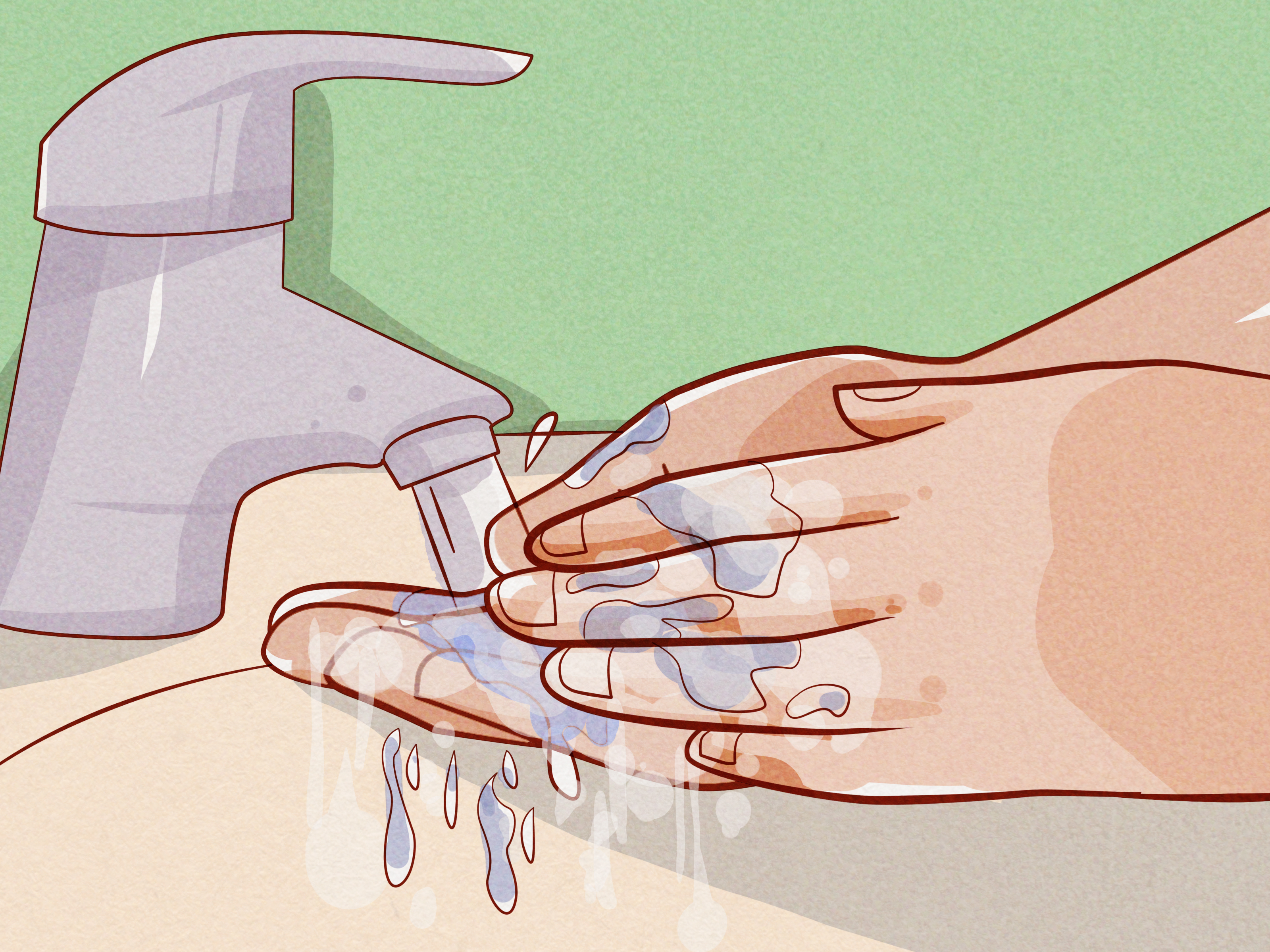
Before eating Indian food with your hands, wash your hands thoroughly with soap and water. This is not optional. It is the difference between “cultural appreciation” and “public health side quest.” Clean hands are central to the practice.
Many Indian restaurants and homes encourage handwashing before and after meals. Some restaurants may provide finger bowls, wet towels, or a sink nearby. If nothing is available, use hand sanitizer as a backup, but washing with soap and water is better when possible.
Use Your Fingertips, Not Your Whole Hand
One of the biggest misconceptions about eating Indian food with your hands is that you grab food with your entire palm. Not quite. The goal is to use your fingertips neatly. Ideally, food should stay mostly on the tips of your fingers, not travel up your palm like it is hiking to base camp.
Use your thumb, index finger, middle finger, and ring finger to gather, pinch, fold, or scoop food. The thumb is especially important because it helps push food from your fingers into your mouth. Your palm should remain relatively clean. If your wrist is wearing more curry than your plate, slow down and take smaller bites.
How to Eat Indian Bread with Your Hands
Indian breads are the easiest place to begin. If you are new to hand-eating, start with roti, naan, chapati, or paratha because they behave like friendly edible utensils.
Step 1: Tear a Small Piece
Use your right hand to tear off a bite-sized piece of bread. If the bread is large or stretchy, you may briefly use your left hand to help tear, but try to keep the food-handling action mostly with the right hand.
Step 2: Fold It into a Scoop
Fold the bread slightly between your fingers so it forms a small pocket. This little bread scoop is perfect for picking up dal, curry, paneer, vegetables, or chutney.
Step 3: Pinch the Food
Use the folded bread to pinch or scoop a small amount of food. Do not overload it. A heroic mountain of butter chicken on a tiny piece of naan is not confidence; it is engineering risk.
Step 4: Eat the Bite Cleanly
Bring the bite to your mouth and eat it without licking your fingers. Your fingers guide the food; they do not need to enter your mouth. This keeps the meal neat and respectful.
How to Eat Rice and Curry with Your Hands
Rice can be trickier than bread, but once you understand the method, it becomes surprisingly natural. The secret is mixing small portions, not attacking the whole plate at once.
Step 1: Mix a Small Area
Take a small amount of rice and mix it with dal, curry, yogurt, sambar, rasam, or another sauce. Do this in one section of your plate rather than stirring everything together like a culinary tornado. Small mixing gives you control over texture and flavor.
Step 2: Gather the Rice
Use your fingertips to gather the rice into a small mound. The sauce helps the rice stick together. If it falls apart, add a little more dal or curry. If it becomes soup, add more rice. Congratulations, you are now doing delicious math.
Step 3: Use Your Thumb to Push
Pick up the small mound with your fingertips and bring it near your mouth. Use your thumb to gently push the food from your fingers into your mouth. Try not to place your fingers deep into your mouth. The thumb push is the classic move, and yes, it feels weird for about three bites. Then it starts making sense.
How to Eat Dosa, Idli, and South Indian Meals by Hand
South Indian dishes are especially hand-friendly. Dosa, a thin crisp crepe made from fermented batter, is usually torn into pieces and dipped into sambar or chutney. Idli, a soft steamed rice cake, can be broken into smaller pieces and dipped or mixed with sambar. Vada can be torn and dipped as well.
For a traditional banana leaf meal or thali-style meal, small portions of rice, sambar, rasam, curd, vegetables, pickles, and sweets may be arranged separately. Eat in small sections. Combine rice with one sauce or side at a time so each bite has a clear flavor. The beauty of this style is variety: one bite can be tangy, the next creamy, the next spicy, and the next so good you briefly forgive your inbox.
Understanding the Indian Thali
A thali is a complete meal served on a round platter or plate, often with small bowls of different dishes. It may include rice, bread, dal, vegetables, curry, yogurt, pickle, chutney, salad, papad, and dessert. The thali is perfect for eating with hands because it lets you build your own bites.
Start with mild foods if you are unsure about spice levels. Mix rice with dal, then try vegetables with roti, then add a tiny bit of pickle or chutney for extra flavor. Pickles in Indian cuisine can be intense, salty, sour, spicy, and powerful enough to wake up ancestors. Use them like seasoning, not like a side salad.
Common Mistakes to Avoid
Using the Left Hand for Food
This is the most common etiquette mistake. Use your right hand when touching food, especially in traditional settings or when sharing a meal with Indian hosts.
Taking Huge Bites
Small bites are easier to control and more polite. Giant bites lead to spills, sauce drama, and facial expressions that say, “I have made a structural error.”
Licking Your Fingers Constantly
It is fine to enjoy the food, but avoid repeatedly licking your fingers during the meal, especially if you are touching shared dishes or serving spoons. Wait until the end, wash your hands, and keep things tidy.
Touching Shared Food with Eating Fingers
If food is shared, use serving spoons when available. Do not dip fingers you have eaten from into communal dishes. This is good etiquette everywhere, not just at Indian meals.
Mixing the Entire Plate at Once
Mixing is part of the experience, but mix small portions as you go. This keeps flavors distinct and prevents your plate from becoming one mysterious beige situation.
Restaurant Etiquette: What If Everyone Else Uses Forks?
Modern Indian dining is flexible. In many Indian restaurants in the United States, Canada, the United Kingdom, and urban India, diners may use forks, spoons, or hands depending on the dish and setting. There is no need to turn dinner into an authenticity contest.
If you are in a formal restaurant, a buffet, or a business meal, using utensils may be completely appropriate. If you are eating dosa, biryani, roti, or a thali in a casual setting, eating with your hands may feel natural and welcome. When in doubt, watch your host or server. You can also politely ask, “Is it okay if I eat this with my hands?” In most places, the answer will be yes, and possibly accompanied by a smile that says, “Finally, someone understands the naan.”
How to Handle Spicy Food While Eating by Hand
Indian food can range from mild and creamy to spicy enough to make your eyebrows reconsider their career path. Eating with your hands helps you control spice because you can adjust each bite. Add yogurt, raita, rice, or bread to mellow heat. Use chutneys and pickles sparingly until you know their strength.
Do not drink large amounts of water after every spicy bite. Water can spread the heat around. Dairy-based sides such as raita or plain yogurt are often more soothing. Rice and bread also help balance strong flavors.
Regional Differences Matter
India is not one single dining style. Food habits vary widely across regions, families, religions, and occasions. North Indian meals often include flatbreads such as roti, naan, paratha, or kulcha, which are excellent for scooping curries and dals. South Indian meals often include rice, sambar, rasam, curd, dosa, idli, and chutneys. Coastal areas may include fish curries and rice. Gujarati, Bengali, Punjabi, Tamil, Malayali, Goan, Rajasthani, and Hyderabadi meals all have their own rhythms.
This means there is no single “correct” way to eat every Indian dish. The right approach depends on the food in front of you. Bread dishes invite tearing and scooping. Rice dishes invite mixing and thumb-pushing. Snacks like samosas are held directly. Chaats may come with spoons because they are saucy, crunchy, and structurally ambitious.
Practical Step-by-Step Guide for Beginners
- Wash your hands well. Clean hands are the foundation of the meal.
- Sit comfortably. Relax your shoulders and keep your plate close enough to avoid long-distance curry transport.
- Use your right hand. Keep the left hand away from direct food contact when possible.
- Start with bread. Tear a small piece of roti or naan and scoop curry or vegetables.
- Move to rice slowly. Mix a small amount of rice with dal or curry.
- Use your fingertips. Keep food near the fingertips, not the full palm.
- Push with your thumb. For rice, the thumb helps guide food into your mouth.
- Take small bites. Smaller bites are neater and more flavorful.
- Use serving spoons for shared dishes. Keep communal food clean.
- Wash again after eating. Finish fresh, not fragrant.
What to Eat First When Practicing
If you are practicing at home or ordering Indian takeout, choose foods that are easy to handle. Naan with paneer butter masala, roti with dal, paratha with aloo gobi, dosa with chutney, or rice with dal are beginner-friendly. Biryani can be a little trickier because the rice grains are separate, but a small amount of raita can help bind each bite.
Avoid starting with very watery curries, extremely oily dishes, or overloaded plates. Those are advanced levels. Nobody begins piano lessons with a dramatic concert solo; nobody needs to begin hand-eating with rasam and slippery papad under pressure.
Is Eating Indian Food with Hands Hygienic?
Yes, when hands are properly washed and shared dishes are handled correctly. Eating with hands is not automatically unhygienic. Poor hygiene is unhygienic. The same rule applies to forks, spoons, chopsticks, and that one office mug nobody claims but everyone fears.
Wash before eating, avoid touching your phone during the meal, use serving spoons for shared dishes, and wash after eating. If you follow basic cleanliness, eating Indian food with your hands can be neat, respectful, and enjoyable.
Extra Experiences: What It Feels Like to Learn How to Eat Indian Food with Your Hands
The first experience many beginners have is hesitation. You sit in front of a beautiful plate of rice, dal, naan, chutney, vegetables, and maybe a small bowl of raita, and your brain whispers, “We own forks for a reason.” That feeling is normal. Most people who did not grow up eating this way need a few minutes to understand the rhythm.
The first bite with bread is usually the breakthrough. You tear off a piece of naan, fold it slightly, scoop up a bit of curry, and suddenly the whole system makes sense. The bread is not just a side dish. It is a utensil, flavor carrier, texture booster, and edible cleanup crew. A warm piece of naan with a creamy curry can make a fork feel like unnecessary paperwork.
Rice takes more practice. At first, the grains may scatter. You may use too much sauce and create a tiny landslide. You may bring the bite to your mouth and lose half of it on the return flight. This is part of the learning curve. The trick is to mix less than you think you need, use the tips of your fingers, and press the rice gently together. Once you learn the thumb push, the movement becomes smoother. It is almost like learning to use chopsticks: awkward, then acceptable, then oddly satisfying.
Another memorable part of the experience is how much more you notice the food. You feel whether the rice is fluffy, whether the dal is thick, whether the roti is soft, whether the curry is too hot, and whether the pickle should be treated with caution and emotional maturity. Eating with your hands slows you down. You build each bite instead of simply loading a spoon. That small pause can make the meal feel more personal.
Eating with Indian hosts can also be a warm cultural moment. Many hosts are delighted when guests try to eat in the traditional way, especially when the effort is respectful rather than performative. You do not need to be flawless. A good attitude matters more than perfect technique. Smile, ask if you are unsure, and avoid making jokes that treat the custom as strange. The goal is appreciation, not comedy at someone else’s table.
At restaurants, the experience can be liberating. There is something joyful about tearing dosa by hand, dipping it into coconut chutney, and chasing the last bit of sambar with the confidence of someone who has discovered an ancient life hack. It also makes certain dishes taste better because the ratios are under your control. More chutney? Less rice? Extra paneer? You are the architect of every bite.
At home, practicing is easy. Order or cook a simple meal with rice, dal, roti, and one vegetable dish. Wash your hands, put your phone away, and try eating slowly. Expect a little mess the first time. Keep a napkin nearby, but do not wipe your fingers after every single bite or you will spend more time cleaning than eating. By the end, you will understand why so many people find hand-eating comforting and natural.
The biggest lesson is that eating Indian food with your hands is not a trick. It is a relationship with food. You notice temperature before burning your mouth. You mix flavors intentionally. You respect the meal’s design. You become more present. And yes, you also gain the deeply satisfying ability to use naan like a tiny, delicious shovel.
Conclusion
Learning how to eat Indian food with your hands is simple once you understand the basics: wash your hands, use your right hand, rely on your fingertips, take small bites, and match your technique to the dish. Use bread to scoop curries, mix rice with dal or sauce in small portions, and use your thumb to guide each bite. Be respectful of shared dishes, watch your hosts, and remember that Indian dining etiquette can vary across regions and households.
Most importantly, enjoy the experience. Indian food is colorful, fragrant, layered, and wonderfully interactive. Eating with your hands helps you slow down and appreciate every texture and flavor. Start small, stay neat, and let your naan do what it was born to do.