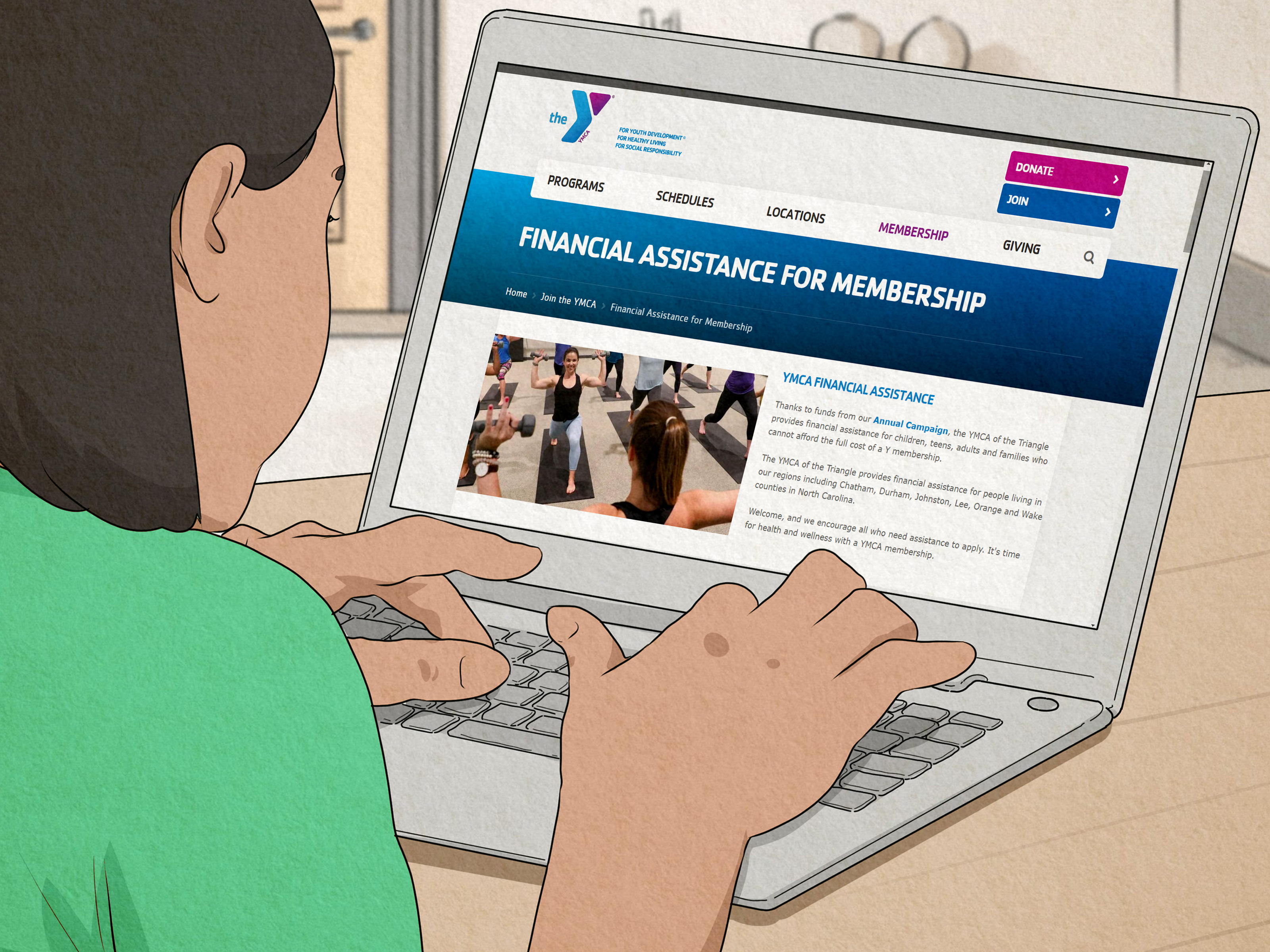
If you have ever looked at a YMCA membership price and thought, “I support community wellness, but my wallet would like to file an objection,” you are not alone. The good news is that getting a free YMCA membership is sometimes possible. The even better news is that getting a heavily discounted one is often very realistic. The trick is knowing where to look, what to ask, and which programs are actually real instead of wishful internet folklore.
Across the United States, many YMCA locations offer financial assistance, sliding-scale memberships, and insurance-based programs that can reduce the cost to zero. Other branches offer short-term guest passes, referral rewards, employer partnerships, or community-specific programs that can cut the price dramatically. In other words, there may not be a magic coupon taped to the elliptical, but there are legitimate ways to make YMCA membership affordable.
This guide breaks down how to get a free YMCA membership, how YMCA financial aid usually works, and what “& more” really means when you are trying to join without wrecking your budget.
Can You Really Get a Free YMCA Membership?
Yes, but usually through one of a few specific routes.
- Financial assistance from your local YMCA: This is the most common route for people with limited income.
- Insurance-based fitness benefits: Many Medicare Advantage and some other health plans include YMCA access at no extra cost.
- Employer or community partnerships: Some Ys partner with companies, health systems, or regional plans.
- Guest passes, referral programs, and local promotions: These may not give you a forever-free membership, but they can buy you free access for a few days, weeks, or even a month.
Here is the big reality check: there is no single national YMCA rulebook for memberships. YMCA of the USA is a national resource office, but local Ys are independently operated. That means your branch sets its own membership rates, financial-aid process, and accepted partner programs. So if you remember only one thing from this article, remember this: your local YMCA is the final boss.
1. Start with YMCA Financial Assistance
If you need a free or deeply discounted YMCA membership, financial assistance should be your first stop. Many YMCA branches describe this as a mission-based program designed to help people participate regardless of income. The wording varies, but the spirit is similar: the Y wants to remove financial barriers when it can.
How YMCA financial aid usually works
Most branches use some version of a sliding scale. Instead of one universal discount, the YMCA looks at factors such as:
- Household income
- Number of people in your household
- Employment status
- Special circumstances
- Available local funding
Some Ys say aid is awarded on a first-come, first-served basis or depends on available funds. Others emphasize that all members receive the same basic membership benefits whether or not they receive assistance. That matters, because nobody wants to feel like they got the “budget treadmill package.”
What documents you may need
Although each branch handles applications differently, many YMCAs ask for documents that verify income and identity. A typical list may include:
- A copy of your most recent federal tax return
- Recent pay stubs
- Social Security, disability, unemployment, or public-assistance documentation
- A government-issued photo ID
- Information about other adults in the household
That sounds a little paperwork-heavy, but it is standard. The YMCA is trying to stretch donor-supported assistance fairly, not audition you for a tax thriller. Gather your documents before you apply and your chances of faster approval usually go up.
How much help can you get?
There is no universal answer. Some people receive a modest discount. Others receive a major reduction. In some cases, the membership may cost little enough to feel practically free. The exact amount depends on the branch, your financial profile, and the funds available at the time.
For example, some YMCA systems openly explain that aid is based on household income and family size, while others add that applicants should expect a confidential review process. A few Ys also quote an approximate response window, often around a week or so, though timelines vary.
How to improve your odds
- Apply directly with your local branch, not a random YMCA in another city.
- Submit every requested document the first time.
- Explain your situation clearly and honestly.
- Ask whether aid covers the join fee, monthly dues, or both.
- Ask whether the assistance must be renewed after a certain period.
Polite honesty works better than elaborate storytelling. “I want to improve my health, but my current income does not allow me to afford standard dues” is a strong sentence. No dramatic soundtrack required.
2. Check Insurance Programs That Can Make YMCA Membership Free
If you are older, retired, on a qualifying plan, or covered through an employer-sponsored benefit, this may be your golden ticket.
First, know the Medicare rule
Original Medicare does not cover gym memberships or fitness programs. However, some Medicare Advantage plans, Medicare Supplement plans, Medicaid-linked plans, and other insurance benefits may include fitness access through partner programs. That is where the YMCA can enter the chat.
Common programs that may include YMCA access
- SilverSneakers
- Renew Active
- One Pass
- Silver&Fit
- FitOn Health
- Active & Fit in some employer or insurer arrangements
Not every YMCA accepts every program, and not every insurance plan includes the same one. Still, many branches around the country now participate in at least one of these options. Some YMCA systems state plainly that eligible members can join at no additional cost, often with $0 join fees.
What enrollment usually looks like
In many cases, you will need to verify eligibility through your insurer first. Then you may be asked to bring:
- Your photo ID
- Your health insurance card
- A confirmation number, member ID, or fitness ID from the program
Some Ys can help verify your eligibility on-site if you bring your insurance card. Others want you to complete the first step online or by phone. Either way, do not assume you can just stroll in and say, “I have Medicare, point me toward the free dumbbells.” There is usually a small enrollment process.
Important fine print
Even when the membership itself is free, the benefits can vary. Some insurance-paid YMCA memberships include full standard access. Others may be limited to certain locations, specific membership types, or local participation rules. Some branches also note that third-party or insurance-paid memberships may not receive every perk tied to standard dues-paying memberships.
So before you sign anything, ask these questions:
- Does this plan cover a full YMCA membership or only certain classes?
- Are there any join fees, annual fees, or upgrade costs?
- Does this include nationwide access?
- What happens if my plan changes?
3. Other Legit Ways to Lower the Costor Get In Free for a While
Financial aid and insurance are the biggest routes, but they are not the only ones.
Employer and corporate partnerships
Some Ys partner with local employers or workplace wellness programs. That can mean discounted monthly dues, waived join fees, or no-cost base memberships through insurer-sponsored employee benefits. If your company offers wellness perks and you have never checked them, this is a great time to stop ignoring HR emails.
Guest passes and trial periods
Many local branches offer a free guest pass or short trial. These are not permanent solutions, but they are useful if you want to test the facilities, buy time while your aid application is being reviewed, or figure out whether the Y fits your schedule. Some locations advertise three-day passes. Others offer seven-day trial access.
Referral programs
A few YMCA branches reward existing members for referring a friend. That can lead to one free month of dues after the new member joins. This obviously does not help if you are not already a member, but it can reduce future costs if you sign up and later bring someone else in.
Regional or managed-care programs
In some markets, Medicaid managed-care plans or regional insurance partners also provide no-cost YMCA access. These programs are highly local. One branch may accept them; another branch three counties away may shrug politely. Always verify with your own Y and your own insurance card.
4. The Fastest Step-by-Step Plan to Get a Free YMCA Membership
- Find your local YMCA branch. Do not start with national assumptions. Start with the branch you would actually use.
- Ask two direct questions: “Do you offer financial assistance?” and “Do you accept insurance-based memberships such as SilverSneakers, Renew Active, One Pass, Silver&Fit, or FitOn Health?”
- Check your insurance card. Call the member-services number on the back and ask whether your plan includes a fitness benefit that can be used at the YMCA.
- Gather your documents. Bring proof of income if applying for aid, and bring your insurance card and any program ID if applying through a health plan.
- Apply in person or by the branch’s preferred method. Some Ys want email forms. Others want you at the membership desk.
- Ask what happens next. Get the review timeline, the amount of any fee due today, and whether the aid must be renewed.
- Ask about temporary access. If approval takes time, ask whether a guest pass or short trial is available while your application is pending.
5. What to Say at the Front Desk
If asking for help makes you nervous, use this simple script:
Hi, I’m interested in joining, but I’m trying to find the most affordable option. Do you offer financial assistance or any no-cost memberships through insurance programs like SilverSneakers, Renew Active, One Pass, Silver&Fit, or FitOn Health? I’d appreciate any guidance on what I qualify for and what documents I should bring.
That is clear, respectful, and efficient. It also saves you from awkwardly inventing a speech in front of a line of people waiting to scan into Zumba.
6. Mistakes to Avoid
- Assuming every YMCA offers the same deal. They do not.
- Only checking the website. Websites help, but the front desk often knows about local options and current promotions.
- Skipping the insurance call. A free benefit is useless if you never activate it.
- Submitting incomplete paperwork. Missing documents can slow everything down.
- Assuming “Medicare” automatically means “free gym.” Original Medicare does not cover it.
- Forgetting to ask about join fees. Sometimes the monthly dues are covered but upgrades or extras are not.
Why the YMCA Route Is Often Worth the Effort
A cheaper gym membership is nice. A free YMCA membership can be even better because the Y is usually more than a room full of machines and one suspiciously intense rowing enthusiast. Many branches include group exercise classes, pools, family programming, social activities, wellness support, and a real community environment. That matters, especially for older adults, families, or anyone trying to build a routine that sticks.
In other words, a YMCA membership can deliver more than access to equipment. It can give structure, social connection, and one less excuse to keep saying, “I’ll start next Monday.”
Experiences People Commonly Have When Trying to Get a Free YMCA Membership
The examples below are composite experiences based on common YMCA application patterns and real branch policies, not endorsements from specific individuals.
A common experience is simple embarrassment at the beginning. Plenty of people assume asking about financial aid will be awkward or intrusive, so they delay it for weeks. Then they finally call, and the conversation turns out to be surprisingly normal. Staff members usually explain the options matter-of-factly, tell the applicant what forms are needed, and move on with their day. The moment that felt emotionally huge often turns out to be just another Tuesday at the membership desk.
Parents often have one of the clearest “aha” moments. They may start by looking for a place to exercise, but once they learn the Y also offers family-oriented benefits, swimming, youth activities, and community programs, the value of membership becomes much bigger. For a family on a tight budget, even a steep discount can make the difference between “not possible” and “we can do this.” The application process may feel annoying for a day, but the result can support everyone in the household.
Older adults often discover the free-membership route through insurance rather than through financial aid. A retiree may assume Medicare covers exercise access automatically, only to learn that the real benefit comes through a Medicare Advantage or supplement-related fitness program. Once they call the insurer, get the confirmation number, and bring a photo ID to the Y, the process becomes much easier than expected. The confusing part is usually the terminology, not the YMCA itself.
Another common experience is surprise over how local everything is. Someone may read that one YMCA offers a seven-day pass, another offers a three-day pass, and another gives one free month for referrals. Then they contact their own branch and discover a different set of promotions. This is why local verification matters so much. The national YMCA name is the same, but the membership details can feel very neighborhood-specific.
People applying for aid also often underestimate the document side of the process. The application can seem easy until the branch asks for tax returns, pay stubs, proof of public assistance, or income information for other adults in the household. The smart move is to prepare everything up front. Applicants who do that usually describe the process as straightforward. Applicants who do not often experience the deeply unglamorous tragedy of emailing “Sorry, I forgot one more file” several times in a row.
Perhaps the most encouraging experience is what happens after approval. People stop thinking only about the price and start focusing on what the membership helps them do: swim more regularly, take a class, recover confidence after a health setback, meet people, or build a routine with fewer barriers. The free or discounted membership becomes less about saving money and more about finally having access. That is the real win.
Conclusion
If you are wondering how to get a free YMCA membership, the smartest answer is not “search harder for a coupon.” It is “ask better questions.” Start with your local Y’s financial assistance program. Then check your insurance for SilverSneakers, Renew Active, One Pass, Silver&Fit, FitOn Health, Active & Fit, or similar wellness benefits. After that, ask about guest passes, employer partnerships, and regional community programs.
The YMCA may not always be free, but for many people it can be far more affordable than expected. And sometimes, with the right plan or the right financial-aid match, it really can cost nothing at all.