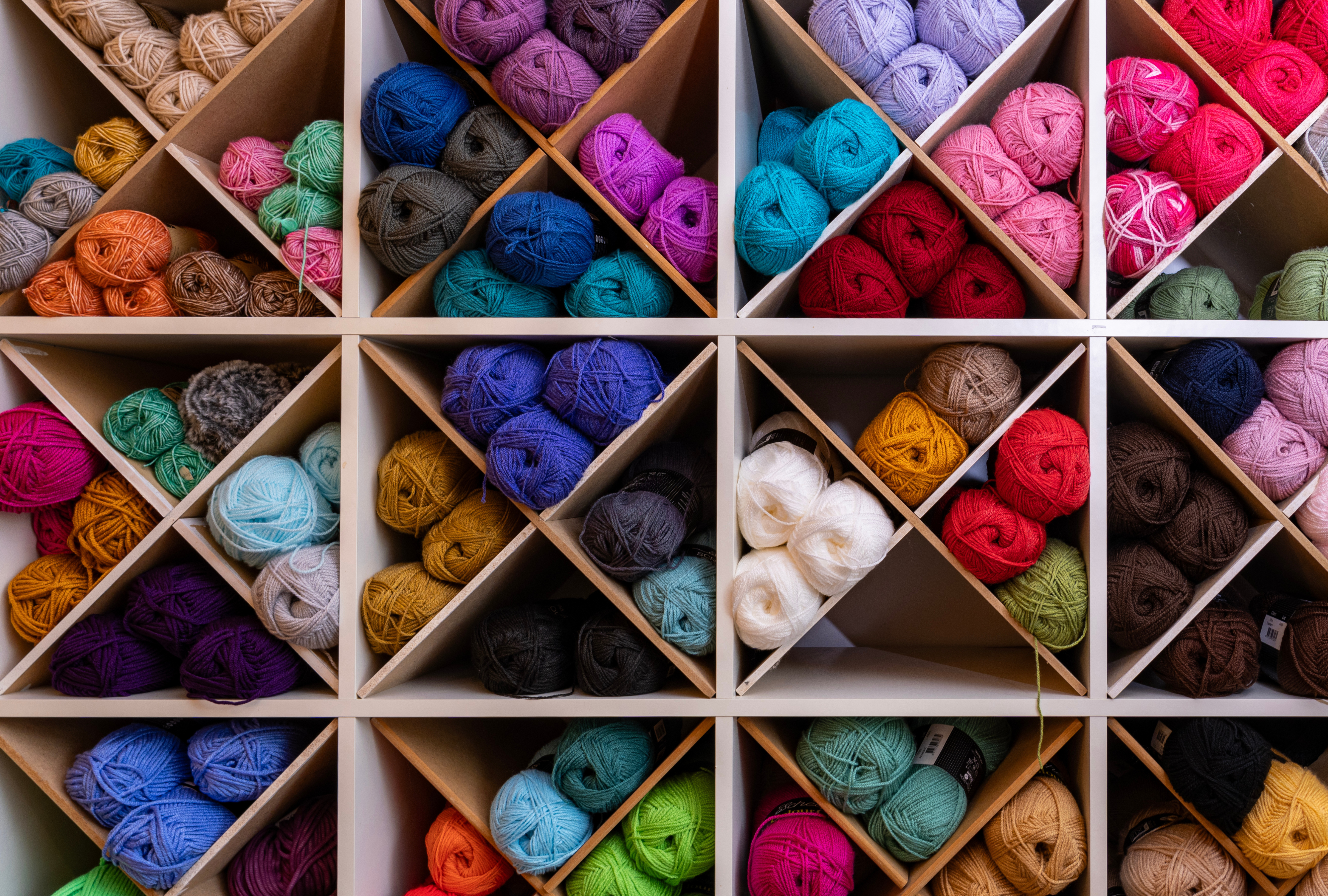
For a lot of knitters, walking into Joann used to feel like entering a very specific kind of paradise: fluorescent lights, yarn on sale, and the dangerous confidence that yes, you absolutely needed three more skeins “just in case.” So when Joann disappeared from the routine, many makers were left staring at half-finished scarves, blanket plans, and a suspiciously lonely pair of circular needles.
But here is the good news: losing one familiar store does not mean losing your knitting life. It just means the map has changed. And honestly? In some ways, the new map is better. Today’s knitters can mix big-box convenience, specialty online yarn stores, brand-direct shopping, and local yarn shops to build a supply strategy that is smarter than relying on one place for everything.
If you are wondering where to buy yarn, knitting needles, notions, patterns, and project kits now that Joann is off the table, this guide has you covered. We are talking practical alternatives, real strengths, and which store makes sense for which kind of knitter. Because nobody wants to overpay for acrylic when they really needed wool. That is how stash drama begins.
Why Knitters Need a New Game Plan
Joann used to be a one-stop option for many crafters because it blended affordability, accessibility, and enough yarn variety to get most projects off the ground. When that kind of store disappears, knitters feel the loss in three places: convenience, selection, and habit. Habit, by the way, is the sneakiest one. It is easy to miss the old routine of grabbing yarn, checking notions, and maybe wandering into fabric aisles like a person with a plan. Or with no plan. Usually no plan.
Now, the smartest approach is not to find one “perfect Joann replacement.” It is to know which store is best for each situation. Need basic yarn fast? One option. Need premium natural fibers for a sweater you actually want to wear for years? Different option. Need help fixing a gauge disaster that has already gone emotionally sideways? Yet another option.
What to Look for in a Good Joann Alternative
Before rushing into a virtual cart or sprinting into the nearest craft aisle, it helps to know what matters most for knitting supplies. A strong alternative should offer some combination of the following:
1. Reliable yarn selection
You want more than random leftovers in dusty colors. A good yarn source should make it easy to shop by fiber, weight, texture, color family, and project type. If a website lets you filter like a civilized adult, that is a very good sign.
2. Knitting tools and notions
Yarn is only part of the story. You also need needles, stitch markers, cable needles, row counters, tape measures, blocking tools, yarn bowls, and the tiny accessories that always vanish right when you need them most.
3. Patterns and project inspiration
Some stores are just warehouses with checkout buttons. Others help you actually make something. Free patterns, beginner tutorials, project kits, and curated bundles can save time and reduce those “I bought yarn with no idea what comes next” moments.
4. Price, speed, or expertise
Usually, you get to prioritize two. Budget-friendly stores may not offer boutique fibers. Premium yarn stores may not win any awards for bargain-bin energy. Local yarn shops may cost a bit more, but they can rescue a project in five minutes with advice that would take you an hour to hunt down online.
The Best Places to Get Knitting Supplies Now
Michaels: The Closest Big-Box Replacement
If you want the most natural successor to the old Joann routine, Michaels is the obvious starting point. It has leaned hard into welcoming former Joann customers, expanded its yarn and fiber assortment, and built a stronger knit-and-sew identity. For knitters who want a familiar retail experience with in-store browsing, frequent promotions, and a growing yarn selection, Michaels is probably the easiest transition.
Its biggest strength is convenience with range. You can grab yarn, needles, stitch markers, storage, and even project inspiration in one stop. Michaels is also useful for beginners because it tends to organize products in a way that is less intimidating than a specialty yarn site. You do not need to know your merino from your mohair to leave with enough supplies for a hat.
Another advantage is project support. Michaels offers free patterns, tutorials, and yarn project ideas for beginners through advanced makers. That makes it a strong pick for knitters who need both materials and momentum. In plain English: if your motivation has been hibernating like a grumpy bear, Michaels can help wake it up.
Hobby Lobby: Good for Basics, Better for Bargain Hunters
Hobby Lobby is a practical option for knitters who want yarn and needle-art supplies in a traditional craft-store setting. It is especially useful for basic tools, beginner supplies, and lower-cost project materials. Think acrylic yarn for practice, easy-access knitting tools, and general stash restocking.
This is not necessarily where fiber purists go to find the yarn of their dreams while gazing poetically into the middle distance. But it is a solid place for making hats, scarves, seasonal decor, and gift projects without sending your budget into a medically concerning tailspin.
If your knitting style is “I need something today, and I refuse to spend sweater-quantity money on it,” Hobby Lobby earns a place on the list.
WEBS at Yarn.com: Best for Serious Yarn Shopping
When you want depth, WEBS at Yarn.com is where things get gloriously dangerous. This is the online yarn universe for knitters who care about fiber content, brand variety, yarn weight, and choice. A lot of choice. Enough choice to make you open fifteen tabs and suddenly begin comparing superwash merino like a sommelier.
Yarn.com stands out because it is not just selling yarn; it is built around the language knitters actually use. You can shop by brand, fiber, and weight, and you can browse from affordable staples to premium yarns. That makes it ideal for sweaters, shawls, gift knits, and those “I am making something serious now” projects.
It is also a smart stop for knitters who have outgrown big-box shopping and want more confidence in color options, fiber performance, and long-term wear. If Michaels is the broad, accessible front door, WEBS is the room where knitters become delightfully picky.
Knit Picks: Budget-Friendly Without Feeling Cheap
Knit Picks remains one of the best online sources for knitters who want solid quality at manageable prices. It is especially helpful for sweater knitters, gift knitters, and anyone trying to complete full projects without needing to auction off a kidney for yarn money.
The site is known for carrying a broad range of yarn weights and fiber blends, along with knitting tools and educational content. That combination is powerful because it lets you build a project from start to finish in one place. Need yarn, interchangeable needles, stitch markers, and maybe a little self-respect after messing up your cast-on three times? Knit Picks is prepared.
For practical knitters, this is one of the best Joann alternatives online because it balances value and purpose. You are not just bargain shopping. You are project shopping.
Lion Brand: Best for Brand-Loyal Knitters and Easy Patterns
Lion Brand is a great option if you already know you like recognizable yarn lines and want the convenience of shopping directly from a major yarn company. It is especially useful for knitters who appreciate having patterns and yarn in the same ecosystem.
One of Lion Brand’s biggest strengths is accessibility. The brand sits in a comfortable middle ground between beginner-friendly and widely useful. You can find yarn for garments, home projects, accessories, and quick gifts, then pair it with downloadable knitting patterns without much extra effort.
If your knitting philosophy is “Please do not make me overthink this,” Lion Brand understands you on a spiritual level.
Purl Soho: Best for Beautiful Natural Fibers
Purl Soho is where you go when you want your knitting supplies to feel a little elevated. The yarn selection leans into natural fibers, refined color palettes, and polished project design. This is not the emergency stop for “I need one random skein by dinner.” This is the “I want to make a gorgeous heirloom-quality wrap and possibly feel sophisticated while doing it” destination.
Purl Soho is particularly appealing for knitters who love clean aesthetics, wearable designs, and yarn that feels special. Its tutorials and patterns also make it easier to approach more polished projects without feeling abandoned halfway through.
Yes, it can cost more than budget options. But for special projects, that extra quality often shows up in drape, softness, stitch definition, and final satisfaction.
Jimmy Beans Wool, Wool & Co., and Herrschners: Best for Filling the Gaps
These three retailers deserve a group shout-out because each solves a different problem knitters often have after losing a big all-purpose craft store.
Jimmy Beans Wool is excellent when you want a large specialty selection of yarn, needles, hooks, and accessories from multiple respected brands. It feels like a strong hybrid between boutique expertise and broad e-commerce convenience.
Wool & Co. is especially appealing if you care about yarn categories, tool selection, and a more curated shopping experience. It also shines for knitters who want better-quality notions and accessories instead of generic add-ons that look like they were invented by someone who has never actually knit a sleeve.
Herrschners is helpful for kits, patterns, tools, storage, and approachable project shopping. It is a nice middle-ground option when you want both supplies and structure, especially for gifts, seasonal makes, and quick-start projects.
Together, these stores prove that the post-Joann world is not a shortage. It is more like a rearrangement. A slightly annoying rearrangement, yes, but still workable.
Walmart: Best for Last-Minute Basics
Walmart is not the place most knitters daydream about while sipping coffee and planning a cardigan. But for emergency yarn runs, basic tools, and budget-minded restocks, it has a real role to play.
You can find yarn, knitting tools, and accessories, and the practical upside is speed. If you need a basic skein, a row counter, or some simple notions without paying specialty-store prices, Walmart can be surprisingly useful. It is the “I forgot I promised this baby blanket by Saturday” option. Not glamorous. Very effective.
Local Yarn Shops: Best for Expertise, Community, and Better Decisions
Here is where the plot gets better. Local yarn shops may not always win on price, but they often win on everything else that matters once you care about your finished project. They offer expert advice, classes, community events, carefully chosen yarn lines, and actual human beings who can tell you whether your sweater plan is brilliant or headed toward regret.
Many local yarn stores are easier to find than people think. Resources like Local Yarn Store Day and Ravelry’s directory can help knitters discover participating stores by state and location. That matters because local shops often carry fibers and tools you simply will not see in a big-box aisle, and they can help with substitutions, pattern troubleshooting, and fiber education.
If you have ever stood in a store whispering, “Can cotton really replace wool in this pattern?” then yes, a local yarn shop may save your sanity.
Which Store Is Best for Your Project?
If you are still not sure where to shop, here is the simplest way to think about it:
- For convenience and familiar browsing: Michaels
- For low-cost basics and quick supplies: Hobby Lobby or Walmart
- For serious yarn selection: WEBS at Yarn.com
- For strong value online: Knit Picks
- For pattern-plus-yarn shopping: Lion Brand
- For premium fibers and polished projects: Purl Soho
- For tools, kits, and specialty brands: Jimmy Beans Wool, Wool & Co., Herrschners
- For advice, classes, and community: local yarn shops
Smart Tips for Shopping Knitting Supplies Without Joann
First, stop expecting one store to do everything exactly the same way. That mindset leads to disappointment and weird bulk purchases. Second, match the store to the project. Cheap acrylic for practice? Fine. Luxury yarn for a sweater you will wear for years? Spend differently.
Third, pay attention to total project cost, not just price per skein. A cheaper yarn that pills, splits, or feels unpleasant can make a project more expensive in frustration alone. Fourth, take advantage of pattern libraries, kits, and store filters. They reduce decision fatigue, which is a very real condition among knitters pretending they enjoy comparing 47 shades of oatmeal.
Finally, do not underestimate the value of expert help. One good recommendation from a knowledgeable local yarn shop can save you from buying the wrong fiber, the wrong yardage, and the wrong dream.
500 More Words of Real-World Knitting Experience
One of the most relatable experiences in the post-Joann era is realizing how much of knitting used to run on autopilot. You needed yarn for a baby blanket, so you went to the place you always went. You needed double-pointed needles for socks, so you wandered in, grabbed a snack-sized cart, and promised yourself you were only buying one thing. That promise was adorable.
Now, the experience is different, but not necessarily worse. In fact, many knitters end up becoming smarter shoppers. Someone who starts at Michaels for basic supplies may discover that WEBS has better sweater quantity options. Someone who panic-orders online might then find a local yarn shop that carries more durable wool blends and offers classes. Someone who begins with budget yarn from Walmart may decide their next shawl deserves something softer from Purl Soho or Knit Picks. The path becomes more intentional.
There is also something surprisingly empowering about learning how to shop by project instead of by habit. Let us say you are making a chunky throw. You might choose a big-box retailer for speed and price. But if you are knitting a cardigan you hope to wear every fall for the next five years, you may start comparing fiber content, washability, yardage, and reviews like a person who now has standards. Dangerous, yes. Also wise.
Another common experience is discovering that local yarn shops offer something Joann never quite could: a sense of belonging tailored specifically to knitters. Not crafters in general. Knitters. The people there often know what it means when you say a yarn blooms after blocking, or why your ribbing looks rebellious, or how painful it is to lose at yarn chicken with six rows left. That level of understanding is hard to price.
Of course, the transition can still feel annoying at first. You may need to split orders between sites. You may find one store has the perfect yarn but another has the better needles. You may discover that your favorite old standby is gone and have a tiny dramatic moment in the aisle of a completely different retailer. That is normal. The knitting world did not get smaller, though. It just got more distributed.
And once you adjust, the new rhythm can actually be better. You learn which stores are good for deals, which ones are good for quality, which ones are good for emergency purchases, and which ones are good for dream projects. You stop shopping blindly. You build a personal supply network. It is a little less convenient than relying on one giant chain, sure, but it is also more flexible and often more satisfying.
So if Joann used to be your knitting home base, it is completely fair to miss it. But your projects are not doomed, your stash is not stranded, and your needles do not need a support group. The supplies are still out there. The patterns are still out there. The yarn temptation is, unfortunately, still thriving. You just need to know where to look next.
Conclusion
No Joann? No problem. The modern knitter has more options than ever, and many of them are better matched to specific needs than one catch-all store ever was. Michaels is the most familiar replacement. Hobby Lobby and Walmart handle quick basics. WEBS, Knit Picks, and Lion Brand make online shopping easy. Purl Soho, Jimmy Beans Wool, Wool & Co., and Herrschners bring specialty depth. And local yarn shops offer the kind of expertise that can save a project before it becomes a cautionary tale.
The best replacement for Joann is not one store. It is a smarter system. Once you build it, your knitting life can keep humming along quite nicely, with fewer dead ends and maybe even better sweaters.