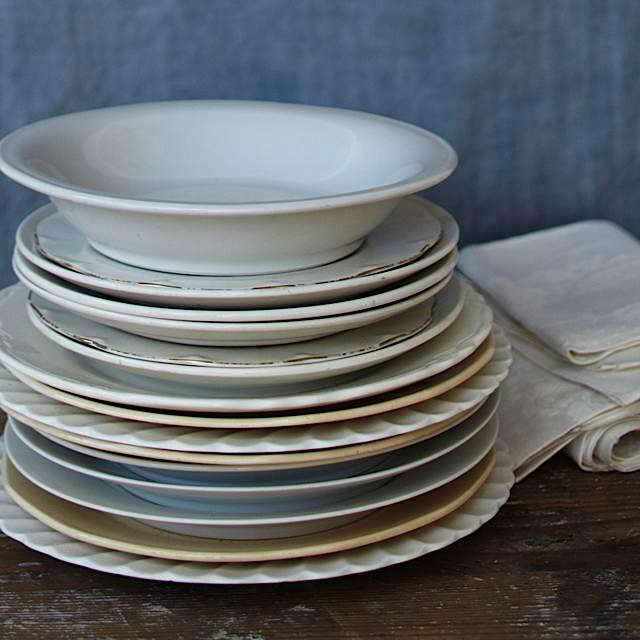
There was a time when the phrase vintage whites sounded like it belonged to a dining room nobody was allowed to sit in. You know the type: lace so delicate it looked emotionally unavailable, dishes too pretty for spaghetti, and a cabinet full of “special occasion” pieces that apparently existed for an occasion no one could identify. But vintage whites have had a glow-up. What once felt overly formal now feels layered, warm, collected, and surprisingly modern.
Today’s take on vintage white decor is less “don’t touch that” and more “yes, that old ironstone pitcher is holding kitchen utensils and looking fabulous while doing it.” The look works because white is never just white when it comes to vintage pieces. There is creamy white, chalky white, ivory, milk white, linen white, and that magical slightly-aged white that says, “I have lived a little, and I look better for it.” Add texture, patina, and a few good flea market finds, and suddenly the whole room feels richer without screaming for attention.
If you have ever admired shelves full of white ironstone, a table softened with vintage linens, or a cluster of milk glass vases catching afternoon light, you already understand the charm. Vintage whites bring history into a room without making it feel dusty. They offer softness without sweetness, neutrality without boredom, and character without chaos. In other words, they are the design equivalent of someone who is effortlessly stylish and somehow still knows how to make a decent cup of coffee.
What “Vintage Whites” Actually Means
Vintage whites are not one thing. They are a whole family of pale, storied pieces that work together because they share tone, texture, and age. Think white ironstone pitchers and platters, milk glass vases and compotes, embroidered tablecloths, monogrammed napkins, crocheted lace, worn quilts, enamelware, ceramic crocks, ivory-painted frames, and even old white lampshades or whitewashed wooden furniture. The beauty is in the mix.
The most successful vintage white spaces do not rely on a single hero piece. Instead, they build atmosphere through repetition with variation. A stack of plain ironstone plates next to a ruffled milk glass bowl. A crisp white linen runner over a weathered wood table. A lace panel framed like art. A creamy old pitcher beside a rough basket and a brass candlestick. That is the trick: the whites create cohesion, and the different materials keep everything from looking flat.
So no, vintage whites are not just “old white stuff.” They are a curated blend of ceramic, textile, glass, and painted finishes that turn a neutral palette into something tactile and deeply inviting.
Why Vintage Whites Feel So Fresh Right Now
They make minimalism feel human
Modern interiors often lean clean, but clean can tip into cold faster than you can say “all-gray flip.” Vintage whites soften that edge. They keep the calm feeling of a neutral palette while adding irregularity, age, and soul. A handmade lace edge or slightly crazed ironstone glaze tells the eye, “This room has a pulse.”
They are quietly dramatic
Not every room needs a neon sofa or wallpaper that looks like it lost a bet. Vintage whites create visual interest in a quieter way. They bring drama through silhouette, layering, and texture. A towering ironstone tureen has presence. A pleated milk glass vase has shape. A folded stack of old linen tea towels has softness. You notice these things not because they shout, but because they have depth.
They play well with almost everything
Vintage whites work with farmhouse, cottage, traditional, transitional, coastal, European-inspired, rustic, and even modern interiors. Pair them with walnut and brass for warmth, black accents for contrast, or stone and wicker for a more natural look. They are versatile enough to move across seasons too. In spring, they feel airy. In fall, they look richer next to wood and copper. In winter, they practically beg to be styled with candles and evergreen clippings.
They make collecting approachable
Unlike some categories of antiques that require a trust fund and a magnifying glass, many vintage white pieces are still relatively accessible. You can begin with one milk glass bud vase, one ironstone bowl, or one set of embroidered napkins and slowly build from there. It is collecting without the pressure to become a museum curator in a cardigan by next Thursday.
The Vintage White MVPs Worth Hunting For
White ironstone
If vintage whites had a valedictorian, white ironstone would be standing at the podium. It is durable, timeless, and handsome in that “I own at least one good trench coat” kind of way. Ironstone was originally prized as a sturdy alternative to more expensive porcelain, and today collectors love it for its weight, creamy finish, and beautifully useful shapes. Bowls, platters, pitchers, gravy boats, tureens, soap dishes, and covered dishes all earn their keep.
Ironstone shines because it is both decorative and practical. A pitcher can hold flowers or wooden spoons. A platter can anchor a coffee table display or serve dinner. A stack of bowls can live on open shelving without looking precious. This is vintage decor that earns countertop space.
Milk glass
Milk glass is the flirtier cousin in the vintage white family. Where ironstone tends to be solid and grounded, milk glass is sculptural, glossy, and a little more playful. It comes in hobnail patterns, fluted edges, pedestal forms, and candy-dish silhouettes that are delightfully extra in the best possible way.
Use milk glass when you want to brighten a shelf, break up heavier ceramics, or add shine to a table. It is especially good for flowers, cotton stems, utensils, jewelry, or simply existing on a shelf and looking pleased with itself.
Vintage linens and lace
Linens are where vintage whites stop being a collection and start becoming a mood. Tablecloths, runners, tea towels, pillowcases, handkerchiefs, doilies, and monogrammed napkins bring softness and movement into a room. They also keep all that ceramic and glass from feeling too hard.
The smartest way to use vintage linens today is not to smother every surface in ruffles. One thoughtfully placed runner, one stack of folded tea towels, or one lace piece framed on the wall goes a lot farther than turning your house into a doily convention. Vintage textiles are strongest when they are edited.
Painted frames, enamelware, and small supporting pieces
Do not ignore the supporting cast. Chippy white frames, cream-painted boxes, white enamelware pitchers, old crockery, and pale baskets help bridge the look. These pieces fill visual gaps and add variety without disrupting the palette. They are the character actors of the room, and frankly, the room would be worse without them.
How to Style Vintage Whites Without Making the Room Feel Flat
Mix shades of white on purpose
The secret is to stop expecting every white to match. Real collected spaces rarely look like they were assembled under the harsh lights of a big-box paint aisle. The charm comes from the range: cream, ivory, bone, chalk, alabaster, oyster. When you layer several shades together, the room feels deeper and more natural.
Bring in rougher textures
Vintage whites need contrast. Pair them with wood grain, woven baskets, aged brass, stone, leather, or matte black finishes. Those materials keep the palette grounded and prevent the space from floating away on a cloud of well-intentioned beige.
Use collections in clusters, not confetti
A single piece can be lovely, but a small grouped collection has more impact. Stack three ironstone platters. Cluster five milk glass vases in different heights. Fold several old tea towels in a basket. The repetition tells the eye it is a choice, not an accident.
Let useful objects stay useful
The best vintage white interiors are lived in. Use the pitcher. Put fruit in the bowl. Set the table with the old plates. Drape the linen towel over the oven handle. Once vintage whites enter daily life, they stop looking fussy and start feeling essential.
Leave breathing room
Because these pieces are subtle, it is tempting to keep adding. Resist. White-on-white decor looks sophisticated when each item has room to be seen. A shelf with a little negative space looks intentional. A shelf packed so tight it resembles an antique traffic jam does not.
Shopping Tips for Building a Better Vintage White Collection
Start with shape, then condition, then price. If a piece has a beautiful silhouette, it is often worth a second look even if it shows age. Tiny crazing, slight discoloration, and gentle wear can add charm. Large cracks, active flaking, mildew smells, or structural damage are another story. Some flaws are character. Others are future regret in bowl form.
When shopping for ironstone or ceramics, flip pieces over and look for maker’s marks, stamps, or signs of repair. With textiles, inspect for thinning fabric, brittle areas, rust marks, or stubborn yellowing. Hold linens up to the light if possible. If they look one sneeze away from retirement, maybe let them enjoy retirement.
It also helps to shop with a purpose. Are you buying for display, daily use, or both? A slightly chipped platter might still be great layered on a shelf. A delicate lace runner may be better framed than used on a busy dining table. Buying with a role in mind makes it easier to edit and harder to fall for every charming white object that crosses your path. Which, let’s be honest, is a real risk.
Caring for Vintage Whites So They Age Gracefully
Vintage whites reward gentle treatment. Ceramics should be washed carefully, dried thoroughly, and not stacked so aggressively that you create a percussion section every time you set the table. Textiles need even more attention. Fine linens and lace often do best with gentle soaking, mild soap, thorough rinsing, and air drying. Strong bleach is usually not your friend here.
Storage matters too. Delicate textiles should be clean before being put away, and they should not be stored starched. Wrap or separate them with safe materials, keep them out of direct sunlight, and avoid crushing them under heavier objects. Refolding occasionally helps prevent permanent creases. In short: treat them like heirlooms, not like gym socks.
When handling fragile textiles, clean hands matter more than people realize. Oils and residue from skin can contribute to soiling over time. The same goes for display conditions. Too much sun, heat, moisture, or dust can turn “beautifully aged” into “why is this disintegrating in my hands?” faster than anybody wants.
Why This Look Is About More Than Decor
Part of the appeal of vintage whites is emotional. These objects slow a room down. They suggest meals cooked from scratch, cupboards opened a thousand times, table linens brought out for company, and everyday rituals treated like they mattered. Even when the pieces are thrifted rather than inherited, they still carry that sense of continuity.
There is also something satisfying about decorating with restraint. Vintage whites do not demand a complete room overhaul. They invite gradual collecting, thoughtful styling, and a mix of old and new. You can place a 100-year-old platter next to a modern lamp and somehow both look better. That is design chemistry, and it is kind of addictive.
Most of all, vintage whites prove that neutral does not have to mean bland. When layered well, white becomes nuanced, atmospheric, and deeply personal. It can be romantic without being sugary, classic without feeling stale, and elegant without trying too hard. Which is really the dream, for rooms and for people.
How to Make Vintage Whites Feel Like Your Style, Not a Costume
The smartest approach is to start with one zone. Try open kitchen shelving, a dining table, a mantel, or a bedside table. Add one or two vintage white categories, then give them a modern anchor. Maybe that means ironstone next to contemporary art, milk glass with sculptural branches, or antique linens on a clean-lined oak table. The goal is tension, not theme.
You also do not need to commit to a whole-house romance novel. A little vintage white goes a long way. One shelf can hold a story. One table can feel layered. One old pitcher can make a room feel more thoughtful. Good styling is less about quantity and more about confidence.
So no, this is not your grandma’s version of vintage whites. This version is looser, cooler, more useful, and way less interested in sitting untouched behind glass doors. It is heritage with better lighting. Nostalgia with editing. Elegance without the pearl-clutching. And honestly, that is a pretty great makeover for a color family people once underestimated.
Experiences With Vintage Whites: What Living With Them Really Feels Like
Here is the part design guides sometimes skip: vintage whites do not just change how a room looks; they change how a room feels. Imagine walking into a kitchen early on a Saturday morning. The counters are simple, the light is soft, and on one open shelf there is a stack of old ironstone bowls, not perfectly matched, but close enough to feel related. Nearby, a milk glass vase holds grocery-store tulips that suddenly look like they came from a flower market in a movie. A folded linen towel hangs from the oven handle. Nothing is dramatic, but the whole room feels calmer, richer, and more awake.
That is the real power of vintage whites. They make ordinary routines feel a little ceremonial. Pouring coffee into a thick old mug feels different from grabbing something generic from the back of the cabinet. Setting toast on a slightly worn platter feels more intentional than balancing breakfast over the sink like a raccoon with a deadline. Even putting flowers in an old pitcher changes the tone of the day. The object quietly nudges you toward paying attention.
There is also the thrill of the hunt, which is part treasure search and part self-discovery. You start out saying something sensible like, “I just want one white bowl.” Three flea markets later, you are gently elbowing past a stranger because you spotted a hobnail vase under a table. Suddenly you know the difference between creamy ironstone and bright modern ceramic. You have opinions about scalloped edges. You are lifting stacks of plates like you are on a game show called Will This Fit in My Trunk? It is ridiculous. It is delightful. It is also how collections become personal.
Then comes the styling phase, where the magic really settles in. Vintage whites are forgiving, but they still ask you to look closely. You notice shadows. You notice texture. You notice that one old lace runner makes a dark wood table feel softer, or that a cluster of white pitchers on top of a cabinet somehow makes the whole kitchen look taller. These are small shifts, but they add up fast. A room with vintage whites often feels more layered because your eye has more to discover, even when the palette stays quiet.
And yes, there is a little maintenance involved. You learn to wash delicate pieces more carefully. You stop shoving linens into random drawers like you are hiding evidence. You become the kind of person who says, “Let’s not put the heavy serving bowl on top of the fragile compote,” which is a sentence teenage you probably did not see coming. But this care becomes part of the pleasure. Looking after old things can be grounding. It reminds you that beauty is not always about buying new; sometimes it is about noticing what has already lasted.
What surprises most people is how unpretentious vintage whites become once they are truly lived with. They are not stiff. They are not only for holidays. They are not waiting for the queen, unless the queen is bringing pie. They show up beautifully on regular Tuesdays. They hold lemons, flowers, cookies, mail, and whatever else real life throws at them. In that sense, vintage whites are not about perfection at all. They are about atmosphere, memory, utility, and the quiet thrill of making everyday spaces feel a little more storied.