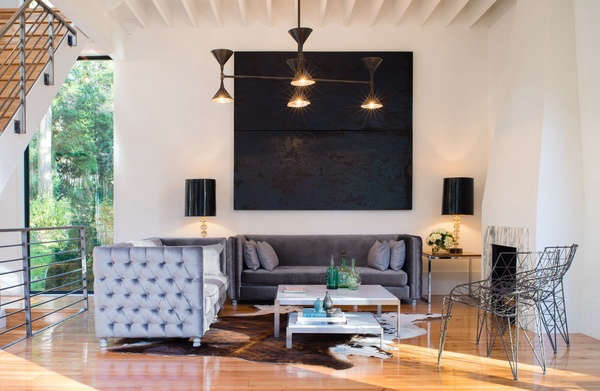
A stone house does not exactly enter a neighborhood quietly. It arrives with presence. It looks grounded, weather-tested, and just a little smug about how good it will still look in fifty years. While trendy finishes come and go, stone keeps doing what it has always done best: making a home feel substantial, timeless, and deeply connected to the land beneath it.
That staying power is exactly why stone houses continue to attract homeowners, designers, renovators, and dreamers scrolling late at night through exterior inspiration. Some people love the storybook charm. Others want a rugged mountain retreat, a European-style cottage, or a modern home softened by natural materials. And then there are the practical folks who hear “stone” and immediately think durability, longevity, and curb appeal that does not depend on the latest paint color trend.
But a stone house is not just about romance. It is also about choices. Are you talking about full-thickness masonry or stone veneer? A historic house with original walls or a newer build using stone as a design feature? A cozy fireplace wall inside or a full exterior clad in limestone, slate, or fieldstone? The answers matter, because stone is beautiful, but it is not magic. It still needs smart design, skilled installation, and maintenance that respects the material.
This guide breaks down what a stone house really is, why people love it, where it shines, where it can get expensive, and how to make one look exceptional inside and out. If you have ever looked at a stone cottage, a Tudor with a dramatic chimney, or a modern home with a crisp stacked-stone facade and thought, “Yes, that one,” you are in the right place.
What Is a Stone House?
At the simplest level, a stone house is a home that uses stone as a major architectural material. In older homes, that can mean true stone masonry walls, thick and structural, built to carry the weight of the house itself. In newer homes, it often means stone veneer over a framed wall system, which creates the look of stone without requiring the full structural mass of old-world construction.
That distinction matters. A historic stone farmhouse in Pennsylvania and a newly built suburban home with manufactured stone around the entry are not the same thing, even though both may be described as stone houses. One is a building system. The other is typically a finish strategy. Both can be beautiful, but they come with different costs, performance expectations, and maintenance needs.
Stone also plays well with many home styles. It appears in Tudor Revival homes with steep roofs and oversized chimneys, in rustic mountain houses with timber beams, in French-country-inspired cottages, in modern homes that use stacked stone to warm up clean lines, and in interiors where a single stone fireplace wall can become the whole personality of the room. Not everyone can pull off a dramatic stone facade, but when it works, it really works.
Why Stone Houses Never Really Go Out of Style
They look better with age
Some materials peak on installation day. Stone is not one of them. A stone house tends to settle visually into its site over time, especially when paired with mature landscaping, weathered wood, metal roofing, or gravel and flagstone paths. Instead of looking old in a bad way, it often looks established in a very expensive way.
They offer texture you cannot fake easily
Stone brings visual depth that flat siding simply cannot match. It catches light differently throughout the day, creates shadow lines, and adds variation even within a neutral color palette. That is why designers often use stone on fireplaces, accent walls, entry towers, and foundation facades. A room or exterior instantly feels more layered and intentional when real texture shows up.
They fit both rustic and modern design
One of stone’s greatest tricks is range. It can support a cozy, cabin-like interior with reclaimed wood and iron lighting, or it can sharpen a minimalist facade when paired with steel-framed windows and simple landscaping. Stone is equally comfortable wearing hiking boots or a tailored wool coat.
Full-Stone Masonry vs. Stone Veneer
If you are planning, building, or buying, this is the fork in the road.
Full-stone masonry
Traditional full-stone construction uses stone as part of the wall system itself. These homes often have thick walls, major thermal mass, and serious architectural presence. They can last for generations, but they require excellent craftsmanship and thoughtful repairs when age catches up with the mortar joints or drainage details. Older stone homes are also more likely to need careful preservation work rather than quick cosmetic fixes.
Natural or manufactured stone veneer
Stone veneer gives you the stone-house look with less weight, lower structural demand, and generally lower cost. It is often easier to install than full masonry and is widely used on exteriors, fireplaces, columns, and garden walls. The catch is that veneer is only as good as its detailing. If flashing, drainage, and moisture management are sloppy, the beautiful facade can hide ugly problems. In other words, the stone is innocent, but the installation may not be.
Which one makes more sense?
For many homeowners, veneer is the practical choice. It delivers the visual payoff without requiring castle-level budgeting. Full-stone construction makes more sense in high-end custom homes, historic properties, or projects where authenticity is the priority. If your goal is “I want my house to look timeless and expensive, but I also enjoy having money,” veneer often wins.
The Biggest Benefits of a Stone House
Durability
Stone has a reputation for longevity for a reason. It stands up well to weather, resists many forms of wear, and can hold its character for decades with relatively modest routine care. That does not mean it is indestructible, but it does mean the material itself is rarely the weak link when installed properly.
Strong curb appeal
A stone exterior has an immediate value signal. Buyers and visitors tend to read it as premium, permanent, and architecturally rich. Even partial stone accents can transform an otherwise plain exterior into something more custom-looking. A basic facade can go from “builder-grade” to “someone definitely chose those windows on purpose” with the right stone placement.
Lower day-to-day fuss
Compared with materials that need frequent repainting or more visible upkeep, stone can be refreshingly low-drama. It usually does not ask for much beyond sensible cleaning, inspection, and occasional sealing where appropriate. That said, “low maintenance” is not the same as “ignore it forever.” Stone appreciates attention, just not constant hovering.
Thermal mass potential
Stone can absorb and store heat, which is part of why it is often discussed in passive solar design. In the right climate and design setup, that thermal mass can help moderate indoor temperature swings. Still, it is not a universal shortcut to energy efficiency. Insulation, air sealing, window orientation, and overall wall assembly matter just as much, if not more.
Design flexibility indoors and out
Stone is not limited to facades. It works beautifully on fireplaces, entry walls, wine rooms, kitchen accents, stair halls, courtyards, retaining walls, and outdoor kitchens. That means a stone house can create a consistent material story from the curb to the back patio without feeling repetitive.
The Challenges of a Stone House
Cost
Stone usually costs more than standard siding materials, and installation is not the place to bargain-hunt recklessly. Skilled masonry work is specialized labor. If the stone is natural, if the detailing is complex, or if you are retrofitting an existing home, the price can climb fast. Stone is gorgeous, but it is not typically the budget aisle option.
Moisture mistakes can get expensive
Improper drainage, bad flashing, trapped water, and the wrong mortar can all create headaches. This is especially true with veneer systems and older homes where repairs were done poorly in the past. Water is patient, persistent, and very unimpressed by your renovation budget.
Historic repairs need restraint
Older stone homes should not be treated like generic remodeling projects. Repointing mortar joints, cleaning masonry, and repairing damaged areas require compatible materials and methods. Mortar that is too hard or work that is too aggressive can damage the stone rather than protect it. Historic houses reward patience and punish shortcuts with unusual creativity.
Energy performance is more nuanced than people think
Many homeowners assume thick stone walls automatically equal a super-efficient home. Not necessarily. Thermal mass can help, but comfort and performance still depend on insulation strategy, climate, air leakage, and moisture control. A beautiful old stone house may feel delightfully cool in one season and drafty enough to make you text your contractor in another.
Best Design Ideas for a Stone House
Pair stone with wood for warmth
One of the easiest ways to make stone feel welcoming instead of severe is to combine it with wood. Think cedar shutters, oak beams, walnut doors, or a timber porch ceiling. The stone provides permanence; the wood adds softness and warmth.
Use black or bronze windows for contrast
Modern window frames can sharpen the entire look of a stone facade. Dark-framed windows bring definition to light stone and make older-looking materials feel current without erasing their character. It is one of the cleanest ways to update a stone house without starting a design identity crisis.
Make the fireplace earn its spotlight
Inside the house, a stone fireplace wall is often the hero move. It creates a focal point, adds texture, and can anchor everything from rustic family rooms to polished contemporary spaces. Neutral-toned stone around a simple surround tends to age well and gives you decorating flexibility later.
Let landscaping support the architecture
A stone house usually looks best with landscaping that feels natural rather than overly fussy. Gravel drives, bluestone or flagstone walks, layered planting beds, climbing vines, ornamental grasses, and rough-edged garden walls all complement the material. A stone house wants a setting, not just a lawn.
Do not over-stone everything
Yes, stone is beautiful. No, every vertical and horizontal surface does not need to be covered in it. Too much can feel heavy or theme-park medieval. Sometimes the smartest design move is restraint: a strong stone base, one exceptional chimney, a fireplace wall, and a few carefully chosen landscape elements.
Renovating an Older Stone House
Renovating a stone house is often less about dramatic reinvention and more about respectful editing. Start with the envelope: inspect mortar joints, foundations, drainage, and roof lines. If the mortar is deteriorating, repointing may be essential. If the house has been painted, coated, or patched with incompatible materials, you may need expert guidance before doing anything cosmetic.
Cleaning should also be approached carefully. Gentle methods are usually better than aggressive ones, especially on historic masonry. The goal is preservation, not sandblasting the personality off the building. The same goes for replacement stone and mortar: close matches matter, both visually and technically.
Inside, comfort upgrades can be handled discreetly. Better windows, storm solutions, carefully planned insulation, radiant heat, and improved ventilation can make an old stone house much more livable without flattening its character. The best renovations keep the soul while removing the need to wear two sweaters indoors.
If you are buying an older stone house, bring in professionals who understand masonry and historic building behavior. A standard home inspection is useful, but stone houses often need a closer read. What looks charmingly imperfect may be normal aging, or it may be a moisture problem with excellent lighting.
The Experience of Living in a Stone House
Living in a stone house feels different from living in most other homes, and not just because the walls look beautiful in photos. The experience begins before you open the front door. A stone house tends to feel settled into the landscape, as if it belongs there in a way lighter materials sometimes do not. When you walk up a stone path toward a house with a heavy wood door, deep-set windows, and a chimney that actually looks like it means business, the whole arrival feels slower and more deliberate. The house seems to ask you to pay attention.
Inside, the mood is often immediate. Stone changes the way a room holds light. Morning sun slides across textured walls and catches all the little variations in color and surface. In the afternoon, shadows deepen corners in a way that makes even a simple room feel layered. At night, lamplight and firelight are where stone really shows off. A fireplace wrapped in stone does not merely warm a room; it gives the room emotional authority. Suddenly everybody wants tea, a blanket, and an opinion about the best season.
There is also a tactile quality to a stone house that people respond to, even when they cannot quite explain it. The walls feel substantial. Window openings often feel deeper. Rooms can seem quieter and more grounded. In a world full of fast materials and quick flips, a stone house can create the rare feeling that something was built to last longer than a trend cycle. It gives everyday life a bit of ceremony. Pouring coffee, opening shutters, setting flowers on a thick sill, or listening to rain hit a stone terrace all feel slightly more cinematic than they probably should, and honestly, that is part of the appeal.
Of course, the experience is not all romance and golden-hour charm. Stone houses ask for respect. They can teach patience. You start noticing weather, drainage, and the condition of mortar joints with a level of focus that would confuse people in vinyl-sided subdivisions. You learn that maintenance is part stewardship, part detective work. When something needs repair, you cannot always muscle through it with a weekend DIY video and unearned confidence. The house usually wins that argument.
But that responsibility is also what creates attachment. Owners of stone houses often talk about them less like products and more like companions. The quirks become part of the story. The slightly uneven wall, the cool mudroom in summer, the giant hearth, the old stone steps polished by decades of feet, the way the exterior glows after rain, the tiny chips and imperfections that make the place feel real rather than manufactured. A stone house rarely feels anonymous.
That may be the biggest reason people keep falling for them. A stone house offers beauty, yes, but also presence. It makes ordinary domestic moments feel richer: opening windows on a cool morning, hearing boots on a flagstone floor, gathering by the fire in January, watching vines climb an old wall in June. It turns daily routines into something with texture and memory. And in a housing world that can sometimes feel copy-and-paste, that kind of lived-in character is hard to ignore.
Final Thoughts
A stone house works best when beauty and practicality are allowed to share the job. The material delivers texture, history, and durability, but the success of the house still depends on details: the right wall system, careful moisture control, compatible repairs, smart landscaping, and a design approach that knows when to let the stone be the star. Whether you want a historic cottage, a refined Tudor, a modern rustic retreat, or just a fireplace that steals the entire room, stone remains one of the most compelling ways to make a home feel timeless. In other words, if your goal is a house with character, confidence, and zero interest in looking disposable, stone is a very strong candidate.