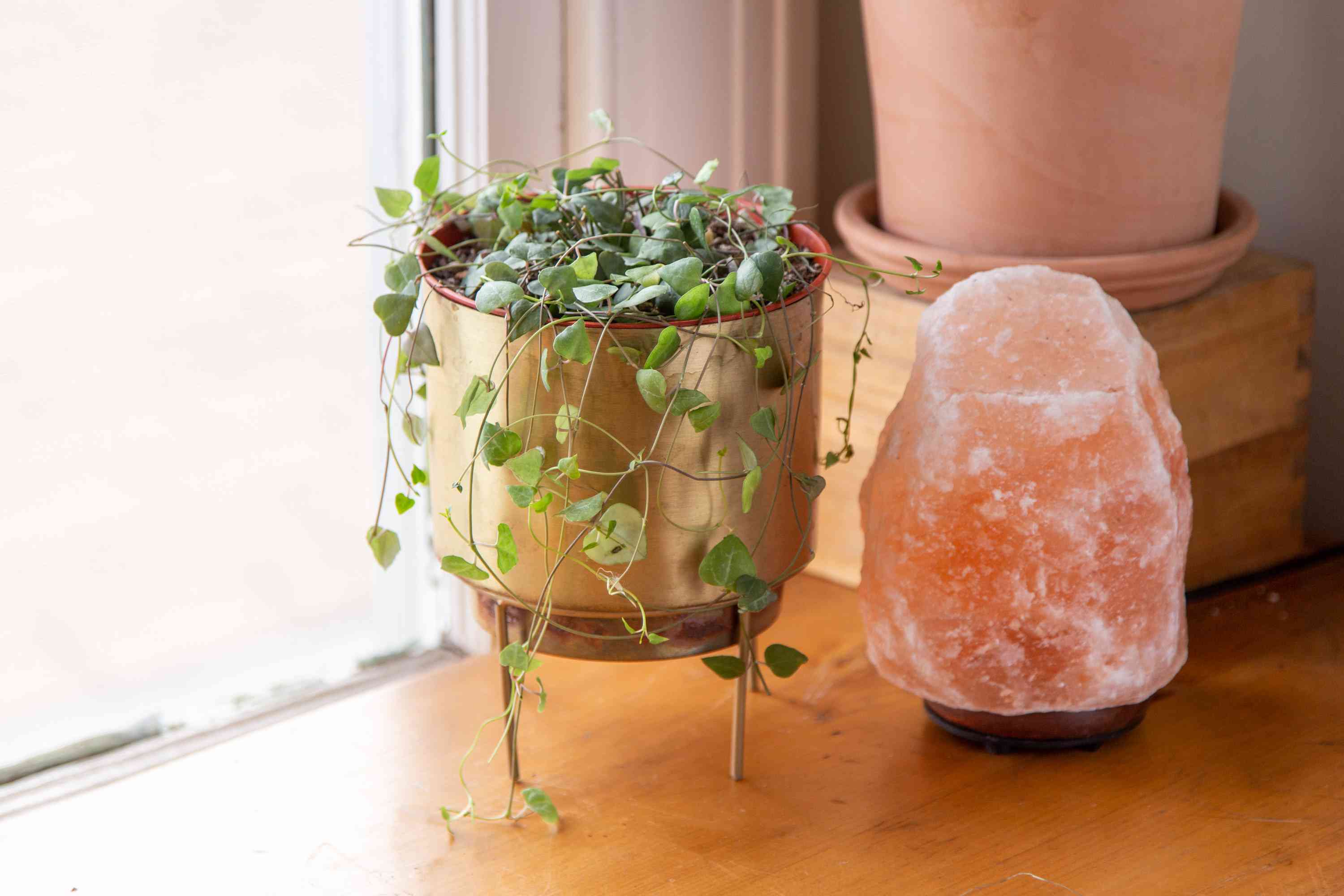
String of Hearts is the houseplant equivalent of a charming handwritten love note: delicate, trailing, a little dramatic, and surprisingly easy to keep happy once you understand what it wants. Known botanically as Ceropegia woodii, this trailing succulent vine is famous for its tiny heart-shaped leaves, silver-green marbling, purple-toned stems, and long strands that spill beautifully from shelves, hanging baskets, bookcases, and plant stands.
If you have ever looked at a String of Hearts plant and thought, “Surely something this cute must be fussy,” good news: it is not nearly as high-maintenance as it looks. This plant does best when you resist the urge to over-parent it. Give it bright light, a fast-draining potting mix, careful watering, and the occasional trim, and it can reward you with lush vines that look like living jewelry.
This complete guide explains how to grow and care for String of Hearts indoors, including light, water, soil, fertilizer, pruning, propagation, pests, common problems, and practical growing tips from real plant-care experience.
What Is String of Hearts?
String of Hearts, also called Rosary Vine, Chain of Hearts, Sweetheart Vine, or Ceropegia woodii, is a tender evergreen succulent vine native to parts of southern Africa. It belongs to the dogbane family, Apocynaceae, and has adapted to survive dry periods by storing moisture in its leaves and small tubers.
The plant’s main attraction is its foliage. Each leaf looks like a tiny heart with marbled silver-green patterns on top and purplish tones underneath. The stems are thin and wiry, which makes the plant look delicate, but do not be fooled. String of Hearts is tougher than it appears, much like a ballerina who also changes her own tires.
Mature vines can trail several feet indoors, especially when the plant receives enough light. In ideal conditions, it may also produce unusual tubular flowers. These small blooms are often pale pink, magenta, or purple-toned and look a bit like tiny decorative lanterns from another planet.
String of Hearts Care at a Glance
- Botanical name: Ceropegia woodii
- Common names: String of Hearts, Rosary Vine, Chain of Hearts, Sweetheart Vine
- Plant type: Tender trailing succulent vine
- Light: Bright, indirect light with some gentle direct sun
- Water: Allow soil to dry out between waterings
- Soil: Fast-draining cactus or succulent mix
- Temperature: Average indoor warmth, generally 60°F to 80°F
- Humidity: Average household humidity is usually fine
- Fertilizer: Light feeding during spring and summer
- Best display: Hanging basket, high shelf, wall planter, or trailing pot
How Much Light Does String of Hearts Need?
Light is the secret sauce for growing a full, colorful String of Hearts. This plant prefers bright, indirect light. A spot near an east-facing window, a bright west-facing window, or a slightly filtered south-facing window often works well. The goal is strong light without long hours of harsh midday sun beating directly on the leaves.
When String of Hearts receives enough light, the leaves usually develop stronger marbling and richer purple tones. When light is too weak, the plant may grow long, stretched vines with wide gaps between leaves. In plant-parent language, this is called “leggy growth.” In everyday language, it means your plant is reaching for better lighting like it is trying to escape the room.
Best Indoor Placement
Place your String of Hearts close to a bright window where it can see the sky. A few hours of soft morning sun can be helpful. If the sun is intense, use a sheer curtain to filter the light. Rotating the pot every week or two also helps keep growth even on all sides.
Can String of Hearts Grow in Low Light?
String of Hearts can survive in medium light for a while, but it rarely thrives there. Low light often leads to pale leaves, thin growth, fewer vines, and less attractive spacing. If your plant looks sparse, light should be the first suspect. The butler may be innocent; the north-facing window probably is not.
How to Water String of Hearts
Watering is where many String of Hearts problems begin. This plant is succulent-like, meaning it stores some moisture and does not enjoy soggy soil. The safest rule is simple: let the potting mix dry out between waterings.
During spring and summer, when the plant is actively growing, check the soil every week. Water thoroughly when the mix is dry or nearly dry, then let excess water drain completely. Do not leave the pot sitting in a saucer of water. Wet feet are great for ducks, not for String of Hearts.
How Often Should You Water?
There is no perfect universal watering schedule because indoor conditions vary. A plant in a sunny window and terracotta pot may need water more often than one in a plastic pot across the room. Instead of watering by calendar, water by soil dryness.
In warm, bright conditions, String of Hearts may need water every 7 to 14 days. In winter or lower light, it may need water much less often. If the leaves feel slightly soft or look a little wrinkled, the plant may be thirsty. If leaves are yellowing and dropping while the soil is damp, overwatering is more likely.
Signs of Overwatering
- Yellow leaves
- Mushy stems or tubers
- Blackened growth near the soil line
- Persistent damp soil
- A sour or musty smell from the pot
Signs of Underwatering
- Wrinkled or curling leaves
- Dry, crispy leaf edges
- Very lightweight pot
- Soil pulling away from the sides of the container
Best Soil for String of Hearts
String of Hearts needs a light, airy, well-draining potting mix. A commercial cactus or succulent mix is usually a good starting point. You can improve drainage by adding perlite, pumice, coarse sand, or orchid bark.
A simple homemade mix might include two parts cactus potting mix and one part perlite or pumice. The goal is a blend that holds a little moisture but does not stay soggy. If your potting mix feels dense, heavy, and muddy after watering, it is too rich for this plant.
Choosing the Right Pot
Use a container with drainage holes. This is not optional. A cute pot without drainage may look perfect on Instagram, but inside it can become a tiny swamp of regret. If you love decorative cachepots, keep the plant in a nursery pot with holes and place that inside the decorative container. After watering, empty any extra water.
String of Hearts often does well in shallow or moderately sized pots because its root system is not enormous. Avoid moving a small plant into a very large pot. Extra soil holds extra moisture, and extra moisture can lead to root rot.
Temperature and Humidity
String of Hearts enjoys typical indoor temperatures. A range of about 60°F to 80°F suits it well. Keep it away from freezing temperatures, cold drafts, and sudden blasts from heating or cooling vents.
Average household humidity is usually enough. Unlike tropical plants that demand spa-day humidity, String of Hearts is not especially needy. In fact, too much moisture around the roots is a bigger concern than dry indoor air. If you are already comfortable in the room, your String of Hearts probably is too.
How to Fertilize String of Hearts
String of Hearts is not a heavy feeder. During spring and summer, apply a diluted balanced houseplant fertilizer or succulent fertilizer about once a month, or even less if the plant is growing well. Use fertilizer at half strength to avoid overwhelming the roots.
Do not fertilize heavily in fall and winter when growth slows. Fertilizer is like coffee: helpful at the right time, questionable at midnight, and a bad idea when something is already stressed.
Pruning String of Hearts
Pruning is not required, but it helps shape the plant and encourage fuller growth. If vines become too long, uneven, or sparse, trim them with clean scissors just above a node. A node is the point where leaves or roots can form.
Do not throw away healthy cuttings. String of Hearts is wonderfully easy to propagate, so every haircut can become a tiny plant-making party.
How to Propagate String of Hearts
Propagation is one of the most satisfying parts of String of Hearts care. You can grow new plants from stem cuttings, tubers, or by laying vines across soil. This is excellent news if you want a fuller pot, a backup plant, or a gift for a friend who has been suspiciously admiring yours.
Method 1: Stem Cuttings in Water
- Cut a healthy vine with several sets of leaves.
- Remove leaves from the lower nodes.
- Place the nodes in a small jar of water.
- Keep the jar in bright, indirect light.
- Change the water every few days.
- Plant the cutting in soil once roots are a few inches long.
Method 2: Stem Cuttings in Soil
Cut a vine into sections, making sure each section has at least one node. Lay the cuttings on top of lightly moist succulent mix and pin them down gently with a paper clip or plant pin. Keep the mix slightly moist, not wet, until roots form.
Method 3: Tuber Propagation
String of Hearts may produce small bead-like aerial tubers along the vines. These tubers can root when they touch soil. Press a tuber gently into the surface of a well-draining mix while it remains attached to the vine, or remove it and plant it shallowly. Keep it in bright light and water carefully.
Repotting String of Hearts
String of Hearts does not need frequent repotting. Repot every two to three years, or when the plant has clearly outgrown its container. Signs include roots circling the pot, soil drying extremely fast, or reduced growth despite good light and proper watering.
The best time to repot is spring or early summer. Choose a pot only one size larger than the current one. Refresh the potting mix, handle the vines gently, and avoid burying the crown too deeply.
Common String of Hearts Problems and Solutions
Why Is My String of Hearts Leggy?
Leggy growth usually means the plant needs more light. Move it closer to a bright window or add a grow light. You can also trim long bare vines and propagate the cuttings back into the pot to create a fuller look.
Why Are the Leaves Turning Yellow?
Yellow leaves are often linked to overwatering, poor drainage, or soil that stays wet too long. Check the roots and potting mix. If the soil is soggy, let it dry thoroughly and consider repotting into a faster-draining blend.
Why Are the Leaves Curling?
Curling leaves may signal underwatering, heat stress, or too much direct sun. Feel the soil first. If it is bone dry, water deeply. If the soil is moist and the plant is in harsh sun, move it to bright filtered light.
Why Is My Variegated String of Hearts Losing Color?
Variegated String of Hearts needs strong indirect light to maintain pink, cream, and green coloration. If the plant is reverting to mostly green or producing dull leaves, increase the light gradually. Avoid harsh direct sun, which can scorch pale variegated leaves.
Common Pests
String of Hearts is not especially pest-prone, but it can occasionally attract mealybugs, aphids, spider mites, or scale. Inspect vines and leaf joints regularly, especially if you bring home a new plant.
For small infestations, dab pests with a cotton swab dipped in rubbing alcohol, rinse the plant gently, or use insecticidal soap according to label directions. Isolate affected plants while treating them. Plant pests are tiny, but their social lives are unfortunately very active.
Is String of Hearts Toxic to Pets?
String of Hearts is generally considered pet-safe and is commonly recommended as a non-toxic trailing houseplant. However, pets can still get an upset stomach from eating large amounts of any plant material. If your cat treats vines like spaghetti or your dog believes leaves are salad, place the plant out of reach.
How to Make String of Hearts Fuller
A fuller String of Hearts usually comes down to three things: light, pruning, and propagation. First, make sure the plant receives bright light so new growth stays compact. Second, trim long sparse vines. Third, root those cuttings back into the top of the pot.
You can also coil healthy vines on top of the soil and pin the nodes down so they root. This creates a thicker crown and helps prevent the “bald on top, party at the bottom” look that trailing plants sometimes develop.
Seasonal Care Tips
Spring
Spring is the best time for repotting, pruning, and propagation. As days get longer, increase watering slightly and begin light fertilizing.
Summer
Growth is usually strongest in summer. Keep the plant in bright filtered light and watch soil moisture more closely. If you move it outdoors, acclimate it gradually and protect it from harsh sun and heavy rain.
Fall
As growth slows, reduce fertilizer and water less often. Check for pests before bringing any outdoor plants back inside.
Winter
Water sparingly in winter, especially in cooler rooms. Keep the plant near bright light and away from cold windows, drafts, and heating vents.
Best Places to Display String of Hearts
String of Hearts shines when its vines can trail freely. Try it in a hanging basket near a bright window, on a tall bookshelf, above a kitchen shelf, or in a wall-mounted planter. It also looks lovely trained around a small hoop or trellis.
Because the vines are delicate, place the plant somewhere it will not be constantly brushed, bumped, or attacked by enthusiastic curtains. A high shelf with bright light is often perfect.
Types of String of Hearts
The classic String of Hearts has green and silver marbled leaves with purple undersides. Variegated String of Hearts has pink, cream, and green foliage and is especially popular with collectors. There is also Silver Glory String of Hearts, known for broader, more silver-toned leaves.
Care is similar for all types, but variegated forms often need brighter indirect light to keep their color. They may also grow a bit slower than the standard green form.
Extra Growing Experience: What I Learned From Caring for String of Hearts
After growing String of Hearts for a while, one lesson becomes very clear: this plant rewards patience more than fussing. The most common mistake is loving it too aggressively. Many new owners see those delicate vines and assume the plant must need constant attention. In reality, String of Hearts often grows best when you give it the right setup and then politely step back.
One of the biggest turning points is learning how the pot feels when the soil is dry. Lifting the pot is surprisingly useful. A freshly watered pot feels noticeably heavier, while a dry pot feels light and easy to lift. This simple habit can prevent a lot of overwatering drama. Instead of guessing, you start reading the plant’s conditions like a quiet little detective.
Another useful experience is observing how quickly the plant responds to light. A String of Hearts placed too far from a window may stay alive, but the vines stretch and the hearts become spaced out like beads on a very lazy necklace. Move the same plant closer to a bright window, and new growth often becomes tighter, richer in color, and more attractive. The older bare vines will not magically fill in, but new growth improves noticeably.
Propagation also teaches you not to panic over pruning. At first, cutting those long vines can feel wrong, especially when you have been proudly measuring every inch of growth. But trimming often makes the plant look better. The cuttings can be rooted and tucked back into the pot, creating a fuller crown. Over time, you realize pruning is not plant punishment. It is plant styling.
One practical trick is to avoid using an oversized pot. A small String of Hearts in a huge container may look fancy for about ten minutes, but the extra soil can hold water too long. A snug pot with drainage is usually safer. If you want a bigger visual display, place the nursery pot inside a decorative outer pot rather than upsizing too quickly.
It also helps to water slowly. Because fast-draining mixes can sometimes repel water when extremely dry, pour water evenly around the soil surface and let it soak through. If water rushes straight out the bottom, wait a minute and water again. This helps the roots actually receive moisture instead of watching it sprint through the pot like it is late for a meeting.
Finally, String of Hearts is a great reminder that “easy care” does not mean “no care.” It still needs observation. Check the leaves, rotate the pot, remove dead strands, inspect for pests, and adjust watering as seasons change. The plant is forgiving, but it is not furniture. Treat it like a living thing with preferences, and it will repay you with graceful vines that make even a plain shelf look curated.
Conclusion
String of Hearts is one of the most rewarding trailing houseplants you can grow. It is beautiful without being overly demanding, delicate-looking without being fragile, and easy to propagate when you want more plants. The key is to treat it like a succulent vine: give it bright indirect light, let the soil dry between waterings, use a fast-draining mix, and avoid oversized pots or soggy roots.
With the right care, Ceropegia woodii can grow into a cascading curtain of tiny heart-shaped leaves, adding charm to shelves, windows, and hanging planters. Whether you choose the classic green form or a pink variegated beauty, String of Hearts is a plant that brings a little romance to indoor gardening without requiring a dramatic relationship status update.