Note: This article is for educational purposes only and does not replace professional medical advice. If an eyelid bump is painful, spreading, affecting vision, bleeding, recurring, or not improving, an eye doctor should evaluate it.
Introduction: When Your Eyelid Decides to Grow a Tiny Drama Queen
An eyelid bump is one of those small health problems that can feel much bigger than it looks. You wake up, blink twice, glance in the mirror, and there it is: a red, swollen, tender little mountain on your eyelid. Is it a stye? A chalazion? A blocked oil gland? A pimple that got lost on the way to your forehead? The good news is that most eyelid bumps are common, harmless, and treatable at home with gentle care. The even better news: you do not need to panic, poke it, squeeze it, or hold a dramatic farewell ceremony for your eye.
Still, an eyelid bump deserves attention because your eyelids are not just decorative curtains for your eyeballs. They protect the eye, spread tears, keep the surface moist, and help remove tiny particles. When oil glands, eyelash follicles, bacteria, skin irritation, or inflammation get involved, a bump can appear on the upper or lower lid. Some bumps are painful and infection-related, while others are painless and caused by clogged glands. A few are unrelated skin growths that need a different approach.
This guide explains the most common eyelid bump symptoms, causes, treatments, prevention tips, and warning signs. We will keep things medically accurate, practical, and friendlybecause your eyelid already has enough attitude.
What Is an Eyelid Bump?
An eyelid bump is a lump, swelling, cyst, or raised spot that appears on or near the eyelid. It may develop along the lash line, inside the eyelid, under the skin, near the inner corner of the eye, or on the upper or lower lid. The bump may be red, skin-colored, white, yellowish, tender, firm, soft, tiny, or large enough to make the eyelid look puffy.
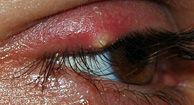
The most common eyelid bumps are styes and chalazia. A stye, also called a hordeolum, is usually a painful, red bump near the edge of the eyelid. It often forms when bacteria infect an eyelash follicle or an oil gland. A chalazion is usually a slower-growing, less painful bump caused by a blocked meibomian gland, which is one of the oil-producing glands that helps keep tears from evaporating too quickly.
Other possible eyelid bumps include milia, skin tags, cysts, xanthelasma, allergic swelling, inflamed pores, and rarely, eyelid tumors. Most bumps are not dangerous, but the “most” is important. A bump that does not heal, changes shape or color, causes eyelash loss, bleeds, or keeps coming back should be checked by an eye care professional.
Common Symptoms of an Eyelid Bump
Eyelid bump symptoms vary depending on the cause. A small stye may feel sore and sharp, like your eyelid is annoyed every time you blink. A chalazion may feel more like a firm pea under the skin. Some bumps barely hurt at all but look obvious enough to make you cancel selfie plans.
Typical symptoms include:
- A red, swollen, or tender lump on the eyelid
- Pain or soreness, especially near the lash line
- A bump that looks like a pimple or boil
- Watery eyes or mild tearing
- A scratchy, gritty, or foreign-body feeling
- Crusting around the eyelid or eyelashes
- Light sensitivity in some cases
- Blurred vision if swelling presses on the eye
- General eyelid puffiness
- A painless, firm lump that develops slowly
Pain can be a useful clue. Styes are often painful, red, and tender. Chalazia may start slightly tender but usually become painless. Milia are small white bumps that usually do not hurt. Xanthelasma often appears as yellowish patches or plaques near the eyelids and may be linked with cholesterol or other metabolic issues.
Stye vs. Chalazion: What Is the Difference?
People often use “stye” for every eyelid bump, but styes and chalazia are not exactly the same. They are cousins, not twins. Both can involve blocked oil glands, but they behave differently.
Stye
A stye is usually an infection that appears near the edge of the eyelid. It may form at the base of an eyelash or inside the lid. It often looks like a small red pimple, may contain pus, and is commonly painful. The eyelid can feel hot, swollen, and tender. Styes often improve within several days to a week with warm compresses and good hygiene.
Chalazion
A chalazion forms when a meibomian oil gland becomes blocked and inflamed. It usually appears farther back from the lash line than a stye. It tends to grow more slowly and is often painless after the first few days. A larger chalazion can press on the eyeball and cause blurred vision. Some chalazia go away in a few weeks, while others may last longer and need treatment from an eye doctor.
Simple way to remember it
If the bump is red, painful, and near the lash line, think “stye.” If it is firm, slow, less painful, and deeper in the eyelid, think “chalazion.” But do not treat this as a final diagnosis. Your eyelid did not come with a label maker, so persistent or unusual bumps deserve a professional exam.
Main Causes of Eyelid Bumps
Eyelid bumps usually happen because something blocks, irritates, or infects a tiny structure in the eyelid. The eyelids contain oil glands, sweat glands, hair follicles, skin cells, and delicate tissue. That is a lot of tiny machinery packed into a small space.
1. Blocked oil glands
Meibomian glands release oil that helps stabilize the tear film. When the oil becomes thick or the gland opening gets blocked, fluid can build up and create a chalazion. This is especially common in people with chronic eyelid inflammation or meibomian gland dysfunction.
2. Bacterial infection
Styes are often linked to bacteria that infect an eyelash follicle or eyelid gland. Touching the eyes with unwashed hands, sleeping in eye makeup, using old cosmetics, or rubbing irritated eyes can increase the risk. Your hands may look innocent, but they are basically tiny public buses for germs.
3. Blepharitis
Blepharitis is inflammation of the eyelid margins. It can cause redness, crusting, burning, itching, and clogged glands. People with blepharitis may get repeated styes or chalazia because the eyelid environment becomes irritated and oil glands do not drain well.
4. Rosacea and skin conditions
Rosacea can affect the eyes and eyelids, causing irritation, redness, dryness, and eyelid inflammation. Seborrheic dermatitis and other skin conditions may also contribute to blocked glands or recurring eyelid irritation.
5. Contact lens habits
Contact lenses are safe when used correctly, but poor lens hygiene can increase the risk of eye irritation and infection. Sleeping in lenses without medical approval, touching lenses with unwashed hands, exposing lenses to water, or reusing old solution can create problems. If an eyelid bump appears, it is usually best to switch to glasses until the area heals.
6. Makeup and skincare products
Old mascara, shared eyeliner, heavy creams, glittery products, and makeup not removed before bed can irritate eyelids or clog gland openings. The eye area is not the place for expired beauty products. If your mascara is old enough to have a driver’s license, it is time to say goodbye.
7. Milia and other skin bumps
Milia are tiny white cysts caused by trapped keratin under the skin. They often appear around the eyes, cheeks, or eyelids. They are usually harmless and painless. Xanthelasma, on the other hand, appears as yellowish deposits near the eyelids and may be associated with cholesterol, diabetes, thyroid issues, or lipid disorders. These bumps are not treated like styes and should be evaluated if new or changing.
How to Treat an Eyelid Bump at Home
For many common eyelid bumps, gentle home care is the first step. The goal is to soothe inflammation, encourage natural drainage, and avoid making things worse. Translation: warm compresses are helpful; squeezing is chaos.
Warm compresses
Apply a clean, warm, damp washcloth to the closed eyelid for 10 to 15 minutes. Repeat this three to five times daily. The warmth can soften thickened oil, help blocked glands open, reduce discomfort, and encourage natural drainage. The cloth should be warm, not hot. Your eyelid is delicate, not a frying pan.
Gentle massage
After a warm compress, you may gently massage around the bump with clean fingers if it feels comfortable. Do not press hard, dig into the lid, or try to force drainage. For a chalazion, light massage may help the blocked oil gland clear, but aggressive pressure can worsen inflammation.
Keep the eyelid clean
Wash your hands before touching your face. Clean the eyelid gently with warm water or an eye-safe lid cleanser if recommended. Avoid scrubbing. If there is crusting, soften it with a warm compress first.
Avoid eye makeup and contacts
Do not wear eye makeup or contact lenses until the bump heals. Makeup can clog glands or introduce bacteria, and contacts can irritate the eye. Replace eye makeup used during an active infection, especially mascara or eyeliner.
Do not pop the bump
This is the big rule. Do not squeeze, lance, poke, or “just see what happens.” What happens may include more swelling, infection, scarring, or spreading bacteria. Let the bump drain on its own or have it treated professionally.
Medical Treatments for Eyelid Bumps
If home care does not work, an eye doctor may recommend medical treatment. The right option depends on whether the bump is infected, inflamed, recurring, large, or affecting vision.
Antibiotic ointment or drops
If a stye appears infected or the infection is not improving, a clinician may prescribe antibiotic eye ointment or drops. If redness and swelling spread beyond the eyelid, oral antibiotics may be needed. Antibiotics are not usually helpful for a simple chalazion because a chalazion is typically not caused by bacteria.
Steroid injection
For a stubborn chalazion, an eye doctor may use a steroid injection to reduce inflammation and shrink the bump. This is done in a medical setting and is not a home treatment.
Drainage procedure
If a large stye or chalazion does not clear, an ophthalmologist may perform a small procedure to drain it. This can relieve pressure and remove trapped material. Never attempt this yourself. The eyelid is a tiny neighborhood with important wiring; DIY surgery is not invited.
Biopsy or further evaluation
If a bump keeps coming back in the same spot, does not heal, changes appearance, causes eyelash loss, bleeds, or looks unusual, a doctor may recommend further testing. Rarely, eyelid cancers can mimic benign bumps. Early evaluation is the safest approach.
When to See a Doctor Quickly
Most eyelid bumps are not emergencies, but some symptoms need prompt care. Contact a healthcare professional or eye doctor if:
- The bump does not improve after 48 hours of home care
- Swelling spreads to the entire eyelid, cheek, or face
- You have vision changes or significant light sensitivity
- The eye itself becomes very red or painful
- You have fever, severe swelling, or worsening pain
- The bump keeps coming back
- The eyelid skin breaks down, bleeds, or does not heal
- You notice eyelash loss near the bump
- The bump is hard, irregular, dark, rapidly growing, or unusual
- You have diabetes, immune system problems, or recent eye surgery
Children, contact lens wearers, and people with recurring eyelid infections should be especially cautious. A quick exam can prevent a small bump from becoming a bigger problem.
How to Prevent Eyelid Bumps
Prevention is not glamorous, but it works. Eyelid bumps often return when the underlying trigger remains. A few daily habits can make your eyelids much less dramatic.
Practice clean-hand discipline
Wash your hands before touching your eyes, handling contact lenses, or applying makeup. Try not to rub your eyes, especially during allergy season or after using public surfaces.
Remove makeup every night
Sleeping in mascara may feel harmless after a long day, but your eyelids disagree. Remove eye makeup gently before bed. Replace mascara and liquid eyeliner regularly, and never share eye cosmetics.
Use contact lenses properly
Follow your eye care provider’s instructions for cleaning, storing, and replacing lenses. Keep contacts away from water, use fresh disinfecting solution, replace the lens case regularly, and keep backup glasses available.
Manage blepharitis or rosacea
If you have chronic eyelid redness, crusting, dryness, or recurring bumps, ask an eye doctor about blepharitis, meibomian gland dysfunction, or ocular rosacea. Long-term lid hygiene or targeted treatment may reduce flare-ups.
Choose eye-area products carefully
Avoid heavy oils, irritating creams, glitter, and products not meant for the eye area. If a product burns, stings, or causes repeated swelling, your eyelids have voted no.
Practical Experiences: What Eyelid Bumps Teach People in Real Life
Many people first learn about eyelid bumps through a morning mirror surprise. One common experience goes like this: a person wakes up with a sore eyelid and assumes it is just irritation from rubbing their eye. By lunchtime, the lid is swollen, tender, and slightly red near the lashes. The first instinct is to touch it every ten minutes, which is exactly what not to do. After switching to warm compresses, avoiding makeup, and keeping hands away from the eye, the bump starts to calm down. The lesson is simple but powerful: gentle care often beats aggressive curiosity.
Another typical story involves a chalazion that is not very painful but refuses to leave. Someone notices a firm bump in the upper eyelid. It does not look angry, but it makes the eyelid feel heavy. Warm compresses help a little, then life gets busy and the routine disappears. Weeks pass, and the bump remains. When the person finally sees an eye doctor, they learn that a blocked oil gland can take time and consistent care to resolve. Sometimes, professional treatment is needed. The lesson: painless does not always mean “ignore forever.”
Contact lens wearers often have their own version. A small eyelid bump appears before a trip, workout, or important meeting. Instead of resting the eye, they keep wearing lenses because glasses feel inconvenient. The eyelid becomes more irritated, and the eye feels scratchy. Once they switch to glasses, wash hands carefully, and stop using eye makeup, symptoms improve. The lesson: your eyes do not care about your schedule. When they ask for a break, give them one.
Makeup users may learn the hard way that eye products have expiration dates for a reason. A favorite mascara tube, lovingly kept for months, can become a germ-friendly wand. Eyeliner used too close to the inner lid margin can clog glands. Heavy creams can migrate toward the lashes overnight. After a stye appears, people often realize their routine needs a cleanup: remove makeup fully, stop sharing cosmetics, replace old products, and keep applicators clean. Beauty should not require eyelid negotiations.
Parents may notice eyelid bumps in children who rub their eyes frequently, especially during allergy season. Kids are excellent at touching playground equipment, snacks, pets, sleeves, shoes, and then their eyes in under four seconds. Warm compresses can help, but children may resist them unless the process becomes calm and routine. A warm cloth during story time or screen time can make treatment easier. If swelling spreads, pain worsens, or the child has vision symptoms, medical care is important.
The biggest real-life lesson is that eyelid bumps are usually manageable, but they reward patience. A warm compress used once is nice; consistent compresses used several times a day are better. Clean hands matter. Makeup breaks matter. Contact lens breaks matter. And when a bump acts strange, keeps returning, or refuses to heal, getting it checked is not overreactingit is smart eye care.
Conclusion
An eyelid bump can be annoying, uncomfortable, and surprisingly attention-grabbing, but most cases are caused by common problems such as styes, chalazia, blocked oil glands, eyelid inflammation, or skin cysts. The best first steps are simple: use warm compresses, keep the eyelid clean, avoid squeezing, pause eye makeup and contact lenses, and watch for improvement. Styes tend to be painful and infection-related, while chalazia are usually blocked oil-gland bumps that may be less painful and slower to heal.
The key is knowing when to stop home care and seek help. If swelling spreads, pain worsens, vision changes, the bump does not improve, or the same lump keeps returning, an eye doctor should evaluate it. Your eyelids may be small, but they protect something priceless: your vision. Treat them gently, keep them clean, and do not let a tiny bump become a big production.