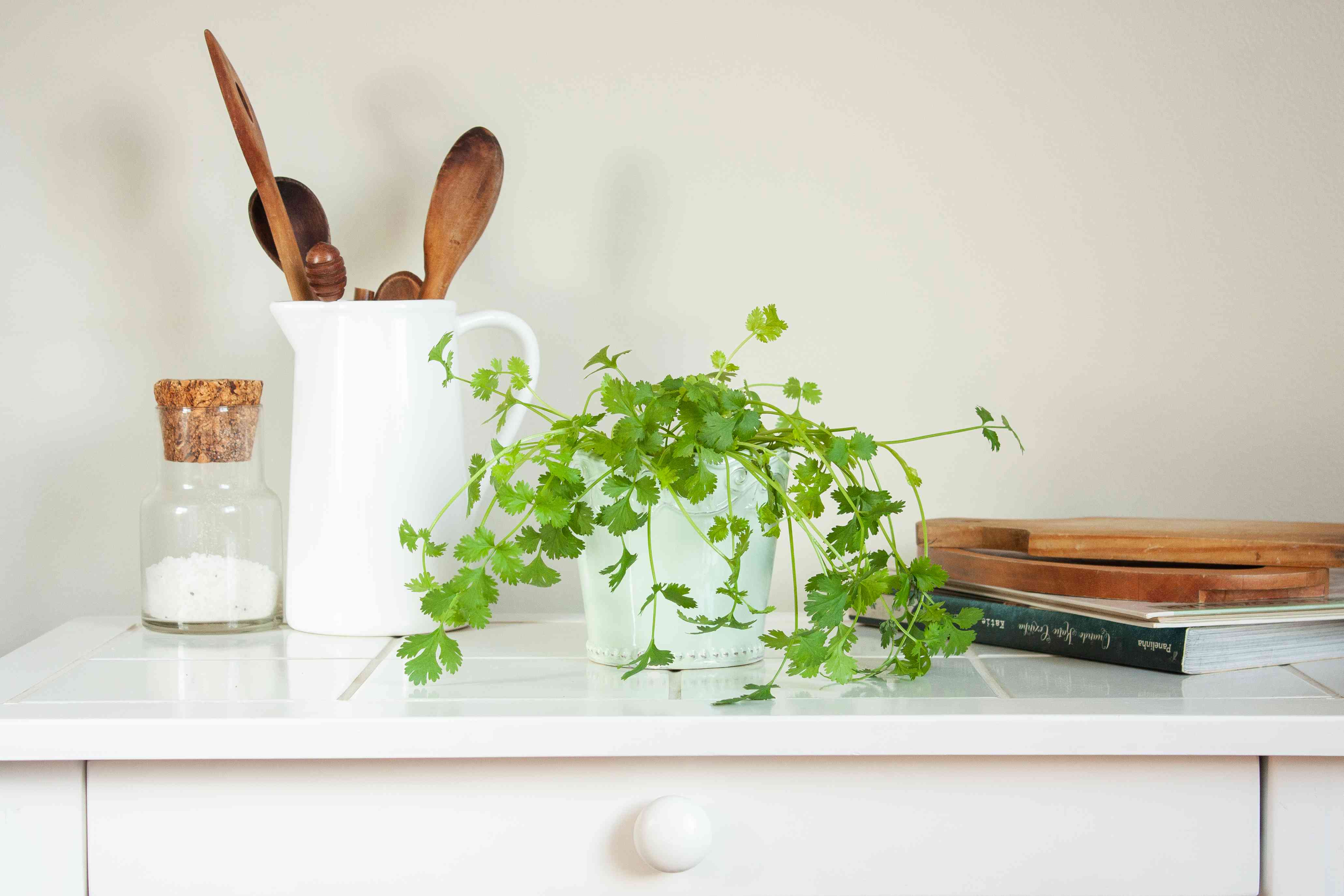
If cilantro had a dating profile, it would say: “Loves cool weather, hates being fussed over, bolts when things get too hot.” In other words, this flavorful herb is a little dramatic, but once you understand its personality, growing cilantro indoors becomes much easier. And honestly, worth it. Fresh cilantro can turn a sleepy bowl of soup, tacos, curry, rice, or salad into something that tastes like you actually had your life together today.
Whether you call it cilantro, coriander, or “that herb my family either adores or argues about,” the good news is that you can grow it indoors successfully with the right setup. The trick is not to treat it like basil. Cilantro prefers cooler temperatures, steady but not soggy moisture, strong light, and enough root space to avoid a midlife crisis in a tiny pot.
This guide walks you through everything you need to know about growing cilantro indoors, from choosing the right container to harvesting leaves before the plant decides to sprint toward flowering. You’ll also learn how to keep a continuous supply going, because one of the most common surprises with indoor cilantro is this: it grows fast, tastes amazing, and then suddenly acts like it has somewhere else to be.
Why Grow Cilantro Indoors?
Growing cilantro indoors gives you control over the two things this herb cares about most: comfort and consistency. Outdoors, cilantro often bolts when temperatures rise, the soil dries out too fast, or the weather flips from pleasant to chaotic. Indoors, you can shield it from summer heat, pounding rain, and random pest invasions.
Indoor growing also makes sense if you cook often and use cilantro in small amounts several times a week. Instead of buying a grocery-store bunch that goes limp in your refrigerator drawer three days later, you can clip what you need and leave the rest growing. That means fresher flavor, less waste, and fewer sad herb funerals over the sink.
Plus, cilantro is compact enough for apartments, condos, small kitchens, and bright windowsills. If you have a sunny window or a simple grow light, you have a chance. Not a guarantee, because cilantro still likes to be a bit moody, but definitely a chance.
What Cilantro Needs to Thrive Indoors
1. Bright Light
Cilantro needs plenty of light to stay leafy and productive. A bright south-facing window is ideal, while an east- or west-facing window can also work if it gets strong direct sun for several hours a day. If your home is a little dim, especially in winter, a grow light is often the difference between sturdy herbs and sad, floppy stems that look like they’re asking for help.
If you use a grow light, keep it close enough to the plant to prevent legginess, but not so close that the leaves scorch. A timer helps a lot. Cilantro appreciates consistency, and plants are surprisingly picky little timekeepers.
2. Cool Temperatures
This is where cilantro differs from many popular kitchen herbs. It prefers cooler conditions and tends to bolt when it gets too warm. If your windowsill turns into a miniature desert every afternoon, your cilantro may rush into flowering mode before you’ve had a decent harvest.
Try to keep your indoor cilantro away from heat vents, radiators, and sunny glass that traps too much heat. A bright but cooler room is often better than a blazing-hot window. Think “pleasant spring morning,” not “dashboard of a parked car.”
3. A Deep, Well-Drained Container
Cilantro has a taproot, which means shallow containers are not its favorite living arrangement. Choose a pot that is at least 8 inches deep, with drainage holes. This one detail matters more than many beginners realize. A cute container with no drainage may look stylish, but to cilantro it’s basically a trap.
Terracotta pots are a good choice because they dry a bit faster and help prevent overly wet soil. Plastic pots also work well if you’re careful with watering. The real goal is simple: roots need moisture, not a swamp.
4. Loose Potting Mix
Use a quality potting mix rather than garden soil. Garden soil is too heavy for containers and can stay wet too long indoors. A light potting mix drains better, supports root growth, and gives you a better shot at avoiding rot and fungus problems.
If you want to improve drainage even more, choose a mix intended for containers and herbs. Cilantro likes moisture, but it also likes breathing room around the roots. Yes, it is high-maintenance in a very specific, low-key way.
How to Start Cilantro Indoors from Seed
Cilantro is usually best started from seed. It grows quickly, and because it does not love root disturbance, direct sowing into its final pot is often the smartest move. You can buy nursery starts, but seeds are inexpensive, easy to find, and usually more successful indoors.
Step 1: Fill the Pot
Fill your container with pre-moistened potting mix, leaving about an inch of space below the rim. This makes watering easier and keeps soil from splashing everywhere like a tiny mud volcano.
Step 2: Sow the Seeds
Plant seeds shallowly, about 1/4 to 1/2 inch deep. You can sow them in a loose cluster if you want a fuller pot of leafy cilantro, or space them a bit farther apart if you want each plant to have more room. Lightly cover the seeds with potting mix.
Step 3: Water Gently
Water enough to evenly moisten the soil, but do not drench it. During germination, the goal is steady moisture, not sogginess. A spray bottle or gentle watering can works well so you don’t wash the seeds out of place.
Step 4: Be Patient
Cilantro seeds usually germinate within a couple of weeks, though timing can vary based on temperature and moisture. Once seedlings appear, move them into the brightest light you can provide. This is not the moment for dim corners and optimistic thoughts.
How to Care for Indoor Cilantro
Watering Without Drowning It
The most common indoor cilantro mistake is overwatering. The second most common is underwatering until the plant wilts like it just got bad news. The sweet spot is evenly moist soil that is allowed to dry slightly near the surface between waterings.
Stick your finger into the top inch of soil. If it feels dry, water thoroughly until excess drains from the bottom. Then let the pot drain completely. Never let cilantro sit in a saucer full of water unless your long-term goal is “learning experience.”
Fertilizing Lightly
Cilantro does not need heavy feeding. In fact, too much fertilizer can encourage lots of weak growth and may reduce flavor. If your potting mix is fresh, you may not need to feed much at all in the early weeks. Later, a diluted liquid fertilizer every few weeks is usually enough.
Think of fertilizer as a supporting actor, not the star of the show. Light, temperature, and watering matter more.
Thinning Seedlings
If you sowed generously, thin the seedlings once they are a few inches tall. Give the strongest plants room to breathe. Crowding reduces airflow, increases disease risk, and encourages weak growth. You can snip the extras at the soil line instead of pulling them, which helps avoid disturbing nearby roots.
Rotating the Pot
If your cilantro grows on a windowsill, turn the pot every few days so the stems don’t lean dramatically toward the light like they’re trying to escape. This helps the plant grow more evenly and keeps it from looking lopsided.
How to Prevent Bolting Indoors
Bolting happens when cilantro shifts from leaf production to flower and seed production. Once that starts, leaf flavor often changes and the harvest window gets shorter. Bolting is normal, but indoors you can slow it down.
Start by keeping the plant cool and well-watered. Avoid heat stress from hot windows, nearby appliances, or heating vents. Harvest regularly, and choose slow-bolting varieties when possible if seed packets list them. Some gardeners also sow a new pot every two to three weeks so there is always a younger batch coming along.
This succession planting method is probably the smartest cilantro strategy of all. Instead of trying to force one plant to live forever, you accept reality, thank it for its service, and start the next round. This is gardening wisdom and also, frankly, emotional maturity.
How and When to Harvest Cilantro
You can begin harvesting cilantro once the plants are well established and several inches tall. Many gardeners wait until the leaves are full and the plant looks sturdy enough to spare some growth. Snip outer stems first, cutting low on the stem near the base instead of plucking random leaves one by one.
That harvesting style helps the plant stay tidy and encourages more usable growth. Avoid taking more than about one-third of the plant at a time if you want it to keep producing. If you harvest like a raccoon at a buffet, regrowth may slow down.
If your cilantro starts sending up a flower stalk, you still have options. You can continue harvesting while the leaves remain tasty, let the flowers bloom for a delicate garnish, or allow the seeds to develop if you want coriander. One plant, two culinary personalities. Quite efficient.
Can You Grow Coriander Seed Indoors?
Yes, but it takes a bit more patience and enough light for the plant to complete its cycle. If your goal is coriander seed, let the cilantro flower and form seed heads. Once the seed heads dry and turn brown, cut them and let them finish drying in a paper bag. Then separate and store the seeds in an airtight container.
For many indoor gardeners, leaves are the main event and coriander is the bonus feature. Still, it is satisfying to get both from one pot. It makes you feel like a very efficient wizard.
Common Indoor Cilantro Problems and Fixes
Leggy Seedlings
Cause: Not enough light.
Fix: Move the plant to a brighter window or add a grow light.
Yellowing Leaves
Cause: Often overwatering, poor drainage, or weak light.
Fix: Check the drainage holes, ease up on watering, and improve light exposure.
Wilting
Cause: Either very dry soil or root stress from staying too wet too long.
Fix: Check the soil before watering again. Don’t guess. Cilantro prefers evidence-based care.
Fast Flowering
Cause: Heat stress, age, or inconsistent moisture.
Fix: Keep the plant cooler, harvest earlier, and sow new seeds regularly.
Pests
Cause: Indoor herbs can sometimes attract aphids, whiteflies, or fungus gnats.
Fix: Improve airflow, avoid soggy soil, inspect leaves regularly, and treat early if you notice a problem.
The Best Indoor Routine for a Continuous Harvest
If you really want fresh cilantro on a regular basis, don’t rely on one lonely pot. Start one container now, another in two to three weeks, and a third after that. This staggered approach gives you a steady rotation of young, flavorful plants instead of one heroic but exhausted specimen racing toward seed.
You can also dedicate one pot for leaf harvest and another for coriander seed if you have the space. That way, you don’t have to choose between fresh herbs and homegrown spice. Your kitchen garden becomes both practical and slightly smug, which is a lovely combination.
Experience: What Growing Cilantro Indoors Actually Feels Like
The first time I tried growing cilantro indoors, I made the classic beginner mistake of assuming all herbs want the same thing. Basil liked my sunny kitchen window, so naturally I thought cilantro would throw a parade in the same spot. Instead, it sprouted fast, grew a few hopeful leaves, and then looked personally offended by the afternoon heat. Lesson one: cilantro is not basil in a fake mustache.
My second attempt went much better because I changed the setup instead of blaming the plant. I used a deeper pot, switched to a looser potting mix, and moved the container to a cooler window with bright morning sun. I also stopped watering on a rigid schedule and started checking the soil first. That single habit changed everything. Indoor herbs are not impressed by human routines. They prefer reality.
What surprised me most was how quickly cilantro responds to both good care and bad decisions. Give it bright light, moderate moisture, and a bit of breathing room, and it looks cheerful and productive. Let it bake near a heater for two days, and suddenly it starts plotting its flowering phase like it has theater tickets. It is one of the fastest teachers in the herb world because the feedback is immediate.
I also learned that succession sowing is not optional if you genuinely use cilantro in your cooking. One pot may look full and generous, but if you harvest from it often, the useful window passes quickly. Starting a new batch every few weeks feels a little excessive at first. Then taco night arrives, the curry is simmering, the soup needs a fresh finish, and suddenly you feel like a genius for planning ahead.
There is something especially satisfying about clipping cilantro indoors on a gray day when nothing outside looks alive. The scent is sharp, green, and unmistakable. It makes the kitchen feel more awake. Even when the plant is small, it gives the room a sense of purpose, like someone in the house has standards.
Another thing worth mentioning is that indoor cilantro teaches restraint. You cannot bully it into becoming a giant evergreen shrub of endless garnish. It is a short-cycle herb with a clear agenda: sprout, grow, leaf out, bolt, make seed, exit dramatically. Once I stopped trying to force permanence and started working with that cycle, growing it became much easier and far more enjoyable.
These days, I think of indoor cilantro as a quick-win herb for attentive gardeners. It is not the toughest, and it is certainly not the longest-lived, but it rewards observation. If you notice light levels, pot depth, watering habits, and temperature, you can get beautiful harvests from a small space. And if a batch bolts early, that is not failure. That is cilantro being cilantro. Start another pot, laugh a little, and carry on.
Final Thoughts
Growing cilantro indoors is less about luck and more about matching the plant’s preferences. Give it bright light, cool-ish conditions, a deep pot with great drainage, and gentle, consistent care. Start from seed, harvest often, and sow new batches regularly. Once you understand that cilantro is a quick, cool-season herb rather than a forever plant, indoor growing becomes refreshingly straightforward.
In return, you get fresh leaves right when you need them, fewer grocery-store disappointments, and the deeply satisfying feeling of cutting herbs from your own indoor garden moments before dinner. That is hard to beat. It is also much cheaper than buying bunches over and over just to use seven leaves and forget the rest in the fridge.