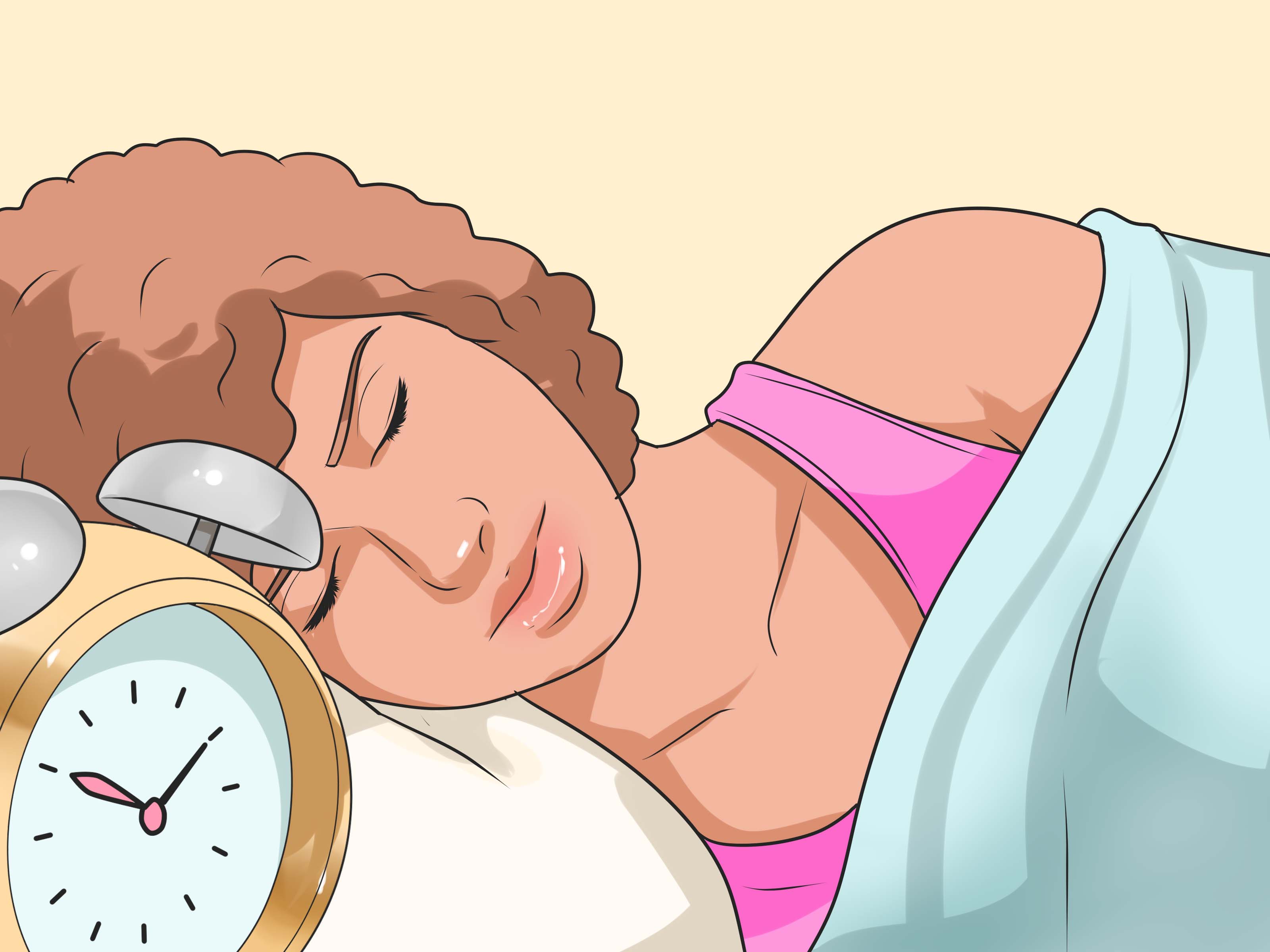
You made it to sunrise. Congratulations, I guess? Whether you stayed up for work, school, a crying baby, a long flight, a deadline, or a terrible decision involving “just one more episode,” the next day can feel like you are walking through wet cement while your brain runs on expired coupons. The good news is that you can get through the day after an all-nighter without turning into a complete chaos goblin. The less-good news is that there is no magic trick that replaces sleep. The goal is not to “beat” biology. The goal is to stay functional, stay safe, and set yourself up to recover the right way.
When you stay awake all night, your attention, reaction time, mood, judgment, and memory all take a hit. That is why the day after no sleep should be treated like a recovery day, not a performance day. You can still handle the basics, but this is not the time to volunteer for complicated tasks, intense workouts, major arguments, or long sleepy drives with the windows down and your playlist pretending to be a medical treatment.
Sleep deficiency harms attention, reaction time, decision-making, and driving safety.
First, Accept the Truth: You Are Not “Fine,” Even If You Feel Weirdly Productive
One of the sneakiest parts of sleep deprivation is that it can make people think they are doing better than they really are. You may feel buzzy, chatty, or strangely proud of your ability to answer emails at 6:12 a.m. after zero sleep. That does not mean your brain is performing normally. It means your body is running on stress hormones, momentum, and blind optimism.
So start with the most useful mindset of the day: lower the bar without lowering your standards. Do what matters most. Delay what can wait. Check your work twice. Use reminders. Write everything down. Keep expectations realistic. If today is not your sharpest day, that is not a character flaw. That is just sleep biology refusing to negotiate.
What to Do in the Morning After an All-Nighter
1. Get Bright Light Early
One of the smartest things you can do after staying up all night is get bright light in the morning, ideally natural sunlight. Light helps cue your body clock and promotes alertness. Open the blinds, step outside, take a short walk, or at least park yourself near a bright window. You do not need to stare dramatically into the horizon like you are in a movie trailer. You just need some real light exposure early in the day.
This can help you stay awake now and also make it easier to reset your sleep schedule later. Think of it as telling your internal clock, “Yes, hello, we made questionable choices, but we are returning to civilization.”
Morning light and sunlight help cue circadian rhythms and improve wakefulness.
2. Eat a Real Breakfast, Not Just Vibes and Caffeine
After no sleep, your appetite may be all over the place. Some people feel too tired to eat, while others want sugar, salt, and a pastry the size of a throw pillow. Aim for a balanced breakfast with protein, fiber, and fluids. Good options include eggs and toast, Greek yogurt with fruit, oatmeal with nuts, or a simple sandwich if your morning already feels lawless.
A solid breakfast helps stabilize energy better than a giant sugar bomb. If you start the day with only a sugary drink and a heroic amount of coffee, you may feel briefly powerful and then crash by midmorning like a laptop at 1% battery.
3. Use Caffeine Strategically, Not Recklessly
Coffee can help. Coffee cannot become sleep. That is an important legal distinction in the court of common sense.
If you use caffeine, do it on purpose. A moderate dose in the morning or early part of the day may improve alertness. Avoid turning the day into an endless caffeine relay race, because too much can leave you jittery, anxious, dehydrated-feeling, and unable to sleep when you finally get the chance. For most healthy adults, federal guidance says up to 400 milligrams a day is not generally associated with negative effects, but that is not a challenge. It is a ceiling, not a personality. Teens, people sensitive to caffeine, and anyone with certain health conditions should be more cautious.
Also, stop caffeine early enough that it will not wreck your recovery sleep later. The goal is to survive today without sabotaging tonight.
Caffeine can help short-term alertness, but too much or late-day intake can disrupt sleep; FDA cites 400 mg/day for most healthy adults, with more caution for others.
4. Consider a Short Power Nap, Not a Coma
If you can nap, keep it short. A power nap of about 10 to 20 minutes can improve alertness without dragging you into deep sleep. A longer nap may leave you groggy or make it harder to fall asleep at a normal time that night. If you are desperate and safe to do so, a brief early-afternoon nap can be a lifesaver. A three-hour accidental couch collapse at 6 p.m. is not a recovery plan. It is a sequel.
Some sleep experts also recommend the classic “caffeine nap”: drink caffeine, then nap for about 20 minutes. Since caffeine takes a little time to kick in, you may wake up with a better boost. It is clever, effective for some people, and far more reasonable than trying to fix your fatigue by yelling at yourself in the mirror.
Short naps can improve alertness; caffeine takes about 30 minutes, making a brief “caffeine nap” useful for some people.
How to Function Through the Middle of the Day
5. Move Your Body in Small, Frequent Bursts
You do not need to punish yourself with a brutal workout after an all-nighter. In fact, if you are completely drained, very intense exercise may feel awful. But gentle movement helps. A brisk walk, stretching break, stairs, standing up every hour, or even a lap around the office can increase alertness. Movement gives your brain a nudge without draining the battery completely.
This is especially helpful during the classic sleepy zones, which often hit in the early afternoon. If your eyelids start acting like weighted blankets, get up and move before your body mistakes your desk for a mattress.
Regular movement and brief activity can help with alertness; many adults naturally feel sleepier in the early afternoon.
6. Stay Hydrated
Water will not cure sleep deprivation, but dehydration can make fatigue, headaches, and sluggishness feel worse. Keep water nearby and drink consistently throughout the day. This matters even more if you are using caffeine, spending time in the heat, or eating salty convenience foods because your sleep-deprived brain thinks crackers count as a personality.
Try pairing hydration with routine moments: one glass when you wake up, one with breakfast, one midmorning, one with lunch, and so on. Simple beats perfect when you are tired.
Hydration supports daytime functioning, and drinking water is a common expert recommendation for staying awake when tired.
7. Keep Meals Light and Steady
Heavy, greasy meals can make you feel even sleepier. Instead, aim for lighter meals and snacks that combine protein, healthy fat, and complex carbs. Think fruit with peanut butter, yogurt and nuts, a turkey sandwich, soup and crackers, or rice with eggs and vegetables. Eat enough to keep your energy stable, but do not launch yourself into a lunch so huge that your body decides digestion is today’s only priority.
Sleep deprivation often increases cravings for high-calorie foods, so planning ahead helps. If you know you are running on fumes, do not leave every food decision to the version of you who thinks a vending machine is a nutritionist.
8. Simplify Your To-Do List
The day after no sleep is not the day to tackle your most mentally demanding project if you can avoid it. Prioritize tasks that are routine, structured, and lower-risk. Save major decisions, delicate conversations, and detail-heavy work for when you are rested. If something important absolutely must get done, break it into smaller steps and build in extra time for mistakes.
Use alarms, sticky notes, checklists, and calendars. Yes, even if you usually keep everything in your head. Today your head is not operating with its usual customer service hours.
What Not to Do After Staying Up All Night
Do Not Drive If You Are Seriously Sleepy
This one is non-negotiable. Drowsy driving is dangerous. If you are fighting to keep your eyes open, missing turns, drifting in your lane, forgetting the last few minutes of the drive, or doing the classic “I’ll just turn the music up and believe in myself,” do not keep driving. Get a ride, pull over somewhere safe, take a short nap, or change your plan entirely.
Being awake all night can impair reaction time and judgment enough to make driving a real safety risk. If your body is trying to have a microsleep behind the wheel, your playlist is not going to save you.
Drowsy driving is dangerous; sleep loss slows reaction time and harms driving ability.
Do Not “Fix” It With Alcohol
Some people get through the day, feel wired and exhausted at the same time, and then decide a drink will help them knock out early. Bad trade. Alcohol may make you sleepy at first, but it can disrupt sleep later and make recovery sleep worse. If the goal is real rest, alcohol is a sloppy assistant.
Alcohol can interfere with sleep later in the night and disrupt sleep quality.
Do Not Keep Chasing Sleep With Late Naps or Late Caffeine
The more you push caffeine later into the day, or the longer you nap into the evening, the harder it may be to fall asleep at a sensible time. That can turn one bad night into two. Recovery works best when you help your body return to a normal rhythm instead of creating a fresh sleep mess every few hours.
Late-day caffeine and late naps can make nighttime sleep harder.
How to Recover That Night
1. Go to Bed Earlier, But Not at 5 p.m.
After an all-nighter, it is reasonable to go to bed earlier than usual. Just try not to do it so early that you wake up at midnight and accidentally begin Season Two of your bad decisions. A slightly earlier bedtime can help you recover without throwing your schedule into total chaos.
2. Keep the Evening Calm
Dim lights, stop caffeine, eat a normal dinner, and give yourself a real wind-down routine. That might mean a shower, quiet music, reading, stretching, or simply getting away from screens for a bit. Your nervous system has had enough drama.
3. Aim to Get Back on Schedule
One night of missed sleep feels rough, but it does not have to become a lifestyle. Most adults need at least seven hours of sleep on a regular basis, and teens need even more. The fastest way back to normal is consistency: a reasonable bedtime, a steady wake time, and fewer “I’ll sleep later” bargains with yourself.
Adults generally need at least 7 hours of sleep regularly; consistency helps re-align sleep.
When an All-Nighter Is a One-Time Thing vs. a Bigger Problem
Sometimes staying up all night is a rare event. Life happens. Deadlines happen. Travel happens. Babies happen. College happens. But if you are regularly unable to sleep, or you rely on all-nighters and caffeine binges just to function, that is worth paying attention to.
Talk with a healthcare professional if you frequently struggle to fall asleep, wake up constantly, snore heavily, feel exhausted during the day, or notice that poor sleep is hurting school, work, mood, or safety. Chronic insomnia and other sleep disorders are real health issues, not personal failures. Behavioral treatment for insomnia is often recommended as a first-line option for long-term sleep problems.
CBT-I is a recommended first-line treatment for chronic insomnia, and ongoing sleep problems deserve medical attention.
Bottom Line
If you have stayed up all night, the next day is about damage control. Get light early, hydrate, eat sensible meals, use caffeine carefully, move a little, nap briefly if needed, and do not trust your sleep-deprived brain with risky decisions it has not earned. Most of all, protect the following night’s sleep so you can recover for real.
You do not need to be heroic. You need to be strategic. Surviving the day after an all-nighter is less about “hacking” your body and more about working with it. Your brain wants sleep. Your body wants rhythm. Your job is to stop pretending they are optional.
Common Real-Life Experiences After an All-Nighter
One common experience is the “false confidence morning.” A person gets through the sunrise feeling surprisingly okay. They shower, answer messages, maybe even crack a joke about how they are “powered by adrenaline and bad choices.” Then around late morning, the crash begins. They reread the same sentence four times. They walk into a room and forget why. They start a simple task, get distracted, and somehow end up reorganizing a drawer instead. This is often the moment when people realize that being awake is not the same thing as being truly alert.
Another very relatable experience happens at work or school: the emotional overreaction day. When people are sleep-deprived, small annoyances feel enormous. A slow elevator becomes a personal insult. A normal email sounds rude. A simple group project feels like a betrayal worthy of a courtroom drama. Later, after real sleep, many people look back and realize the problem was not that the world became unbearable. It was that exhaustion lowered their patience, focus, and ability to regulate emotion.
Then there is the lunchtime trap. A person who skipped sleep makes it to noon and decides they “deserve” a giant burger, fries, dessert, and maybe an iced coffee large enough to require two hands. The meal tastes great for fifteen minutes, and then the body responds with a level of sleepiness usually seen in housecats and toddlers. That heavy, foggy, can’t-think feeling is a classic next-day complaint. Many people discover through experience that lighter meals and smarter snacks work much better than a victory feast for surviving on no sleep.
Driving stories are another category altogether, and they are often the most serious. Many people describe reaching the car thinking they are tired but manageable, only to realize halfway through the trip that they missed an exit, do not remember the last few miles clearly, or keep blinking hard to stay focused. Some people open windows, blast cold air, and turn the music up, only to realize none of it truly fixes the problem. That experience is often the wake-up call that drowsy driving is not just “feeling a little tired.” It is a genuine safety issue.
There is also the evening rebound illusion. After dragging through the afternoon, some people get a second wind at night and think, “Great, I’m back!” Then they stay up too late again, scroll on their phone, or load up on more caffeine to keep going. Suddenly the original all-nighter has become a two- or three-day sleep disaster. Many people learn the hard way that recovery works better when they protect the next night instead of chasing short-term alertness into another late bedtime.
On the more positive side, lots of people also report that one rough, sleepless day teaches them quickly what actually helps. They learn that a short nap works better than a marathon nap. Water and a decent breakfast beat pure coffee. Morning sunlight helps more than hiding indoors. Writing down tasks saves them from forgetfulness. Going to bed a little earlier that night feels dramatically better than trying to “push through” again. In other words, the next-day experience may be miserable, but it often turns people into much more practical sleepers afterward.
Note: This article is intended for general education and web publishing and is based on synthesized guidance from reputable U.S. medical and public health sources, including CDC, NIH/NHLBI, MedlinePlus, Sleep Foundation, AASM Sleep Education, Johns Hopkins Medicine, Mayo Clinic, Cleveland Clinic, Harvard Health, the American Heart Association, and NHTSA. If staying up all night happens often, or if poor sleep keeps affecting your safety, mood, school, or work, talk with a healthcare professional.
Synthesis based on reputable U.S. medical/public health sources.