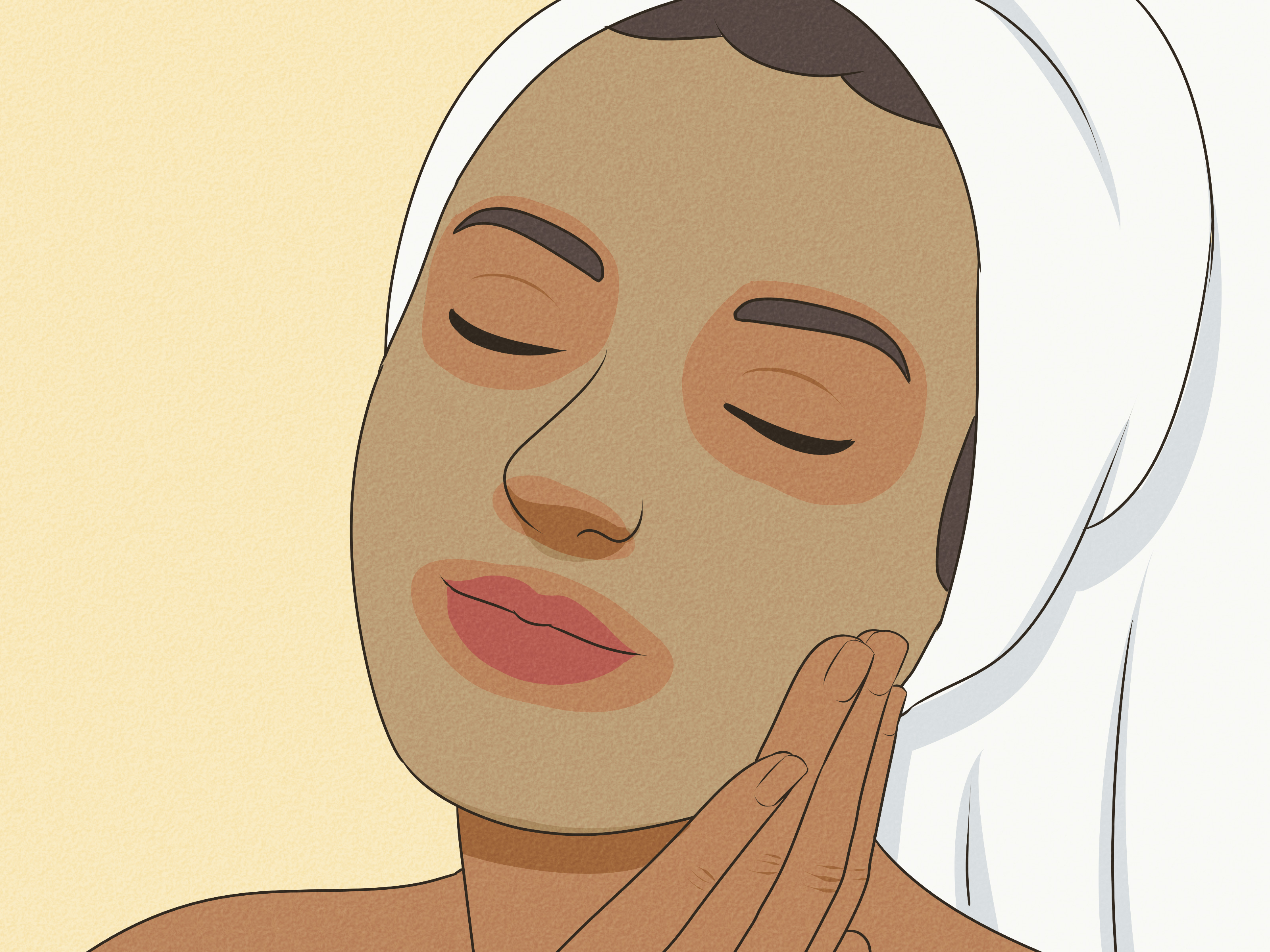
Moisturizing your face sounds simpleopen jar, smear cream, admire glow, move on with your day. But anyone who has ever dealt with tight cheeks, flaky patches, an oily T-zone, makeup that clings like cling wrap, or a forehead that shines like a freshly waxed bowling lane knows there is a little more strategy involved.
The good news? You do not need a 14-product routine, a marble bathroom counter, or a serum that costs the same as a weekend getaway. Learning how to moisturize your face well comes down to understanding your skin type, choosing the right ingredients, applying products in the correct order, and staying consistent. Moisturizer supports the skin barrier, helps reduce water loss, softens rough texture, and makes your face feel more comfortable. Think of it as your skin’s daily “please stop panicking” blanket.
Below are 15 practical, dermatologist-informed steps to help you moisturize your face the right waywhether your skin is dry, oily, sensitive, acne-prone, combination, or simply confused before coffee.
Why Face Moisturizer Matters
Your skin barrier is the outer protective layer that helps keep moisture in and irritants out. When that barrier is healthy, your skin usually feels smoother, calmer, and more balanced. When it is disrupted, you may notice dryness, stinging, redness, flaking, rough patches, or extra oiliness as your skin tries to compensate.
Moisturizers work in three main ways. Humectants such as glycerin, hyaluronic acid, and urea attract water. Emollients such as ceramides, fatty acids, and certain plant oils smooth and soften the skin. Occlusives such as petrolatum, dimethicone, and mineral oil help seal moisture in. A good face moisturizer often combines more than one of these ingredient types, giving your skin hydration, softness, and protection in one neat little package.
How to Moisturize Your Face: 15 Steps
1. Identify Your Skin Type First
Before buying a moisturizer, figure out what your skin actually needs. Dry skin often feels tight, rough, flaky, or dull. Oily skin looks shiny and may feel greasy by midday. Combination skin is usually oily in the T-zone and drier on the cheeks. Sensitive skin may sting, burn, or react easily to fragrance, exfoliants, or weather changes. Acne-prone skin may break out when products are too heavy or pore-clogging.
A simple test: wash your face with a gentle cleanser, pat it dry, and wait 30 minutes without applying anything. If your face feels tight, you are likely dry. If it looks shiny all over, you may be oily. If only your forehead, nose, and chin shine, combination skin is likely. If your skin feels itchy, hot, or irritated, sensitivity may be part of the picture.
2. Choose the Right Texture
The texture of your moisturizer matters almost as much as the ingredient list. Dry skin usually likes richer creams or ointment-like formulas. Oily or acne-prone skin often does better with lightweight lotions, gels, or gel-creams labeled oil-free or non-comedogenic. Combination skin may need a light moisturizer all over and a richer cream only on dry areas.
Do not choose a moisturizer just because it looks pretty on a shelf. Your skin does not care if the jar is minimalist and beige. Your skin cares whether the product helps it feel calm, hydrated, and comfortable.
3. Look for Hydrating Ingredients
For a reliable face moisturizer, look for humectants that pull water into the outer layer of the skin. Helpful ingredients include glycerin, hyaluronic acid, aloe vera, panthenol, and urea. These are especially useful if your skin feels dehydrated, tight, or dull.
Hyaluronic acid is popular because it can help skin feel plumper and more hydrated, but it works best when sealed in with a moisturizer. Glycerin is less glamorous but extremely dependable. It is the quiet overachiever of skin carethe ingredient equivalent of someone who brings snacks, remembers deadlines, and never asks for applause.
4. Support Your Skin Barrier With Ceramides
Ceramides are lipids naturally found in the skin barrier. When your barrier is weakened, ceramide-rich products may help skin feel smoother and less dry. They are especially useful for dry, sensitive, mature, or eczema-prone skin.
Other barrier-friendly ingredients include niacinamide, cholesterol, fatty acids, colloidal oatmeal, squalane, and shea butter. If your face often feels irritated after cleansing or exfoliating, a simple moisturizer with ceramides can be a smart reset.
5. Avoid Common Irritants If Your Skin Is Sensitive
If your skin is sensitive, choose fragrance-free formulas whenever possible. “Unscented” is not always the same thing as fragrance-free; unscented products may still contain masking fragrance. Also be cautious with essential oils, menthol, alcohol-heavy formulas, and strong exfoliating acids if your skin is already dry or reactive.
A moisturizer should not make your face feel like it is auditioning for a volcano documentary. Mild tingling from certain active products may happen, but burning, itching, swelling, or persistent redness is a sign to stop using the product.
6. Cleanse Gently Before Moisturizing
Moisturizer works best on clean skin. Use a gentle cleanser that removes sweat, sunscreen, makeup, and oil without stripping your face. Avoid harsh scrubs or squeaky-clean cleansers that leave your skin feeling tight. That “tight” feeling is not cleanliness; it is usually your barrier waving a tiny white flag.
In the morning, some people only need a splash of lukewarm water, especially if their skin is dry. At night, cleansing is more important because sunscreen, pollution, makeup, and daily grime can build up on the skin.
7. Use Lukewarm Water, Not Hot Water
Hot water may feel relaxing, but it can strip natural oils from the skin and make dryness worse. Use lukewarm water when washing your face. Keep showers reasonable in length, especially if your skin is prone to dryness.
If your bathroom mirror fogs up like a dramatic movie scene, your water may be too hot for your skin. Your face wants comfort, not a steam-room survival challenge.
8. Apply Moisturizer to Slightly Damp Skin
One of the best moisturizing tricks is also one of the easiest: apply moisturizer while your skin is still slightly damp. After cleansing, gently pat your face with a towel but do not dry it completely. Then apply moisturizer within a minute or two.
This helps trap water on the skin’s surface. If you wait until your face is bone-dry, you may miss that extra hydration boost. Damp skin plus moisturizer is like putting a lid on a pot before the soup escapes.
9. Use the Right Amount
For most people, a pea-sized to nickel-sized amount is enough for the face, depending on the product texture and skin type. Rich creams spread differently than gel moisturizers, so adjust as needed. Your face should feel comfortable, not coated in frosting.
If your skin still feels tight after 10 minutes, you may need a little more product or a richer formula. If your face feels greasy for hours, you may be using too much or choosing a moisturizer that is too heavy for your skin.
10. Apply With Gentle Upward Motions
Use clean fingertips to apply moisturizer in gentle upward and outward motions. Do not drag, rub aggressively, or treat your face like a stubborn stain on a countertop. Gentle pressure is enough.
Start with the cheeks, then move to the forehead, nose, chin, jawline, and neck. The neck is often forgotten, but it deserves moisture too. Your face and neck are neighbors; do not moisturize one and leave the other to fend for itself.
11. Layer Skin Care in the Correct Order
A simple rule is to apply products from thinnest to thickest. After cleansing, apply lightweight serums first, then moisturizer, then sunscreen in the morning. At night, cleanse, apply treatment products if you use them, and finish with moisturizer.
If you use acne treatments, retinoids, or exfoliating acids, moisturizer can help reduce dryness and irritation. Some people prefer the “sandwich method” with retinoids: moisturizer, retinoid, then another thin layer of moisturizer. This may make strong products easier to tolerate.
12. Moisturize Morning and Night
Most skin types benefit from moisturizing twice a day: once in the morning and once at night. Morning moisturizer helps keep skin comfortable under sunscreen and makeup. Night moisturizer supports the skin while you sleep, when your face is not battling wind, sun, office air conditioning, or that mysterious indoor dryness that appears every winter.
If you have oily skin, do not skip moisturizer automatically. Dehydrated oily skin can still feel tight and produce excess shine. Choose a lightweight, non-comedogenic formula instead of avoiding moisturizer altogether.
13. Always Use Sunscreen During the Day
Moisturizer helps hydrate and protect the skin barrier, but it does not replace sunscreen unless it clearly contains broad-spectrum SPF. During the day, finish your routine with broad-spectrum sunscreen, ideally SPF 30 or higher, especially when you will be outdoors or near windows.
If you use a moisturizer with SPF, apply enough to get proper coverage. Many people under-apply SPF moisturizers, so a separate sunscreen can be more reliable. Reapply sunscreen at least every two hours when outdoors, sweating, or swimming.
14. Adjust Your Moisturizer by Season
Your skin may need different support depending on the season. In winter, cold air and indoor heating can make skin drier, so a richer cream may help. In summer, humidity and sweat may make a lightweight gel-cream more comfortable.
Climate matters too. Someone living in Arizona may need a different moisturizer than someone in Florida. Your skin care routine should be flexible, not carved into stone like an ancient beauty commandment.
15. Know When to See a Dermatologist
If your skin stays painfully dry, cracked, itchy, inflamed, or flaky despite consistent moisturizing, it may be time to see a dermatologist. Conditions such as eczema, rosacea, psoriasis, allergic reactions, acne, or medication-related dryness may require specific treatment.
You should also get help if a moisturizer causes swelling, hives, severe burning, or a rash that does not go away. Skin care should improve your life, not turn your face into a mystery case.
Best Face Moisturizer Ingredients by Skin Type
For Dry Skin
Look for glycerin, hyaluronic acid, ceramides, petrolatum, shea butter, dimethicone, squalane, and mineral oil. Creams are usually better than thin lotions for very dry skin.
For Oily Skin
Choose lightweight gel or lotion formulas labeled oil-free and non-comedogenic. Helpful ingredients include glycerin, hyaluronic acid, niacinamide, and lightweight silicones such as dimethicone.
For Sensitive Skin
Pick fragrance-free, dye-free formulas with simple ingredient lists. Ceramides, colloidal oatmeal, aloe, panthenol, and niacinamide may be helpful, though every sensitive face has its own opinion committee.
For Acne-Prone Skin
Use a non-comedogenic moisturizer that hydrates without heaviness. Avoid applying thick occlusive products all over the face unless recommended by a dermatologist. If acne medication dries you out, consistent moisturizing can make your treatment easier to tolerate.
For Mature Skin
Look for ceramides, peptides, glycerin, hyaluronic acid, niacinamide, and richer emollients. Mature skin often becomes drier over time, so a creamier texture may feel better than a lightweight gel.
Common Face Moisturizing Mistakes
Using Too Many Active Ingredients
Retinoids, exfoliating acids, vitamin C, benzoyl peroxide, and other actives can be useful, but using too many at once may irritate your skin. When your barrier feels angry, simplify: gentle cleanser, moisturizer, sunscreen. Let your face take a vacation from chaos.
Skipping Moisturizer Because You Have Oily Skin
Oil and hydration are not the same. Oily skin can still be dehydrated. A lightweight moisturizer can help balance the skin without making it greasy.
Applying Moisturizer Only When Skin Is Already Flaky
Moisturizer works best as prevention, not just rescue. Apply it daily to maintain barrier comfort instead of waiting until your cheeks feel like decorative parchment.
Forgetting the Neck and Hairline
The neck, jawline, around the ears, and hairline often get skipped. These areas can become dry too, especially if you use acne treatments, retinoids, or sunscreen daily.
Expecting Instant Perfection
Moisturizer can make skin feel better quickly, but barrier repair takes consistency. Give a new moisturizer a couple of weeks unless it causes irritation. Your skin is not a microwave meal; it may need time.
A Simple Morning and Night Moisturizing Routine
Morning Routine
Start with a gentle cleanse or rinse. Apply a hydrating serum if you use one. Follow with moisturizer while the skin is slightly damp. Finish with broad-spectrum sunscreen. If you wear makeup, let your moisturizer and sunscreen settle for a few minutes before applying foundation or concealer.
Night Routine
Remove makeup and sunscreen if needed. Cleanse gently. Apply treatment products such as retinoids or acne medication if they are part of your routine. Finish with moisturizer. If your skin is very dry, use a richer cream at night than you use in the morning.
Extra Experience: What Moisturizing Your Face Is Really Like in Daily Life
In theory, moisturizing your face is a peaceful ritual. In real life, it often happens while you are half-awake, brushing your teeth, looking for matching socks, and wondering why your skin suddenly decided to become “combination” on a Tuesday. The experience becomes easier once you stop chasing perfect skin and start paying attention to patterns.
For example, many people notice their moisturizer works beautifully in spring but suddenly feels useless in winter. That does not mean the product betrayed you. It may simply mean the air is drier, indoor heat is running, or your skin barrier needs a richer cream. Switching from a light lotion to a cream at night can make a big difference. You do not have to overhaul your entire routine; sometimes one texture upgrade is enough.
Another common experience is the “my skin is oily, so I should dry it out” phase. Many people with oily or acne-prone skin use harsh cleansers, skip moisturizer, and then wonder why their face feels tight but still shiny. A lightweight moisturizer can be a game changer because it gives the skin water-based hydration without adding a heavy film. When skin feels less stripped, it often looks calmer under sunscreen and makeup.
People who use retinoids or acne treatments also learn quickly that moisturizer is not optional. Benzoyl peroxide, salicylic acid, prescription acne creams, and retinoids can cause dryness or peeling, especially at first. Applying moisturizer consistently can help your skin tolerate these products better. Some users find that applying moisturizer before a retinoid reduces irritation. Others prefer moisturizer after treatment. The best method is the one your skin can handle consistently.
There is also the makeup test. A good moisturizer should help foundation glide on more smoothly, not pill, separate, or cling to flakes. If your makeup looks patchy, try applying moisturizer to damp skin, waiting five to ten minutes, and then applying sunscreen or primer. If products still roll up into tiny flakes, you may be layering too much product, mixing incompatible textures, or using more moisturizer than your skin can absorb.
Sensitive skin brings its own adventure. A moisturizer that everyone online calls “holy grail” may make your face sting. That does not mean your skin is dramaticalthough it may be a little theatrical. It means your barrier or immune response may not like a certain ingredient. Patch testing a new product on a small area for a few days can save you from applying regret to your entire face.
Another real-world lesson: expensive does not always mean better. Some of the most effective moisturizers are simple, fragrance-free, drugstore-friendly formulas built around glycerin, ceramides, petrolatum, dimethicone, or hyaluronic acid. Fancy packaging is fun, but your skin barrier cannot read price tags.
Finally, consistency matters more than perfection. You may forget one night. You may use too much one morning. You may buy a moisturizer that feels like pancake batter. That is fine. Adjust and keep going. The best face moisturizing routine is not the most complicated one; it is the one you will actually do, twice a day, without needing a spreadsheet, a ring light, or emotional support from a beauty influencer.
Conclusion
Learning how to moisturize your face is less about chasing trends and more about giving your skin what it needs every day. Start with your skin type, choose a texture that feels comfortable, look for proven ingredients like glycerin, hyaluronic acid, ceramides, niacinamide, and occlusives, and apply moisturizer to slightly damp skin. Keep your routine simple, protect your face with sunscreen in the morning, and adjust your products when the weather or your skin changes.
Healthy-looking skin does not require a complicated routine. It needs gentle cleansing, smart moisturizing, daily sun protection, and enough patience to let your skin barrier recover. Treat your face kindly, and it is much more likely to return the favor.