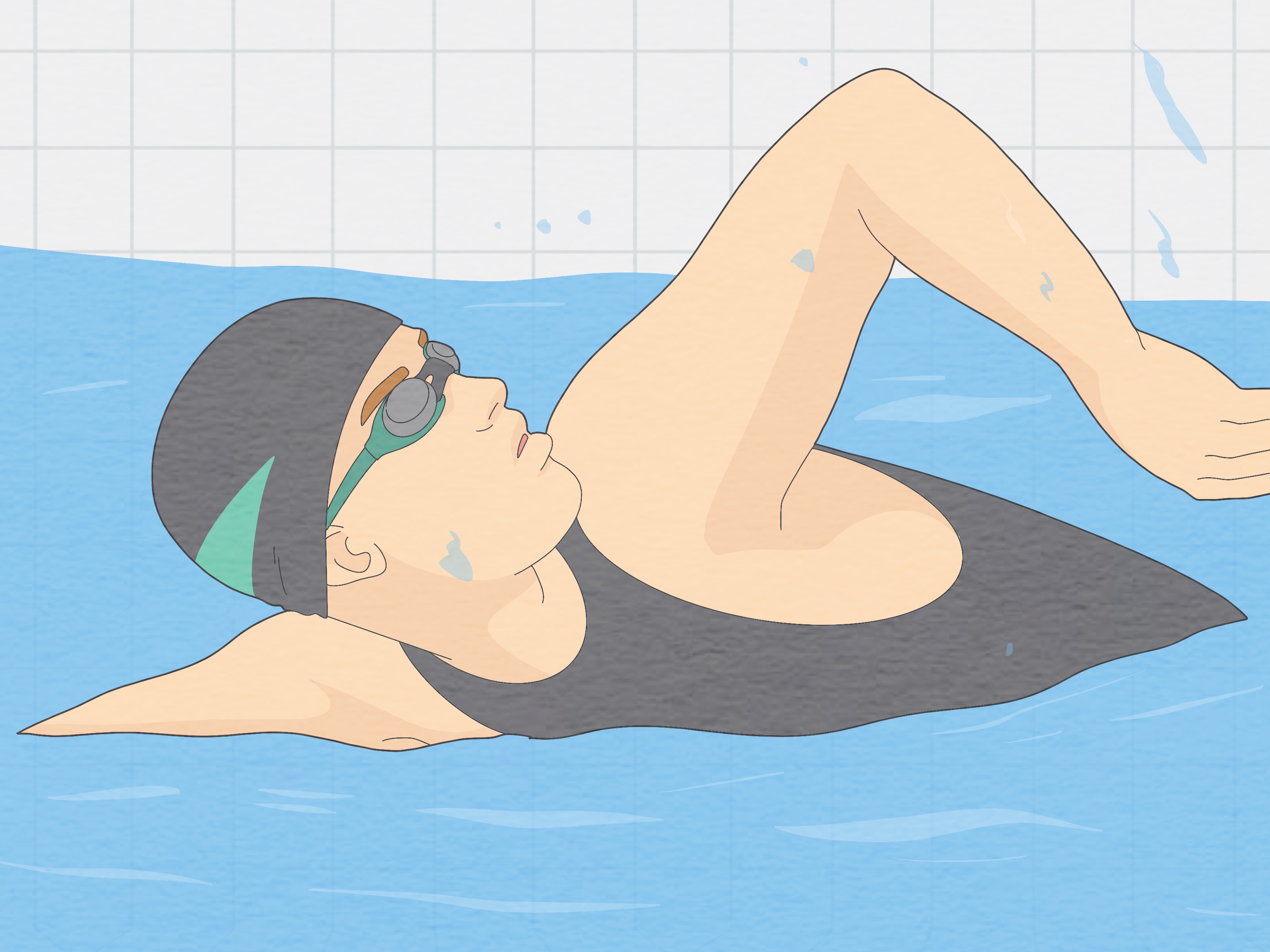
Preparing for a swim meet is part sport science, part logistics, and part “please tell me I packed both goggles.” Whether you are a first-time age-group swimmer, a high school athlete chasing a personal best, or a parent trying to survive a 6:30 a.m. warm-up without spilling coffee on the heat sheet, good preparation can make the whole day calmer, faster, and a lot more fun.
The best swim meet preparation does not begin when the announcer calls your event. It starts days before, with consistent nutrition, smart hydration, quality sleep, a race plan, and a meet bag that does not look like it was packed by a raccoon in a hurry. The goal is simple: arrive at the pool ready to swim, not ready to panic.
This guide breaks down how to prepare for a swim meet using 14 practical keys to success. You will learn what to do the week before, the night before, the morning of the meet, between races, and after your final swim. Think of it as your pool-deck survival manualminus the soggy granola bar stuck to the bottom of your backpack.
Why Swim Meet Preparation Matters
Swim meets are different from regular practices. At practice, you know the lane, the coach, the routine, and usually where your water bottle wandered off to. At a meet, there are heat sheets, crowded warm-up lanes, long waits, loud whistles, nervous swimmers, and the mysterious smell of chlorine mixed with concession-stand nachos.
Preparation helps you control what can be controlled. You cannot control your lane assignment, another swimmer’s speed, or whether the scoreboard decides to take a dramatic pause. But you can control your sleep, food choices, warm-up routine, equipment, attitude, and race strategy. That is where success begins.
How to Prepare for a Swim Meet: 14 Keys to Success
1. Know Your Events, Times, and Meet Format
Before the meet, confirm your events, strokes, distances, warm-up time, start time, pool location, and check-in requirements. Some meets require positive check-in for distance events or relays. Others run fast, slow, or in ways only the timing system fully understands.
Write down your events in order. Include estimated race times, heat and lane if available, and how much rest you may have between swims. A swimmer doing the 50 freestyle and 100 butterfly back-to-back needs a very different plan from someone swimming one event three hours after warm-up. Knowing the schedule prevents that classic pool-deck sprint: “Wait, that was my event?”
2. Set Clear, Realistic Goals
A good swim meet goal is specific and controllable. “Win everything” sounds exciting, but it depends on other swimmers. Better goals include holding a tight streamline off every wall, breathing every three strokes on the first lap, staying calm before the start, or finishing the last 25 stronger than usual.
For example, in a 100 freestyle, your goal might be: strong dive, six dolphin kicks, relaxed first 50, aggressive turn, fast legs on the final 25. That plan gives your brain something useful to do instead of replaying every possible disaster like a tiny nervous movie director.
3. Practice Your Race Plan Before Meet Day
Meet day is not the time to invent a brand-new strategy. If you have never tried a long underwater breakout, a different breathing pattern, or a faster opening split, test it in practice first. Your body performs best when it recognizes the assignment.
Ask your coach for a race plan based on your event. Sprinters may focus on starts, breakouts, tempo, and clean finishes. Middle-distance swimmers may need pacing and controlled speed. Distance swimmers must avoid going out like a rocket and returning like a pool noodle. The best race plan is simple enough to remember when your heart is pounding behind the blocks.
4. Taper Smart, Do Not Just “Do Less”
For championship meets, many swimmers taper, meaning training volume may decrease while speed, technique, and recovery become priorities. Tapering is not an excuse to become one with the couch. It is a planned adjustment designed to help your body feel fresh, powerful, and sharp.
Follow your coach’s instructions. Keep your strokes clean, turns crisp, and attitude positive. Some swimmers feel amazing during taper. Others feel weird, heavy, or suspiciously bouncy. That is normal. Trust the process, keep showing up, and resist the urge to “test” yourself with random all-out efforts the day before the meet.
5. Prioritize Sleep Like It Is Part of Training
Sleep is one of the most underrated performance tools in swimming. A tired swimmer may still finish the race, but reaction time, focus, mood, and muscle recovery can all suffer when sleep is poor. The night before matters, but the whole week matters more.
Aim for a consistent bedtime several days before the meet. Pack early so you are not searching for goggles at midnight like a detective in a chlorine-themed crime drama. Put screens away before bed, prepare your clothes, and set more than one alarm if early warm-up is involved. Your future self will thank you, possibly with a faster breakout.
6. Eat Consistently Before the Meet
Good swim meet nutrition starts before race morning. The week of the meet is not the time for dramatic food experiments. Eat balanced meals with carbohydrates for energy, protein for muscle repair, healthy fats, fruits, vegetables, and enough fluids. In other words, eat like an athlete, not like someone dared you to survive on candy and vibes.
The night before a meet, choose familiar foods that digest well. Pasta with lean protein, rice bowls, potatoes, sandwiches, soup, eggs, yogurt, fruit, and vegetables can all work depending on your preferences. Avoid unusually greasy, heavy, spicy, or high-fiber meals if they tend to bother your stomach. A swim meet is exciting enough without gastrointestinal plot twists.
7. Build a Meet-Day Breakfast That Works
On race morning, eat a breakfast you already know your body handles well. A good pre-meet meal usually includes easy-to-digest carbohydrates, some protein, and fluids. Examples include oatmeal with banana, toast with peanut butter, yogurt with granola, eggs with toast, a bagel with cream cheese, or cereal with milk.
If warm-up is very early and your stomach is still asleep, keep breakfast lighter and bring snacks for later. Do not skip food completely unless your coach, parent, doctor, or sports dietitian has helped you plan around a specific issue. Swimming burns energy, and “I forgot to eat” is not a strategy; it is how a swimmer becomes emotionally attached to a vending machine.
8. Hydrate Before You Feel Thirsty
Swimmers sweat in the pool, even though it is hard to notice because, well, they are already wet. Hydration supports endurance, concentration, breathing efficiency, and muscle function. Start drinking regularly in the days before the meet instead of trying to fix everything with one heroic bottle of water at warm-up.
Water is enough for many swimmers, especially for shorter meets. For long sessions, hot pool decks, heavy sweating, or multiple races, drinks with electrolytes may help replace sodium and fluids. Choose options that sit well in your stomach. Also, use common sense: pale yellow urine usually suggests decent hydration, while very dark urine may mean you need more fluids. If you have medical conditions, ask a healthcare professional for individual hydration guidance.
9. Pack Your Swim Meet Bag the Night Before
A well-packed swim bag can save your meet. Pack at least two towels, racing suit, backup suit, two pairs of goggles, two caps, water bottle, healthy snacks, warm clothes, sandals, team shirt, deck pass if needed, and any personal medication. Add entertainment for long waits, such as a book, homework, cards, headphones, or something quiet that will not drain your energy.
Parents may want to pack folding chairs, a blanket, phone charger, cash, snacks, and patience in industrial quantities. Swimmers should label gear clearly. At meets, black goggles multiply like identical twins, and towels disappear into the universe.
10. Arrive Early and Learn the Pool
Plan to arrive early enough to park, find your team area, check in, use the restroom, talk to your coach, and get ready for warm-up without rushing. Rushing is the natural enemy of good swimming. It raises nerves, causes forgotten gear, and makes everyone walk faster than necessary while carrying too many bags.
Once you arrive, locate the competition pool, warm-up area, clerk of course if used, bathrooms, team seating, and posted heat sheets. Notice the walls, backstroke flags, starting blocks, and traffic flow. If the pool feels unfamiliar, simply learning the environment can make it feel less intimidating.
11. Warm Up With Purpose
A swim meet warm-up should gradually prepare your body for racing. Start easy, build your heart rate, loosen your shoulders, practice your stroke rhythm, and include a few short efforts at race speed. If starts are allowed, practice one or two safely and only when directed by meet rules and your coach.
Warm-up is not a race, a wrestling match, or a chance to prove lane dominance. Crowded lanes require awareness. Swim predictably, pass carefully, and avoid stopping in the middle of the lane unless you enjoy being gently attacked by freestyle arms. After warm-up, dry off, stay warm, sip fluids, and keep your energy calm.
12. Manage Nerves With a Pre-Race Routine
Nerves are not the enemy. They are your body’s way of saying, “Something important is happening.” The trick is to guide that energy. Create a simple pre-race routine: check cap and goggles, take slow breaths, review one or two race cues, shake out your arms, and visualize the first part of your swim.
Visualization does not have to be mystical. Picture your dive, streamline, breakout, first stroke, turn, and finish. Make the image clear and positive. If your thoughts wander into disaster territory, bring them back to action words like “long,” “quick,” “strong kick,” or “finish through the wall.” Your brain needs instructions, not a horror podcast.
13. Fuel Wisely Between Races
Meet sessions can last for hours, so snacks matter. The best between-race foods are familiar, portable, and easy to digest. Good options include bananas, applesauce pouches, pretzels, crackers, granola bars, rice cakes, dry cereal, fruit, yogurt, turkey sandwiches, or small portions of pasta or rice.
Match the snack to the time before your next race. If you have only 20 minutes, choose quick carbohydrates and small sips of fluid. If you have two hours, you may tolerate a more complete snack with protein. Avoid giant meals right before swimming. Nothing says “bad idea” like diving in while your stomach is still negotiating with a burrito.
14. Cool Down, Recover, and Review
After each race, check in with your coach as soon as possible. Coaches can help you understand what went well and what to adjust. If a cool-down pool is available, swim easy after racing to help your body recover. If not, keep moving lightly, breathe deeply, change into dry clothes, and refuel.
After your final event, recovery continues. Eat a balanced meal, drink fluids, stretch gently if that feels good, and get sleep. Later, write down a few notes: best race, best skill, biggest lesson, and one focus for next time. Improvement in swimming is built from hundreds of small details, not one dramatic movie montagealthough goggles flying off during a race may feel cinematic.
Swim Meet Checklist: What to Bring
Essential Gear
- Racing suit and backup suit
- Two pairs of goggles
- Two swim caps
- At least two towels
- Team shirt, hoodie, sweatpants, or parka
- Sandals or deck shoes
- Water bottle
- Healthy snacks and small meals
- Any required medications, inhalers, or medical supplies
- Phone, charger, headphones, book, or quiet activity
Nice-to-Have Items
- Extra hair ties
- Permanent marker for events
- Plastic bag for wet clothes
- Hand sanitizer
- Small first-aid items
- Blanket or compact chair for long sessions
- Notebook for race reflections
What Not to Do Before a Swim Meet
Some mistakes are common because they seem harmless. Do not try brand-new foods, brand-new goggles, brand-new suits, or brand-new race strategies on meet day. Do not stay up late packing. Do not skip breakfast just because you feel nervous. Do not spend the entire meet running around the facility and then wonder why your legs feel like cooked spaghetti.
Also, avoid comparing yourself to every swimmer around you. There will always be someone with a faster seed time, a shinier tech suit, or a warm-up routine that looks like an Olympic documentary. Focus on your lane, your cues, and your progress. Swimming is competitive, but your most important opponent is often your own previous best.
Meet-Day Experience: Real Pool-Deck Lessons That Help
Here is the honest truth about swim meets: they rarely go perfectly. Someone forgets a towel. A heat runs faster than expected. The pool deck is either freezing or approximately the temperature of soup. Your goggles fog. Your favorite snack suddenly seems disgusting. Your event is delayed, then suddenly called, because swim meet time is a mysterious creature.
Experienced swimmers learn to stay flexible. One of the best habits is keeping a simple rhythm: race, talk to coach, cool down, refuel, rest, prepare again. That rhythm protects you from wasting energy. Without it, swimmers tend to drift into chaosrunning around, checking results every 11 seconds, eating random candy, and asking “What event are we on?” with increasing panic.
A helpful experience-based tip is to pack your bag in sections. Keep race gear in one pocket, snacks in another, dry clothes in another, and wet items in a separate bag. When everything has a place, you do not have to unpack your entire life on the pool deck to find one cap. Bonus: your granola bar will not taste faintly like chlorine and sadness.
Another lesson is to protect your energy between races. Younger swimmers especially may treat the meet like a festival: cheering, sprinting around, playing games, and visiting the concession stand as if they are on a culinary tour. Cheering for teammates is great, but learn when to sit, breathe, and stay warm. A calm swimmer with saved legs often beats a hyped swimmer who spent two hours bouncing like popcorn.
Parents can help by being supportive without becoming a second scoreboard. After a race, avoid starting with “Why did you breathe there?” or “You were ahead at the 50!” Instead, try “I loved watching you race,” “What did coach say?” or “What do you need before your next swim?” The coach handles technical feedback. The parent handles snacks, hugs, perspective, and the heroic transportation of wet towels.
Swimmers should also learn how to handle disappointment. Not every race brings a best time. Sometimes you slip on the start, miss a turn, tighten up, or swim slower even though you prepared well. That does not mean the meet was a failure. Ask what the race taught you. Maybe your first 50 was too aggressive. Maybe your underwater work improved. Maybe you learned that eating a giant muffin 12 minutes before the 200 butterfly is a decision for the history books.
The best swimmers are not the ones who never feel nervous or never have bad races. They are the ones who learn quickly, reset well, and keep showing up. Every meet gives you data: how you warmed up, what food worked, how much rest you needed, which thoughts helped, and which habits made you feel ready. Over time, those lessons become your personal race-day system.
So when you prepare for your next swim meet, do not aim for perfection. Aim for readiness. Pack well, sleep well, eat steadily, hydrate early, listen to your coach, race with courage, and learn something useful. And yes, bring extra goggles. The swimming universe respects preparation, but it still enjoys pranks.
Conclusion
Learning how to prepare for a swim meet is really learning how to give yourself the best chance to perform. The work includes training, but it also includes sleep, nutrition, hydration, mental focus, warm-up, packing, and recovery. None of these steps need to be complicated. In fact, the best swim meet routine is usually simple, repeatable, and familiar.
Remember the 14 keys: know the schedule, set clear goals, practice your race plan, taper smart, sleep well, eat consistently, choose a good breakfast, hydrate early, pack carefully, arrive early, warm up with purpose, manage nerves, fuel between races, and recover after each swim. Do those things consistently, and you will arrive at the blocks with confidence instead of chaos.
Note: This article is synthesized from reputable U.S. swimming, sports nutrition, pediatric sports health, hydration, warm-up, and recovery guidance, then rewritten as original web content for publication.