Note: This original article is written for web publishing and synthesizes current product, home-improvement, organization, and interior-design information without embedding source links in the article body.
A Small Hook With Big Main-Character Energy
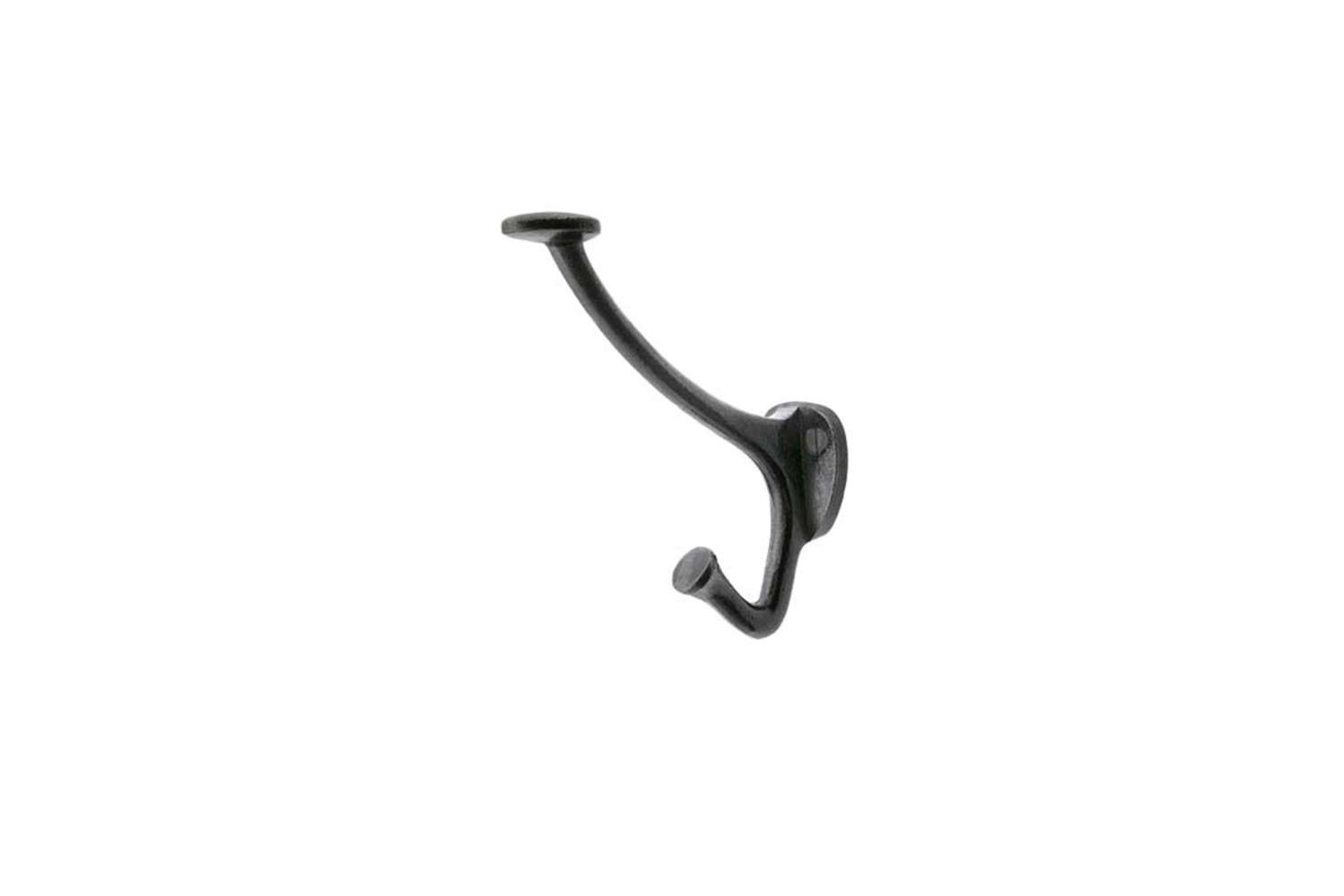
The Cast-Iron Derby Coat and Hat Hook with Lacquer Finish is one of those home details that quietly does a ridiculous amount of work. It holds coats, hats, bags, scarves, umbrellas, pet leashes, and sometimes the emotional weight of an entire messy entryway. It is small enough to fit on a narrow wall, handsome enough to look intentional, and sturdy enough to make flimsy plastic hooks feel like they need a motivational speech.
At first glance, this hook looks simple: a compact cast-iron wall hook with a classic double-hook shape and a protective lacquer finish. But that simplicity is exactly the charm. It brings a vintage, industrial, slightly old-house feeling to mudrooms, foyers, closets, laundry rooms, kitchens, bathrooms, and bedrooms. In a world full of overdesigned storage gadgets, this hook says, “Relax. I have one job, and I am very good at it.”
For homeowners, renters with permission to mount hardware, DIY decorators, and anyone tired of coats living permanently on dining chairs, the Derby-style cast iron coat and hat hook is a practical upgrade with serious style mileage. It is not flashy, but it has presence. Think of it as the quiet guest at dinner who fixes the wobbly table leg while everyone else is debating paint colors.
What Is a Cast-Iron Derby Coat and Hat Hook?
A Derby coat and hat hook is a wall-mounted double hook designed to hold different types of everyday items at once. The upper arm is typically used for hats, heavier coats, tote bags, and backpacks, while the lower hook works well for lighter jackets, scarves, keys on a loop, dog leashes, or a small umbrella. The design is compact but highly useful because it separates items vertically instead of forcing everything into one crowded pile.
The cast-iron version has a special appeal. Cast iron is valued in home hardware because it feels substantial, looks timeless, and brings texture that modern lightweight materials often lack. The lacquer finish adds a protective layer that helps preserve the iron surface and gives the hook a finished, slightly polished appearance. It still looks rugged, just not “found under a tractor in 1937” rugged.
Product-style details that matter
A typical Cast-Iron Derby Coat and Hat Hook with Lacquer Finish has a compact back plate, an overall height of about 4 3/4 inches, and a projection of about 3 3/4 inches from the wall. That projection is important because a hook needs enough depth to hold real items, not just a decorative scarf that has never seen weather. The small base plate also makes it easy to install several hooks in a row on a board, wall panel, or decorative back plate.
The hook’s design makes it especially useful in high-traffic areas. In an entryway, it can catch the jacket you grab every morning. In a mudroom, it can handle hats, raincoats, and school bags. In a kitchen, it can hold aprons and market totes. In a bathroom, it can work for robes or towels, as long as the space is properly ventilated and the finish is kept dry. Basically, it is the home-organization equivalent of a reliable friend with a pickup truck.
Why Cast Iron Still Wins in Home Hardware
Cast iron has a long history in architectural hardware because it is strong, moldable, and visually rich. It can be cast into decorative shapes while still delivering the kind of durability people expect from hardworking household hardware. Unlike thin stamped metal or lightweight plastic, cast iron has physical presence. You feel it when you hold it. You notice it when it is mounted. It does not apologize for being useful.
For coat hooks, that sturdiness matters. Coats are not always light, especially in winter. Add a bag, a scarf, a hat, and one mystery tote full of “things I’ll put away later,” and suddenly your hook has entered a weightlifting competition. A cast-iron coat hook is built for that kind of daily use when it is installed correctly into a stud, solid wood, or appropriate wall anchors.
The role of the lacquer finish
The lacquer finish is more than decorative. It helps protect the iron surface from moisture, fingerprints, and everyday wear. A clear or dark lacquer can also help preserve the raw iron look while slowing down rust development. That said, lacquer is not magic armor. If the finish is scratched, chipped, or repeatedly exposed to moisture, the iron underneath may eventually oxidize. In plain English: dry it, dust it, and do not treat it like a submarine.
For care, keep things simple. Wipe the hook with a soft dry cloth during regular cleaning. If needed, use a lightly damp cloth with mild soap, then dry it thoroughly. Avoid harsh abrasive pads, aggressive chemical cleaners, or anything that could strip or cloud the lacquer. If a tiny rust spot appears years down the road, address it early rather than pretending it is “vintage character” until it becomes a full personality.
Where to Use a Cast-Iron Derby Coat and Hat Hook
The beauty of a wall hook is that it adds storage without demanding floor space. This is excellent news for small homes, apartments, narrow hallways, older houses with mysterious closet shortages, and entryways that currently rely on a chair, a shoe pile, and hope.
Entryway and foyer
The front door is the hook’s natural habitat. Mount three to five Derby hooks on a stained wood board for a classic coat rack, or install one near the door for a single everyday jacket and keys. In a small foyer, the cast-iron finish pairs well with wood benches, woven baskets, vintage mirrors, black-framed art, and neutral wall colors.
Mudroom
A mudroom is where organization goes to prove itself. Cast-iron hooks can hold rain jackets, hats, backpacks, lunch bags, and dog-walking gear. Because the Derby hook has two levels, it helps separate bulky coats from smaller items. Give each family member a hook and suddenly the mudroom looks less like a clothing landslide.
Bedroom or closet
In a bedroom, the hook works for robes, tomorrow’s outfit, hats, belts, handbags, or that one hoodie everyone owns and refuses to fold. Inside a closet, it can add extra storage to side walls or a wood panel. The vintage look also makes it more decorative than basic utility hooks.
Kitchen and pantry
In the kitchen, a cast-iron hook can hold aprons, reusable shopping bags, market baskets, or lightweight cookware accessories. It looks especially good in farmhouse, cottage, industrial, and traditional kitchens. Just avoid placing it where it will be constantly splashed with water or cooking grease.
Bathroom or laundry room
Used carefully, a lacquered cast-iron hook can hold robes, towels, laundry bags, or cleaning cloths. The key is ventilation. Bathrooms can be humid, and humidity is not iron’s favorite spa treatment. If the room stays damp, choose placement away from direct water and wipe the hook dry when needed.
How to Install It Correctly
A good hook is only as strong as its installation. This is the part where many people get ambitious, skip the stud finder, and later discover gravity has been conducting a performance review.
Best mounting surfaces
The strongest option is to mount the hook into solid wood or a wall stud. If you are making a coat rack, attach the hooks to a sturdy wood board, then fasten that board into studs. This spreads the load and gives the hook a reliable base. For drywall-only mounting, use wall anchors rated for more weight than you expect the hook to hold. Toggle bolts or heavy-duty anchors are better choices for heavier loads than small plastic anchors.
Recommended height and spacing
For adult use, coat hooks are commonly installed around 60 inches from the floor, measured near the hook area or centerline. For children, mount lower so they can actually use the hook instead of creating a coat pile directly beneath it. When installing multiple hooks, spacing of about 6 to 12 inches between hooks is usually practical, depending on whether you are hanging hats, coats, bags, or bulky winter gear.
If you want a polished look, use painter’s tape to mark the wall before drilling. Step back, look at the spacing, adjust it, then drill. This tiny pause can save you from creating a wall pattern best described as “confused constellation.”
Design Styles That Work With a Derby Cast-Iron Hook
The Cast-Iron Derby Coat and Hat Hook with Lacquer Finish is surprisingly flexible. Its shape leans traditional, but the iron finish gives it enough edge for modern rustic and industrial spaces.
Farmhouse style
Pair the hook with white shiplap, warm wood, woven baskets, and a bench with storage underneath. The cast iron adds contrast and keeps farmhouse decor from feeling too sweet. Every farmhouse entryway needs at least one detail that looks like it could survive a thunderstorm and a toddler.
Industrial style
Use the hook with exposed brick, dark wood, concrete floors, black metal lighting, and simple open shelving. The iron-on-iron look feels intentional, practical, and slightly workshop-inspired without turning your hallway into a machine shop.
Traditional and vintage interiors
Because the hook has an old-world quality, it works beautifully in Victorian-inspired homes, Craftsman-style spaces, colonial interiors, and restored older houses. Mount it on a stained oak board or a painted back plate for a period-friendly look.
Modern rustic rooms
In a modern rustic home, the hook can balance clean walls and simple furniture with texture. It adds just enough imperfection to make a space feel lived-in. That is the secret sauce of rustic design: clean enough for guests, relaxed enough for real life.
Single Hook or Hook Rail: Which Is Better?
A single Derby hook is perfect for tight spaces, small bathrooms, closets, pantries, or beside a door. It works well when you need one reliable landing spot for one person’s daily items.
A row of hooks is better for families, mudrooms, guest entries, or shared spaces. Mount several hooks on a board to create a custom coat rack. This approach also makes installation easier because the board can be secured into studs, while the hooks can be spaced exactly where you want them. Add labels above the hooks for children, guests, or family members. Yes, labels may feel dramatic, but so is asking “Whose backpack is this?” every morning for six months.
What to Hang on Itand What Not To
This hook is ideal for coats, hats, scarves, handbags, backpacks, aprons, leashes, robes, and umbrellas. The upper hook is best for bulkier or heavier items, while the lower hook is useful for smaller accessories. The curved shape helps keep items from slipping off, especially compared with short peg-style hooks.
However, even a strong cast-iron hook has limits. Do not overload it with extremely heavy objects unless the mounting method is designed for that weight. Avoid using adhesive strips for heavy coats or bags. Adhesive hooks are convenient for lightweight temporary items, but a cast-iron coat hook deserves screws, anchors, studs, and a little respect.
Buying Tips for a Cast-Iron Derby Coat and Hat Hook
Before buying, check the dimensions, projection, finish, mounting hardware, and intended use. A hook with a projection around 3 inches or more is often more practical for coats and bags than a shallow decorative hook. Look at the base plate size to make sure it fits your mounting surface. If screws are included, confirm whether they match your wall type and the look you want.
Also consider the finish. A lacquered iron finish offers a vintage look with a layer of protection. A powder-coated finish may feel more uniform and modern. A raw or waxed iron finish may develop more patina over time. None is universally better; it depends on whether you want crisp, rustic, aged, industrial, or antique-inspired style.
Maintenance: Keep It Handsome Without Fuss
One of the best things about this hook is that it does not ask for much. Dust it regularly. Wipe it gently when dirty. Dry it after cleaning. Keep it away from standing moisture. Check the screws once in a while, especially in a busy entryway where bags and coats are pulled on and off daily.
If mounted in a humid room, inspect the finish occasionally. Small scratches can expose the iron beneath the lacquer. Catching wear early helps preserve the hook’s appearance. With basic care, a cast-iron hook can last for years and may even look better as the surrounding space gains character.
Real-Life Experience: Living With a Cast-Iron Derby Coat and Hat Hook
There is something oddly satisfying about installing a proper cast-iron hook. It is a small project, but it changes how a room behaves. Before the hook, the entryway often becomes a temporary storage zone where coats slide off chair backs, hats disappear into alternate dimensions, and tote bags multiply like rabbits with errands. After the hook, everything suddenly has a place. Not a complicated place. Not a system requiring color-coded bins and a family meeting. Just a hook.
The first thing you notice is the weight. A cast-iron Derby hook feels substantial in your hand. It does not feel disposable. It feels like hardware from a time when people expected objects to last longer than a phone charger. Once mounted, it gives the wall a sense of purpose. Even empty, it looks decorative. With a coat on it, it looks useful. With a hat, scarf, and canvas tote on it, it looks like it has its life together, which is more than many entryways can say before coffee.
In daily use, the double-hook design proves its worth quickly. The upper hook naturally takes the heavier item: a winter coat, wool jacket, backpack, or sturdy tote. The lower hook becomes the spot for the smaller things that are always needed but always missing: a cap, leash, umbrella loop, reusable grocery bag, or lightweight hoodie. That separation keeps items from forming one bulky knot. It also makes leaving the house faster because you can actually see what you hung there.
Another pleasant surprise is how well the hook blends into different rooms. On a stained wood board, it looks traditional and warm. On a white wall, it becomes a crisp dark accent. On painted beadboard, it feels cottage-like. Near brick, it leans industrial. In a closet, it simply becomes the most useful square inches of wall you own. This is the rare home accessory that can be both background character and scene stealer, depending on where you put it.
Installation also teaches a useful lesson: the hook may be strong, but the wall must be stronger. Mounting into a stud or solid board gives the most confidence. When the hook is properly secured, you stop thinking about it. That is the highest compliment for functional hardware. It disappears into the rhythm of daily life. You come home, hang your coat, drop your bag, grab the dog leash, and move on. No wobble, no drama, no sad little adhesive strip slowly surrendering to gravity.
Over time, the lacquer finish helps the hook stay neat while still allowing that cast-iron personality to show. It does not need polishing or pampering. A quick dusting and occasional wipe-down are usually enough. The hook may pick up tiny signs of use, but that is part of its charm. It is not jewelry locked in a case; it is working hardware. Its job is to make everyday clutter behave, and it does that with quiet confidence.
The best experience comes from using several hooks together. A row of Derby hooks can transform a wall into a practical drop zone. Add a bench underneath, baskets for shoes, and maybe a small shelf above, and suddenly the entryway looks designed rather than negotiated. Guests know where to hang coats. Kids know where backpacks belong. Adults still occasionally ignore the system, because adults are just tall children with calendars, but at least the system exists.
In the end, the Cast-Iron Derby Coat and Hat Hook with Lacquer Finish is not just a hook. It is a small act of household optimism. It says clutter can be managed, walls can be useful, and practical things can still be beautiful. That is a lot for one little piece of cast iron, but it carries the responsibility well.
Conclusion
The Cast-Iron Derby Coat and Hat Hook with Lacquer Finish is a compact, durable, and stylish storage solution for homes that need order without sacrificing character. Its double-hook form makes it more versatile than a basic peg, while the cast-iron construction gives it long-lasting appeal. The lacquer finish helps protect the surface and enhances the vintage-inspired look, making it a smart choice for entryways, mudrooms, closets, kitchens, bedrooms, and bathrooms.
Installed correctly, this hook can handle daily use with ease. Styled thoughtfully, it can also become a small design detail that makes a room feel finished. It is practical, attractive, and refreshingly unfussy. In other words, it is exactly what good home hardware should be.