Note: This guide is based on practical laundry, fabric-care, appliance-care, and public-health guidance from reputable U.S. cleaning and safety sources. No source links are inserted so the HTML stays clean for web publishing.
Few laundry surprises are as dramatic as pulling a shirt from the hamper and getting smacked in the nose by the unmistakable scent of rotten eggs. Congratulations, your clothing has not joined a secret swamp club. That sharp, stubborn smell is usually described as a sulfur odor, and it can cling to fabric after exposure to well water, hot springs, sewer gas, sulfur-rich mud, skunk spray, industrial fumes, fireworks smoke, certain chemicals, or a washing machine that has developed its own tiny ecosystem.
The good news: sulfur odor in clothing is usually removable. The less-good news: simply dumping in extra detergent and hoping for a miracle may only create very clean clothes that still smell like a science experiment. Sulfur-like smells often come from compounds such as hydrogen sulfide or sulfur-based organic molecules. These odors can bind to fabric fibers, hide in oily residue, and return the moment heat hits the garment. That is why the right method matters.
This step-by-step guide explains how to remove sulfur smell from clothes safely and effectively, using common laundry tools such as fresh air, baking soda, white vinegar, oxygen-based cleaners, odor-fighting detergent, and proper drying. We will also cover what not to do, because some laundry “hacks” are less helpful than a raccoon with a chemistry set.
Why Sulfur Odor Sticks to Clothes
Sulfur odors are powerful because the human nose detects them at extremely low levels. A tiny amount of hydrogen sulfide can smell like rotten eggs, while thiols and other sulfur compounds can create a skunky, burnt-match, oniony, or sewage-like smell. Fabric makes the problem worse because fibers trap moisture, body oils, minerals, smoke particles, and residue from detergents or fabric softeners.
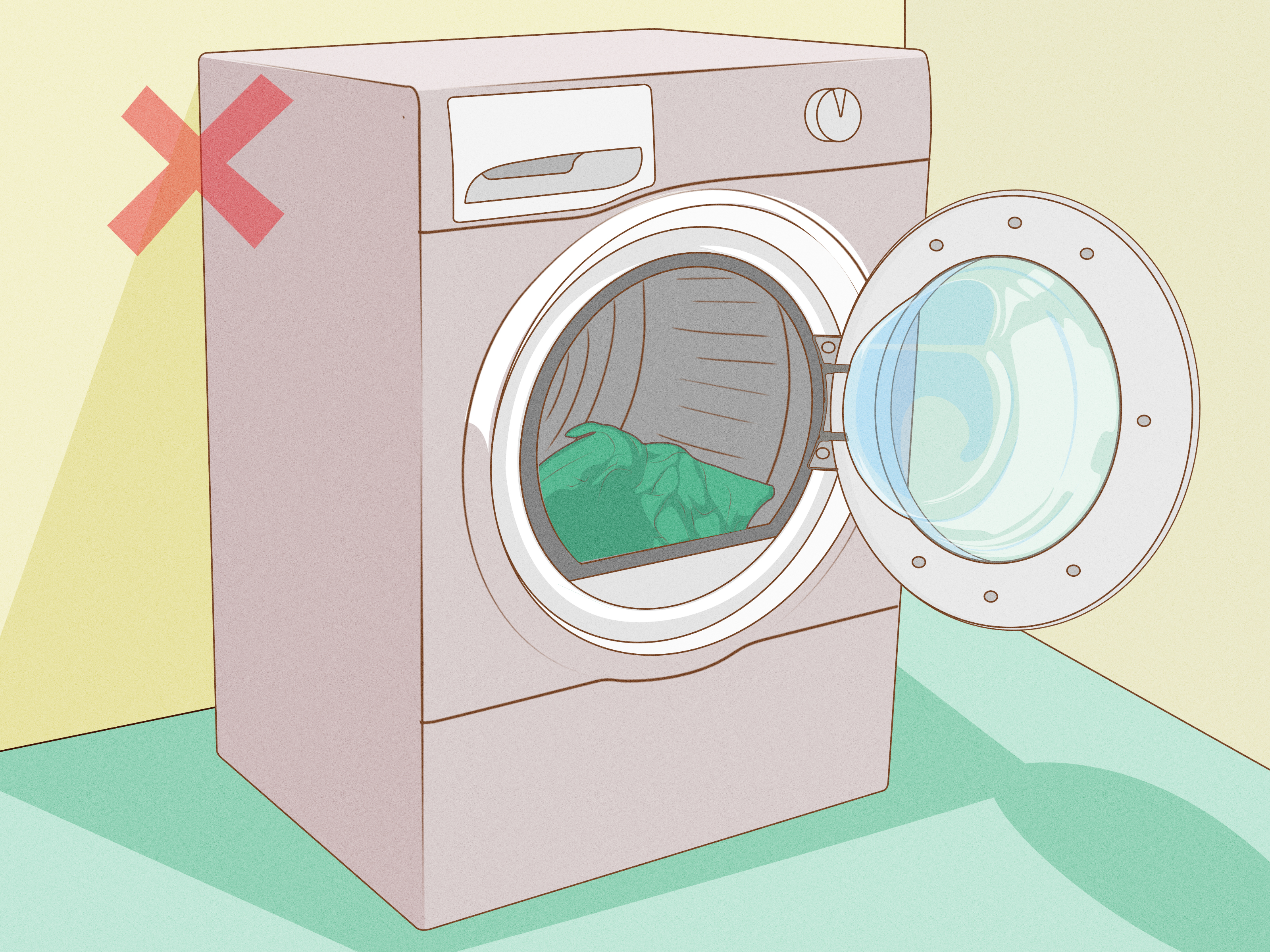
Heat can also lock in odor. If sulfur-smelling clothes go straight into a hot dryer, the smell may become harder to remove. Think of the dryer as a perfume diffuser, except the perfume is “Eau de Rotten Egg.” Always treat the odor first, then dry only when the garment passes the sniff test.
Before You Start: Safety Comes First
If clothing smells faintly sulfurous because of well water, hot springs, a damp washer, or environmental exposure, normal laundry treatment is usually fine. However, if the clothing was exposed to a strong chemical release, sewage backup, industrial gas, petroleum, or an unknown hazardous substance, do not toss it into the family washer. Handle it with gloves, ventilate the area, and follow local safety or disposal guidance.
Also, never mix chlorine bleach with vinegar, ammonia, or acidic cleaners. That combination can release dangerous fumes. Use one treatment path at a time, rinse thoroughly between methods, and always read the garment care label before soaking, washing, or using warm water.
How to Remove the Odor of Sulfur from Clothing: 9 Steps
Step 1: Identify the Source of the Sulfur Smell
Before treating the clothing, figure out where the odor came from. This helps you choose the right solution and prevents the smell from coming back.
If only one garment smells, the issue may be direct exposure: hot spring water, skunk spray, fireworks smoke, sulfur mud, farm work, or contact with a chemical. If every load smells, your washing machine may be dirty, your water supply may contain sulfur compounds, or wet clothes may be sitting too long before drying. If only hot-water loads smell like rotten eggs, the issue may be related to the water heater or plumbing.
Do a quick test: smell the empty washer drum, the wet clothing, and your hot tap water. If the tap water smells like sulfur before it ever touches the laundry, washing the clothes again in that same water may simply reload the odor. In that case, treat the clothing separately and investigate the water source.
Step 2: Air Out the Clothing Before Washing
Fresh air is the first and easiest odor remover. Hang the sulfur-smelling clothes outdoors or in a well-ventilated room for a few hours. If the odor is strong, keep the clothing away from bedrooms, closets, and upholstered furniture. Sulfur smells love to transfer, and nobody wants a sofa that smells like a haunted egg carton.
Shake the garments gently before airing them out. Turn shirts, pants, socks, and workout clothes inside out so the areas that touched your skin can release trapped odor. If the garment is damp, do not leave it balled up in a hamper. Damp fabric gives odor-causing bacteria and mildew a luxury spa day.
For delicate or dry-clean-only items, airing may be the safest first step. You can also place the garment in a breathable garment bag with an open box or sachet of baking soda nearby. Do not dump powder directly onto silk, leather, suede, or embellished fabrics unless the care label allows it.
Step 3: Brush Off Dirt, Residue, or Chemical Particles
If the sulfur odor came from mud, smoke, soil, farm work, or outdoor exposure, remove as much physical residue as possible before soaking. Use a soft brush or clean cloth to loosen dried particles. Do this outdoors when possible, especially if the garment smells smoky or dusty.
Do not rub aggressively. Rubbing can push odor-causing residue deeper into the fibers. For washable fabrics, rinse the garment under cool running water from the back side of the affected area. Cool water is safer at the start because hot water can set some stains and intensify certain odors.
If there is visible oil, grease, or grime, apply a small amount of liquid laundry detergent directly to the affected area. Let it sit for 10 to 15 minutes, then rinse. Oily residue can hold sulfur odor like a tiny stink vault, so removing oil is often the difference between “fresh shirt” and “still suspicious.”
Step 4: Soak in Baking Soda and Water
Baking soda is one of the most useful tools for removing sulfur smell from clothes because it helps neutralize odors and absorb odor-holding residue. For most washable fabrics, fill a sink, bucket, or tub with cool or warm water, depending on the care label. Add about one-half cup of baking soda for a small load, or up to one cup for a larger soak.
Stir until the baking soda dissolves, then submerge the clothing completely. Let it soak for 30 minutes to four hours. For very stubborn sulfur odor, heavier fabrics such as cotton towels, jeans, or work clothes may benefit from a longer soak. For delicate fabrics, keep the soak shorter and test first.
After soaking, rinse the garments thoroughly. This matters because leftover baking soda can interfere with detergent performance or leave a powdery feel. Once rinsed, smell the garment. If the sulfur odor has faded but not disappeared, continue to the next step rather than reaching for the dryer.
Step 5: Use a Vinegar Pre-Soak for Washable, Colorfast Items
White vinegar can help dissolve residue and reduce certain stubborn smells, especially when odors are trapped in mineral buildup or detergent film. Use it carefully and separately from baking soda. Mixing vinegar and baking soda together creates fizz, which is fun for volcano school projects but less impressive for laundry performance.
For washable clothing, mix one part white vinegar with four parts cool water in a basin. Soak the garment for 20 to 30 minutes. For sturdy items with a strong odor, you can extend the soak, but avoid leaving delicate fabrics in vinegar for long periods. Rinse thoroughly before washing.
Do not use vinegar on every load as a daily habit, and avoid it on elastic-heavy clothing if the care label warns against acidic products. Never combine vinegar with chlorine bleach. That rule deserves its own billboard.
Step 6: Wash With an Odor-Fighting Detergent
Now it is time for the main wash. Use a high-quality laundry detergent designed to remove odors, not just perfume them. Add the detergent according to the package directions. More detergent is not better; too much can leave residue, and residue traps odors. Laundry is not chiliyou do not win by adding “just a little more” forever.
Select the warmest water temperature allowed by the care label. Warm water can help remove oils and odor residue from cotton, polyester blends, towels, and work clothes. Use cold water for delicate fabrics, bright colors that may bleed, or items that specifically require cold washing.
Do not overload the washer. Clothing needs room to move so detergent and water can reach every fiber. If sulfur-smelling items are packed tightly into the drum, they may come out smelling like they had a team meeting with the odor and agreed to keep it.
Step 7: Add Oxygen-Based Cleaner for Stubborn Sulfur Odor
For strong sulfur odor, an oxygen-based laundry booster can be very helpful. Oxygen cleaners work differently from regular detergent by helping break down odor-causing compounds and organic residue. They are often safer for colors than chlorine bleach, but you still need to check the label and test delicate or dark fabrics first.
Add oxygen bleach or an oxygen-based odor remover according to product directions. For white cotton or very sturdy washable items, hydrogen peroxide-based treatments may also help with sulfur-like odors, especially those related to skunk or organic sulfur compounds. However, hydrogen peroxide can lighten some dyes, so spot-test in a hidden area first.
Avoid chlorine bleach unless the garment care label says it is safe and the fabric is appropriate. Chlorine bleach can damage certain fibers, discolor clothing, and react dangerously with vinegar or other acidic products. When in doubt, choose oxygen-based cleaning and patience over aggressive chemistry.
Step 8: Rinse Well and Smell Before Drying
Once the wash cycle ends, remove the clothing promptly. Letting wet clothes sit in the washer can create musty odor, which means you may trade sulfur smell for basement smell. That is not an upgrade.
Before drying, smell the garment while it is still damp. Damp fabric reveals lingering odor better than fully dry fabric. If the sulfur smell remains, repeat the baking soda soak or wash again with an odor-fighting detergent and oxygen booster. Do not put the garment in a hot dryer yet.
If your washer has an extra rinse option, use it. Extra rinsing helps remove detergent film, minerals, and cleaning residues. This is especially useful for towels, athletic wear, socks, and thick cotton garments that hold onto odor.
Step 9: Air Dry Completely in Fresh Air
Air drying is the safest finish for sulfur-smelling clothing. Hang garments outdoors in the shade or in a breezy indoor area. Sunlight can help freshen sturdy white or light-colored fabrics, but direct sun may fade dark clothing, so choose the drying spot wisely.
Only use the dryer when the smell is completely gone. Heat can set lingering odor and make it more difficult to remove later. If you must use a dryer, choose a lower heat setting and check halfway through. Remove the clothes immediately when dry.
For items that still carry a faint smell after drying, repeat the process instead of masking the odor with fragrance sprays. Perfume over sulfur is rarely a success story. It usually smells like flowers lost a fight with boiled eggs.
What If the Sulfur Smell Comes Back?
If sulfur odor keeps returning after washing, the clothing may not be the real problem. Check the washer, water supply, and laundry habits. Front-load washers are especially prone to trapped moisture around the rubber gasket. Wipe the gasket, clean the detergent drawer, leave the door open after use, and run a washer-cleaning cycle as recommended by the manufacturer.
If your water smells like rotten eggs, especially hot water, the issue may involve hydrogen sulfide, sulfur bacteria, or a reaction inside the water heater. A plumber or water-treatment professional can test the water and recommend solutions such as filtration, water-heater service, or anode rod replacement.
Also review your detergent amount. Using too much detergent may sound like a clean-freak power move, but it can leave sticky residue that holds odor. Measure carefully, especially in high-efficiency machines.
What Not to Do When Removing Sulfur Smell from Clothes
Do not dry sulfur-smelling clothes with high heat. Do not mix vinegar with chlorine bleach. Do not combine random cleaners in the washer. Do not use fragrance beads as the main treatment. They may cover mild odors, but they will not solve a deep sulfur problem. Do not store treated clothes before they are completely dry. Even a small amount of trapped moisture can bring back odor.
Finally, do not ignore strong chemical smells. If the sulfur odor causes headache, nausea, dizziness, breathing irritation, or eye discomfort, move away from the source and treat the situation as a safety concern, not a laundry inconvenience.
Best Ingredients for Sulfur Odor Removal
Baking soda is best for general deodorizing, pre-soaking, and absorbing odor from washable clothes. White vinegar is useful for residue and mineral-related smells when used as a separate, diluted soak. Oxygen-based cleaners are excellent for stubborn organic odors and washable fabrics. Odor-fighting detergent removes body oils, dirt, and grime that trap sulfur compounds. Fresh air is the underrated hero that costs nothing and works surprisingly well.
Real-World Experience: What Actually Works When Clothes Smell Like Sulfur
In real life, sulfur odor rarely behaves politely. It does not always disappear after one wash, and it has a sneaky habit of hiding until the garment warms up. Many people first notice the problem after visiting hot springs, working near well water, handling sulfur-rich garden products, cleaning around drains, camping near mineral water, or washing clothes in water with a rotten-egg smell. The first instinct is usually to wash everything twice with extra detergent. Sometimes that helps. Often, it just creates a mountain of wet laundry that still smells like a dragon burped in the hamper.
The most reliable experience-based approach is to slow down and treat the odor in layers. Air first, soak second, wash third, dry last. Skipping the airing step can make the whole process harder, especially when clothing has been sealed in a plastic bag or gym bag. Letting the garment breathe outside for a few hours can reduce the sharpest smell before water ever gets involved. It is not glamorous, but neither is sniffing a sock and questioning your life choices.
Baking soda tends to be the best first soak for everyday sulfur smells because it is gentle, affordable, and easy to rinse. It works especially well on cotton T-shirts, towels, socks, jeans, and casual clothes. When the odor is connected to minerals, hard water, or detergent residue, a separate vinegar soak can make a noticeable difference. The key word is separate. Baking soda first, rinse, then vinegar if needed. Combining them at the same time gives you bubbles, not better cleaning.
For the worst cases, oxygen-based laundry boosters are often the turning point. They are especially useful when sulfur odor is mixed with sweat, smoke, mildew, skunk-like notes, or outdoor grime. A long soak followed by a proper wash can rescue clothes that seemed ready for retirement. Still, fabric type matters. A white cotton undershirt can handle more aggressive treatment than a black rayon blouse or a wool sweater. Always let the care label be the adult in the room.
Another lesson from experience: the washer may be guilty. If every load has a strange smell, cleaning the clothes harder will not fix the source. A dirty gasket, clogged dispenser, damp drum, or sulfur-smelling hot water can re-contaminate every load. Clean the washer, leave the door open between cycles, and remove wet clothes promptly. If hot water smells like rotten eggs, test by running cold water and hot water separately. A water-related problem needs plumbing or filtration attention, not endless detergent.
The final practical lesson is simple: never rush the dryer. Heat is wonderful when the clothes are clean, but terrible when odor remains. Air dry first, sniff carefully, and repeat treatment if needed. Once the smell is gone, the garment can return to normal laundry life. With patience, the right soak, and a little laundry science, most sulfur-smelling clothes can be saved from the trash pile and welcomed back into polite society.
Conclusion
Removing sulfur odor from clothing is not about using the strongest product in the laundry room. It is about using the right sequence: identify the source, air out the fabric, remove residue, soak with baking soda, use vinegar only when appropriate, wash with odor-fighting detergent, add oxygen-based cleaner for stubborn smells, rinse well, and air dry before applying heat.
The biggest mistake is treating sulfur odor like ordinary laundry odor. Rotten-egg smells can come from sulfur compounds, water issues, smoke, skunk spray, or washer buildup, so a thoughtful approach works best. Keep the process safe, avoid dangerous cleaner combinations, and do not let the dryer set the stink. Your clothes can smell fresh againand your nose can finally stop filing complaints.