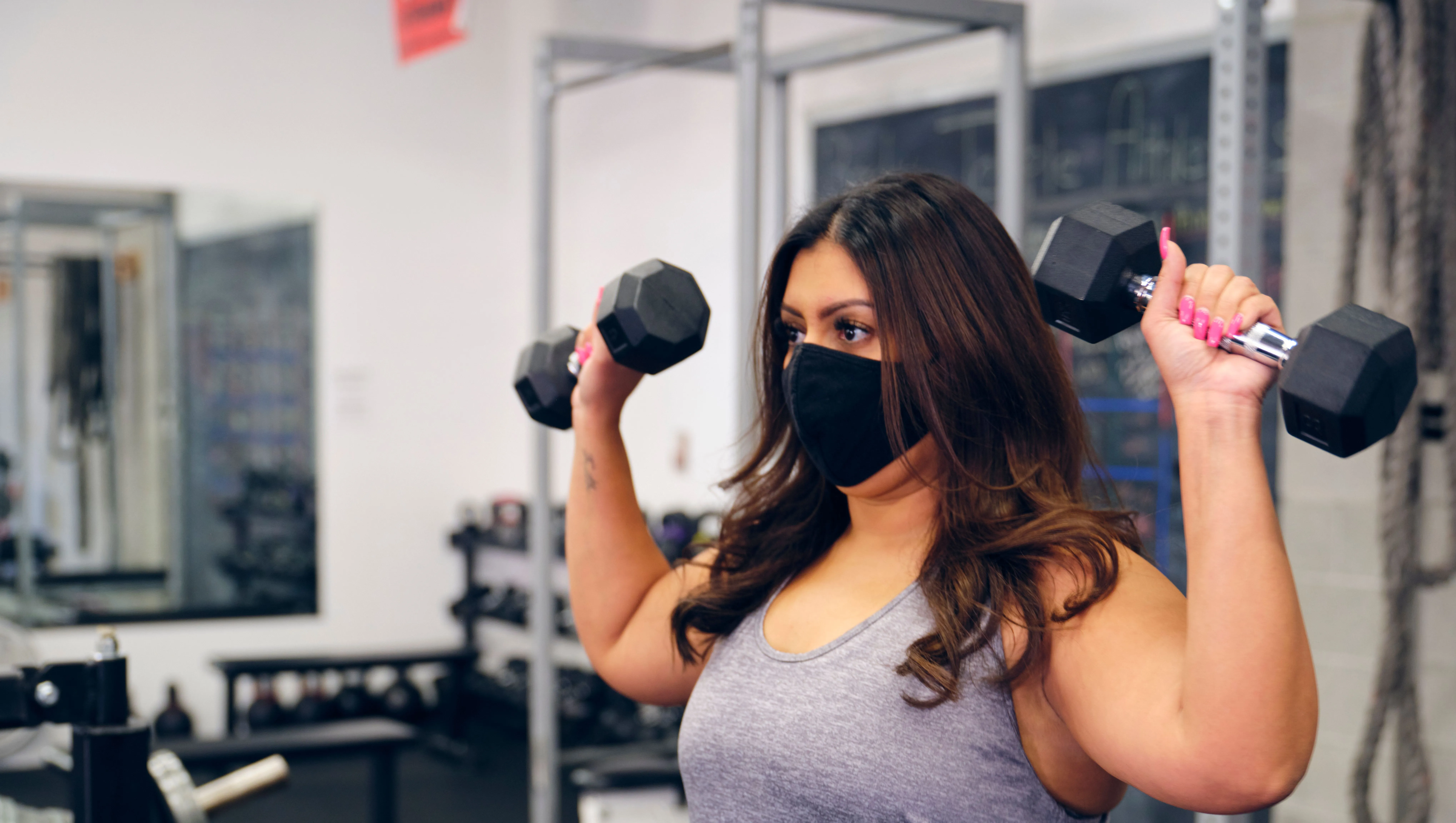
Starting strength training when you’re living with obesity can feel a little like being told to “just relax” in a room full of folding chairs and judgmental mirrors. Everyone swears it’s simple. Your knees may disagree. Your confidence may file a formal complaint. And yet, strength training can absolutely be for you.
Not fake-for-you. Not “after you lose some weight” for you. Right-now, real-life, chair-nearby, water-bottle-in-hand for you.
The truth is that resistance training is one of the most practical ways to improve everyday life. It can help you get stronger for stairs, shopping bags, getting up from low couches, carrying laundry, standing longer, and moving with less effort. It can also support joint function, mobility, blood sugar control, mood, and overall fitness. Better yet, it does not require you to become a gym bro, memorize machine names, or grunt loudly in public like you’re auditioning for a documentary about wild elk.
If you’re wondering how to begin strength training safely, comfortably, and without making your body feel like it sent you a legal threat the next morning, this guide walks you through it.
Why Strength Training Matters When You’re Living With Obesity
When most people hear “exercise,” they immediately picture endless cardio. Treadmills. Sweat puddles. Regret. But strength training deserves a front-row seat, especially for beginners living with obesity.
Why? Because stronger muscles make daily movement easier. When your legs, hips, back, chest, and arms become more capable, simple tasks stop feeling like boss battles. Standing up from a chair gets smoother. Climbing stairs becomes less dramatic. Carrying groceries starts to feel like an errand instead of a hostage negotiation.
Strength training also helps support joints by improving the muscles around them. That matters if you deal with knee discomfort, back stiffness, or hips that sound like they’ve been stepping on bubble wrap. Building strength does not “cure” joint issues, but it can make movement more stable and more manageable.
There is also the metabolic side of the story. Resistance training supports muscle mass, and muscle plays an important role in how your body handles energy and blood sugar. That means a sensible strength routine can complement other health goals without requiring punishing workouts.
Most importantly, strength training can shift the focus away from shrinking your body and toward supporting your body. That mental switch is huge. You stop asking, “How small can I get?” and start asking, “How strong can I feel?” That is a much nicer conversation to have with yourself.
Start With Safety, Not Fear
You do not need a dramatic health scare or a celebrity trainer to begin. But you do want to start smart.
If you have heart disease, uncontrolled high blood pressure, diabetes that is not well managed, severe joint pain, balance problems, a recent surgery, or breathing symptoms that worry you, talk with a healthcare professional before starting a new exercise plan. That is not a brush-off. It is a power move. Getting individualized advice can help you choose exercises, equipment, and pacing that fit your body.
For many people, working with a physical therapist, certified trainer, or exercise professional for even a few sessions can make a big difference. Good coaching is not about yelling “one more rep!” while you question your life choices. It is about helping you find safe positions, solid form, and realistic progress.
Here is the big idea: strength training should challenge you, not punish you. Soreness is common. Sharp pain is a red flag. Feeling worked is normal. Feeling wrecked is not the goal.
The Best Beginner Mindset: Low Pressure, High Consistency
The biggest beginner mistake is trying to launch a “new me” campaign on Monday and being physically offended by Wednesday. The better plan is to begin with an amount you can actually repeat.
That may mean two strength-training days per week, using a chair, a resistance band, and a pair of light dumbbells. It may mean starting with one set instead of three. It may mean using wall push-ups instead of floor push-ups because, frankly, the floor has not always earned your trust.
Consistency beats complexity. A simple routine done twice a week for two months will usually do more for your health than a heroic routine done twice before disappearing into legend.
What Counts as Strength Training?
Strength training is any exercise where your muscles work against resistance. That resistance can come from:
Body weight
Examples include sit-to-stands from a chair, wall push-ups, step-ups, bridges, and supported squats.
Resistance bands
Bands are beginner-friendly, portable, and less intimidating than a rack of metal plates staring into your soul.
Free weights
Dumbbells and kettlebells can work well if you use manageable loads and controlled movement.
Machines
Gym machines can be helpful because they offer support and structure. If you are new, a trainer can show you how to adjust them properly.
Everyday objects
Water bottles, grocery bags, or a backpack with a little weight inside can work in a pinch. Fitness does not always need a dramatic shopping spree.
How Often Should You Train?
A great starting point is two nonconsecutive days per week. That gives you enough frequency to build skill and strength while leaving time for recovery. On each training day, aim to work the major muscle groups: legs, hips, chest, back, shoulders, arms, and core.
For most beginner exercises, try 1 to 2 sets of 8 to 12 reps. If 8 reps feels impossible, reduce the resistance or choose an easier variation. If 12 reps feels like you are folding towels rather than exercising, add a little resistance next time.
A moderate effort level is ideal. You want the last few reps to feel challenging, but you should still be able to keep good form and breathe normally. No need to see stars. Those are for astronomy.
How to Warm Up Without Overthinking It
You do not need a 20-minute mobility ritual narrated by a flute playlist. You just need a few minutes to tell your body, “Hello, movement is happening now.”
Try a 5-minute warm-up:
March in place. Roll your shoulders. Do gentle arm circles. Sit and stand from a chair a few times. Walk around the room. If your joints tend to feel stiff, spend a little extra time moving slowly through the positions you will use in your workout.
The warm-up should leave you feeling looser, warmer, and less likely to make your first squat look like a surprise attack.
A Beginner-Friendly Strength Training Routine
Here is a practical full-body routine for people living with obesity. It is simple, scalable, and adaptable. Rest 45 to 90 seconds between sets, and move at a controlled pace.
1. Chair Sit-to-Stand
Sit on a sturdy chair, feet planted. Lean slightly forward and stand up. Slowly sit back down. This strengthens the legs and hips and directly improves a real-life skill: getting out of a chair without making sound effects.
2. Wall Push-Up or Counter Push-Up
Place your hands on a wall or counter, step your feet back, and bend your elbows to lower your chest toward the surface. Push back up. This works the chest, shoulders, and triceps while keeping pressure lower than floor push-ups.
3. Seated or Standing Band Row
Using a resistance band, pull your elbows back and squeeze your shoulder blades gently together. This strengthens the upper back and can help improve posture for people who spend a lot of time sitting.
4. Dumbbell or Band Deadlift From an Elevated Surface
Use light dumbbells, a kettlebell, or a band. Hinge at the hips with a neutral spine and stand tall. Starting from an elevated position can reduce strain and help you learn the movement safely.
5. Supported Step-Up or March
Hold onto a rail, wall, or sturdy surface. Step onto a low platform or do a supported standing march. This builds leg strength and balance while staying joint-aware.
6. Overhead Press or Front Raise
Use light dumbbells or bands. If overhead movements bother your shoulders, swap in a front raise or lateral raise with very light resistance.
7. Farmer Carry
Hold a pair of weights or loaded shopping bags and walk slowly for 20 to 30 seconds. This trains grip, core stability, posture, and the underrated life skill of carrying stuff without needing a dramatic recovery period.
8. Core Bracing or Seated Knee Lift
You do not need endless crunches. Practice gently bracing your abdominal muscles while breathing, or do seated knee lifts with control. Core training should support stability, not annoy your neck.
Do 1 set of each exercise at first. When that feels manageable, build to 2 sets. This is enough to create progress.
How to Make Exercises More Comfortable
Comfort is not laziness. Comfort is strategy.
If your knees hurt, reduce range of motion, use a chair, or choose box squats and supported movements. If balance is shaky, hold onto a rail or wall. If getting down to the floor is a whole event with opening credits and an intermission, skip floor exercises for now.
Supportive shoes can help. So can a stable chair, a bench, or water-based exercise on other days if land-based movement feels rough on your joints. Low-impact does not mean low-value. It just means you are working with your body instead of trying to win an argument against gravity.
How to Progress Without Burning Out
Beginners often assume progress means constantly adding more weight. Not so fast, Captain Overachiever.
Progress can look like:
Better form. More confidence. Less rest between sets. A smoother sit-to-stand. An extra rep or two. Slightly heavier dumbbells. One more set. A longer carry. More energy the day after training instead of feeling flattened by existence.
A simple progression plan works well:
First, learn the movement. Then increase reps. Then increase sets. Only after that, increase resistance. This order helps protect joints, build skill, and reduce the chance that your enthusiasm writes checks your tendons do not want to cash.
What About Cardio?
Strength training and cardio are teammates, not rivals in tiny shorts. Walking, cycling, swimming, or water aerobics can complement your lifting routine beautifully. But if you are overwhelmed, start with strength training twice a week and add short walks when you can.
Remember, physical activity can be broken into smaller chunks. A ten-minute walk counts. A few minutes of movement after meals can count. The goal is not perfection. It is building a routine your body recognizes as normal instead of suspicious.
Common Beginner Problems and How to Handle Them
“I’m sore, so I guess I failed.”
Nope. Mild soreness can be normal, especially at the start. It usually improves as your body adapts. Sharp pain, swelling, or pain that changes the way you walk or move deserves attention.
“I feel awkward at the gym.”
You are allowed to start at home. You are allowed to use the quiet corner. You are allowed to learn slowly. Fitness spaces are not reserved for people who already know what they are doing.
“I’m too heavy to exercise.”
You are not too heavy to begin appropriately scaled exercise. You may need low-impact options, more support, or more recovery, but that is adaptation, not failure.
“I missed a week.”
Then you return. That is it. No courtroom drama. No emotional funeral for your routine. Just restart with one lighter session and continue.
What to Expect in the First 8 Weeks
In the beginning, the biggest changes are often not visible in the mirror. They show up in life. You get out of bed easier. Walking feels less exhausting. Your posture improves. Your confidence gets less fragile. You notice that carrying groceries or climbing stairs does not require the same level of mental preparation as a moon landing.
Some people also notice improved energy, better mood, better sleep, and a stronger sense of control. Weight change may happen, may happen slowly, or may not be the first noticeable outcome. That does not mean the training is not working. Strength is still being built. Coordination is improving. Health is still moving in the right direction.
Real Success Means This Routine Fits Your Life
The best strength training plan is not the one with the fanciest exercises. It is the one you can do when life is busy, your mood is mediocre, and the weather is insulting.
Keep the barrier to entry low. Leave your band near the chair. Schedule two sessions per week. Track a few basic wins, like reps completed or how your knees felt. Celebrate consistency like it is a serious accomplishment, because it is.
If you are living with obesity, strength training is not a punishment for your body. It is support for your body. It is a way of saying, “We are going to make daily life easier, one controlled rep at a time.” That is a far better story than chasing misery in the name of motivation.
Start small. Stay kind. Lift what you can. Rest when you need to. Build a body that feels more capable, not more criticized. That is where real progress begins.
Experiences People Commonly Have When Starting Strength Training While Living With Obesity
One of the most common early experiences is surprise. Not the fireworks kind. The quiet kind. People often expect their first few workouts to feel impossible, embarrassing, or wildly painful. Instead, many discover that a scaled workout is doable. Maybe not graceful. Maybe not glamorous. But doable. And that matters. The first successful session often changes the internal story from “I can’t do this” to “I can do this version of this.” That is a huge mental shift.
Another common experience is learning that effort and suffering are not the same thing. Many people living with obesity have spent years getting the message that exercise only “counts” if it leaves them drenched, miserable, and reconsidering every life choice that led to lunges. Strength training often teaches the opposite. A short, structured workout with controlled reps, adequate rest, and supportive equipment can feel challenging without feeling punishing. That can be incredibly healing for people who have associated movement with shame.
There is also the experience of noticing non-scale victories before body-size changes. Pants may fit the same for a while, but standing up is easier. Balance improves. The back hurts less after chores. Walking through a parking lot no longer feels like a trek across an arid desert. These changes are easy to underestimate, but they are often the reasons people stick with training. Function is motivating because you can feel it in real time.
Some people also report that strength training helps them reconnect with their bodies in a more respectful way. Instead of focusing only on appearance, they start paying attention to performance. They wonder whether they can do one more sit-to-stand, carry a little more weight, or recover more quickly between sets. This change in focus can reduce some of the emotional heaviness that often surrounds exercise.
Of course, not every experience is magical. Some workouts feel awkward. Some exercises need to be modified three times before they feel right. Some people deal with knee pain, fatigue, gym anxiety, or frustration when progress seems slow. That is normal. Beginning anything new while living in a body that may already feel judged by the world is not a small thing. Progress often comes with stops, starts, and strategic detours.
But over time, a pattern often appears. The movements that once felt intimidating start to feel familiar. The warm-up gets easier. Recovery improves. Confidence grows quietly in the background. And one day, without much ceremony, a person realizes they are no longer “trying to start strength training.” They are simply someone who strength trains. That identity shift can be one of the most powerful experiences of all.
Conclusion
If you are living with obesity and want to begin strength training, you do not need to wait for a different body, a perfect plan, or a sudden burst of superhero motivation. You need a safe starting point, realistic expectations, and enough patience to let consistency do its work. Begin with simple movements, support your joints, train the major muscle groups, and build gradually. Progress does not need to be loud to be real. Sometimes it looks like standing taller, hurting less, moving easier, and trusting your body a little more each week. That is not small progress. That is life-improving progress.