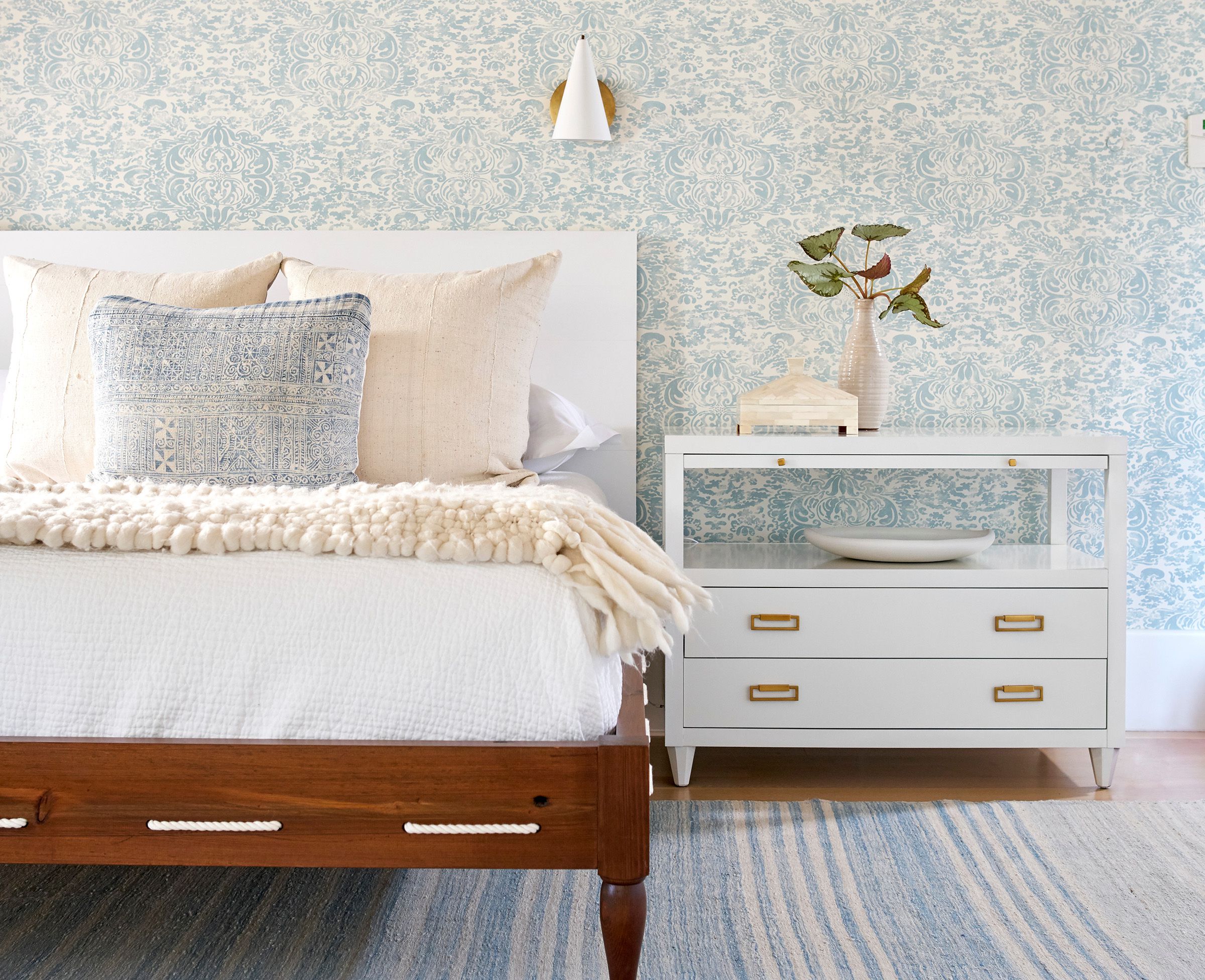
If you share a bed with another human being, you already know the truth: love is beautiful, but blanket theft is a felony. One person sleeps hot, the other sleeps cold. One wraps up like a burrito, the other ends up clinging to a sad corner of fabric at 3:17 a.m. Enter the Scandinavian bed-making method, a smart, low-drama setup that helps couples sleep in the same bed without turning bedtime into a wrestling match.
At its core, this method is delightfully simple. Instead of sharing one giant comforter, each person gets their own duvet or comforter. The bed still looks inviting, the room still feels cozy, and both sleepers get a lot more control over warmth, texture, and movement. It is part sleep strategy, part bed-making trick, and part relationship peace treaty. Best of all, it does not require buying a second house or filing for a “sleep divorce.”
In this guide, you will learn exactly how to use the Scandinavian bed-making method, what bedding works best, how to make it look polished, and what real-life experiences people often have after switching. If your current sleep setup feels like a nightly negotiation with poor legal representation, this may be the upgrade your bedroom needs.
What Is the Scandinavian Bed-Making Method?
The Scandinavian bed-making method is the styling side of the Scandinavian sleep method. Instead of one shared top layer, two people sleep under separate duvets or comforters on the same mattress. Usually, the bed has one fitted sheet over the mattress, while each partner has their own individual cover. In many versions of the method, the top sheet is skipped entirely.
This arrangement is popular because it gives each person more control over their own sleep environment. You can choose a fluffy duvet while your partner picks a lighter one. You can burrito yourself with zero guilt while your partner remains gloriously untangled. The result is often less blanket tugging, fewer temperature arguments, and less disruption when one person rolls over, gets up, or comes to bed later.
In other words, the Scandinavian bed-making method is not about making your bed look complicated. It is about making your bed work for two different bodies, two different preferences, and two different definitions of “comfortable.”
Why So Many Couples Are Interested in It
Shared sleep sounds romantic in theory. In practice, it often includes tossing, turning, blanket hogging, and a surprising number of passive-aggressive sighs. The Scandinavian approach appeals to couples because it keeps the emotional closeness of sharing a bed while reducing some of the most common sleep annoyances.
1. It helps with different temperature preferences
Many couples do not agree on what “comfortable” means at night. One person is opening a window in January, while the other is considering thermal socks and a moral complaint. With separate duvets, each sleeper can choose the fill, fabric, and weight that suits them best. That makes the bed more personalized without requiring separate bedrooms.
2. It reduces blanket tug-of-war
This one barely needs explanation. If there is no shared blanket, there is no blanket battle. Each person keeps their own cover, which means fewer cold spots, fewer wake-ups, and fewer midnight feelings of betrayal.
3. It can reduce disruptions from movement
When two people share one large comforter, every flip, kick, and dramatic side turn tends to travel through the bedding. Separate duvets create less shared fabric movement, so one person can shift around without yanking the entire climate system off the other side of the bed.
4. It still allows closeness
This method is popular because it is a middle ground. You still share the same mattress, the same room, and the same bedtime rituals. You just stop sharing one giant fabric decision all night long.
What You Need for the Setup
The good news is that the Scandinavian bed-making method does not demand a full bedroom makeover. You only need a few practical pieces.
Essential bedding
- One fitted sheet for the mattress
- Two separate duvets, comforters, or blankets
- Two duvet covers if you are using duvet inserts
- Your usual pillows and pillowcases
Recommended extras
- A decorative throw or quilt for daytime styling
- Matching or coordinating duvet covers for a cleaner look
- Extra pillow shams to make the bed feel more finished
For most queen and king beds, two twin or twin XL duvets are the most practical choice. They are usually large enough to cover each sleeper comfortably without spilling too much over the edges. On smaller beds, the setup can feel crowded, so the method generally works better on queen-size mattresses and up.
How to Use the Scandinavian Bed-Making Method Step by Step
Step 1: Strip the bed down to the basics
Start with a clean mattress and a fitted sheet. That fitted sheet remains shared. It is the diplomatic zone. Everyone agrees on it, and nobody has to fight over it.
Step 2: Decide whether to skip the top sheet
Traditional Scandinavian setups often skip the top sheet. Why? Because one shared flat sheet can reintroduce the same tangling problem you were trying to avoid. That said, this is your bed, not a citizenship exam. If you love a top sheet, you can still use two separate flat sheets or experiment until you find what feels best.
Step 3: Choose each person’s bedding style
This is where the method really earns its reputation. One partner may prefer a down alternative duvet with a cooler feel. The other may want something thicker and toastier. One may love crisp cotton; the other may want soft, brushed fabric. The point is not to match perfectly. The point is to sleep better.
Step 4: Lay each duvet on its side of the bed
Place one duvet on the left side and one on the right. You can let them overlap slightly in the middle or keep a tidy seam where they meet. Some people like to fold each duvet lengthwise so the bed looks neater during the day. Others spread them fully and add a decorative layer on top.
Step 5: Tuck or drape based on preference
If you like a cleaner hotel-style look, lightly tuck the bottoms. If you prefer a relaxed, lived-in style, let the covers drape naturally. Neither option is wrong. The only true mistake is creating a setup that looks pretty but annoys you every night.
Step 6: Style the bed for daytime
To make the bed look intentional rather than like two comforters had a disagreement, add a throw blanket or quilt across the lower third of the bed. Layer pillows at the headboard, and use matching or coordinating duvet covers if you want the bed to feel calm and cohesive.
How to Make It Look Good
Let us address the obvious concern: two duvets can look amazing, or they can look like your bed gave up halfway through getting dressed. Styling matters.
Choose a unified color palette
If each partner wants different materials or fills, keep the duvet covers in the same color family. White, cream, soft gray, muted blue, sand, or earthy greens work especially well. Matching covers create symmetry, while slightly different textures add interest without chaos.
Use decorative layers strategically
A folded throw at the foot of the bed works like eyeliner for your bedding. It pulls the whole look together and helps hide the divide between the two duvets. A quilt on top during the day can also make the setup look more polished.
Do not overstuff the bed
Too many pillows and accessories can make separate duvets look bulky. Keep your styling clean and balanced. Think cozy Scandinavian cabin, not “linen closet exploded.”
Make peace with a slightly less formal look
The Scandinavian method is about function first. Even beautifully styled, it may not look exactly like a traditional single-comforter bed. That is fine. A bed that supports actual sleep deserves a little respect, even if it is not auditioning for a catalog.
Who Should Try This Method?
This approach is especially useful for couples who:
- Fight over the blanket
- Have different temperature preferences
- Keep different sleep schedules
- Wake each other by moving the covers
- Want to share a bed without sharing every bedding choice
It can also be a great option for people who like very different textures or duvet weights. One person may want breathable bedding for hot sleep, while the other wants maximum fluff and what can only be described as “cloud burrito energy.”
Who Might Not Love It?
The Scandinavian bed-making method is helpful, but it is not magic. If one partner snores loudly, gasps in sleep, has untreated sleep apnea, or moves intensely because of another sleep issue, separate duvets may not solve the real problem. In those cases, the better answer may be medical treatment, a more motion-isolating mattress, or sometimes separate sleep spaces.
It may also be less appealing if you strongly prefer sleeping wrapped up together under one blanket, or if you have a full-size bed and limited room to spread out. Some people also find the method adds a little extra visual mess or more laundry, especially if pets think the gap between the duvets is their personal tunnel system.
Mistakes to Avoid
Using duvets that are too large
Oversized bedding can bunch up, slide off the sides, and turn the whole setup into a fabric traffic jam. Twin or twin XL sizes usually work best on larger shared beds.
Ignoring the room environment
Separate duvets help with personal comfort, but the whole room still matters. A cool, dark, quiet bedroom supports better sleep. If the room is too hot, too bright, or too noisy, even the fanciest bedding setup will struggle to save the night.
Forcing one “correct” version
Some couples skip top sheets. Some do not. Some match bedding perfectly. Some mix textures. The best Scandinavian bed-making method is the version you will actually keep using. The goal is not purity. The goal is sleep.
Expecting it to fix every sleep issue
If your real problem is a lumpy mattress, severe snoring, chronic insomnia, or a partner who kicks like they are auditioning for a martial arts film, you may need more than separate blankets. Think of this method as one smart tool, not a miracle cure in a duvet cover.
Common Experiences After Switching to the Scandinavian Bed-Making Method
The first night usually feels a little strange. Many couples are so used to sharing one comforter that separate duvets seem oddly formal at first, like the bed suddenly started using complete sentences. But that feeling often fades quickly once the practical benefits kick in.
One of the most common experiences is immediate relief from blanket stealing. People who used to wake up cold often notice the change right away. Instead of fighting for coverage, they stay consistently warm because their bedding remains where they left it. That sounds minor until you have spent years waking up because your partner unconsciously rolled away with half the climate control.
Another frequent experience is discovering how different two sleepers really are. One person may realize they love a lofty, warm duvet. The other may find they sleep better with something lighter and more breathable. A shared comforter often hides those differences by forcing compromise. Separate duvets bring them out into the open, which is actually helpful. Once each person knows what works for them, bedtime gets simpler.
There is also often an adjustment period in how the bed looks. During the first week, some couples feel the bed appears less tidy than before. That is normal. The trick is learning how to fold, drape, or layer the duvets so the look feels intentional. After a few mornings, most people find a routine that takes only an extra minute or two. Add a throw at the foot, fluff the pillows, and suddenly the whole thing looks less “accidental laundry pile” and more “relaxed European bedroom.”
Some people notice they fall back asleep more easily after nighttime interruptions. If one partner gets up earlier, comes to bed later, or moves around a lot, the bedding itself causes less collateral damage. You may still notice the mattress shifting, but you are less likely to lose your covers or feel a dramatic rush of cold air every time your partner repositions.
There can be a few downsides. Couples who love sleeping wrapped together may miss the feel of one shared blanket. Cuddling does not disappear, but it can become more of a deliberate choice than an all-night default. Many people solve this by cuddling before sleep, then retreating to their respective duvet kingdoms when it is actually time to rest.
Laundry can also increase, especially if both duvets have removable covers that need regular washing. If you share a bed with pets, expect them to become deeply invested in the new layout. Cats, in particular, may treat the center seam like a luxury tunnel designed exclusively for their entertainment.
Still, a lot of couples find the trade-off worth it. The method often feels less like a dramatic bedroom revolution and more like a small structural fix with surprisingly big benefits. You are not changing your relationship. You are changing the fabric logistics of the relationship, which, frankly, might be the most underrated category of household peace.
By the end of the first week, many people describe the same outcome: fewer wake-ups, less resentment, more personal comfort, and a bed that feels customized instead of compromised. That is really the charm of the Scandinavian bed-making method. It is simple, flexible, and refreshingly realistic. It acknowledges that two people can love each other very much and still want completely different blankets. Honestly, that may be one of the healthiest things a bed can admit.
Final Thoughts
If you are tired of blanket battles, mismatched sleep temperatures, or waking up because someone else rolled over and took half the bedding with them, the Scandinavian bed-making method is worth trying. It is practical, easy to customize, and surprisingly effective for such a simple change.
You do not need to become a minimalist Nordic design expert to make it work. Start with two duvets, one fitted sheet, and a willingness to prioritize sleep over tradition. Keep what works, tweak what does not, and style the bed in a way that still feels like home.
Because at the end of the day, a good bed is not just one that looks beautiful in the morning. It is one that helps two people wake up less cranky, more rested, and significantly less tempted to accuse each other of grand duvet theft.