Note: This article is original, publication-ready content based on standard Chinese Checkers rules, common gameplay principles, and practical strategy patterns used by experienced players.
Chinese Checkers looks innocent at first. A colorful star-shaped board. A handful of marbles. A goal that sounds simple enough: move all your pieces into the opposite triangle before everyone else does. Then, five turns later, your opponent suddenly launches one marble across half the board like it found a secret airport runway, and you realize this cheerful little game has teeth.
The good news? You do not need to be a board-game wizard, a geometry professor, or the family member who always “accidentally” reads strategy forums before game night. To learn how to win at Chinese Checkers, you need to understand movement, build smart jumping paths, avoid wasting turns, and plan your endgame before your marbles get trapped in traffic.
This guide breaks the game into 13 practical steps, from basic Chinese Checkers strategy to advanced positioning, opening moves, blocking tactics, and endgame cleanup. Whether you are playing casually with friends or trying to become the reason nobody invites you to “just a friendly round,” these tips will help you play faster, smarter, and more confidently.
What Is Chinese Checkers?
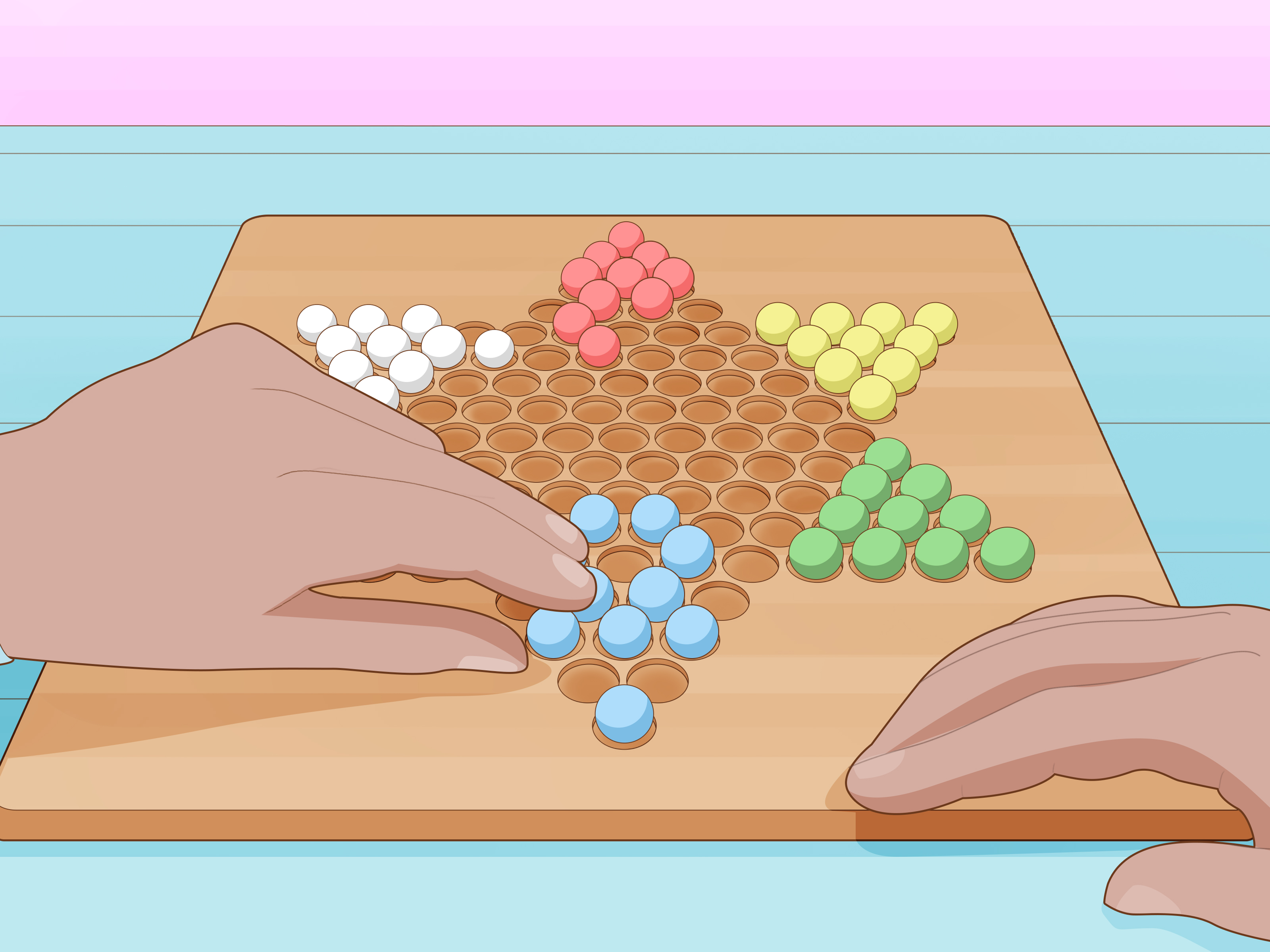
Chinese Checkers is an abstract strategy board game played on a six-pointed star board. Despite the name, the modern game is not originally from China; it developed from earlier jumping-style board games and became popular under the “Chinese Checkers” name in the United States. The standard version usually uses 10 marbles or pegs per player, though some two-player versions use 15 pieces.
The objective is simple: be the first player to move all your pieces from your starting triangle to the opposite triangle, often called your home area or destination triangle. Players move one piece per turn. A move may be a single step into an adjacent empty hole, or a jump over one adjacent piece into the empty space immediately beyond it. If another jump is available after landing, you may continue jumping with the same piece during that turn.
Unlike regular checkers, Chinese Checkers has no captures. Jumped pieces stay on the board. That means every marble is both a possible obstacle and a possible bridge. Winning often comes down to who builds better bridges, uses fewer wasted moves, and avoids leaving lonely marbles stranded in the back like they missed the bus.
How to Win at Chinese Checkers: 13 Steps
1. Learn the Goal Before You Chase Fancy Moves
The first rule of winning Chinese Checkers is not “jump as far as possible.” It is “move all your marbles home efficiently.” Long jumps are wonderful, but only if they help your whole army advance. Many beginners fall in love with one dramatic marble that races ahead while the rest of the pieces sit in the starting triangle wondering if anyone is coming back for them.
Think of Chinese Checkers as a team race. You are not trying to crown one heroic marble. You are trying to relocate an entire group. Before each move, ask: does this help me empty my starting triangle, build a route through the center, or fill my destination triangle cleanly? If the answer is no, the move may be flashy but not useful.
2. Open by Freeing Your Back Pieces
A strong Chinese Checkers opening begins with mobility. The marbles buried in the back rows of your starting triangle are the hardest to move later, so you should create lanes for them early. If you only move the front pieces, you may accidentally block your own rear marbles and lose precious turns untangling the mess.
Start by shifting pieces that open pathways from the back of your triangle toward the center. You want your opening moves to create jump opportunities, not traffic jams. A good opening looks a little like building an exit ramp: each marble should help the next one move forward. If your first few turns leave your starting area more crowded than a grocery store before a snowstorm, rethink your plan.
3. Aim for the Center of the Board
The center is the highway system of Chinese Checkers. Pieces that travel through the middle usually have more jumping options, more flexible routes, and better chances to connect with chains. Pieces that creep along the outer edges often move more slowly because they have fewer neighboring pieces to jump over.
In most games, your best route is a controlled push through the central hexagon of the board. That does not mean every marble must march straight down the middle like a parade. It means your main structure should lean toward the center, where jumping ladders form naturally. The edges can still be useful, especially in crowded games, but center control gives you speed and flexibility.
4. Keep Your Marbles Close, But Not Clumped
One of the most useful Chinese Checkers tips is to keep your pieces connected. If your marbles are too spread out, they cannot jump over one another. If they are packed too tightly, they block movement. The sweet spot is a loose formation with spaces that allow leapfrogging.
Imagine your pieces forming a staggered ladder. Each marble should help another marble jump forward. You want a shape that creates repeated hops, not a solid wall. When your marbles are spaced well, one move can carry a piece several positions ahead. When they are spaced poorly, you end up taking sad little one-step moves while your opponent is performing marble gymnastics across the board.
5. Build Jumping Chains on Purpose
Jumping chains are the heart of winning at Chinese Checkers. A chain happens when a marble jumps over one piece, lands, then jumps again, and possibly continues several more times. These chains can move a marble across large sections of the board in a single turn.
Beginners usually notice chains after they appear. Strong players build them intentionally. Before moving, scan the board for possible landing spots. Look for lines where your marble can jump over alternating pieces and empty holes. Sometimes the best move is not the longest jump available right now, but a setup move that creates an even better chain next turn.
For example, moving one marble a single step into the correct position might create a three-jump route for another marble. That small setup move may be better than a random two-jump move that leaves your formation broken. Winning Chinese Checkers is often about preparing the board one turn before the big move happens.
6. Use Opponent Pieces as Bridges
Because jumped pieces are not removed, opponent marbles can become part of your route. This is one reason the game is so interesting. Your rival may think they are advancing beautifully, while you are quietly using their pieces as stepping stones. Polite? Maybe not. Legal? Absolutely.
When scanning for moves, do not look only at your own marbles. Look at every marble on the board as potential infrastructure. In multiplayer games, the board becomes full of accidental bridges. A piece from the player on your left may help you jump into the center, while a piece from the player across from you may create the final hop into your home triangle.
However, do not become too dependent on opponent pieces. They may move before you get to use them. Treat enemy marbles as bonus bridges, not as the entire foundation of your strategy.
7. Avoid Leaving Stragglers Behind
One lonely marble in your starting triangle can cost you the game. Chinese Checkers rewards group movement, so every few turns you should check whether any back pieces are being ignored. A common beginner mistake is sending the front line forward too quickly while the rear marbles lose access to jump paths.
To prevent stragglers, move from the back and sides of your starting triangle early. Keep a mental count of your slowest pieces. If one marble has not moved in several turns, prioritize it before the board opens too much and your jumping supports disappear. A winning formation travels like a flock, not like one excited goose and nine confused pigeons.
8. Do Not Block Your Own Destination Triangle
Many players play well until they reach the opposite triangle. Then they get stuck. The destination area is small, and once several marbles enter, movement becomes cramped. If you fill the wrong holes too early, later marbles may have trouble getting in.
A smart endgame starts before your first marble reaches home. Try to place early arrivals in deeper or harder-to-reach spots inside the destination triangle. Leave entrance spaces open for incoming pieces. Think of it like parking a car: do not block the driveway just because the first spot looked convenient.
In many rule sets, once a piece enters its destination triangle, it may move within that triangle but not leave it. That makes careful placement even more important. A badly placed marble can turn a winning position into a slow, awkward shuffle.
9. Choose the Best Jump, Not Always the Longest Jump
Long jumps feel great, but they are not automatically the best move. The best jump is the one that improves your overall position. Sometimes a shorter jump keeps your group connected, opens a lane for another piece, or lands in a better angle for the next turn.
Before taking the longest available route, look at the landing position. Will the marble be isolated? Will it block your own pieces? Does it create future jumps, or does it end in a dead zone? A six-hop move that strands a marble on the edge may be worse than a three-hop move that strengthens your central ladder.
Strong players balance speed with structure. They move forward quickly, but they do not sacrifice the shape of the whole formation just to enjoy one dramatic turn.
10. Watch Your Opponent’s Fastest Route
Chinese Checkers is a race, but it is not solitaire. You should always know where your opponent is building momentum. If another player has a clear jumping ladder through the center, you may need to adjust. Sometimes you can move one piece to occupy a key landing space and slow their route without wasting your own progress.
Good blocking in Chinese Checkers is subtle. You usually do not want to spend many turns purely defending, because your main goal is still to reach home first. Instead, look for moves that help you while also making your opponent’s next jump less comfortable. The best defensive move is a two-for-one: it advances your marble and interrupts their perfect path.
11. Use Blocking Carefully
Blocking can win games, but overblocking can lose them. If you focus too much on stopping others, your own pieces may stall. The most effective blocks are temporary, efficient, and placed in important landing zones.
For example, if an opponent has a long chain available through the middle, moving into one of the empty landing spaces may force them into a slower route. But if that move sends your marble backward or traps it on the edge, it may not be worth it. Blocking should be seasoning, not the whole meal.
In multiplayer games, blocking also has a social cost. If you annoy one player too much, they may return the favor. Suddenly, the board becomes a tiny diplomatic crisis with marbles. Use defensive tactics, but do not turn every game into a neighborhood dispute.
12. Plan the Last Five Moves Early
The endgame is where many Chinese Checkers matches are decided. By the time most of your marbles are near the destination triangle, long jumps are less common and precise placement matters more. You need to know which holes must be filled and which pieces are best positioned to fill them.
Look for the hardest destination spots first. Usually, the deepest holes in the far triangle require the most planning. Send suitable marbles toward those spaces early, while keeping entry paths clear for the rest. If you leave the hardest holes for last, you may need several slow one-step moves to finish.
A useful habit is to pause when you have three or four marbles already home. Ask yourself: which remaining marble will go where? This simple question prevents late-game chaos and helps you avoid blocking your own final pieces.
13. Practice Pattern Recognition
Chinese Checkers strategy improves quickly when you begin recognizing patterns. You will start to see common ladders, useful spacing, dangerous blocks, and strong landing zones. The more you play, the faster you can spot a good chain before it fully forms.
After each game, think about one or two turning points. Did you leave a back marble too long? Did you rush one piece ahead? Did you miss a central jump? Did your endgame triangle get clogged? You do not need a dramatic post-game press conference, but a quick review helps you improve.
Practice with different player counts, too. Two-player Chinese Checkers feels different from a crowded six-player game. In two-player games, direct racing and route efficiency matter more. In multiplayer games, the board has more bridges, more blockers, and more surprises. Learning both styles makes you a stronger all-around player.
Common Mistakes That Stop Players From Winning
Moving One Marble Too Far Ahead
A single advanced marble looks impressive, but it does not win the game alone. If it cannot help the rest of your pieces, it may become irrelevant. Keep your group connected enough to support repeated jumps.
Ignoring the Starting Triangle
Empty your starting area efficiently. Back pieces become harder to move once your formation has advanced. Do not leave the last marble behind like it is guarding the furniture.
Overusing the Edge
Edge routes can work, but they often have fewer jump opportunities. Use the outer lanes when they are clearly efficient, but do not avoid the center out of habit.
Entering Home Without a Plan
The destination triangle can become crowded. Fill deep spaces first, preserve entry lanes, and avoid parking pieces where they block later arrivals.
Advanced Chinese Checkers Strategy Tips
Think in Two-Move Sequences
Instead of asking only “What is my best move now?” ask “What move gives me the best next move?” Many winning plays begin as quiet setup moves. A single step may create a strong jump chain on your next turn.
Control Landing Spaces
Jumps require empty landing spaces. If you control important landing holes in the center, you influence both your movement and your opponent’s options. Occupying a key spot can be more valuable than moving a marble slightly farther forward.
Preserve Flexibility
A flexible formation gives you multiple good moves. Avoid positions where only one marble can move productively. If your opponent blocks that one route, your whole plan slows down. Strong players create several possible chains at once.
Use Tempo Wisely
Tempo means the speed and efficiency of your turns. In Chinese Checkers, every move matters because you only move one piece per turn. A wasted one-step move late in the game can decide the result. Always prefer moves that advance, connect, or prepare.
Best Opening Approach for Beginners
A beginner-friendly opening is to develop the center while freeing the back row. Move pieces in a way that creates a staggered line toward the middle. Avoid pushing only the front marble. Instead, rotate development among your rear, side, and center pieces so your whole group can move together.
Here is a simple mindset: first, open the door; second, build the bridge; third, send the group through. Your opening should create space, your middle game should use jump chains, and your endgame should organize the destination triangle. That basic plan is enough to beat many casual players who are simply moving whatever marble looks available.
Middle Game: Where Most Wins Are Built
The middle game is the most exciting part of Chinese Checkers because the board is full of potential jumps. This is where you should scan carefully before moving. Look across the entire board, not just near your starting area. Sometimes the best jump begins from a marble you were not even considering.
During the middle game, your priority is to maintain forward pressure while keeping your pieces connected. Use your own marbles as stepping stones. Use opponent marbles when convenient. Avoid moves that isolate pieces. If you can advance one marble while improving a chain for another, that is usually a strong turn.
Endgame: How to Finish Without Getting Stuck
The final stage requires patience. Many players rush into the destination triangle and accidentally block themselves. Instead, treat the endgame like solving a small puzzle. Identify the deepest and most awkward holes. Move pieces into those spots first when possible. Keep the entrance open until your last few marbles are close.
When you have only a few pieces left outside home, avoid unnecessary jumps that overshoot useful positions. A shorter, accurate move may finish faster than a longer move that requires correction. Winning the endgame is not about looking exciting. It is about getting every marble into the right hole with the fewest moves.
Real Playing Experience: Lessons From the Board
One of the best ways to understand how to win at Chinese Checkers is to watch what actually happens during real games. On paper, the game sounds clean and mathematical. In reality, it often feels like traffic engineering, family psychology, and mild betrayal all happening on a star-shaped board.
The first experience many players share is learning that speed without structure is dangerous. You may find an amazing chain and send one marble flying across the board. Everyone at the table makes the appropriate impressed noises. Then, three turns later, you realize that same marble is sitting alone near the destination triangle with no useful role, while your other pieces are stuck in the center. The lesson is simple: a great move must help the team, not just one marble.
Another common experience is underestimating the back row. In casual games, players often move the front pieces because they are easiest to see. The back marbles stay trapped until late, when the board has changed and the original jump paths are gone. Experienced players develop a habit of checking the rear pieces every few turns. If a marble has not moved, it becomes a priority. The earlier you rescue back pieces, the smoother your whole game becomes.
Players also quickly discover that the center of the board can become either a superhighway or a parking lot. In a good game, the center gives you long chains and flexible routes. In a messy game, it becomes crowded with awkward pieces blocking every landing space. The trick is to move through the center with purpose. Do not simply pile pieces there and hope magic happens. Create spacing, leave landing holes, and keep your marbles arranged so they can jump rather than just stare at each other.
Multiplayer games add another layer of experience. With four or six players, opponent pieces become useful bridges. Sometimes another player builds the perfect path for you without meaning to. The best players stay alert and opportunistic. They notice when a rival’s formation creates a jump route and take advantage before it disappears. At the same time, they do not rely entirely on other people’s pieces because those pieces may move away at the worst possible moment.
Endgame experience may be the most painful teacher. Many players have lost games because they reached the destination triangle first but filled it badly. The final area is tight. If you block the entrance or place pieces in shallow holes too early, your last marbles may need several extra moves to squeeze in. After this happens once or twice, you learn to treat the home triangle with respect. Fill deep spaces first. Keep lanes open. Do not celebrate until every marble is actually home.
There is also a psychological side to Chinese Checkers. Some players are aggressive blockers. Some race quietly. Some build beautiful routes and then forget their last two marbles. Watching opponents helps you choose better moves. Against a fast racer, you may need to take efficient central jumps and avoid wasting time. Against a blocker, you need flexible routes so one obstruction does not ruin your plan. Against a beginner, patience and clean formation are usually enough.
Perhaps the most useful experience is learning to slow down before each move. Chinese Checkers rewards observation. The best move is not always the first move you see. Before touching a marble, scan for long jumps, setup moves, blocked landing spaces, and stranded pieces. A five-second pause can reveal a route that changes the entire game.
Over time, you will begin to see the board differently. Instead of isolated marbles, you will see ladders, bridges, gaps, and future routes. That is when Chinese Checkers becomes truly fun. The game is simple enough for beginners, but the strategy keeps getting deeper the more you play. And yes, winning feels excellentespecially when you do it with a calm smile while everyone else is still trying to figure out how your marble crossed the board in one turn.
Conclusion
Learning how to win at Chinese Checkers comes down to efficient movement, smart spacing, and careful planning. You need to free your back pieces early, build jumping chains, use the center wisely, avoid lonely stragglers, and manage your destination triangle before it becomes a marble traffic jam. The game may look simple, but every move affects your future options.
The best Chinese Checkers strategy is not about one brilliant jump. It is about making useful moves again and again until your entire group reaches home. Build bridges, preserve flexibility, watch your opponents, and plan your endgame before the final scramble begins. Do that, and you will not just play Chinese Checkersyou will make the board work for you.